Lukla to Everest Base Camp
The flight into Lukla’s Tenzing-Hillary Airport is the first thing you need to understand. The runway is just 527 metres long, angled uphill into a mountainside, and at 2,845 metres you step out of the aircraft already breathing thinner air than most people ever experience. This is day one of the trek to Everest Base Camp. There is no warm-up, no gentle introduction. You land, you shoulder your pack, and you start walking into the Khumbu.
The journey from Lukla to Everest Base Camp (5,364 m) is the standard access route for the vast majority of trekkers attempting to reach the foot of the world’s highest mountain. It takes most people 8 to 9 days to reach Base Camp, following a well-established trail through the Dudh Koshi valley, climbing past Namche Bazaar, Tengboche, Dingboche, and Gorak Shep. The return to Lukla adds another 3 to 4 days. In total, plan on 12 to 14 days for the trek itself, plus buffer days for the unpredictable mountain flights.
This guide covers the route in honest detail — what it really demands, how to plan realistically, and where the common mistakes are made. It’s written for first-timers who need clear answers and for experienced trekkers who expect the nuance that most generic articles skip.
Merriment Treks, a Nepal-based trekking company that operates the Everest Base Camp route regularly, has contributed practical insights to this resource. But this is not a brochure. It’s a planning tool.
What “Lukla to Everest Base Camp” Actually Means
The phrase refers to the southern approach to Everest Base Camp within Sagarmatha National Park, beginning at the airstrip in Lukla. This is not the only route to Base Camp — a longer, less crowded alternative starts from Jiri or Salleri — but Lukla is the starting point for about 90% of EBC trekkers.
The route you walk is the same trail used by porters, yak trains, and local Sherpa communities for generations. It connects permanent villages, seasonal herding settlements, monasteries, and high-altitude lodges. You will sleep in teahouses every night. You will eat dal bhat, fried rice, and the occasional yak steak. You will queue for a photograph at the “Everest Base Camp” sign alongside other trekkers from around the world. And if you are unprepared for the altitude, the cold, or the relentless rhythm of walking days, you will struggle — regardless of your fitness at sea level.
Route Overview and Distance
The trek from Lukla to Everest Base Camp covers roughly 62 to 65 kilometres one way, depending on exactly which side trails you take and where your lodge sits in each village. The round trip is approximately 130 kilometres. It is not a particularly long trek by distance — it’s the altitude, the elevation gain, and the terrain that make it a serious undertaking.
| Section | Approximate Distance | Typical Duration |
|---|---|---|
| Lukla (2,845 m) to Phakding (2,610 m) | 8 km | 2.5–3 hours |
| Phakding to Namche Bazaar (3,440 m) | 10 km | 5–6 hours |
| Namche Bazaar acclimatisation day | — | — |
| Namche to Tengboche (3,860 m) | 9 km | 5–6 hours |
| Tengboche to Dingboche (4,410 m) | 10 km | 5–6 hours |
| Dingboche acclimatisation day | — | — |
| Dingboche to Lobuche (4,940 m) | 7 km | 4–5 hours |
| Lobuche to Gorak Shep (5,164 m) & EBC (5,364 m) | 11 km round trip | 6–8 hours total |
| Gorak Shep to Kala Patthar (5,545 m) sunrise hike | 3 km round trip | 2–3 hours |
| Return descent to Lukla | ~62 km | 3–4 days |
Distances are approximate. Each day’s walking time depends on your pace, the weather, and how many yak trains you need to step aside for. The figures above represent a realistic, unhurried pace with rest stops and photography breaks.
The 12-Day Itinerary That Gives You the Best Chance
Many operators offer 11-day or even 10-day Lukla–EBC–Lukla itineraries. Most inexperienced trekkers who try those shorter schedules suffer for it. The altitude adaptation process cannot be rushed, and the difference between a 10-day itinerary and a 12-day itinerary is not simply “two extra days of walking” — it is often the difference between reaching Base Camp feeling strong or turning back with a headache and dangerously low oxygen saturation.
Here is the itinerary Merriment Treks recommends for first-time trekkers, and it’s the one we base the rest of this guide on
| Day | Route | Sleeping Elevation |
|---|---|---|
| 1 | Fly Kathmandu to Lukla, trek to Phakding | 2,610 m |
| 2 | Phakding to Namche Bazaar | 3,440 m |
| 3 | Acclimatisation day in Namche — hike to Everest View Hotel or Khumjung | 3,440 m |
| 4 | Namche to Tengboche | 3,860 m |
| 5 | Tengboche to Dingboche | 4,410 m |
| 6 | Acclimatisation day in Dingboche — hike to Nagarjun or Chukhung Valley | 4,410 m |
| 7 | Dingboche to Lobuche | 4,940 m |
| 8 | Lobuche to Gorak Shep, then to Everest Base Camp, back to Gorak Shep | 5,164 m |
| 9 | Gorak Shep to Kala Patthar for sunrise, then trek down to Pheriche | 4,280 m |
| 10 | Pheriche to Namche Bazaar | 3,440 m |
| 11 | Namche to Lukla | 2,845 m |
| 12 | Fly Lukla to Kathmandu | — |
This 12-day plan includes two deliberate acclimatisation days, which are not optional. Days spent sleeping at the same altitude while taking a day hike higher are the single most effective tool for preventing Acute Mountain Sickness (AMS). The side trip up Kala Patthar on Day 9 is worth the early start: it provides the clearest view of Everest’s summit and the Khumbu Icefall, something Base Camp itself does not offer.
The Flight Into Lukla: Beautiful and Unreliable
Kathmandu to Lukla flights operate from the domestic terminal at Tribhuvan International Airport. Flight time is roughly 30–35 minutes. These are visual flight rules (VFR) flights, which means they require clear visibility at both ends. In practice, that means delays are not occasional — they are normal.
During the spring (March–May) and autumn (October–November) trekking seasons, flights can be delayed for hours, or cancelled entirely for the day, when weather moves into the Lukla valley. The most common alternative when Lukla is closed is to fly to Ramechhap Airport (Manthali), about a 4–5-hour drive from Kathmandu, where the flight window is often clearer. Trekkers should budget at least one or two extra days on either side of the trek to absorb flight disruptions.
There is no road connecting Lukla to Kathmandu that serves as a practical alternative. The overland route from Salleri requires several days of walking or jeep travel just to reach the trailhead, and it is a separate trekking decision rather than a backup plan.
Weight limit: Flights into Lukla typically enforce a 10–15 kg checked baggage limit per person, with strict weight checks at check-in. Exceeding it means leaving gear behind or paying for an extra seat, which isn’t always available. Pack light. You will not need as much as you think.
How Difficult Is It Really?
The trek is not technically demanding. There are no rock climbs, no glacier crossings, no fixed ropes between Lukla and Base Camp. The path is well-trodden and easy to follow. The real challenges are:
-
Altitude. Above 3,500 metres, your body cannot acclimatise fast enough unless you give it time. The air at Base Camp contains roughly 50% of the oxygen available at sea level. Every step feels harder than it should.
-
Sustained effort. You are walking 5–7 hours per day for 8–9 days uphill, often on uneven stone steps, at elevations where your resting heart rate is elevated and sleep quality deteriorates.
-
Cold and dryness. Nighttime temperatures at Lobuche and Gorak Shep can drop to -15°C (5°F) in pre-monsoon and post-monsoon seasons. The air is extremely dry, which dehydrates you faster than you realise.
-
Coughs and infections. The combination of cold, dry air, shared dining rooms, and physical fatigue creates the perfect conditions for the “Khumbu cough,” a persistent dry cough that can seriously affect energy levels.
Trekking experience helps, but altitude affects even the fittest people. A marathon runner with no altitude experience is often at higher risk than a moderately fit trekker who has learned to pace themselves and recognise AMS symptoms.
When to Go: Season-by-Season Reality
- Pre-monsoon (March to May): The most popular window. Days are generally clear, temperatures are moderate at lower elevations but still cold higher up. May brings increasing cloud buildup and occasional afternoon precipitation. The big draw in late May is the Everest expedition season: you will see climbers and expedition teams at Base Camp, but lodges and trails are extremely busy.
- Post-monsoon (late September to November): The second major season. After the monsoon rains clear the air, the skies are at their sharpest. October is the busiest month on the trail. November is colder but noticeably quieter. This window offers the most reliable mountain views.
- Monsoon (June to mid-September): Few trekkers, lots of rain, heavy cloud cover, leeches at lower elevations, and a high chance that flights will be disrupted. The trail does not close, but the experience is wet and the views are often obscured. Not recommended for first-timers.
- Winter (December to February): Very cold, especially above 4,000 metres. Many lodges close above Dingboche. Snow can block high sections. Possible, but only for trekkers with prior cold-weather altitude experience and a flexible schedule.
Permits You Actually Need
To trek from Lukla to Everest Base Camp, you need two permits, both verified for the current 2025 regulations:
-
Sagarmatha National Park Entry Permit. Issued at the park entrance gate in Monjo or at the Nepal Tourism Board office in Kathmandu. Cost: NPR 3,000 per person (foreign nationals), approximately USD $25.
-
Khumbu Pasang Lhamu Rural Municipality Permit. A local government permit required for all trekkers entering the Khumbu region. Cost: NPR 2,000 per person (approximately USD $15). This is obtained at the Lukla checkpoint or in Kathmandu.
You no longer need a TIMS (Trekkers’ Information Management System) card for the EBC trek, as the Khumbu permit replaced it in this region. Always confirm the latest fee structure before departure, but these figures have been stable for several seasons.
Bring two passport-sized photos if you plan to obtain permits in Kathmandu. If you are trekking with an agency like Merriment Treks, they will typically arrange both permits on your behalf, which saves time and confusion.
Accommodation and Food
You will sleep in teahouses — family-run lodges that offer basic private rooms with twin beds, shared bathrooms, and a communal dining hall heated by a yak-dung stove. Accommodation standards drop as you gain altitude. At lower elevations, some lodges have attached bathrooms (often with cold water only) and even Wi-Fi. Above 4,000 metres, expect plywood walls, temperatures inside that match the outdoors, and the world’s most expensive hot showers.
A hot shower at Tengboche or Dingboche can cost NPR 500–800 (USD $4–6). At Gorak Shep, running water is scarce and showers are often unavailable. Wet wipes and a sense of humour become your hygiene strategy.
- Food is surprisingly varied. The staple is dal bhat (rice, lentil soup, and vegetable curry), which is nutritious, filling, and often comes with free refills. Menus also offer pasta, fried rice, potatoes, momos, porridge, eggs, and basic soups. At higher lodges, the menu narrows but remains sufficient. A hot meal costs between NPR 600 and NPR 1,200 depending on elevation.
- Water: Do not drink untreated stream water. Boiled water is available at every lodge for a fee (NPR 200–500 per litre). Chemical purification tablets or a filter bottle are a cheaper and more environmentally sound alternative to buying plastic bottled water, which cannot be recycled in the region.
Guides, Porters, and Independent Trekking
Since April 2023, the Nepal Tourism Board has required all foreign trekkers to hire a licensed guide through a registered trekking agency for the Everest region, effectively ending fully independent solo trekking on the main Lukla–EBC trail. This rule is enforced at checkpoints. Even if you have extensive trekking experience, you will need at least a guide.
A guide manages logistics, liaises with lodge owners, handles navigation (though the trail is obvious), and provides a safety buffer if altitude sickness develops. A porter carries your main pack — typically up to 15–20 kg shared between two trekkers — so you walk with only a daypack.
The cost for a guide-porter team is often included in agency packages, but if arranged independently through a local operator in Kathmandu, expect to pay roughly USD $25–40 per day for a licensed guide and USD $20–30 per day for a porter, not including tips. Tipping is customary and forms a significant part of their income; budget at least 10% of the trek cost for tips at the end.
Merriment Treks includes English-speaking, licensed guides and experienced porters in all their EBC packages, with fair wages and insurance coverage for their staff — something that budget operators sometimes quietly skip.
Budget: What a Lukla-to-EBC Trek Costs
Costs vary dramatically depending on whether you book a full-package with an international company, a local operator, or piece it together yourself in Kathmandu. Here’s a realistic breakdown for a 12-day trek with a local agency like Merriment Treks, excluding international flights to Nepal.
| Expense Category | Estimated Cost (USD) | Notes |
|---|---|---|
| Kathmandu–Lukla round-trip flight | $360–400 | Price fluctuates; Ramechhap diversions add road transport cost |
| Permits | $40 | National Park + Khumbu permit |
| Guide and porter (package) | $30–45 per day | Often bundled in agency packages at ~$1,500–2,000 total |
| Teahouse accommodation and meals | $25–35 per day | Self-budgeted; included in full-board packages |
| Hot showers, charging, Wi-Fi | $3–8 per day | Extra, not included in most packages |
| Tips | $100–200 | End-of-trek gratuity for guide and porter |
| Gear rental in Kathmandu | $50–150 | Down jacket, sleeping bag, trekking poles if needed |
A realistic total for a locally operated, full-board guided trek including flights is USD $1,800 to $2,500 per person. Budget more if you want premium lodges, private bathrooms where available, or a smaller group size. Merriment Treks’ standard package falls in the mid-range, including flights, permits, full-board accommodation, an experienced guide, and porter service, with no hidden add-ons for the essentials.
Acclimatisation: How the Itinerary Protects You
This trek is built around the “climb high, sleep low” principle. Your itinerary includes two specific acclimatisation days — one in Namche, one in Dingboche — but you also practice the principle daily. On Day 4, you climb from Namche (3,440 m) to Tengboche (3,860 m) but descend slightly to sleep. On Day 7, you climb to Lobuche (4,940 m) after having spent the previous night at Dingboche (4,410 m). This rhythm of ascending during the day and sleeping lower than your maximum altitude is what allows your body to produce more red blood cells and adapt.
Acute Mountain Sickness is not a sign of weakness. It can affect anyone. The early symptoms — headache, loss of appetite, nausea, poor sleep — must be taken seriously. Your guide will monitor your condition daily using pulse oximetry and a symptom check. The only effective treatment for worsening AMS is descent. Diamox (acetazolamide) can help with acclimatisation, but it is not a substitute for a sensible itinerary.
The itinerary above has been refined over many seasons by Merriment Treks’ field guides precisely because it gives trekkers the highest probability of reaching Base Camp without altitude-related problems. Rushing from Namche to Base Camp in fewer days is a gamble — one that often ends with a helicopter evacuation.
What to Pack for Lukla to Everest Base Camp: The Non-Negotiable List
The temptation to overpack is strong. Resist it. Weight matters when you carry a daypack at 5,000 metres and when porters balance your duffel on their backs up stone steps.
Do not compromise on:
-
A properly fitted 4-season sleeping bag (comfort rating -15°C or lower)
-
Insulated down jacket with hood
-
Waterproof, breathable shell jacket and trousers
-
Trekking boots — broken in, with ankle support
-
Merino wool base layers (top and bottom)
-
Warm trekking trousers (softshell or lined)
-
Insulated gloves and liner gloves
-
Warm hat and a buff for face protection
-
Sunglasses with high UV protection (category 3 or 4)
-
Headlamp with spare batteries (cold kills battery life)
-
Water purification method (filter bottle or chemical tablets)
-
Personal first aid kit including blister supplies, Diamox, and any personal medications
-
Power bank (solar or high-capacity), since charging costs money and voltage is unreliable
-
Microspikes or light crampons (late autumn/winter only; otherwise unnecessary on this trail)
Do not bring:
Jeans, cotton T-shirts for trekking, heavy books, drones (illegal in Sagarmatha National Park without a permit), or more than one “town outfit” for Kathmandu.
Gear that is not used is dead weight. A porter’s load limit means every kilogram you save on unnecessary items leaves room for more important things, like extra camera batteries.
Internet, Phone Signal, and Electricity
Mobile coverage along the trail is better than most people expect. NCell and Nepal Telecom both have 3G/4G coverage in many villages, including Namche, Tengboche, and parts of Dingboche. At Gorak Shep, signal is weak and unreliable. Do not plan on streaming video or making video calls.
Wi-Fi is available at most lodges for a fee (NPR 500–800 per day). The connection is satellite-based and slow. It works for text messages and email, but connections drop often.
Electricity for charging devices costs NPR 300–500 per full charge. Bring a power bank to reduce costs and queue time.
Common Mistakes First-Timers Make
Even experienced trekkers get some of these wrong. The most frequent errors:
-
Booking an itinerary that’s too short. An 8- or 9-day EBC trek is a marketing promise, not a sensible plan.
-
Underestimating the cold. “March is spring” does not mean warm. Nighttime temperatures are below freezing above 4,000 metres in any season.
-
Not budgeting for delays. Flights get cancelled; a tight international connection after the trek is a gamble.
-
Ignoring early AMS symptoms. The single biggest avoidable cause of failed treks.
-
Bringing too much gear. You’ll leave it in a Kathmandu hotel storage room. Pack the minimum, not the maximum.
-
Over-relying on Diamox. It helps, but it doesn’t replace a proper acclimatisation schedule.
-
Not drinking enough water. At altitude, you need 3–4 litres per day to stay properly hydrated, which helps prevent altitude sickness.
Why the Route Matters Beyond Base Camp
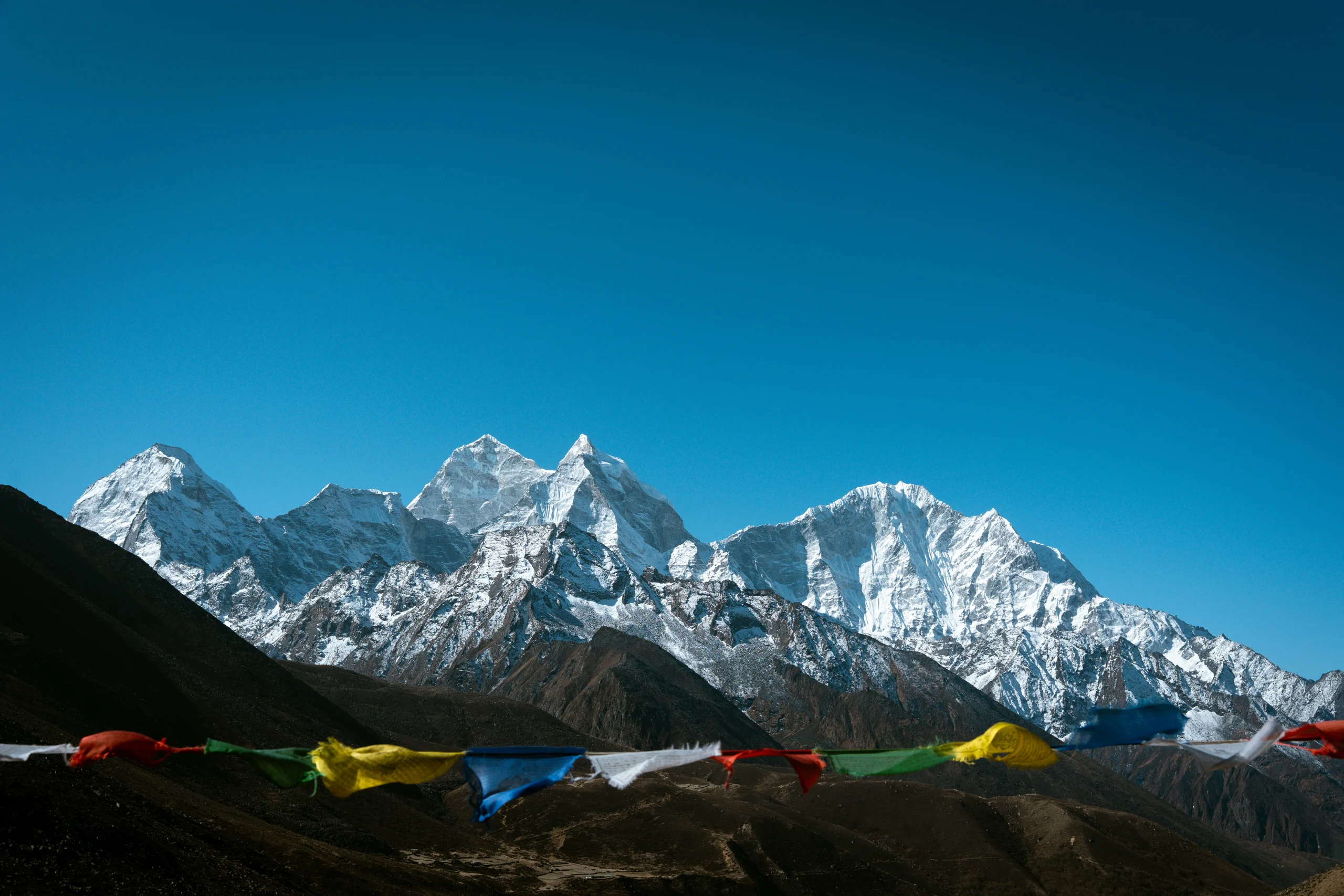
The walk from Lukla to Everest Base Camp passes through Sherpa villages, crosses suspension bridges draped in prayer flags, skirts the Tengboche Monastery — the spiritual heart of the Khumbu — and follows a river system that drains the highest peaks on Earth. If your only goal is to touch the EBC sign and turn around, you miss most of what makes this trek worth doing.
Spend a morning in Khumjung during the Namche acclimatisation day. Sit in a teahouse and listen to the weather forecast on the radio. Watch porters carrying loads twice their body weight. Ask your guide about the avalanche memorials you pass between Dingboche and Lobuche. The route is not just a logistics corridor; it’s a place where Sherpa, Tibetan Buddhist, and mountaineering cultures have woven together over a century.
Frequently Asked Questions about Lukla to Everest Base Camp
1. How long is the trek from Lukla to Everest Base Camp?
Most people take 8–9 days to reach Base Camp and 3–4 days to return, for a total of 12–14 days including acclimatisation stops.
2. Can I trek from Lukla to EBC without a guide?
No. A licensed guide is mandatory for foreign trekkers under current Nepal regulations for the Everest region.
3. How difficult is the Lukla to EBC trek?
It requires no technical skills but demands good cardiovascular fitness, mental stamina, and the ability to cope with high altitude. The sustained daily effort and thin air are the real challenges.
4. When is the best time to trek from Lukla to Everest Base Camp?
March to May and late September to November. October and November offer the clearest skies; March–May offer warmer days and the chance to see expedition teams at Base Camp.
5. How much does the Lukla to EBC trek cost?
A typical guided trek with flights, permits, accommodation, meals, guide, and porter costs between USD $1,800 and $2,500 per person. Budget extra for gear rental, tips, and incidentals.
6. Is altitude sickness common on this route?
Mild AMS symptoms affect a large percentage of trekkers. Serious AMS is less common on a properly paced itinerary but remains a risk that requires immediate descent.
7. What is the highest point on the Lukla to EBC trek?
Kala Patthar at 5,545 metres is the highest point most trekkers reach, not Everest Base Camp itself (5,364 m). Kala Patthar offers the best panoramic view of Everest.
8. Can I charge my phone on the trek?
Yes, at lodges for a fee. A power bank is recommended to reduce costs and ensure you have power when outlets are busy.
9. What happens if my Lukla flight is cancelled?
You wait for the next available flight, or the operator may arrange a vehicle transfer to Ramechhap to catch a flight from there. Extra days in your itinerary are essential.
10. Are there ATMs on the trail?
No. The last ATMs are in Namche Bazaar and they are not always reliable. Carry all the cash you’ll need from Kathmandu.
11. Do I need travel insurance?
Yes. Your insurance must cover trekking up to 6,000 metres and include helicopter evacuation. Without it, an emergency rescue can cost thousands of dollars out of pocket.
12. What wildlife might I see?
Himalayan tahr, musk deer, pheasants, and occasional yaks. Snow leopards exist but are almost never seen by trekkers.
13. Is the trail crowded?
During peak October and April, yes. Expect queues at suspension bridges and busy teahouses. Quieter periods are early March and late November.
14. What’s the difference between Lukla–EBC and the Gokyo Lakes route?
The classic EBC trek goes directly to Base Camp and back. The Gokyo route branches off to turquoise glacial lakes and the Gokyo Ri viewpoint, offering a quieter alternative with different views.
15. How do I choose a trekking company for Lukla to EBC?
Look for a registered Nepali operator with experienced, English-speaking guides, proper staff insurance, transparent pricing, and realistic itineraries that include acclimatisation days. Merriment Treks meets these criteria and has a strong track record on the EBC route.
Ready to Walk the Trail?
The Lukla to Everest Base Camp trek is one of the most logistically accessible high-altitude walks in the world, but accessible does not mean easy. It asks for patience, respect for the altitude, and a willingness to adapt when mountain weather rewrites your plans. For those who prepare well and choose an itinerary that prioritises safety over speed, it is genuinely extraordinary.
If you are ready to start planning, Merriment Treks offers fixed-departure and private Lukla-to-EBC treks with experienced local guides, transparent costs, and carefully paced itineraries designed to get you to Base Camp safely. Visit their website to view dates and inclusions, or get in touch for a detailed trek proposal.
The flight into Lukla is short. The walk to Base Camp is long. But it starts the same way every time — with a single step off a small plane in the mountains.