Introduction to Annapurna Base Camp Weather
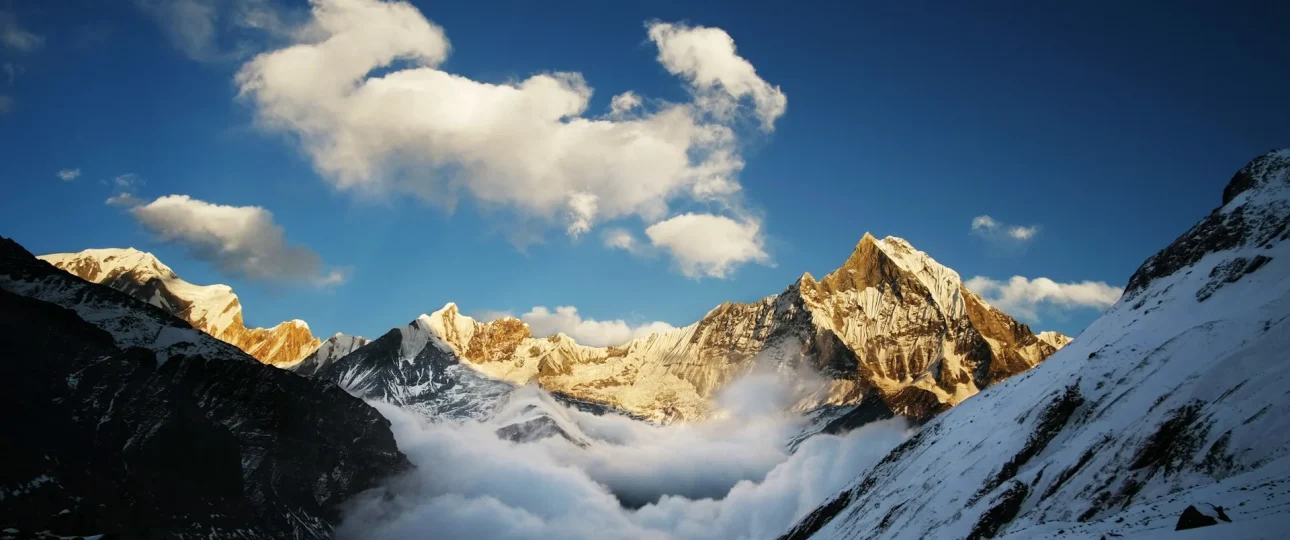
The Annapurna Base Camp weather is defined by four distinct seasons, each offering a dramatically different trekking experience. At 4,130 meters, the base camp sits at an elevation where weather can shift from bright sunshine to complete whiteout in a matter of hours . Daytime temperatures at ABC typically range from 2°C to 7°C in peak seasons, while nighttime lows can plummet to -15°C or even -20°C during winter months .
October offers the most reliable weather: post-monsoon skies are crystal clear, trails are dry, and mountain views are at their sharpest . April provides the famous rhododendron blooms with generally stable conditions . Winter (December–February) brings solitude and snow-covered landscapes but requires serious cold-weather gear . Monsoon (June–August) is not recommended for most trekkers due to heavy rain, leeches, and poor visibility .
Annapurna Base Camp Weather at a Glance
| Season | Months | Daytime at ABC | Night at ABC | Visibility | Trail Conditions | Crowds | Recommended For |
|---|---|---|---|---|---|---|---|
| Autumn | Oct–Nov | 2°C to 7°C | -6°C to -10°C | Excellent | Dry, stable | High | All trekkers, photographers |
| Spring | Mar–May | 1°C to 6°C | -4°C to -8°C | Good (morning) | Variable | Moderate-High | Nature lovers, photographers |
| Winter | Dec–Feb | 0°C to 5°C | -15°C to -20°C | Excellent | Snow above 3,000m | Very Low | Experienced trekkers only |
| Monsoon | Jun–Sep | 5°C to 15°C | 0°C to 7°C | Poor | Muddy, leeches, slippery | Very Low | Not recommended for beginners |
How Weather Changes Along the ABC Trek
The Annapurna Base Camp trek passes through multiple climate zones, and the weather changes dramatically with altitude. A warm October day at Nayapul (1,070 m) becomes a near-freezing night at Annapurna Base Camp (4,130 m).
Typical Temperature Ranges by Altitude Zone
| Location | Altitude | Autumn Day | Autumn Night | Spring Day | Spring Night |
|---|---|---|---|---|---|
| Nayapul / Tikhedhunga | 1,070–1,540 m | 22–26°C | 12–16°C | 20–24°C | 10–14°C |
| Ghorepani | 2,860 m | 12–17°C | 2–6°C | 10–15°C | 2–5°C |
| Chhomrong | 2,170 m | 17–20°C | 7–11°C | 15–19°C | 6–10°C |
| Deurali | 3,230 m | 8–13°C | -2 to 2°C | 6–11°C | -3 to 1°C |
| MBC / ABC | 3,700–4,130 m | 2–7°C | -8 to -4°C | 1–6°C | -10 to -5°C |
These are average ranges. An unexpected cold front can push ABC nighttime temperatures below -15°C, even in late November .
Annapurna Base Camp Weather by Month
January
Weather: Coldest month of the year. Clear skies, dry air, and occasional snowfall. Nights can drop to -15°C to -20°C at ABC . This is when winter grip on the Annapurna region is most pronounced, with short daylight hours and intense cold at altitude.
Visibility: Excellent on clear days — the cold air holds less moisture, creating sharp, crisp views of the peaks. However, snowstorms can reduce visibility temporarily.
Trail conditions: Snow above 3,000m. Some teahouses at higher elevations operate with reduced services. Microspikes are essential above Deurali .
Crowds: Very low. The trail is peaceful and quiet .
Recommended for: Experienced trekkers seeking solitude and winter landscapes. Not recommended for first-timers.
Pros: Solitude, snow-covered landscapes, clear views, lower costs, crisp mountain air. Cons: Extreme cold, some teahouses limited, snow may affect trail conditions.
February
Weather: Still very cold but slightly warmer than January. Clear skies, some snow possible. Nights at ABC can drop to -15°C to -20°C. The higher sun angle brings stronger UV exposure — SPF 50+ is essential.
Visibility: Excellent, often with 100+ km visibility.
Trail conditions: Snow above 3,500m. Microspikes are recommended from Himalaya village upward and essential from Deurali to ABC .
Crowds: Very low .
Recommended for: Experienced trekkers with proper winter gear who want to experience the Annapurna Sanctuary in full winter conditions.
March
Weather: Transition month. Warming temperatures and generally dry conditions. Rhododendrons begin blooming at lower elevations . Daytime temperatures at ABC average around 4°C, with night lows dropping to -8°C.
Visibility: Good, with occasional morning fog clearing by midday.
Trail conditions: Improving, with snow still possible at higher elevations but melting at lower altitudes. Occasional snowfall above 3,500m is possible.
Crowds: Low to medium as trekkers begin arriving for spring season .
Recommended for: Trekkers who want spring conditions with fewer crowds and the first rhododendron blooms. March offers the budget-friendly alternative with lower lodge prices and fewer trekkers.
April
Weather: One of the best months. Stable, clear conditions. Daytime temperatures pleasant; nights still cold but bearable. Daytime at ABC reaches up to 8°C, with night lows around -4°C .
Visibility: Excellent, especially in the morning. Afternoon haze occasionally builds.
Trail conditions: Dry and stable. Rhododendron forests are in full bloom between Chhomrong and Bamboo .
Crowds: High. Peak spring season. Teahouses can fill quickly .
Recommended for: Nature lovers wanting rhododendron blooms, photographers, first-time trekkers.
Pros: Rhododendron forests in peak bloom, warm days, clear mornings, moderate nights. Cons: Higher crowds, afternoon haze possible.
May
Weather: Warming month with increasingly unstable conditions. Pre-monsoon showers possible from mid-month. Daytime temperatures at ABC can reach 14°C; night lows around 0°C .
Visibility: Good in the morning but afternoon clouds become more frequent.
Trail conditions: Good, but occasional afternoon rain starts.
Crowds: Moderate, declining from April peak.
Recommended for: Trekkers seeking warmer conditions and fewer crowds, who are willing to risk afternoon showers.
June
Weather: Monsoon begins. Heavy rainfall, especially in the afternoons. Temperatures remain warm, but humidity increases. Daytime temperatures at ABC range from 16°C to 22°C .
Visibility: Poor, with mountain views often obscured .
Trail conditions: Slippery and muddy. Leeches appear below 2,000m. Landslide risk increases.
Crowds: Very low.
Recommended for: Not recommended for first-timers. Only for experienced trekkers with no other date options.
July
Weather: Peak monsoon. Heaviest rainfall of the year. Daytime temperatures at ABC range from 5°C to 15°C; lower elevations are humid. July is the wettest month of the monsoon, with rain on most days .
Visibility: Very poor. Mountain views are blocked for most days.
Trail conditions: Muddy, slippery, leeches abundant, landslide risk high .
Crowds: Very low .
Recommended for: Experienced trekkers seeking absolute solitude and willing to accept no views. Most trekkers should avoid.
August
Weather: Still monsoon, but conditions improve toward month-end. The last week can preview the clearing that arrives in September. Daytime highs reach up to 19°C at ABC .
Visibility: Improving but still unreliable. Clouds often block mountain views.
Trail conditions: Muddy but drying. Vegetation at its lushest and greenest.
Crowds: Very low .
Recommended for: Experienced trekkers, and only those who must travel during this window.
September
Weather: Transition month. Monsoon clears progressively. Early September is still rainy; last week marks the start of autumn season. Daytime temperatures at ABC range from 12°C to 20°C.
Visibility: Improving dramatically. Post-monsoon air begins to clear .
Trail conditions: Drying, but some sections may still be muddy.
Crowds: Low to medium, building toward October.
Recommended for: Trekkers seeking autumn conditions with fewer crowds. Late September is excellent.
October
Weather: The gold standard. Post-monsoon skies are washed clean, offering the clearest views of the year . Daytime temperatures at ABC reach 3°C to 10°C; nights fall to -5°C to -8°C.
Visibility: Exceptional — best of the year. Visibility from ABC can extend 100+ km .
Trail conditions: Dry, stable, and comfortable.
Crowds: Peak season. The highest crowds of the year. Book teahouses and flights well in advance .
Recommended for: Everyone. If you have one chance for the Annapurna Base Camp trek, October is where you put it.
Pros: Clearest skies, best views, stable weather, comfortable conditions. Cons: Peak crowds, highest prices, teahouses fill up.
November
Weather: Still excellent. Clear skies, slightly cooler than October. Days are sunny; nights become significantly colder . Temperatures at ABC drop to -10°C at night .
Visibility: Very good. Views remain clear .
Trail conditions: Dry and stable.
Crowds: Medium to high, declining as month progresses.
Recommended for: Trekkers wanting excellent weather with slightly fewer crowds than October .
December
Weather: Cold, clear, and mostly dry. Snow becomes common at higher elevations . Nighttime temperatures at ABC can drop to -14°C to -20°C .
Visibility: Excellent on clear days .
Trail conditions: Snow above 3,000m. Cold weather gear essential. Teahouses at MBC and ABC operate with limited services .
Crowds: Low .
Recommended for: Experienced trekkers with proper winter gear seeking a quiet, winter-wonderland experience. Not recommended for first-timers.

Annapurna Base Camp Weather by Season
Spring (March–May)
Spring is one of the most picturesque and popular times for the Annapurna Base Camp trek . The weather is generally stable, with clear skies, and the rhododendron forests are in full bloom.
Temperature:
-
Lower slopes: 15–25°C
-
Alpine zone: 5–10°C
-
ABC: Daytime 1–6°C; Nighttime -4°C to -10°C
Visibility: Clear mornings, but afternoon haze can build later in the season.
Pros: Blooming rhododendrons, warming temperatures, stable conditions. Cons: Crowds increase in April; haze builds in May.
Best suited for: Nature lovers, photographers, beginners .
Monsoon (June–August)
Generally not recommended for beginners . Heavy daily rainfall, slippery and muddy trails, leeches abundant below 2,000m, cloud cover blocks views for most of the day, and landslide risk increases in several sections of the route.
Temperature:
-
Lower elevations: 20–25°C
-
Higher elevations (daytime): 10–15°C
-
Higher elevations (nighttime): 5–10°C
Visibility: Very poor. You may reach ABC and see nothing.
Pros: Lush, green landscapes; very few trekkers; lower prices. Cons: Dangerous trails, leeches, no views, landslide risk.
Best suited for: Experienced trekkers seeking absolute solitude, or those with no other window for travel.
Autumn (September–November)
The best season overall . Post-monsoon skies are crystal clear, trails are dry, temperatures are comfortable, and mountain views are at their sharpest.
Temperature:
-
Lower altitudes: 15–20°C
-
Higher altitudes: 5–10°C
-
ABC: Daytime 2–7°C; Nighttime -6°C to -10°C
Visibility: Excellent. Best of the year .
Pros: Clearest skies, dry trails, stable weather, perfect views. Cons: Peak-season crowds, higher prices, teahouses fill quickly .
Best suited for: All trekkers — the best season for first-timers, photographers, and anyone wanting the best experience.
Winter (December–February)
Brings a chilly and tranquil atmosphere. Higher altitudes receive heavy snowfall; air is dry and cold .
Temperature:
-
Lower altitudes (daytime): 5–10°C
-
ABC (daytime): 0–5°C
-
ABC (nighttime): -15°C to -20°C
Visibility: Excellent on clear days. The cold air holds less moisture, creating sharp, crisp views .
Pros: Solitude, snow-covered landscapes, clear skies, lower prices. Cons: Extreme cold, snow on trails, icy conditions, limited teahouse services.
Best suited for: Experienced trekkers with proper winter gear .
Temperature at Annapurna Base Camp
Approximate Temperature Ranges at ABC
| Month | Approx. Max (°C) | Approx. Min (°C) |
|---|---|---|
| January | 2–7 | -15 to -20 |
| February | 2–6 | -15 to -20 |
| March | 4 | -8 |
| April | 8 | -4 |
| May | 14 | 0 |
| June | 16 | 3 |
| July | 18 | 6 |
| August | 19 | 7 |
| September | 12–15 | 0–4 |
| October | 5–8 | -6 |
| November | 5–7 | -10 |
| December | 3–7 | -14 to -20 |
These are historical averages. Actual temperatures can vary significantly.
Does It Snow at Annapurna Base Camp?
Yes. Snowfall is common at Annapurna Base Camp, particularly during winter months (December–February) and occasionally in late autumn and early spring .
When and Where Snow Is Likely
-
December–February: Snowfall is common above 3,000m. The trail above Deurali and at ABC is often snow-covered .
-
March–April: Occasional patches of old winter snow can remain on shaded ground near ABC itself.
-
November: Snowfall possible, especially late in the month at higher elevations.
-
September–October: Snowfall is rare at ABC, though early-season snow can occasionally occur.
Snow Conditions by Month
| Month | Snow Likelihood | Trail Conditions |
|---|---|---|
| January | High | Snow-covered; icy sections |
| February | High | Snow-covered; icy sections; microspikes essential |
| March | Moderate | Snow melting at lower elevations |
| April | Low | Occasional patches near ABC |
| May | Very low | Usually snow-free |
| June–August | Very low | No snow (rain instead) |
| September | Very low | Snow-free |
| October | Very low | Snow-free |
| November | Low | Possible late-month snow |
| December | High | Snow begins accumulating |
What You Need for Snow
-
Winter (Dec–Feb): Sleeping bag rated to -15°C comfort, heavy down jacket, insulated gloves, microspikes or lightweight crampons (essential from Deurali to ABC) .
-
Late Autumn (Nov): Sleeping bag rated to -10°C; microspikes may be useful.
-
Spring (Mar–Apr): Sleeping bag rated to -10°C; microspikes optional.
Rain and Monsoon Conditions
Monsoon Season (June–August)
The monsoon brings heavy rainfall to the Annapurna region. This is the one season most trekkers should avoid .
What to expect:
-
Heavy rain daily, typically afternoon onwards
-
Leeches on lower trail sections below Chhomrong
-
Mountain views frequently blocked — you may reach ABC and see nothing
-
Landslide risk on sections between Deurali and MBC
-
Slippery trails that become treacherous
Who might consider monsoon trekking:
-
Experienced trekkers seeking absolute solitude
-
Those with no other travel window
-
Nature lovers drawn to waterfalls and dense green forests
Our honest advice: If you can choose your dates, avoid June, July, and August. The mountain views — the main reason to do this trek — will likely be obscured for much of your journey .
Transition Months
-
May: Pre-monsoon showers possible from mid-month .
-
September: Monsoon clears by late September. Early September still rainy. The last week marks the start of autumn season .
-
Late August: Conditions improve toward month-end; last week can preview the clearing in September .
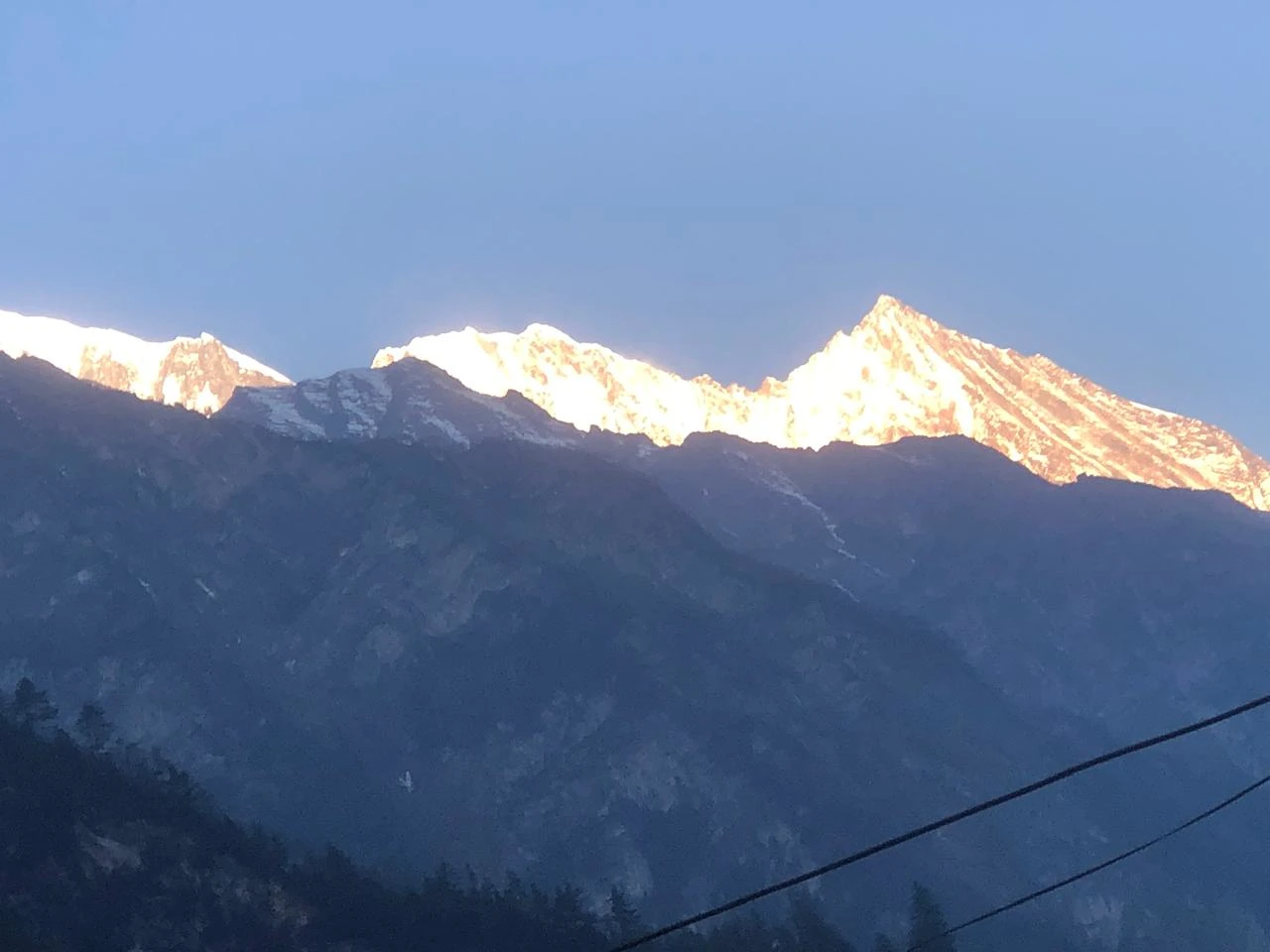
Best Months for Annapurna Base Camp Weather
Single Best Months
| Priority | Best Month | Why |
|---|---|---|
| Clearest mountain views | October | Post-monsoon air is washed crystal clear; visibility from ABC can reach 100+ km |
| Rhododendron blooms | April | Peak bloom from 1,500m to 3,500m across the lower forests |
| Fewest crowds with good weather | November (late) or March (late) | Stable conditions after peak crowds pass |
| Warmest sanctuary temperatures | May | ABC highs up to 14°C in May |
| Budget and solitude | December–February | 20–40% savings, near-empty trails (but cold!) |
| Snow and winter scenery | December–January | Snow-covered sanctuary, dramatic but cold |
For First-Time Trekkers
Choose either October or April. Both offer stable weather, clear views, and comfortable conditions. October provides the clearest skies; April provides rhododendron blooms.
October Pros: Clearest views, stable weather, dry trails. October Cons: Peak crowds, higher prices.
April Pros: Rhododendrons in bloom, warmer days, good views. April Cons: Higher crowds in peak bloom.
For Budget Travelers
Consider late November or late March. Both offer stable weather with lower crowds than peak months .
For Experienced Trekkers
Winter (December–February) or early May offer solitude and dramatic conditions, but be prepared for cold, snow, and limited services .
Weather at Different Altitudes
The weather feels completely different depending on where you are on the trail.
| Elevation Zone | Altitude | Typical Temperature (Oct) | What It Feels Like |
|---|---|---|---|
| Pokhara / Lower valleys | 800–1,500 m | 22–26°C | Warm to hot; light clothing |
| Ghandruk / Chhomrong | 1,500–2,200 m | 17–20°C | Pleasant; t-shirt and light layer |
| Bamboo / Dovan | 2,300–2,700 m | 12–17°C | Comfortable; fleece in evening |
| Deurali | 3,200 m | 8–13°C (day), -2 to 2°C (night) | Cold; warm layers needed |
| MBC / ABC | 3,700–4,130 m | 2–7°C (day), -8 to -4°C (night) | Freezing; full winter gear at night |
Why Altitude Matters for Weather
-
Lower sections (below 2,000m): Can feel warm and humid. Trekking in a t-shirt is often comfortable.
-
Mid sections (2,000–3,000m): Temperatures cool significantly. A fleece or light jacket is needed.
-
High sections (above 3,000m): Temperatures drop rapidly. Even during peak seasons, nights at ABC are freezing. The sun is strong at altitude — sunscreen is essential even in cold weather.
What to Pack for ABC Weather
Gear needs shift dramatically across the year, and packing for the wrong season is the most common reason trekkers are uncomfortable .
By Season Summary
| Season | Sleeping Bag | Key Outerwear | Footwear/Extras |
|---|---|---|---|
| Autumn (Sep–Nov) | -10°C rating | Light down jacket, layering system | Sun hat, sturdy boots |
| Winter (Dec–Feb) | -15°C minimum | Heavy down jacket, insulated gloves | Microspikes, gaiters, waterproof boots |
| Spring (Mar–May) | -10°C rating | Versatile layers, rain protection | Waterproofs for May |
| Monsoon (Jun–Aug) | -5°C rating | Full waterproofs, quick-dry clothing | Leech socks, sturdy wet-rock grip boots |
Essential Winter Additions (Dec–Feb)
-
Microspikes or lightweight crampons — essential from Deurali to ABC
-
Sleeping bag rated to -15°C comfort
-
Down jacket rated to -10°C or warmer
-
Balaclava and face protection for exposed sanctuary sections
-
Waterproof outer gloves over liner gloves
-
Gaiters for snow sections
-
Waterproofed Gore-Tex or equivalent boots
Essential Monsoon Additions (Jun–Aug)
-
Waterproof everything — jacket, trousers, boot covers
-
Leech socks
-
Quick-dry clothing
-
Dry bags for everything in your pack
-
Spare dry socks — worth their weight
How Weather Affects Trail Conditions
The Annapurna Base Camp weather determines more than comfort — it affects whether you can actually reach the base camp or turn back at Deurali because the upper section is buried under fresh snow.
| Condition | Effect on Trail | Action |
|---|---|---|
| Light rain | Slippery rocks; muddy sections | Wear waterproofs; use poles; slow pace |
| Heavy rain / monsoon | Mud, leeches, landslides, poor visibility | Consider turning back; wait it out |
| Snow (light) | Beautiful views; cold | Wear warm layers; continue with caution |
| Snow (heavy) | Trail obscured; dangerous | Turn back; wait for clearing |
| Ice | Extremely slippery; dangerous | Use microspikes; hike with poles; short strides |
| Fog / clouds | Poor visibility; trail markers hard to see | Use map, GPS, or guide; wait for clearing |
Monsoon Season Conditions
-
Heavy rain daily, typically from the afternoon onwards
-
Leeches on lower trail sections below Chhomrong
-
Landslide risk on sections between Deurali and MBC
-
Slippery trails that become treacherous
Winter Season Conditions
-
Snow above 3,000m; icy sections after Deurali
-
Microspikes recommended from Himalaya upward, essential from Deurali to ABC
-
Teahouses at MBC and ABC may have limited services
-
Deep snow on all surfaces above sanctuary entrance
Practical Weather and Safety Tips
Before the Trek
-
Check forecasts regularly. Ask lodge owners along the way — they often have the best real-time read on incoming weather .
-
Check conditions at multiple altitudes. Pokhara weather is not the same as ABC weather.
-
Build in buffer days. Weather can delay your trek; don’t book your return flight immediately after your planned finish date.
-
Listen to local advice. If locals say conditions are dangerous, believe them.
On the Trail
-
Start early. Afternoon clouds and rain are common. Begin your day’s walk by 6:00–7:00 AM.
-
Monitor the sky. In the mountains, weather can change quickly.
-
Carry emergency layers. Even on a sunny day, pack a warm layer and waterproofs.
-
Stay hydrated. Drink 3–4 litres of water daily above 3,000m.
-
Trust your guide. Guides are trained to recognize dangerous weather conditions.
If Weather Turns Bad
-
Heavy rain: Use waterproofs and slow your pace; consider stopping if the trail becomes too slippery.
-
Snow: Pack microspikes; hike with poles; short strides.
-
Poor visibility: Use a map, GPS, or guide; wait for clearing.
-
Extreme cold: Add layers; wear gloves and a warm hat; eat and drink warm fluids.
What Trekkers Should Know
-
The sun is strong at altitude, especially in winter when snow reflection adds UV exposure.
-
The combination of altitude UV and snow reflection can cause sunburn faster than most trekkers expect.
-
Above 3,000m, the environment is remote; rescue can take hours or days, so self-sufficiency is essential.
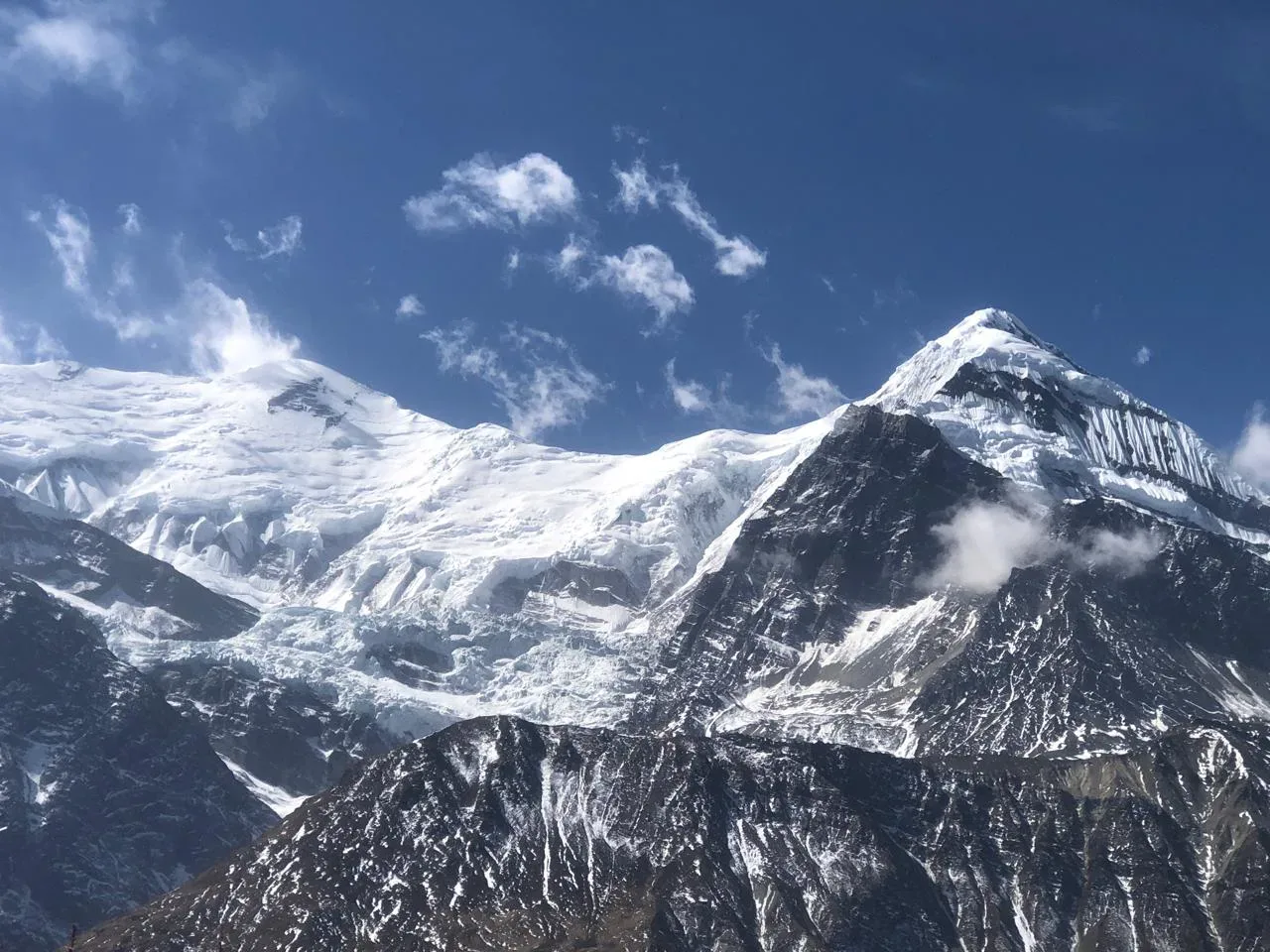
Common Weather Mistakes Trekkers Make
-
Checking only Pokhara weather. The weather at lower elevations is drastically different from ABC.
-
Packing only for daytime. Even in spring and autumn, nights at ABC are freezing.
-
Assuming historical averages equal forecasts. Weather patterns vary year to year. Check actual forecasts before departure.
-
Ignoring altitude. The weather at 4,130m is completely different from the weather at 1,000m.
-
Underestimating nighttime cold. At ABC in winter, temperatures drop to -15°C to -20°C .
-
Not preparing for rain. Even in dry seasons, rain can occur in the mountains.
-
Ignoring snow conditions. In winter, snow above 3,000m requires microspikes .
-
Following a fixed schedule too rigidly. Weather may force itinerary changes; flexibility is crucial.
How to Check the Weather Before Your 2026 Trek
Before Departure
-
Use reliable weather resources. Check multiple sources before your trek.
-
Check the forecast for multiple altitudes. If possible, check the forecast for Pokhara, Chhomrong, and ABC separately.
-
Look for trends, not just one day. Weather patterns over 3–5 days matter more than a single day’s forecast.
-
Check conditions from other trekkers. Recent reports from trekkers who have completed the route can be invaluable.
On the Trail
-
Ask lodge owners. They have the best real-time read on incoming weather .
-
Watch the mountains. If clouds begin building, expect afternoon weather changes.
-
Use the sun as a guide. Clear mornings often become cloudy afternoons; start early.
Frequently Asked Questions about Annapurna Base Camp Weather
1. What is the weather like at Annapurna Base Camp?
Weather varies significantly by season. October and November offer clear skies and stable conditions. Winter brings extreme cold and snow. Monsoon (June–August) brings heavy rain and poor visibility .
2. What is the temperature at Annapurna Base Camp?
Daytime temperatures range from 2°C to 7°C during peak seasons. Nighttime lows at ABC can drop to -15°C to -20°C in winter, and -5°C to -10°C in spring and autumn .
3. Does it snow at Annapurna Base Camp?
Yes. Snowfall is common in winter months (December–February) and occasionally occurs in November and March. Snow is most likely above 3,000m .
4. What is the coldest month at Annapurna Base Camp?
January is the coldest month, with nighttime temperatures dropping to -15°C to -20°C at ABC .
5. Which month has the best weather for ABC Trek?
October offers the best weather — post-monsoon skies are washed clean, trails are dry, and views are at their sharpest. April is a close second with rhododendron blooms .
6. Is October good for Annapurna Base Camp?
Yes. October is generally considered the best month for the ABC Trek, with clear skies, dry trails, and excellent mountain visibility .
7. Is November good for Annapurna Base Camp?
Yes. November offers similar weather to October but with cooler temperatures, fewer crowds, and a greater chance of snow at higher elevations .
8. Is March good for Annapurna Base Camp?
March is a good month with warming temperatures, the start of rhododendron blooms, and generally dry conditions. It’s an excellent shoulder-season choice .
9. Is April good for Annapurna Base Camp?
Yes. April offers stable weather, clear mornings, and spectacular rhododendron blooms in full colour .
10. Can you trek to Annapurna Base Camp in winter?
Yes, but it requires proper winter gear, experience, and preparation. Nighttime temperatures drop to -15°C to -20°C at ABC. Microspikes are essential for icy sections .
11. Can you trek to ABC during monsoon?
Not recommended for beginners. Heavy rain, leeches, muddy trails, landslide risk, and poor visibility make it challenging and potentially dangerous .
12. How cold is Annapurna Base Camp at night?
In spring and autumn, nighttime temperatures at ABC typically range from -5°C to -10°C. In winter, they can drop to -15°C to -20°C .
13. Does weather change quickly on the ABC Trek?
Yes. In the mountains, weather can shift from bright sunshine to complete whiteout in a matter of hours .
14. What clothes should I pack for Annapurna Base Camp weather?
Pack layers: base layers, fleece, down jacket, waterproof shell, warm hat, gloves, and a sleeping bag rated to at least -10°C. Winter treks require -15°C bags and microspikes .
15. Where can I check the weather forecast before the ABC Trek?
Check reliable weather sources, ask lodge owners along the trail, and check the forecast for multiple altitudes. Remember that mountain weather can change rapidly .
Plan Your Annapurna Base Camp Trek With Merriment Treks
If you are planning your Annapurna Base Camp trek, Merriment Treks offers itineraries designed with the Annapurna Base Camp weather patterns in mind.
What makes them different:
-
Season-aware itineraries — designed around the best weather windows for your chosen dates
-
Licensed guides trained in weather recognition and safety protocols
-
Flexible scheduling — build-in buffer days for weather delays
-
Local knowledge — guides who know the trail and can read the mountain weather
-
Transparent advice — honest guidance on the best months for your trip
-
Packing guidance — help with what to bring for the season
Merriment Treks can help you choose the right season based on your preferences and availability.