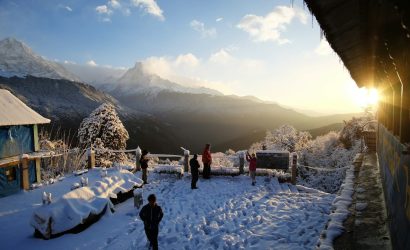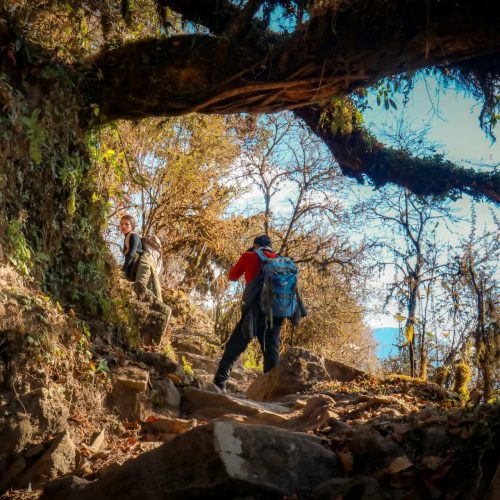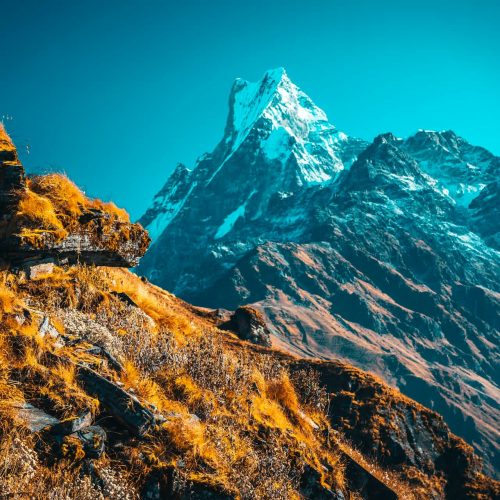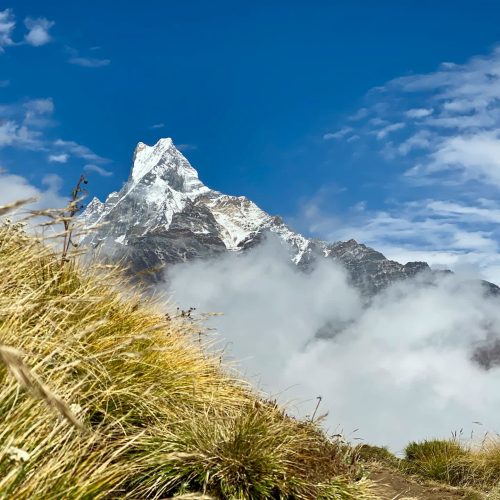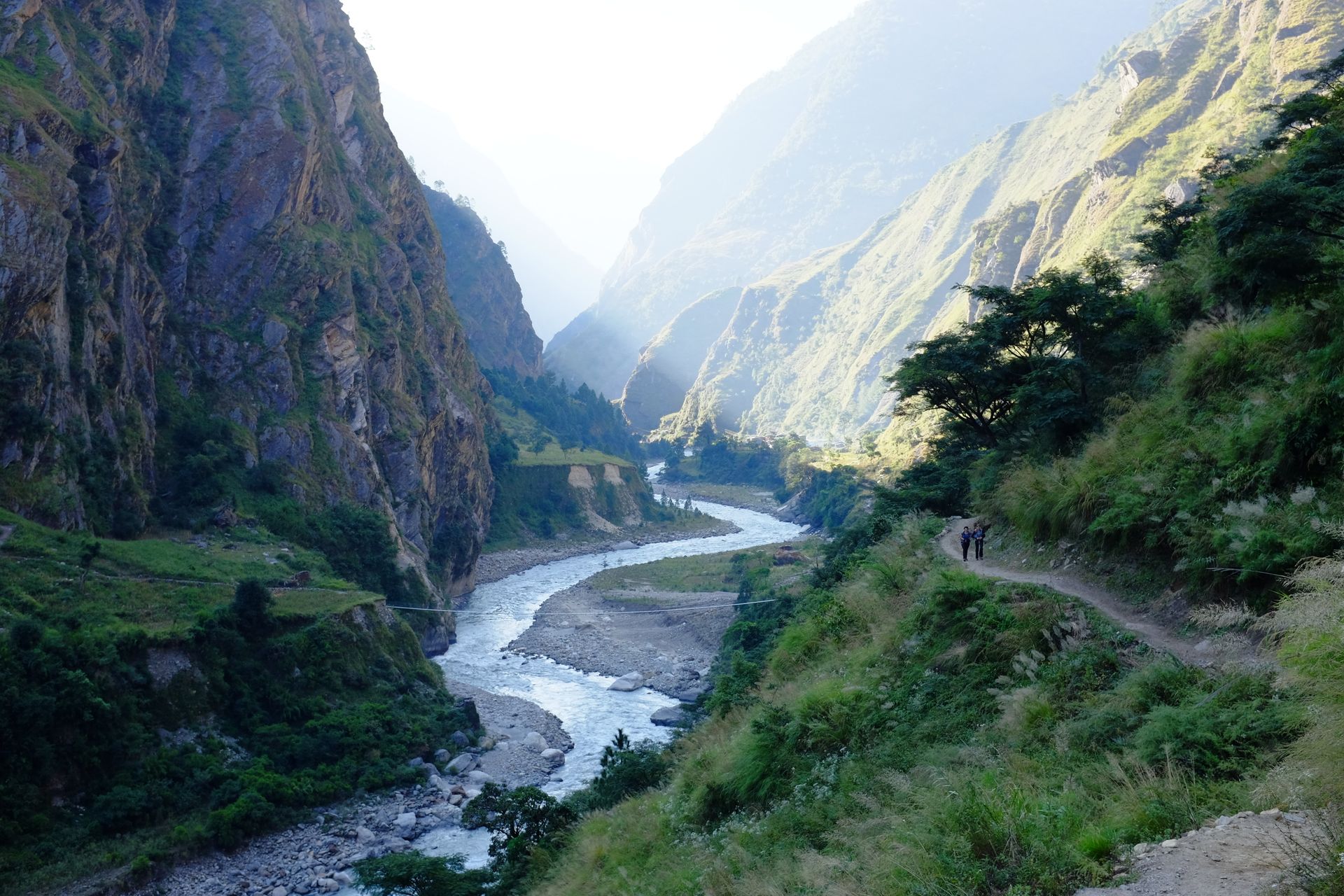
The Tsum Valley Trek reaches one of the few places in Nepal where Tibetan Buddhist culture has developed with almost no outside influence for centuries. Sealed off from Manaslu Circuit trekkers by its restricted-area status until 2008, Tsum Valley still sees a fraction of the foot traffic of nearby routes, which means villages like Chhokang Paro and Nile function much as they always have — subsistence farming, monastery life, and a local dialect closer to Tibetan than Nepali.
This 11-day package is a compressed version of the standard Tsum Valley itinerary, built for trekkers with limited annual leave who still want to reach Mu Gompa and Rachen Gompa. It follows the Budhi Gandaki river north from Machha Khola, diverges into the Tsum side valley at Lokpa, and returns via the same corridor at a faster daily pace than our longer itinerary. This page covers the complete itinerary, realistic costs, restricted-area permit requirements, seasonal weather, and honest guidance on what this faster pace means for difficulty, so you know exactly what you’re booking.
Tsum Valley Trek Facts
| Detail | Information |
|---|---|
| Duration | 11 Days (Kathmandu to Kathmandu) |
| Trek Region | Tsum Valley, Manaslu Conservation Area |
| Max Altitude | 3,700m (Mu Gompa) |
| Difficulty | Challenging (due to compressed pace) |
| Trek Style | Tea house / homestay trek, restricted area |
| Group Size | Minimum 2 trekkers required by permit regulation |
| Starting Point | Machha Khola (via road from Kathmandu) |
| Best Season | March–May, September–November |
| Daily Walking Hours | 6–8 hours |
| Total Distance | Approximately 140 km round trip |
| Accommodation | Local tea houses and homestays |
| Meals | Full board on trek (breakfast, lunch, dinner) |
| Permits Required | Restricted Area Permit (Tsum Valley), MCAP, ACAP |
| Trek Cost | From USD 1,250 per person |
Tsum Valley Trek Overview
This 11-day itinerary covers the same core route as our standard Tsum Valley package — Machha Khola to Mu Gompa via Lokpa and Chhokang Paro, with Rachen Gompa included on the return — but compresses several walking days into longer single stages. Where the standard itinerary spreads the approach over four separate days, this version combines some of those legs, which means longer daily walking hours and less built-in flexibility for road delays or weather.
We include this option because a genuine number of travelers simply don’t have 16 days available, and a well-planned 11-day version is a legitimate way to see Tsum Valley rather than skip it entirely. That said, this pace suits fitter, more experienced trekkers better than the standard version — the honest trade-off is covered in the Difficulty Level section below.
Why Choose the Tsum Valley Trek
Most treks marketed as “off the beaten path” in Nepal still see meaningful trekker traffic. Tsum Valley is a genuine exception, partly because the restricted-area permit cost and minimum-group requirement filter out casual add-on visitors, and partly because it simply isn’t on the way to anywhere else — you go to Tsum Valley specifically for Tsum Valley, not as a stop en route to a bigger objective.
The cultural depth here is also different in kind, not just degree. Villages practice a form of Tibetan Buddhism with local variations, some families still observe traditional polyandry, and the valley’s monasteries — particularly Mu Gompa and Rachen Gompa — remain active religious sites with resident monks and nuns rather than tourist stops.
Tsum Valley Trek Itinerary Overview
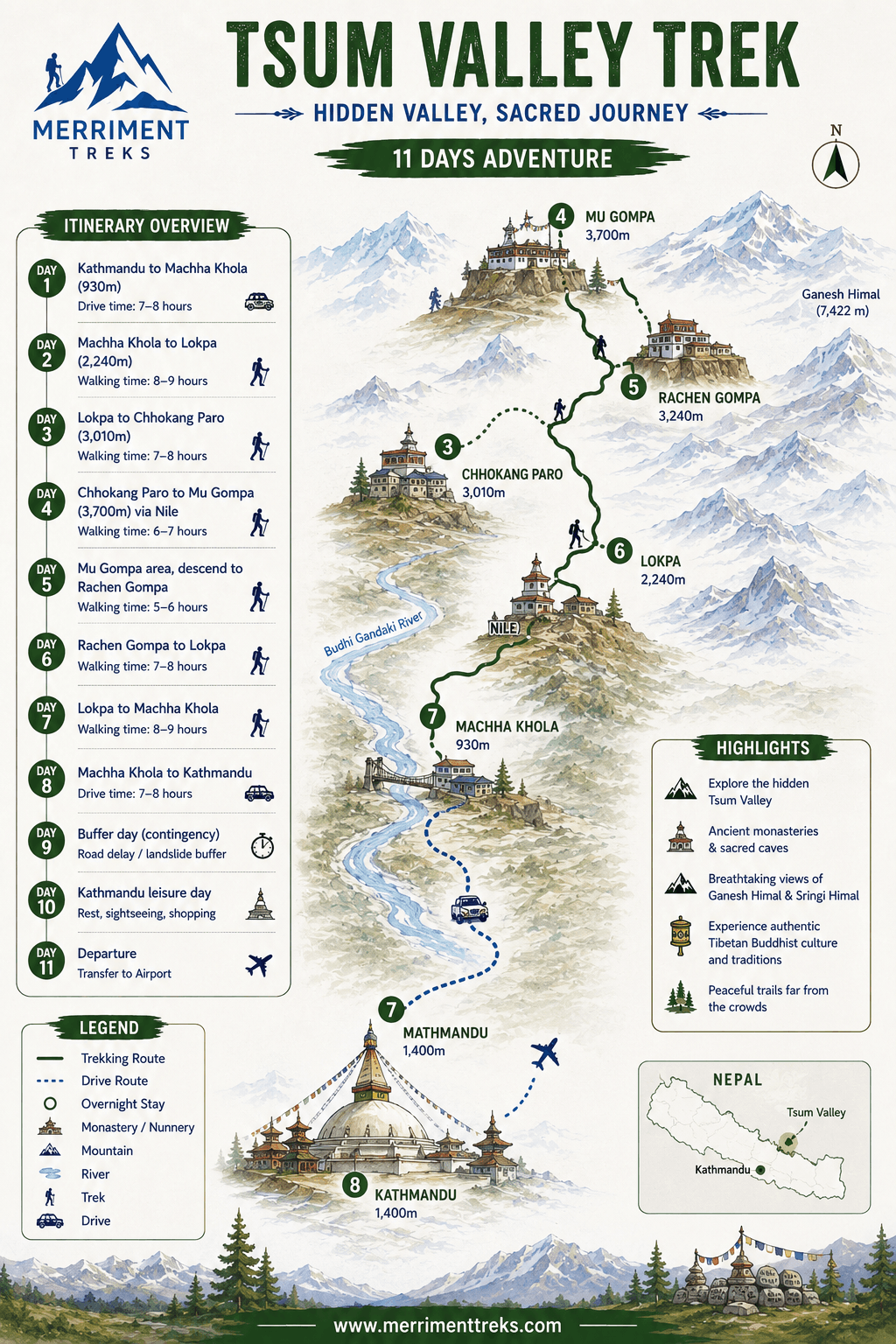
Day 1: Kathmandu to Machha Khola (930m)
Long drive along the Prithvi Highway and then a rougher mountain road following the Budhi Gandaki, passing terraced hillsides and small Gurung and Magar villages.
Drive time: 7–8 hours
Day 2: Machha Khola to Lokpa (2,240m)
A long combined day covering ground split over two days on the standard itinerary. The trail follows the Budhi Gandaki gorge through Jagat before climbing to Lokpa, where the route diverges into the Tsum side valley.
Walking time: 8–9 hours
Day 3: Lokpa to Chhokang Paro (3,010m)
Another combined day, passing through Chumling before climbing into wider valley terrain. Chhokang Paro offers some of the best mountain views of the lower valley.
Walking time: 7–8 hours
Day 4: Chhokang Paro to Mu Gompa (3,700m) via Nile
The trail passes through Nile village before the final climb to Mu Gompa, the highest and most remote monastery in the valley.
Walking time: 6–7 hours
Day 5: Mu Gompa area, descend to Rachen Gompa
Morning time at Mu Gompa and its nearby meditation caves, followed by a descent to Rachen Gompa, an active nunnery with extensive interior murals. This day combines what is a rest/explore day and a descent day on the standard itinerary.
Walking time: 5–6 hours
Day 6: Rachen Gompa to Lokpa
Continued descent through Chhokang Paro and Chumling back to Lokpa.
Walking time: 7–8 hours
Day 7: Lokpa to Machha Khola
A long final trekking day, retracing the Budhi Gandaki gorge trail through Jagat back to the roadhead.
Walking time: 8–9 hours
Day 8: Machha Khola to Kathmandu
Return drive, subject to road conditions along the Budhi Gandaki corridor.
Drive time: 7–8 hours
Day 9: Buffer day (contingency)
Reserved specifically for road delays or landslide-related disruption on the Machha Khola corridor, which are more common on this route than on paved highway approaches to other treks. Not used if travel runs on schedule.
Day 10: Kathmandu leisure day
Free day for rest, sightseeing, or shopping ahead of departure.
Day 11: Departure
Transfer to Tribhuvan International Airport for your onward flight, or extend your stay in Nepal.
Route Overview
The trek follows the Budhi Gandaki river north from Machha Khola through Jagat to Lokpa, where it diverges east into the Tsum side valley, climbing through Chumling and Chhokang Paro to Mu Gompa and Nile near the Tibet border, then descending via Rachen Gompa back to Lokpa and retracing the original corridor to Machha Khola.
Daily Distance & Walking Hours
| Day | Route | Distance | Walking Time |
|---|---|---|---|
| 2 | Machha Khola – Lokpa | ~40 km | 8–9 hrs |
| 3 | Lokpa – Chhokang Paro | ~23 km | 7–8 hrs |
| 4 | Chhokang Paro – Mu Gompa | ~14 km | 6–7 hrs |
| 5 | Mu Gompa – Rachen Gompa | ~15 km | 5–6 hrs |
| 6 | Rachen Gompa – Lokpa | ~23 km | 7–8 hrs |
| 7 | Lokpa – Machha Khola | ~40 km | 8–9 hrs |
Altitude Profile
| Day | Location | Altitude |
|---|---|---|
| 1 | Machha Khola | 930m |
| 2 | Lokpa | 2,240m |
| 3 | Chhokang Paro | 3,010m |
| 4 | Mu Gompa | 3,700m |
| 5 | Rachen Gompa | ~3,240m |
| 7 | Machha Khola | 930m |
Difficulty Level of Tsum Valley Trek
This 11-day version is rated challenging — a step up from the standard 16-day Tsum Valley itinerary, and honestly the more demanding of the two options we offer. The maximum altitude of 3,700m is moderate by Himalayan standards, but combining what are normally two separate walking days into single 8–9 hour stages means less recovery time and a tighter margin if weather or road conditions cause delays. This pace suits trekkers who already have solid multi-day hiking experience and consistent fitness; it’s not the version we’d recommend for a first Himalayan trek.
Fitness Requirements
- Ability to walk 6–9 hours on consecutive days without a rest day built into the approach or return legs
- 8–10 weeks of dedicated cardio and leg-strength preparation is strongly recommended given the compressed pace
- Prior multi-day trekking experience is genuinely useful here, more so than on the standard 16-day version
- Comfort with basic homestay and tea house facilities — bathroom standards vary more here than on busier routes, with shared and outdoor facilities common in smaller villages
Permits & Restricted Area Regulations
Tsum Valley is a restricted area under Nepalese law, and three separate permits are required:
| Permit | Approximate Cost |
|---|---|
| Restricted Area Permit (Tsum Valley) | USD 40 for first week (Sept–Nov), USD 30 (Dec–Aug), plus USD 7/day beyond one week |
| Manaslu Conservation Area Permit (MCAP) | NPR 3,000 approx. (USD 23) |
| Annapurna Conservation Area Permit (ACAP) | Required for the overlapping section of trail; NPR 3,000 approx. (USD 23) |
A minimum of two trekkers is required to obtain the restricted area permit, and trekkers must travel with a licensed guide — independent solo trekking is not permitted in this region. Permits are arranged by your agency and require passport copies and passport-sized photos in advance, generally with more lead time than standard national park permits due to the restricted-area processing.
Culture & Spiritual Heritage
Tsum Valley’s Buddhist heritage developed in relative isolation from both mainstream Nepali Hindu culture and the more visited Tibetan Buddhist areas of Khumbu and Mustang. Local tradition places some communities practicing forms of family structure, including polyandry in a small number of households, that are increasingly rare elsewhere in the Himalaya. The valley has also historically observed periods of non-violence toward animals, reflected in local hunting restrictions tied to Buddhist principle rather than formal conservation law.
Language in the upper valley leans closer to Tibetan than to Nepali, and many older residents are more comfortable in the local dialect than in Nepali itself, which is a useful thing to know if you’re hoping for conversation beyond your guide’s translation.
Monasteries & Sacred Sites
Mu Gompa (3,700m): The highest and most remote monastery in the valley, with meditation caves nearby and, on clear days, distant views toward the Tibet border. On this compressed itinerary, time here is more limited than on the 16-day version, so plan your priorities before arriving.
Rachen Gompa: An active nunnery housing resident Buddhist nuns, notable for its detailed interior murals and large prayer hall. Visitors are generally welcome but should ask before entering ceremonial areas.
Chhokang Paro and Nile village chortens and mani walls: Numerous smaller religious structures line the trail, reflecting the valley’s consistent religious character rather than isolated highlight sites.
Basic etiquette applies throughout: walk clockwise around mani walls and chortens, remove shoes and hats before entering monastery interiors, ask permission before photographing monks, nuns, or ceremonies, and avoid loud conversation near active prayer areas.
Best Time for Tsum Valley Trek
Spring (March–May): Rhododendron blooms in the lower gorge sections, stable weather, and clear valley views.
Autumn (September–November): The clearest skies of the year and the most reliable window for mountain visibility, considered the best overall season — especially important on this faster itinerary since there’s less buffer to absorb weather delays.
Winter (December–February): Cold at higher points in the valley, with occasional snow near Mu Gompa. The compressed pace makes winter conditions harder to manage safely; the standard 16-day version is a better fit for this season.
Monsoon (June–August): Heavy rainfall increases landslide risk along the Budhi Gandaki gorge sections, particularly between Machha Khola and Jagat. Not recommended, and especially risky on a schedule with minimal buffer.
Season Comparison
| Season | Daytime Temp (Lower Gorge) | Daytime Temp (Mu Gompa) | Night Temp (Mu Gompa) | Conditions |
|---|---|---|---|---|
| Spring (Mar–May) | 18–22°C | 8–12°C | -5 to 0°C | Clear mornings, occasional afternoon cloud |
| Autumn (Sep–Nov) | 16–20°C | 6–10°C | -8 to -2°C | Stable, clearest visibility |
| Winter (Dec–Feb) | 10–14°C | -2 to 4°C | -15 to -8°C | Cold at altitude, possible snow near Mu Gompa |
| Monsoon (Jun–Aug) | 22–26°C | 12–16°C | 0 to 5°C | Heavy rain, landslide risk in lower gorge |
Weather Overview
Temperature swings are more pronounced here than on higher, shorter treks because the route spends significant time in a lower river gorge before climbing into the valley proper. Expect noticeably warmer conditions in the early days around Machha Khola and Jagat, cooling steadily as the trail climbs toward Chhokang Paro and Mu Gompa. Given the longer daily walking hours on this itinerary, an early start each morning matters more here than on the standard version.
Accommodation
Tea houses and homestays are simple, family-run, and generally smaller in scale than lodges on busier circuits like Annapurna or Everest. Below Chumling, most have attached or semi-attached bathrooms; from Chhokang Paro upward, shared and sometimes outdoor facilities become more common. Homestay nights, where offered, place you directly within a family household rather than a dedicated guest lodge.
| Location | Bathroom | Hot Shower | Heating |
|---|---|---|---|
| Machha Khola / Jagat | Attached, most lodges | Yes (often extra cost) | Limited |
| Lokpa / Chumling | Mixed attached/shared | Limited, extra cost | Dining hall stove only |
| Chhokang Paro / Nile / Mu Gompa | Mostly shared | Rarely available | Dining hall stove only |
Meals
Tea house and homestay meals center on dal bhat, noodle and pasta dishes, soups, and simple breakfast items, with somewhat less variety than on higher-traffic routes given the smaller scale of local kitchens. Dal bhat remains the most reliable and best-value option throughout, and it’s also the most practical choice for the higher-calorie needs of this faster-paced itinerary.
Boiled or filtered water is strongly recommended over bottled water, both for cost and because plastic waste disposal is a genuine problem in villages without road access.
Transportation
Kathmandu to Machha Khola is covered by private jeep or local bus, taking 7–8 hours over a mix of paved highway and rougher mountain road. Road conditions on the final stretch can be significantly affected by monsoon damage or landslides, which is why this itinerary includes one buffer day near the end of the trip — with a compressed 11-day schedule, this margin matters more than it does on longer itineraries.
Packing List for Tsum Valley Trek
Documents & Money
- Passport + several photocopies
- Passport-size photos (multiple — needed for restricted area permit)
- Restricted Area Permit (RAP) — mandatory, requires min. 2 trekkers + licensed guide
- Manaslu Conservation Area Permit (MCAP)
- Travel insurance (evacuation cover, since this is remote with limited rescue access)
- Nepali rupees in small denominations — no ATMs once you leave Arughat/Soti Khola
Upper Body
- Moisture-wicking base layer t-shirts (2-3)
- Long-sleeve thermal tops
- Fleece or light down jacket (mid-layer)
- Mid-weight down jacket (lower max altitude than EBC, so slightly less extreme than a heavy expedition-grade down)
- Waterproof, windproof outer shell jacket
Lower Body
- Trekking pants (quick-dry, 2 pairs)
- Thermal leggings/base layer
- Waterproof shell pants
- Shorts (useful lower down — trek starts at low, humid altitudes near Soti Khola/Machha Khola)
Headwear & Accessories
- Warm beanie/wool hat
- Sun hat or cap
- Buff/neck gaiter
- Sunglasses
- Warm gloves + liner gloves
- Modest clothing for monastery visits (long sleeves, long pants/skirt — Tsum Valley is dotted with gompas and nunneries, and respectful dress matters here more than on EBC/Gokyo)
Footwear
- Broken-in waterproof trekking boots
- Camp shoes/sandals
- Wool trekking socks (4-5 pairs)
- Liner socks (optional)
- Gaiters (useful — trail has river crossings, landslide-prone sections, and can be muddy in lower reaches)
Sleeping
- Sleeping bag rated to at least -15°C to -20°C (nights at Mu Gompa/Nile can still get very cold, though overall trek altitude is lower than EBC)
- Sleeping bag liner (extra useful here — teahouses are more basic and less frequent than on EBC/Gokyo)
Gear
- Trekking poles (steep, narrow trail sections and river crossings)
- Headlamp + extra batteries
- Daypack (30-40L)
- Duffel bag (for porter)
- Dry bags/stuff sacks
- Basic repair kit/duct tape (trail is remote with no shops beyond Lokpa/Chumling)
Health & Hygiene
- Diamox (less critical than EBC/Gokyo given lower altitude, but consult doctor since Mu Gompa still sits near 3,700m+)
- Personal first-aid kit (more essential here — medical posts are sparse)
- Water purification tablets or filter
- Hand sanitizer, wet wipes
- Toilet paper
- Sunscreen
- Lip balm with SPF
Electronics
- Power bank (large capacity — electricity is limited/expensive beyond Chumling, and solar-charged only in upper villages)
- Camera/phone (monasteries, mani walls, and chortens make this a strong photography trek)
- Universal adapter
- Extra batteries
Food/Extras
- Energy bars, snacks, electrolyte powders (food variety is more limited than EBC/Gokyo teahouse menus)
- Reusable water bottle or bladder
- Small gifts/school supplies (optional — many trekkers bring items for village schools/monasteries, though check with your agency on appropriate etiquette)
- Book, journal, or offline map/guide on the region’s Buddhist culture
Nice-to-Haves
- Trekking towel
- Ear plugs
- Small padlock
- Cash donations in small notes (customary at monasteries)
Cost Breakdown of Tsum Valley Trek
| Item | Cost (USD) |
|---|---|
| Tsum Valley Trek 11 Days Package | $935 |
| International flights | Not included |
| Nepal visa fee | Not included |
| Travel insurance | Not included |
| Personal expenses (snacks, extra showers, charging) | Approx. 5–10/day |
| Tips for guide and porter | Approx. 10–15% of package cost (customary, not mandatory) |
Optional Add-ons
- Upgrade to the standard 16-day itinerary for a slower pace and additional monastery time
- Private vehicle upgrade for the Kathmandu–Machha Khola transfer
- Extra porter (one porter per trekker instead of shared)
- Additional buffer day before departure
- Combination with Manaslu Circuit trek via Larkya La Pass (requires significant additional days)
Responsible Trekking Practices
- Carry reusable water bottles and use boiled or filtered water instead of bottled water at every stop
- Respect monastery etiquette without exception — ask before photographing monks, nuns, or ceremonies, and dress modestly at religious sites
- Support homestays and local tea houses directly, particularly given how much of the local economy depends on trekking income in this restricted area
- Stay on marked trails, especially along exposed gorge sections
- Avoid single-use plastic where possible; pack out what you pack in
Photography Tips
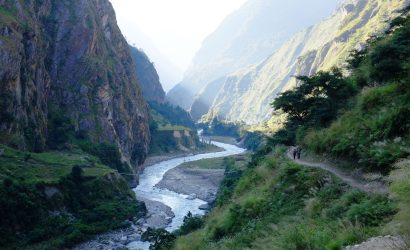
- The Budhi Gandaki gorge sections between Machha Khola and Jagat, especially in early morning light
- Mu Gompa framed against the upper valley’s more arid, Tibet-influenced landscape
- Rachen Gompa’s interior murals (with permission) and its exterior against the surrounding hills
- Chhokang Paro’s traditional architecture and prayer flag lines
- Always ask before photographing individuals, particularly monks, nuns, and elderly residents
Travel Tips
- Book restricted area permits well in advance — processing takes longer than standard national park permits and requires a minimum group of two
- Given the long daily walking hours on this itinerary, start each day as early as possible to avoid finishing in the dark
- Carry sufficient Nepali rupees in small denominations; card payment isn’t available once you leave Kathmandu
- Break in your boots well before departure; the combined trekking days are unforgiving on unconditioned feet
- Bring a small amount of extra cash for monastery donations, which are appreciated but not obligatory
FAQs about Tsum Valley Trek
1. What is the Tsum Valley Trek?
A trek through a restricted Tibetan Buddhist valley in the Manaslu region, reached via the Budhi Gandaki gorge, visiting monasteries including Mu Gompa and Rachen Gompa.
2. Why is Tsum Valley a restricted area?
It borders Tibet and was only opened to foreign trekkers in 2008; the restricted status limits visitor numbers and requires a special permit and minimum group size.
3. How difficult is the 11-day Tsum Valley Trek?
Rated challenging. It’s more demanding than our standard 16-day version because several walking days are combined into longer 8–9 hour stages with less built-in recovery time.
4. Is the 11-day version suitable for beginners?
Not ideally. This pace suits trekkers with solid multi-day hiking experience and consistent fitness; first-time Himalayan trekkers are generally better served by the standard 16-day itinerary.
5. What is the maximum altitude of this trek?
3,700m at Mu Gompa, the valley’s highest monastery.
6. How much does the 11-day Tsum Valley Trek cost?
This package is USD 1,250 per person, covering transport, accommodation, meals, permits, and guide/porter services.
7. What permits do I need?
A Restricted Area Permit for Tsum Valley, a Manaslu Conservation Area Permit (MCAP), and an Annapurna Conservation Area Permit (ACAP) for the overlapping trail section.
8. Can I trek Tsum Valley solo?
No. The restricted area permit requires a minimum of two trekkers and a licensed guide; independent solo trekking isn’t permitted.
9. What is the itinerary for this trek?
Eleven days from Kathmandu, combining several walking legs to reach Mu Gompa and Rachen Gompa faster than the standard itinerary — full day-by-day detail above.
10. What accommodation is available?
Simple tea houses and homestays, with more shared facilities and homestay-style nights than on busier circuits.
11. What meals are provided?
Full board tea house and homestay meals — dal bhat, noodles, soups, and simple breakfast items.
12. How is transportation arranged?
Private jeep or local bus from Kathmandu to Machha Khola, taking 7–8 hours depending on road conditions.
13. What is the best season for this trek?
Spring (March–May) and autumn (September–November), and especially important on this itinerary given the limited buffer for weather delays.
14. What weather should I expect?
Warm conditions in the lower gorge, cooling steadily toward Mu Gompa, with cold nights above Chhokang Paro even in the better seasons.
15. How should I prepare physically?
Build cardio fitness and leg strength over 8–10 weeks; this compressed itinerary demands more consistent daily stamina than the standard version.
16. What fitness level is required?
Ability to walk 6–9 hours on consecutive days without a rest day on the approach or return legs.
17. What cultural etiquette should I follow?
Walk clockwise around mani walls and chortens, remove shoes and hats in monastery interiors, ask before photographing monks or nuns, and dress modestly at religious sites.
18. What monasteries will I visit?
Mu Gompa and Rachen Gompa are the primary sites, alongside numerous smaller chortens and mani walls throughout the valley.
19. Who is this 11-day trek suitable for?
Time-limited but fit and experienced trekkers who want to reach Tsum Valley’s main sites without committing to a longer itinerary.
20. Why book this Tsum Valley Trek package with us?
We handle the restricted-area permit process (which requires more lead time than standard permits), arrange the required minimum-group logistics, and provide guides familiar with the valley’s specific cultural etiquette and this faster pace.
21. Is the 11-day Tsum Valley Trek safe?
Yes, when following standard trekking precautions, though the reduced buffer time means weather or road delays have less margin to absorb than on the 16-day version.
22. Do I need travel insurance for this trek?
Yes, covering trekking activity and emergency evacuation given the remoteness of the restricted area.
23. Can I upgrade to a slower itinerary if I change my mind?
Yes, we offer a 16-day version of this same route with additional acclimatization and monastery time — ask about switching before booking.
24. Is mobile network coverage available on the trail?
Coverage is patchy and generally limited to lower sections near Machha Khola and Jagat; expect little to no signal deeper into the valley.
25. What happens if the road to Machha Khola is affected by landslides?
One buffer day is built into this itinerary specifically to absorb road delays; given the compressed schedule, significant delays may require itinerary adjustments discussed with your guide.
Book Your Tsum Valley Trek Now!
Tsum Valley offers something genuinely rare in Nepal trekking: a living Buddhist culture that tourism hasn’t reshaped. If your schedule is tight, this 11-day itinerary gets you to Mu Gompa and Rachen Gompa at a faster pace — just come prepared for longer walking days.
Get in touch to check permit lead times, confirm your fitness level suits this pace, and lock in your dates.
Tsum Valley Trek Highlights
- Trek through a restricted area that only opened to foreign trekkers in 2008, keeping visitor numbers genuinely low
- Visit Mu Gompa (3,700m), the valley's highest and most remote monastery
- Visit Rachen Gompa, an active nunnery with resident Buddhist nuns
- Walk through Chhokang Paro and Nile, villages with distinct Tibetan-influenced architecture and dialect
- Follow the Budhi Gandaki gorge, one of the more dramatic river corridors in the Manaslu region
- Cover the full valley loop in 11 days for trekkers with limited time off
- A 16-day version of this trek is available for those who prefer a slower pace with additional acclimatization and monastery time