How Many Days Do You Need for the Annapurna Base Camp Trek?
The short answer is 7 to 12 days, depending on your fitness, available time, and how much you want to enjoy the experience rather than just reach the destination . Most trekkers choose a 10-day itinerary—and for good reason.
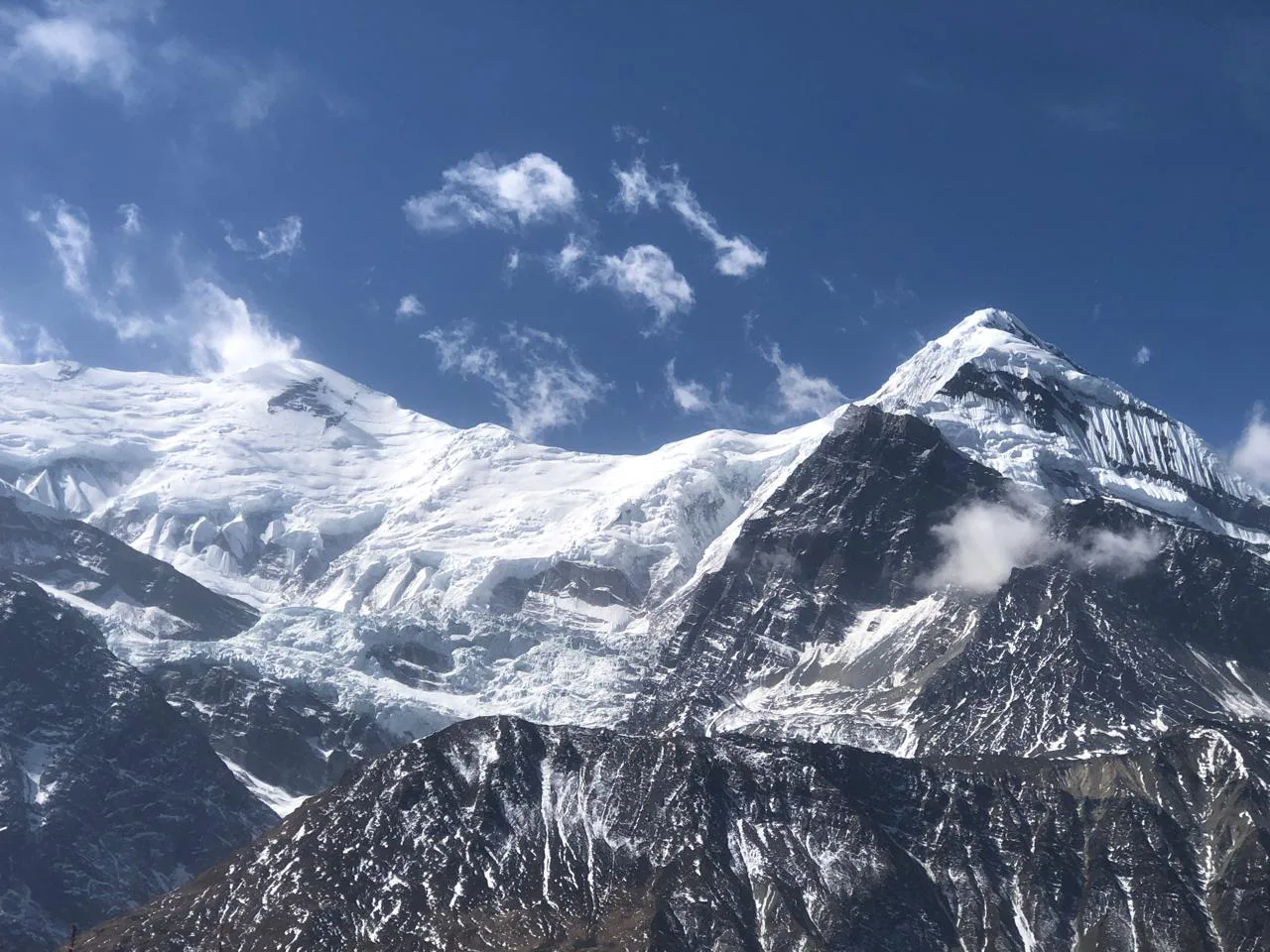
Annapurna Base Camp Trek Itinerary Options at a Glance
| Itinerary | Days | Best For | Acclimatization | AMS Risk |
|---|---|---|---|---|
| Short/Fast | 7 days | Fit trekkers with limited time | Minimal | ~12% |
| Standard/Classic | 10 days | Most international trekkers, first-timers | 2 rest days | ~4% |
| Relaxed | 12 days | Families, older trekkers, slower pace | Gradual | ~2% |
The 10-day itinerary is the most recommended for first-time Nepal trekkers because it offers the best balance between adventure, safety, and enjoyment . A 7-day itinerary is possible, but faster altitude gain increases the risk of Acute Mountain Sickness (AMS) significantly .
Recommended 10-Day Annapurna Base Camp Trek Itinerary
This is the most balanced Annapurna Base Camp trek itinerary for most international trekkers. It includes arrival, travel to Pokhara, steady trekking with proper acclimatization, base camp, descent, and return without feeling rushed .
Day-by-Day Breakdown
| Day | Route | Walking Time | Altitude Change | What Makes This Day Notable |
|---|---|---|---|---|
| 1 | Drive Kathmandu to Pokhara | 6–8 hrs drive | 1,400m → 820m | Long road journey; scenic views en route |
| 2 | Drive to trailhead, trek to Ghandruk | 5–6 hrs | 820m → 1,940m | First day on trail; gentle introduction |
| 3 | Trek to Chhomrong | 5–6 hrs | 1,940m → 2,170m | Descent to river then steep climb; gateway village |
| 4 | Trek to Bamboo | 5–6 hrs | 2,170m → 2,310m | Steep descent then ascent; first stair challenge |
| 5 | Trek to Deurali | 5–6 hrs | 2,310m → 3,230m | Forest gives way to alpine; altitude becomes noticeable |
| 6 | Trek to ABC via MBC | 5–6 hrs | 3,230m → 4,130m | Big day; reach the Sanctuary; sleep at altitude |
| 7 | Sunrise at ABC, descend to Bamboo | 6–7 hrs | 4,130m → 2,310m | Long descent; knees feel the strain |
| 8 | Trek to Jhinu Danda, hot springs | 5–6 hrs | 2,310m → 1,780m | Natural hot springs reward tired muscles |
| 9 | Drive to Pokhara | 3–4 hrs | 1,780m → 820m | Bumpy road; celebration dinner |
| 10 | Return to Kathmandu or depart | 6–8 hrs | 820m → 1,400m | Buffer day for flexibility |
Day-by-Day Detail
Day 1–2: Getting There
The journey begins with a long drive from Kathmandu to Pokhara or a 25-minute flight. The road journey takes 6–8 hours by tourist bus with a lunch stop . From Pokhara, it’s a 1.5-hour drive to Nayapul, the traditional trailhead.
Day 3: Ghandruk to Chhomrong
This is where the trek begins to feel serious. The trail descends steeply to the Kimrong Khola river before climbing back up to Chhomrong. The combination of descent and ascent makes this section more demanding than the distance suggests .
Day 5: Bamboo to Deurali
Altitude becomes a real factor. The air thins above 3,000m, your pace naturally slows, and small distances take longer than expected . Most trekkers feel something at this altitude—mild headache, slightly reduced appetite, or disrupted sleep .
Day 6: Deurali to ABC via MBC
The big day. You stop at Machhapuchhre Base Camp (3,700m) for tea or lunch, then continue to Annapurna Base Camp (4,130m). The final push is not extremely steep, but the altitude makes it feel harder . The view when you arrive—a 360-degree amphitheater of peaks including Annapurna I, Annapurna South, Hiunchuli, and Machhapuchhre—is genuinely overwhelming .
Day 7: Descent to Bamboo
After sunrise at ABC, you descend all the way to Bamboo. This is one of the longest days, covering approximately 13–15 km in 6–7 hours . Many trekkers report that their knees feel this day more than any other—descending stone stairs for hours is relentless .
Day 8: Jhinu Danda Hot Springs
After days of walking, soaking in natural geothermal hot springs on the banks of the Modi Khola is exactly what your body needs . Entry costs a small fee of $2–3 .
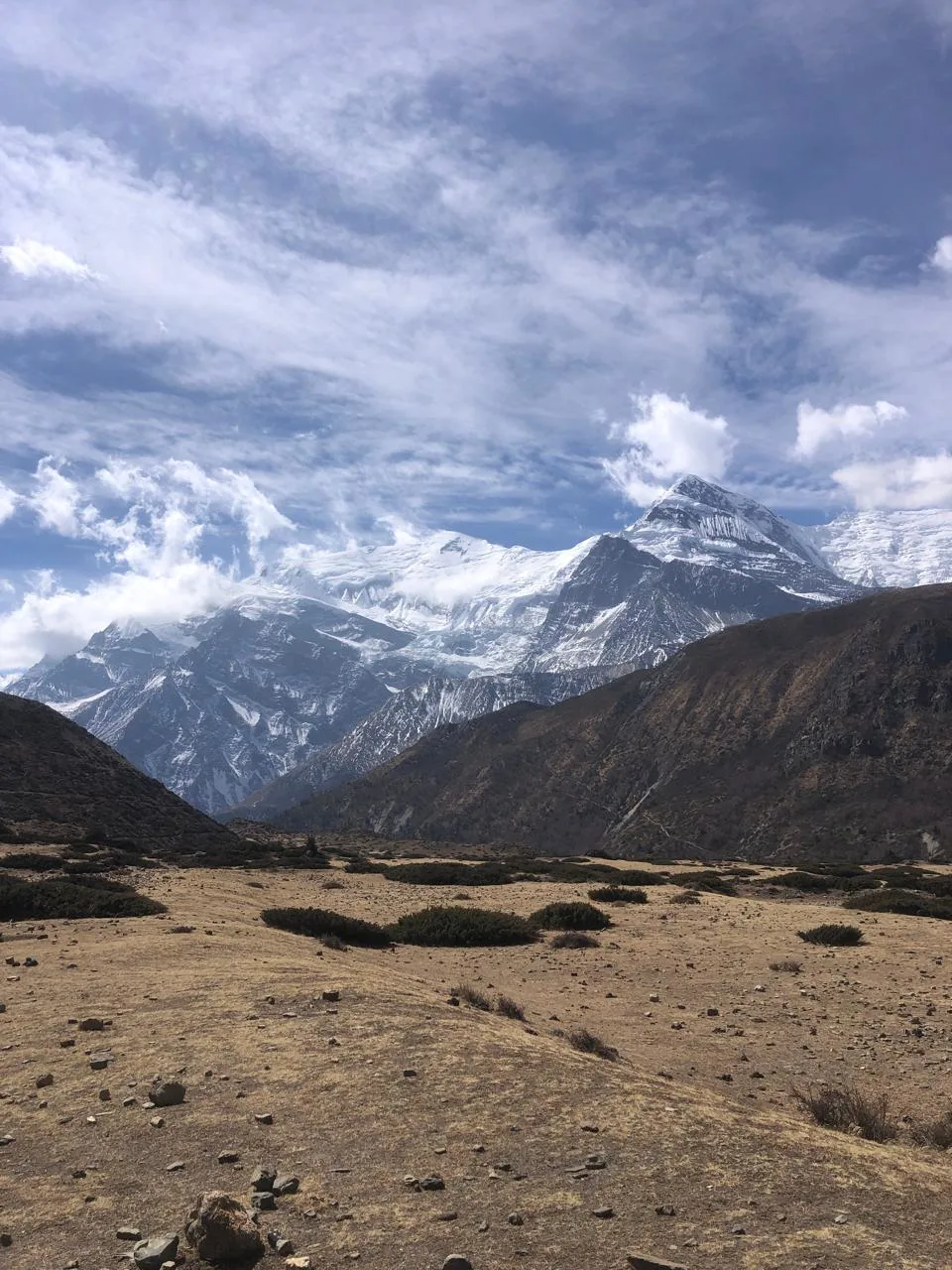
7-Day Annapurna Base Camp Trek Itinerary
The 7-day Annapurna Base Camp Trek itinerary is a faster version, usually starting from Pokhara. It is suitable for fit trekkers who can handle longer walking days and quicker altitude gain .
Overview
| Day | Route | Walking Time |
|---|---|---|
| 1 | Drive to trailhead, trek to Chhomrong/Sinuwa | 5–7 hrs |
| 2 | Trek to Bamboo/Dovan | 5–6 hrs |
| 3 | Trek to Deurali | 5–6 hrs |
| 4 | Trek to ABC via MBC | 5–6 hrs |
| 5 | Sunrise at ABC, descend to Bamboo | 6–7 hrs |
| 6 | Trek to Jhinu Danda, drive to Pokhara | 5–6 hrs |
| 7 | Return to Kathmandu or depart | — |
Who Should Choose This
-
You have limited holiday time
-
You are already fit and used to long walking days
-
You can walk 6–8 hours per day comfortably
-
You do not mind a faster ascent and descent
The Trade-Off
The 7-day itinerary gains 3,000m in 5 days with no rest days, raising AMS risk to roughly 1 in 8 trekkers . This route is not ideal for trekkers who want a slow pace, extra acclimatisation time, or more cultural stops .
12-Day Relaxed Annapurna Base Camp Trek Itinerary
A 12-day itinerary is better for trekkers who want a slower pace, more comfort, and extra time for weather or recovery .
Who Should Choose This
-
You prefer shorter walking days
-
You want more flexibility for weather delays
-
You like a slower travel rhythm
-
You want more village experience
-
You are less comfortable with fast altitude gain
-
Families, older trekkers, or anyone who does not want to feel rushed
The 12-day itinerary adds a 4-day graded approach above 3,000m, lowering AMS risk to roughly 1 in 50 .
Annapurna Base Camp Trek Itinerary with Poon Hill
The Ghorepani Poon Hill route adds 2–3 days to the main trek and offers one of the most famous viewpoints in the Annapurna region .
What Changes
Instead of heading directly from Ghandruk toward Chhomrong, the trail goes through Ghorepani and Poon Hill (3,210m) before descending to Tadapani and joining the main route at Chhomrong.
| Day | Route | Walking Time |
|---|---|---|
| 1 | Drive to Nayapul, trek to Tikhedhunga | 2–3 hrs |
| 2 | Trek to Ghorepani | 5–6 hrs |
| 3 | Poon Hill sunrise, trek to Tadapani | 5–6 hrs |
| 4 | Trek to Chhomrong | 4–5 hrs |
Who Should Choose the Poon Hill Route
-
You want sunrise views over Annapurna and Dhaulagiri ranges
-
You want more village culture and scenic variety
-
You have extra days in your schedule
-
You want a more gradual approach before joining the ABC trail
The Poon Hill detour is a popular addition, with many consider it one of the most scenic approaches to the ABC trail.
What Makes the Annapurna Base Camp Trek Feel Harder Than Its Distance Suggests
Understanding the Annapurna Base Camp trek itinerary difficulty is essential before you commit. Distance alone doesn’t tell the story .
The Stair Effect
The stone stair sections are relentless. The stretch between Chhomrong and Bamboo is a classic example—you descend sharply, then climb again . The famous section from Tikhedhunga to Ulleri includes roughly 3,500 steps . Many sections involve constant up-and-down stone steps, meaning a single trekking day may include 600–1,000m of ascent and the same amount of descent. Even a 10–12km day feels closer to a 20km flat hike .
Altitude Slows Everything
Once you pass Deurali (3,230m), the air becomes thinner. Breathing becomes faster even at normal walking speed. You start to take more short breaks, and small distances take much longer than expected . The final ascent from Machhapuchhre Base Camp to ABC—about 7–8 km—feels slower than any previous section .
The Return Descent
Most trekkers focus on the climb, but the walk back from ABC to Chhomrong is where knees often protest. Budget energy for the return leg, and don’t plan a same-day Pokhara transfer on your final trekking day if avoidable .
Altitude and Acclimatization in the ABC Itinerary
Altitude Progression
| Location | Altitude | Cumulative Gain |
|---|---|---|
| Pokhara | 820m | Start |
| Ghandruk | 1,940m | +1,120m |
| Chhomrong | 2,170m | +1,350m |
| Bamboo | 2,310m | +1,490m |
| Deurali | 3,230m | +2,410m |
| MBC | 3,700m | +2,880m |
| ABC | 4,130m | +3,310m |
The Golden Rule of Altitude
Never ascend with AMS symptoms. If symptoms appear, rest at the same altitude for 24 hours. If symptoms worsen, descend immediately .
Why Itinerary Length Matters
A 10-day itinerary naturally incorporates the “climb high, sleep low” principle . The 7-day itinerary lacks sufficient acclimatization, which is why AMS risk is three times higher .
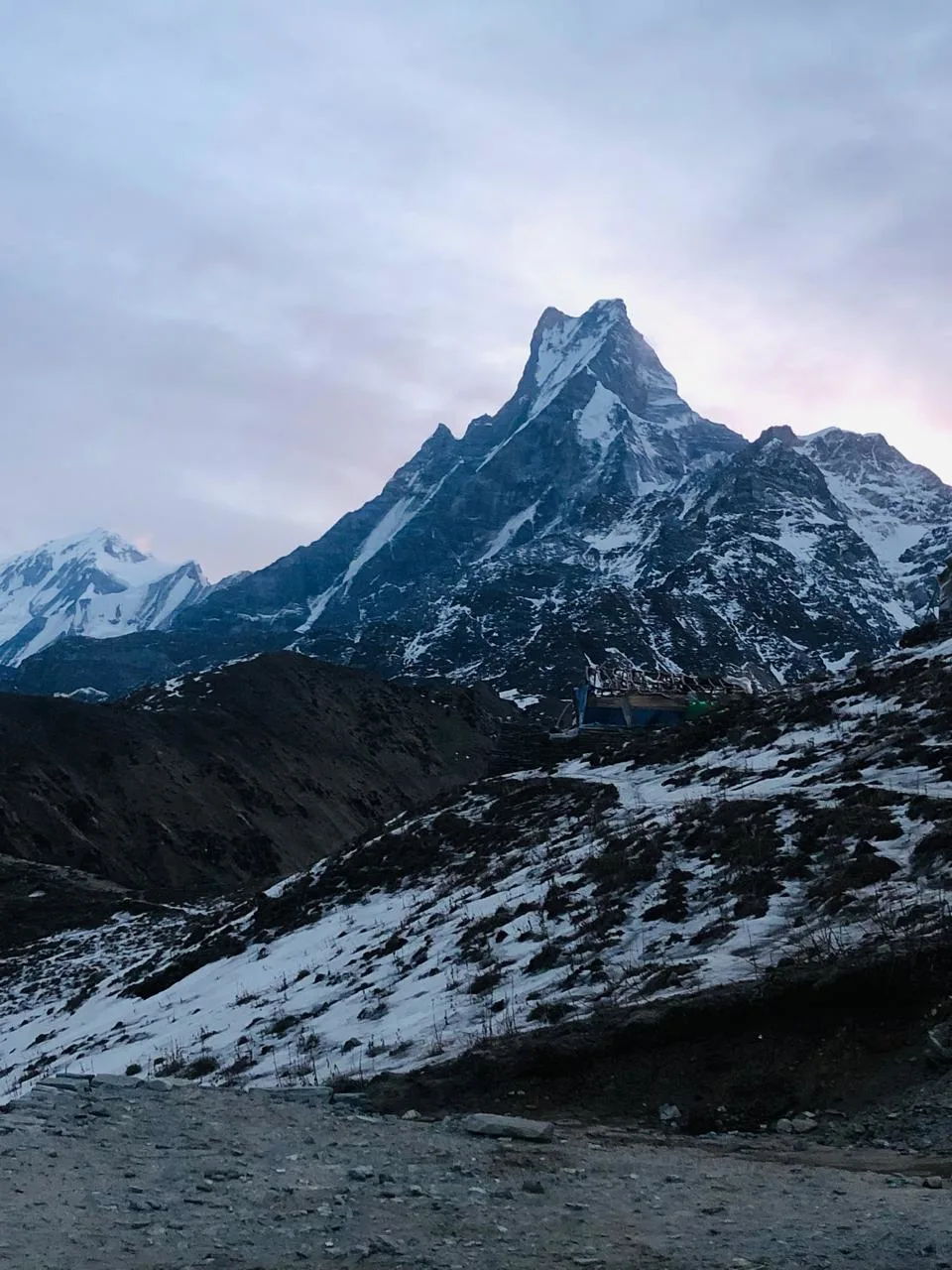
Best Time for the Annapurna Base Camp Trek
Your Annapurna Base Camp trek itinerary will be significantly affected by the season you choose.
Autumn (October–November): Best Overall
-
Clearest mountain views of the year
-
Stable weather, dry trails
-
Peak crowds, book ahead
Spring (March–May): Rhododendrons
-
Rhododendron forests in full bloom
-
Warmer days, clear mornings
-
Afternoon clouds possible in May
Winter (December–February): Possible but Challenging
-
Night temperatures at ABC drop to -15°C
-
Snow above 3,000m likely
-
For experienced trekkers only
Monsoon (June–September): Avoid for Beginners
-
Heavy rainfall, leeches, landslides
-
Obscured mountain views
-
Not recommended for first-timers
For a first trek, aim for October or the last two weeks of March through April. Both offer stable weather and good visibility .
Annapurna Base Camp Trek Permits for 2026
1. ACAP Permit — Required
Cost: NPR 3,000 (~$30 USD) for foreign nationals; NPR 1,000 for SAARC nationals.
Where to obtain: Nepal Tourism Board offices in Kathmandu or Pokhara, or through a registered trekking agency .
Validity: Single entry only. Non-transferable and non-refundable.
2. TIMS Card — Suspended for 2026
The TIMS (Trekkers’ Information Management System) card is currently suspended until further notice as of 2026 . Some sources indicate it is optional these days , but most confirm the suspension covers all Nepal trekking routes.
Guide Requirement
Since April 2023, foreign nationals are required to trek with a licensed guide on all standard trekking routes—including the Annapurna Base Camp trek. This is mandatory, not optional .
Permit Checkpoints
ACAP checkpoints are positioned at Birethanti and Chhomrong, with occasional spot checks above Chhomrong. Carry your original passport in your daypack—not in the porter’s duffel .
Annapurna Base Camp Trek Cost
Package Costs (2026 Estimates)
| Package Type | Price Range | Typical Inclusions |
|---|---|---|
| Budget group trek | $700–$1,100 | Guide, permits, basic teahouse accommodation, shared transport |
| Mid-range guided | $1,100–$1,700 | Experienced guide, individual porter, better teahouses, private transport |
| Premium guided | $1,800–$3,200+ | Private guide, personal porter, upgraded lodges, 4-star hotels |
Hidden Costs
| Item | Cost | Notes |
|---|---|---|
| Tips | 10–15% of package cost | Expected for guide and porter |
| Wi-Fi | NPR 100–300 per session | Available in most teahouses, basic and limited |
| Phone charging | NPR 200–500 per device | Higher at altitude, outlets fill quickly |
| Hot shower | NPR 100–600+ | Often unavailable above Deurali |
| Bottled water | $1–2 per liter | Gets more expensive at altitude |
| Extra meals/snacks | $15–28/day | Depending on appetite |
Budget at least $100–200 beyond your package price for tips, extras, and emergencies.
Choosing the Right Annapurna Base Camp Trek Itinerary
Decision Framework
| Your Situation | Recommended Itinerary |
|---|---|
| Limited time, good fitness | 7 days |
| First Himalayan trek, 10 days available | 10 days (standard) |
| Want a relaxed pace, have extra time | 12 days |
| Want Poon Hill sunrise views | 10+ days with Poon Hill detour |
| Family or older trekkers | 10–12 days |
| Experienced trekkers wanting a challenge | 7 days |
Common ABC Itinerary Mistakes
-
Choosing the shortest itinerary automatically. Faster pace = higher AMS risk and less enjoyment.
-
Ignoring altitude. Physical fitness does not predict susceptibility to AMS.
-
Not allowing flexibility. Weather can stop the trek; allow buffer days .
-
Underestimating stairs. The stone stair sections are relentless .
-
Booking flights immediately after the trek. You will be tired; allow a day in Pokhara.
-
Comparing companies only by price. Safety and local knowledge matter .
Accommodation and Food Along the Route
Teahouses by Altitude
| Elevation | Accommodation Type |
|---|---|
| Below 2,500m | Reasonably comfortable, attached bathrooms available |
| 2,500–3,230m | Simpler rooms, shared bathrooms, unreliable hot water |
| Above 3,700m | Basic shelters, shared toilets, no heating |
Hot showers are available for a small extra charge in most teahouses, but cost more at higher elevations . Above Chhomrong, hot water is often lukewarm or unavailable.
Food
Teahouses serve standardized meals:
-
Breakfast: Oatmeal, eggs, toast, pancakes, Tibetan bread
-
Lunch/Dinner: Dal bhat (rice and lentils—free refills at most teahouses), noodles, pasta, fried rice, momos
Dal bhat is the most reliable and best-value meal on the trail .
Drinking Water
-
Bottled water available along the trail, costing about $1–2 per liter
-
Most teahouses provide water for refilling; use purification tablets or a filter
-
Boiled water can be purchased from lodges at higher elevations
Internet and Electricity
-
Wi-Fi is available in most teahouses but limited—about NPR 100–300 per session
-
Nepal Telecom (NTC) has the best mobile coverage along the ABC trek, even at higher elevations like Deurali and ABC. NCELL works well in lower elevations but is inconsistent above 3,000m
-
Electricity is available but limited at higher altitudes—bring a power bank
Do You Need a Guide or Porter?
Guide
Since April 2023, a licensed guide is mandatory for foreign trekkers. Beyond the legal requirement, a good guide:
-
Monitors you for altitude sickness symptoms
-
Sets and enforces a pace that protects acclimatization
-
Communicates with teahouse owners to secure rooms
-
Makes fast decisions if weather changes or health issues arise
-
Provides cultural context
Porter
A porter carries your main bag (weight limit 15kg), leaving you to carry only a daypack. Most trekkers report that a porter significantly improves the experience, especially on the stair-heavy middle sections . Many agencies assign one porter for every two trekkers .
Why Choose Merriment Treks for the Annapurna Base Camp Trek?
If you’re considering booking with a company for your Annapurna Base Camp trek, Merriment Treks offers local knowledge, personalized itineraries, and responsible planning.
What makes them different:
-
Local expertise. Their guides come from the region and know the trail intimately—the best teahouses, the safest routes, and the most rewarding side trips.
-
Realistic itineraries. They design schedules with genuine acclimatization, not the fastest possible time to ABC.
-
Transparent pricing. No hidden fees, clear inclusions, and honest guidance on extra costs.
-
Safety-first culture. Guides are trained in AMS recognition and carry oximeters to monitor vital signs at altitude.
-
Personalized planning. Custom itineraries for trekkers with specific needs, timelines, or fitness levels.
Merriment Treks focuses on quality experiences for trekkers who want genuine connection to the mountains and the culture.
Frequently Asked Questions about Annapurna Base Camp Trek Itinerary
1. How many days is enough for the Annapurna Base Camp trek?
7–12 days. The 10-day itinerary is most recommended for first-timers and offers the best balance of safety, acclimatization, and enjoyment .
2. Is 7 days enough for Annapurna Base Camp?
Yes, if you are fit and have limited time. However, faster altitude gain increases AMS risk—about 1 in 8 trekkers on a 7-day itinerary experience symptoms .
3. Is a guide required for the Annapurna Base Camp trek?
Yes. Since April 2023, foreign nationals are required to trek with a licensed guide on all standard trekking routes, including the ABC trek .
4. Can beginners complete the Annapurna Base Camp trek?
Yes, with adequate preparation. The ABC trek requires no technical skills, rope work, or prior high-altitude experience. Good fitness and a realistic itinerary are the main requirements .
5. What is the hardest day on the Annapurna Base Camp trek?
The descent from ABC to Bamboo (Day 7 on the 10-day itinerary) is often cited as the hardest due to its length and the strain on knees .
6. What is the highest altitude on the Annapurna Base Camp trek?
4,130m (13,550 ft) at Annapurna Base Camp .
7. Do I need a porter for the Annapurna Base Camp trek?
Not mandatory, but recommended—especially for first-timers. Carrying a 10–12kg pack up stone staircases compounds knee fatigue significantly .
8. Can I add Poon Hill to the Annapurna Base Camp trek?
Yes. Adding Poon Hill extends the trek by 2–3 days and offers one of the most famous sunrise viewpoints in the Annapurna region .
9. What permits do I need for the Annapurna Base Camp trek in 2026?
You need the ACAP permit (NPR 3,000 / ~$30 USD). The TIMS card is currently suspended for 2026 .
10. How much does the Annapurna Base Camp trek cost?
Package costs range from $700–1,100 for budget group treks to $1,800–3,200+ for premium private treks. Budget an extra $100–200 for tips and extras .
11. Can I trek Annapurna Base Camp in winter?
Possible for experienced trekkers with proper winter gear. Nighttime temperatures at ABC drop to -15°C. Not recommended for first-timers .
12. Is there Wi-Fi on the Annapurna Base Camp trek?
Wi-Fi is available in most teahouses but is basic and limited, costing about NPR 100–300 per session . Above Deurali, connection is slow and unreliable.
13. What food is available on the Annapurna Base Camp trek?
Dal bhat (rice and lentils) is the most common meal, with free refills. Other options include noodles, pasta, fried rice, momos, and breakfast items. Vegetarian options are available .
14. How much luggage can a porter carry?
The standard porter weight limit is 15kg. Every gram matters on long days .
15. Can I do the Annapurna Base Camp trek in 5 days?
Extremely challenging and not recommended. The 7-day itinerary is the fastest sensible option—and even that carries significantly higher AMS risk .