Introduction on Easy Treks in Nepal
If you want the Himalayas without a punishing climb, the best easy treks in Nepal give you mountain views, village life and comfortable lodges in three to seven days, at altitudes most healthy walkers handle well. The catch is that “easy” is a loose word. Some routes called easy climb past 3,000 metres, and every Himalayan trek has stairs, weather and sore legs. This guide defines what easy really means, compares the most popular beginner routes honestly and helps you pick one that fits your time, fitness and nerves.
What “Easy” Really Means for Trekking in Nepal
Nobody measures trek difficulty with a single scale, so operators use their own labels. The same route can be called easy by one company and moderate by another. That is why it helps to judge a trek by the factors that actually decide how it feels.
- Altitude. This matters most. Medical guidance notes that unacclimatised people can develop altitude illness when sleeping at about 2,450 metres or higher, and the risk grows as you go higher and faster. Treks that stay below that height carry little altitude risk.
- Walking time. Easy routes usually mean four to six hours of walking a day, with time to stop for tea.
- Total length. A three- to five-day trek is far less tiring than a two-week circuit.
- Terrain. Stone steps, village paths and forest trails are easier than scree, snow or glacier.
- Comfort and access. Frequent lodges, easy transport from Kathmandu or Pokhara and no flights to mountain airstrips all reduce stress.
An easy trek, then, is low, short and well supported. It is not effortless. Nepali trails are steep, and a day with 1,000 metres of stairs will still test untrained legs. Think of easy as “achievable for a reasonably healthy beginner with some preparation”, not “no effort required”.
Easy Treks in Nepal at a Glance
This table compares the routes covered below. Altitudes and durations vary a little between operators, so treat them as typical figures.
| Trek | Region | Typical length | Highest point | Notes |
|---|---|---|---|---|
| Ghandruk Village Trek | Annapurna | 3 to 4 days | About 2,012 m | Gentlest option; low altitude |
| Ghorepani Poon Hill | Annapurna | 4 to 6 days | 3,210 m | Most popular beginner trek |
| Chisapani to Nagarkot | Kathmandu Valley | 2 to 3 days | About 2,175 m | Very close to Kathmandu |
| Nagarkot to Dhulikhel | Kathmandu Valley | 1 to 5 days | Low | Flexible length |
| Helambu Trek | Near Kathmandu | 5 to 7 days | About 3,500 m (sources vary) | Easy to moderate |
| Royal Trek | Annapurna foothills | 7 to 12 days | Low | Gentle and quiet |
Notice how few of these are in the high Himalaya. Easy trekking in Nepal is mostly a story of hills, ridges and villages, with the big white peaks as a backdrop rather than a destination.
Ghorepani Poon Hill Trek: The Classic Beginner Route
If one trek defines beginner trekking in Nepal, it is Ghorepani Poon Hill. It sits in the Annapurna region, starts a short drive from Pokhara and tops out at the Poon Hill viewpoint at 3,210 metres. Depending on the itinerary it takes four to six days.
The trail climbs through terraced fields, Gurung villages and rhododendron forest to Ghorepani. The reward is a sunrise over the Annapurna and Dhaulagiri ranges from the hilltop, a view that justifies the early start. Many versions of the trek also include Ghandruk on the way down.
Difficulty is described differently by different operators, from easy to easy-moderate to moderate. The honest reading is that the walking days of about four to seven hours are manageable for a reasonably fit beginner, but the long stone staircases and the 3,210-metre summit mean you should not treat it as a stroll. Because Poon Hill is just above the height where some people start to feel altitude, climb at a steady pace and drink water.
Why it works for first-timers
- Short duration and straightforward trail.
- Lodges in every village, so you never carry camping gear.
- Views of major peaks without extreme altitude.
- Easy access from Pokhara.
Ghandruk Village Trek: The Gentlest Option
Ghandruk is a large Gurung village with stone-paved lanes, comfortable lodges and views of Annapurna South and Fishtail. The village sits at roughly 2,000 metres, so altitude is not a worry, and short treks here usually last three to four days. It is a good choice for families, older walkers or anyone who wants mountain scenery with the least possible strain.
Because the village is below the altitude where most people notice effects, you can focus on the walking and the culture instead of symptoms. You can also combine Ghandruk with Ghorepani for a slightly longer circuit if you want a view from Poon Hill.
If you are weighing up the budget, our guide to Ghandruk trek cost, permits, transport, food and lodging breaks down what you are likely to spend.
Helambu Trek: Close to Kathmandu
The Helambu trek starts about a one-hour drive from Kathmandu and moves through forest, Sherpa and Tamang villages and rhododendron ridges. It is among the most accessible short treks in Nepal, which makes it attractive if you do not want to spend days on buses.
Typical lengths run from five to seven days. The highest point is often given as roughly 3,500 metres, though sources quote slightly different figures, so ask your operator for the exact plan. That altitude means you should still pace yourself and sleep low where possible. Many operators describe it as easy, others as easy to moderate.
Permit requirements for Helambu vary by route and operator, with some guidance mentioning a national park permit and TIMS, so ask your agency exactly what you need before you book.
Chisapani, Nagarkot and Dhulikhel: Trekking From Kathmandu
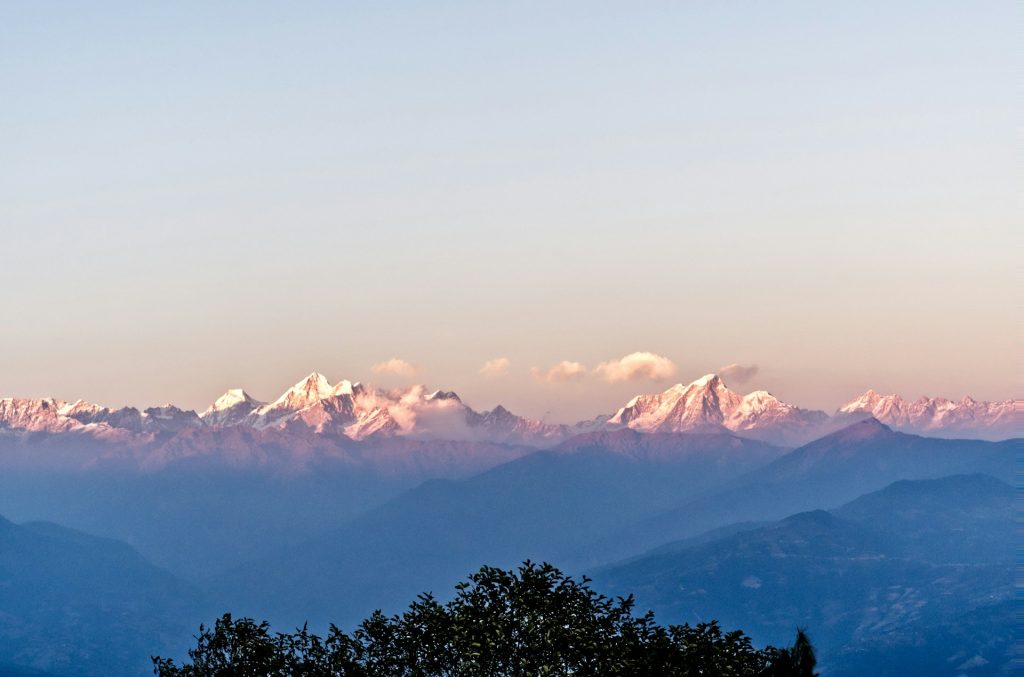
If you only have two or three days, the Kathmandu Valley rim offers the easiest entry point. The Chisapani to Nagarkot route is commonly listed as a two- to three-day walk with a high point around 2,175 metres, and it gives you sunrise views on clear days without needing a flight or long drive.
Nagarkot to Dhulikhel is a flexible route that can be one day or stretched to several, passing villages and viewpoints on gentle terrain. These routes are low enough that altitude is not a concern, though clear mountain views depend on weather and season.
Our guide to Nagarkot short hiking and the best day hikes near Kathmandu explains routes, timings and what to expect.
The Royal Trek and Other Low Foothill Routes
The Royal Trek is a quiet foothill route north of Pokhara. It is usually described as gentle, taking about 7 days if you move quickly and 10 to 12 days at a relaxed pace. It suits people who want village life, terraced fields and long, easy days instead of a mountain viewpoint.
Other short routes, such as Panchase or Mohare Danda, appear in operator lists as three- to five-day easy options, and they can be good for people who want something quieter than Poon Hill. Quality and itinerary vary by operator, so compare carefully.
What You Will Actually See
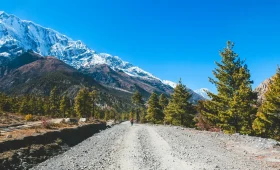
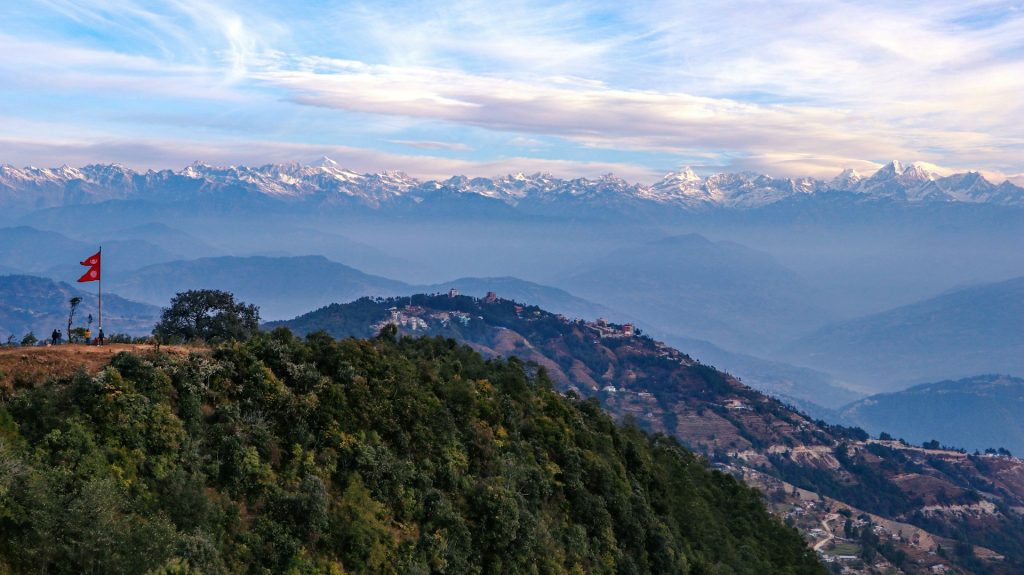
Beginner routes are less about summits and more about the landscape between them. On the Annapurna side, expect terraced hillsides, stone villages and rhododendron forest, with views of Annapurna South, Fishtail and the Dhaulagiri range on clear mornings. Ghandruk adds Gurung culture, with traditional houses and a village that has long welcomed visitors.
Near Kathmandu, Helambu offers Sherpa and Tamang villages, forested ridges and views toward the Langtang peaks, while the valley rim gives sunrise views over distant ranges. Each route has its own character, so choose the scenery you care about most: forest and flowers, village culture or a classic mountain sunrise.
Is Mardi Himal Beginner-Friendly?
Mardi Himal often appears on beginner lists, and some writers call the route straightforward. It is a beautiful ridge trek, but it climbs much higher than Poon Hill and spends several nights at altitude, so it is a step up in difficulty. Many operators rate it moderate.
If you are weighing it, read our honest guide to how difficult the Mardi Himal trek is before you commit. A sensible plan for a true beginner is to try a lower trek first and move up to Mardi Himal on a later trip.
How Easy Treks Compare With Harder Routes
It helps to see where beginner routes sit on the wider map. The famous multi-week treks, such as Everest Base Camp or the Annapurna Circuit, involve more days, higher sleeping altitudes, colder nights and often flights or long drives to remote starting points. They are achievable for fit, well-prepared walkers, but they ask for acclimatisation days and more resilience.
Easy routes trade the headline summit for access. You still get mountain scenery, Sherpa, Gurung and Tamang villages and the daily rhythm of teahouse life, but with shorter days and far less altitude. For many people, that is the better first step, and plenty of trekkers return for a bigger route after discovering that they enjoy it.
A Typical Poon Hill Itinerary, Day by Day
Itineraries vary by operator, but a common version of the Ghorepani Poon Hill trek looks like this. Treat the times and altitudes as approximate, and ask your agency for its exact plan.
| Day | Route | What to expect |
|---|---|---|
| 1 | Kathmandu to Pokhara | Tourist bus or flight; rest and prepare |
| 2 | Drive to Nayapul and trek to Tikhedhunga | Easy first day through villages |
| 3 | Tikhedhunga to Ghorepani (about 2,860 m) | The hardest day: long stone staircases, roughly 6 to 7 hours |
| 4 | Poon Hill sunrise, then to Ghandruk (about 1,940 m) | Early start for the view, then a long descent of 7 to 8 hours |
| 5 | Ghandruk to Nayapul, drive to Pokhara | About 4 to 5 hours of walking and a short drive |
The pattern is typical: one demanding day of climbing, one early morning for the view and then a gentle finish. If that third day sounds like too much, ask for a version that splits the climb with an extra night, or choose Ghandruk alone.
How to Choose the Right Trek for You
The best of the easy treks in Nepal is the one that matches your time, fitness and goals. Use these questions.
- How many days do you have? With two or three days, choose the Kathmandu Valley rim. With four to six, choose Ghandruk or Ghorepani Poon Hill. With a week or more, consider Helambu or the Royal Trek.
- How comfortable are you with altitude? If you have never slept above 2,500 metres, start with Ghandruk or a low valley route.
- Do you want big mountain views? Poon Hill and Nagarkot give you sunrise panoramas, while the Royal Trek is more about landscape and villages.
- Who is travelling? Families and older trekkers do best on the lowest routes.
If you want a wider comparison of short routes, our overview of Nepal short treks and the best routes covers more options by length and difficulty.
Easy Treks for Families and Older Trekkers
Low, short routes suit mixed groups well, because everyone can walk at their own pace and the lodges are comfortable. Ghandruk is often recommended for families and older walkers, thanks to stone-paved paths and good accommodation.
A few choices make a family trek smoother. Pick the lowest route you can, keep daily walking to a few hours and build in a spare day for weather or tired legs. Ask your operator about porters for children’s bags, suitable food and a guide used to slower groups. Children on a trek need more breaks, more snacks and more warm layers than adults expect, and the trek works best when the goal is enjoying the journey, not reaching a viewpoint on schedule.
Older trekkers should discuss any heart, lung or joint conditions with a doctor before booking. Trekking poles, a good pair of boots and a slow, steady rhythm help, and a guide can adjust the schedule if energy dips.
Altitude Basics for Beginners
Altitude is the main factor that makes a trek harder than it looks. The body needs time to adjust to thinner air, and most altitude illness comes from climbing too fast. Medical guidance recommends that once you are above about 3,000 metres you increase your sleeping altitude by no more than around 500 metres a day, with extra rest days as you go higher. You can read the details in the CDC Yellow Book chapter on altitude illness.
Most easy routes stay low enough that this rarely becomes an issue, but Poon Hill and Helambu both reach heights where you should still be sensible. Walk slowly, drink water, sleep as low as the itinerary allows and tell your guide about headaches, nausea or dizziness. Never climb higher to sleep with worsening symptoms.
Best Time for Easy Treks
Spring (March to May) and autumn (about late September to November) are the most popular seasons, with clearer skies and more stable weather. Many operators list the same months as best for Poon Hill and Helambu.
Low-altitude routes can be walked in winter, when it is quieter, though nights are chilly and views may be hit or miss. The monsoon brings rain, leeches on low trails and landslide risk, so most beginners avoid it. If you are travelling in a shoulder month, choose the lowest route and keep an eye on weather forecasts.
Weather, Views and Realistic Expectations
The mountains do not appear on demand. Clouds often build by mid-morning, which is why sunrise viewpoints such as Poon Hill and Nagarkot are walked in the dark. Clear days in the main seasons are common, but a cloudy morning can still happen, and the better mindset is to enjoy the forest, villages and people if the peaks hide.
Weather also changes how a route feels. Rain turns stone steps slick, and cold mornings make early starts harder, so pack a rain jacket and warm layers even for a short trek. If a forecast looks poor, ask your guide about a shorter day or a rest day before pushing on, and build a spare day into your wider travel plans.
Permits and Guide Rules
Permit requirements depend on where you trek.
- Annapurna region (Ghandruk, Poon Hill). You need an Annapurna Conservation Area Permit, which is NPR 3,000 for foreign nationals. Many sources also list a TIMS card at around NPR 2,000, though guidance on TIMS has changed over time, so confirm with your agency.
- Helambu and Langtang area. Sources mention a Langtang National Park permit at NPR 3,000 for some routes, plus TIMS and, near Kathmandu, a Shivapuri entry permit. Ask your operator for the exact list.
- Kathmandu Valley rim. Entry fees may apply for protected areas on the way. Check locally.
The Nepal Tourism Board explains TIMS on its TIMS card page. Fees and rules change, so verify them before you travel.
Do you need a guide?
The UK government’s current advice says foreign independent trekkers must use a local guide or porter in Nepal’s national parks and protected areas, and it warns against trekking alone. You can read its advice on the UK government Nepal safety and security page. Other sources describe different enforcement, so confirm the current position with a registered agency. For a first trek, a guide is worth having in any case, because they handle logistics, pacing and any problems on the trail. Our guide to trekking permits in Nepal covers fees and guide rules in more detail.
What Do Easy Treks Cost?
Costs depend on length, region, group size and whether you go independent or with an operator. The main elements are the same on every route.
- Transport. Buses or private vehicles to the trailhead, such as Kathmandu to Pokhara and then to the start of the trek.
- Permits. NPR 3,000 for the main conservation area or national park permit, plus TIMS or other fees where they apply.
- Guide and porter. Daily rates for guides and porters, which are usually the largest controllable cost.
- Lodging and food. Simple teahouse rooms are cheap, and meals cost more as you climb. Hot showers, charging and wifi often cost extra.
- Insurance and gear. Travel insurance that covers trekking, and any equipment you need to rent or buy.
For a rough sense of scale, operator listings for three- to five-day easy treks often start at a few hundred US dollars per person, for example around US$200 to US$350 for short routes, but inclusions and standards differ a lot. Compare what is actually included, not only the headline price.
Small costs that add up
Budget guides point out that small extras can surprise beginners: hot showers, bottled water, wifi and phone charging are usually paid items on the trail, and prices rise with altitude and remoteness. A tourist bus between Kathmandu and Pokhara is a modest cost compared with the trek itself, though fares change. Carry spare rupees in small notes, bring a water bottle with purification tablets instead of buying bottled water, and ask your operator which of these extras are already included.
Accommodation and Food on the Trail
You will sleep in teahouses, simple family-run lodges with basic rooms, shared or attached bathrooms depending on the village and a warm dining room. Rooms on lower routes are generally more comfortable than on high Himalayan treks, and some lodges in popular villages offer attached bathrooms.
The staple meal is dal bhat, a plate of rice, lentils and vegetables, often with refills. Menus also include noodles, soups, eggs and pasta. Carry some cash in rupees, because card payments and ATMs are not reliable on the trail, and expect hot showers, charging and wifi to be extra.
A Day on an Easy Trek
A typical day starts around sunrise with tea and breakfast in the lodge, then four to six hours of walking with a stop for lunch in a village. You usually arrive at the next lodge by mid-afternoon, which leaves time to rest, wash, read or wander.
Evenings are social. Trekkers, guides and porters gather in the dining room, where the stove is the only heat and dinner is ordered early. Lights go out early, because the next day starts early too. That rhythm, with short days and plenty of rest, is a big part of what makes these treks feel easy.
Packing for an Easy Trek
You do not need expedition gear for a low trek, but good footwear and layers matter. Pack broken-in trekking shoes or light boots, quick-drying clothes, a warm layer for mornings and evenings, a rain jacket, a hat, sunscreen and sunglasses, a headlamp and a small first-aid kit with blister care.
Bring a refillable water bottle and purification tablets, and trekking poles if your knees dislike long descents. Pack light, since your porter or you will carry the bag. For a detailed checklist, our Annapurna Base Camp packing list is a useful starting point and can be trimmed for a shorter trek.
Respecting Local Culture on the Trail
Trekking routes pass through working villages, so a few courtesies go a long way. Greet people with a smile and “namaste”, ask before photographing people or homes, and dress modestly in villages and near religious sites. Walk to the left of mani walls and chortens, and step aside for yaks, mules and porters on the uphill side.
Carry out what you carry in, avoid plastic bottles where you can and refill from filtered water. Pay guides and porters fairly, and choose operators who give their staff proper clothing and insurance.
Safety, Insurance and Emergencies
Easy treks carry less risk than high-altitude routes, but weather, slippery steps, rockfall and landslides still happen. Check forecasts, follow your guide’s advice and turn back if conditions look wrong.
The UK government advises making sure your insurance covers mountain rescue and helicopter costs, and notes that mobile coverage can be limited in remote areas. It also warns about isolated cases of guides rushing inexperienced trekkers to high altitude and then calling in expensive evacuations, and it advises caution with trekking deals that look very cheap. For beginners, that is a good reason to book with a registered agency and to speak up if the pace feels too fast.
Save the emergency numbers before you go: police 100, tourist police 1144, fire 101 and ambulance 102.
How to Prepare Your Body
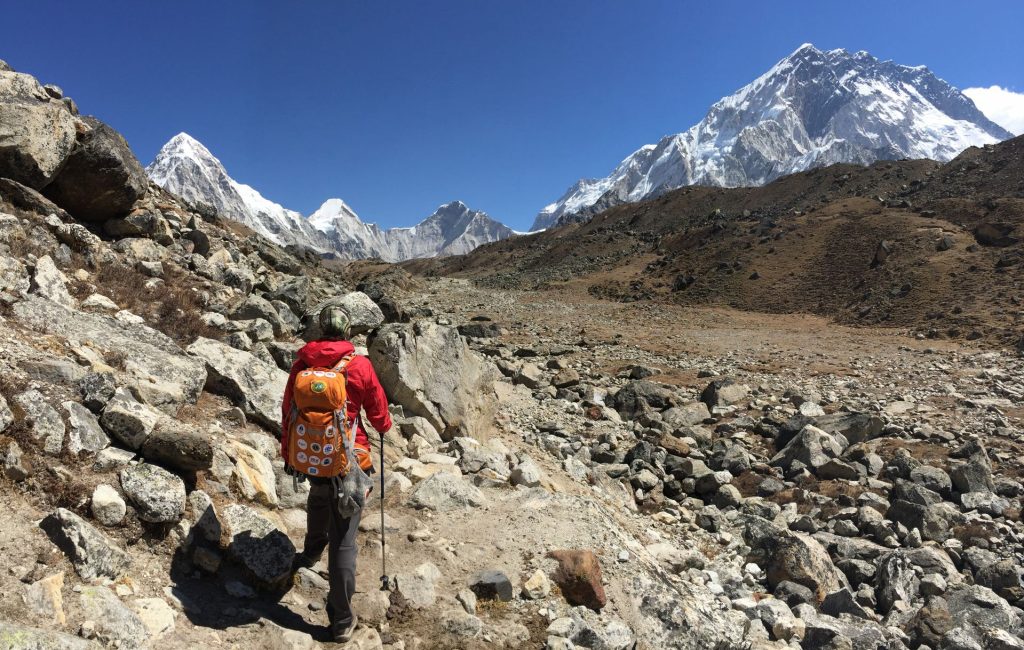
Even an easy trek is easier with some preparation. Walk regularly for a few weeks before you go, with a loaded daypack and uneven ground if you can. Add stair climbing or hill walks, because Nepali trails use a lot of steps.
Practise walking downhill, since descents tire the knees. Break in your boots and test your clothing on weekend walks. If you can walk four to six hours with a pack and feel fine the next day, you are in good shape for a short trek.
Combining a Trek With the Rest of Your Trip
A short trek fits neatly into a wider Nepal itinerary. Many travellers spend a few days in Kathmandu for temples and old streets, move to Pokhara for lakeside rest before or after a Poon Hill or Ghandruk trek, and keep a spare day or two at the end in case weather or transport causes delays.
Plan the trek in the middle of your trip, not on the last days before a flight, so a delay does not cost you your departure. If you have more time, you can pair an easy trek with sightseeing, a rafting day or a wildlife visit, and use the trek as the mountain highlight rather than the only activity.
Questions to Ask Before You Book
A reliable operator is happy to answer detailed questions, and the answers tell you a lot about the trip you are buying.
- Is the agency registered, and are the guides licensed?
- What exactly is included: transport, permits, meals, lodging, guide and porter?
- How many hours will I walk each day, and where is the hardest day?
- What is the highest point, and how many nights are above 2,500 metres?
- What is the plan if I feel unwell or weather closes the route?
- Is there a spare day for delays, and what happens to the price if the itinerary changes?
- How big is the group, and can the pace be adjusted?
Clear, specific answers are a good sign. Vague replies, pressure to pay immediately and unusually low prices are reasons to compare other operators.
Common Mistakes First-Time Trekkers Make
- Assuming easy means no effort. Stairs and long days still need basic fitness.
- Skipping insurance. Make sure your policy covers trekking and evacuation.
- Packing too much. A heavy bag makes every step harder.
- Wearing new boots. Blisters can ruin a short trek quickly.
- Going too fast. A slow, steady pace is better than a push to the top.
- Ignoring weather and season. Monsoon rain and winter cold change the experience.
- Booking on price alone. The cheapest package can mean larger groups, rushed schedules or less support.
Frequently Asked Questions About Easy Treks in Nepal
1. What are the best easy treks in Nepal for beginners?
Popular beginner choices include Ghandruk, Ghorepani Poon Hill, the Chisapani to Nagarkot route, the Helambu trek and the Royal Trek. Ghandruk is the gentlest, while Poon Hill is the most famous.
2. What is the easiest trek in Nepal?
Short low-altitude routes such as the Ghandruk village trek and Kathmandu Valley rim walks are usually the easiest, because they stay below roughly 2,200 metres and last only a few days.
3. Is the Poon Hill trek really easy?
It is beginner-friendly but not effortless. Operators rate it from easy to moderate, with four to seven hours of walking a day and long stone staircases. The 3,210-metre summit is high enough that you should walk slowly.
4. How many days do I need for an easy trek?
You can do a trek in as little as two or three days near Kathmandu. Ghandruk takes about three to four days, Poon Hill four to six, and Helambu five to seven.
5. Do I need to be very fit?
No, but you should be reasonably healthy and able to walk four to six hours a day with a light pack. A few weeks of regular walking and stair climbing make a big difference.
6. Is altitude sickness a risk on easy treks?
The risk is low on routes below about 2,500 metres and rises as you go higher. Poon Hill and Helambu reach heights where you should still walk slowly, drink water and report symptoms. Never climb higher to sleep with worsening symptoms.
7. When is the best time to go?
Spring (March to May) and autumn (about late September to November) are the best seasons. Low routes can be walked in winter, but nights are cold, and the monsoon is generally avoided.
8. Do I need a guide for an easy trek?
UK government advice says foreign independent trekkers must use a local guide or porter in national parks and protected areas. Enforcement is described differently by different sources, so confirm with a registered agency. A guide is helpful for first-timers in any case.
9. What permits do I need?
Annapurna treks such as Ghandruk and Poon Hill need an Annapurna Conservation Area Permit (NPR 3,000 for foreigners), and many sources also list TIMS. Helambu and valley routes have different permits, so ask your operator for the exact list.
10. Can I do an easy trek with children or as an older trekker?
Yes, on the lowest routes such as Ghandruk, which operators often recommend for families and older walkers. Choose short days, comfortable lodges and a guide who can adjust the pace.
Plan Your Easy Trek With Merriment
The right start makes all the difference. Whether you want a three-day village walk or a week of Himalayan views, the easy treks in Nepal covered here are well within reach of most beginners who prepare a little and choose the right route.
The Merriment team can help you pick between Ghandruk, Ghorepani Poon Hill, Helambu and other short routes, explain the permits and costs for your dates and arrange the logistics. Tell us how many days you have, how much walking experience you have and who is travelling, and ask for a quote.
Enquire on WhatsApp: +977 974-0262168
Message us today and start planning your first Himalayan trek.