Most articles about the Ghandruk trek cost give you a number without context. “$300 to $900” tells you almost nothing about what you’re actually paying for, what’s driving the difference, or how to know which end of that range applies to you. By the time you’ve read three or four of those pages, you know the name of the trek and roughly nothing else.
This guide works differently. Every cost category is broken out clearly — permits, transport from Kathmandu and Pokhara, teahouse accommodation, food on the trail, guide and porter fees, and the small daily expenses that people consistently underestimate. You’ll finish with a realistic per-person budget based on how you actually travel, not a padded operator estimate and not an artificially stripped-down figure that excludes meals.
First, a quick look at what the Ghandruk trek actually is, because the cost structure follows directly from the nature of the route.
What Is the Ghandruk Trek?
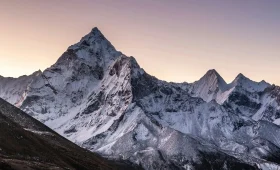
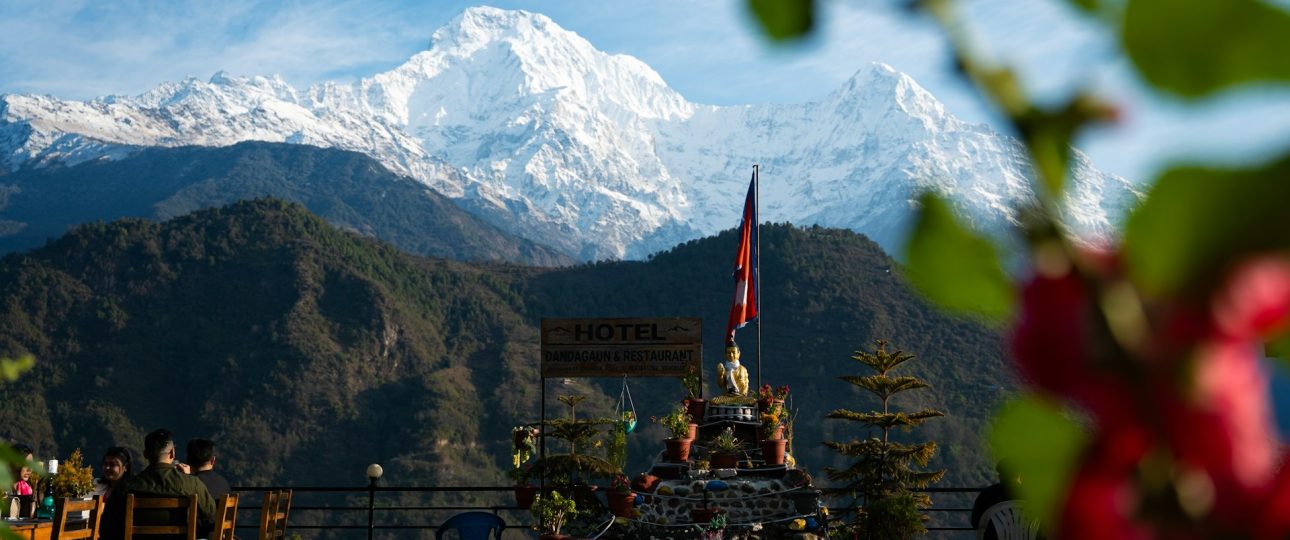
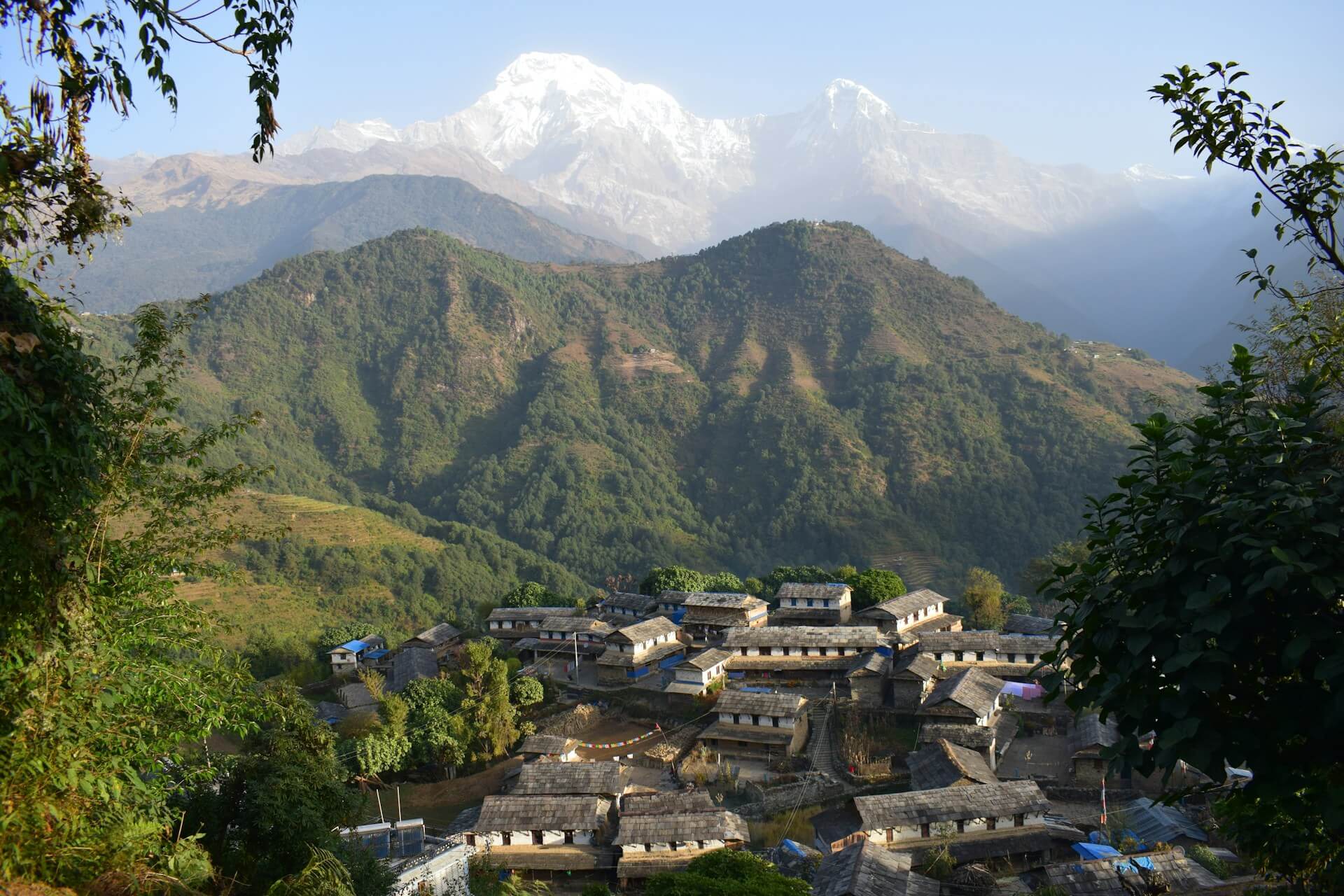
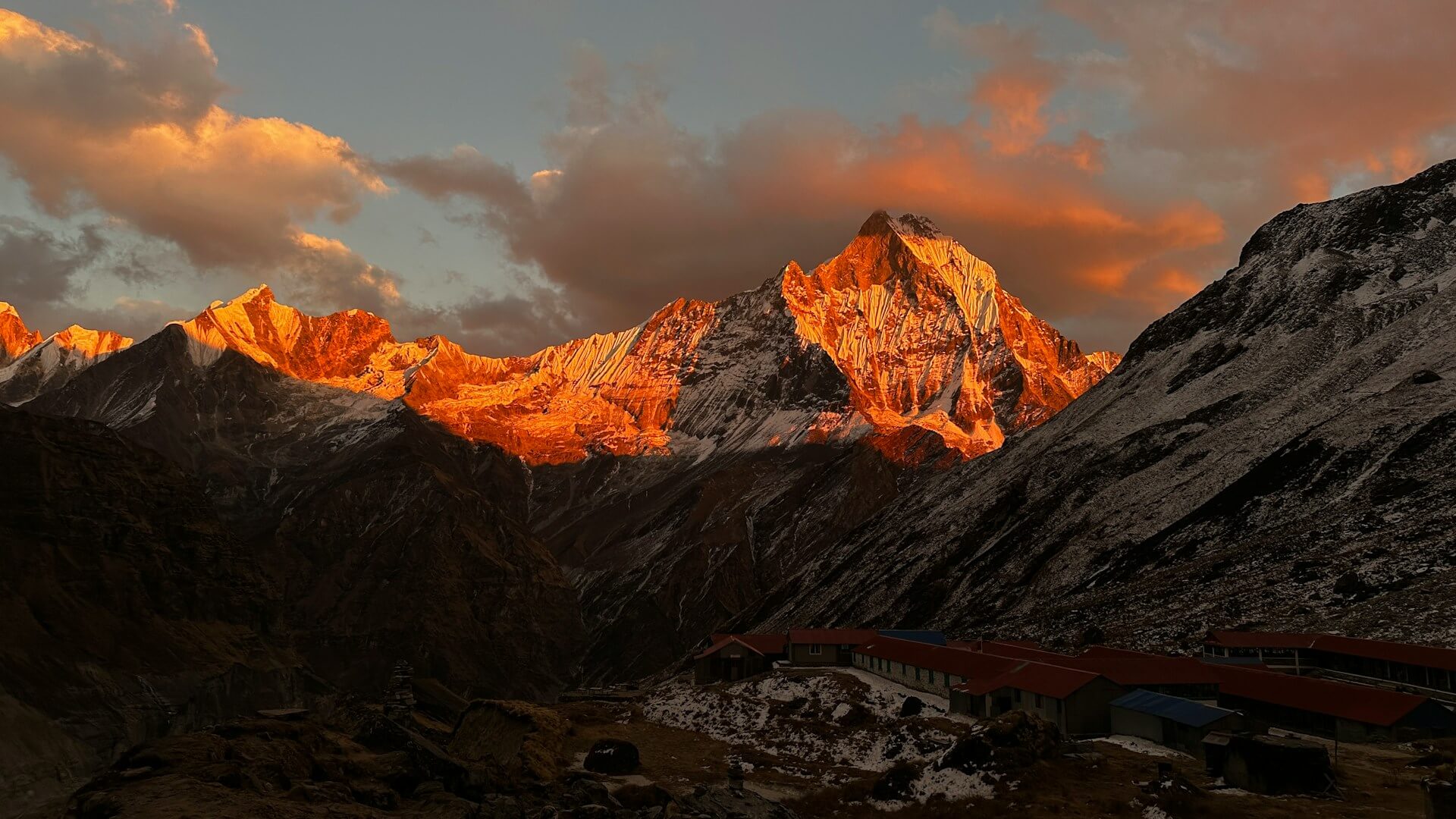
Ghandruk is a traditional Gurung village sitting at roughly 2,012 meters in the Annapurna Conservation Area, about 28 kilometers south of Pokhara. It sits high above the Modi Khola river valley with a direct and expansive view of Annapurna South, Hiunchuli, Machapuchare (the famous Fishtail peak), and Gangapurna. The mountain panorama from the village streets is wide enough and close enough that it’s often the first thing that genuinely shocks first-time visitors — these are not distant shapes on the horizon, they fill a significant portion of the sky.
The trek to reach Ghandruk is short, well-marked, and graded as easy to moderate. From Nayapul, the most common starting point, it takes 5-6 hours of walking on stone-paved paths through terraced farmland, rhododendron forest, and small hillside settlements. The maximum altitude of around 2,012 meters means altitude sickness is not a concern for the vast majority of trekkers, which also makes this one of the few Himalayan treks that works comfortably for families with children, older adults, and people attempting their first trek in Nepal.
The cultural dimension is genuine, not manufactured. Ghandruk has been one of the best-preserved Gurung settlements in Nepal for decades, in part because the village community — led significantly by a local women’s committee — made deliberate choices about how tourism would develop here. The result is a village that has absorbed trekking traffic without losing its architectural character or cultural identity. Stone houses, narrow lanes, the Gurung Museum, and the sounds of daily life are all intact.
Duration options range from a 2-day overnight trip out of Pokhara up to 5-7 days for routes that extend to Ghorepani and Poon Hill or continue toward Chhomrong and the Annapurna Base Camp trail. The cost structure shifts noticeably between these options, which is the first thing worth understanding.
Ghandruk Trek Cost at a Glance — What Most Trekkers Spend in 2026
- For a 3-day guided trek from Pokhara including permits, a licensed guide, basic teahouse accommodation, and meals on the trail, most trekkers spend between $250 and $500 per person.
- Budget travelers who use local buses, eat dal bhat, and keep extras minimal can bring this toward $150-200 for the trek portion itself (not counting Kathmandu hotel nights and domestic flights, which sit separately).
- Those who add a personal porter, take private jeep transfers, and spend more freely on food and extras will find themselves in the $400-500 range for the same 3-day route.
- A fully packaged 5-7 day version that extends to Ghorepani or loops back through Tadapani typically runs $400-700 all-in depending on the operator and service level.
Why does the range exist? The same reasons as every Nepal trek: transport mode (local bus vs private jeep), accommodation (shared room vs better lodge), food choices (dal bhat vs full menu), whether you hire a guide only or add a porter, and how much you spend on daily incidentals. None of this is mysterious — it’s just that most articles present the range without explaining which factors move the number in which direction.
Permits: What You Need and the Exact 2026 Cost
The Ghandruk trek sits entirely within the Annapurna Conservation Area, which means every foreign trekker needs two permits before setting foot on the trail. There are no exceptions for any foreign nationality.
- The Annapurna Conservation Area Permit (ACAP) costs NPR 3,000 for foreign nationals — around $22-23 USD at mid-2026 exchange rates. SAARC nationals (India, Bangladesh, Pakistan, Sri Lanka, and neighboring countries) pay a reduced rate of NPR 2,000, approximately $15. Nepali citizens pay a nominal NPR 100. This permit funds conservation work, trail maintenance, and the infrastructure that makes the Annapurna region one of the most sustainably managed trekking areas in Asia.
- The TIMS card (Trekkers’ Information Management System) costs NPR 2,000 for individual foreign trekkers, or NPR 1,000 if you’re part of a registered trekking group. Its main function is safety-oriented — your registration means that if an emergency occurs and a search is needed, authorities have your route details, contact information, and emergency contact on record.
Total permit cost for most foreign trekkers: approximately $35-40 USD. SAARC nationals pay roughly $25-30 combined.
Both permits are obtained either in Pokhara, near the Lakeside tourist area at the ACAP and NTB offices, or in Kathmandu before you leave. You’ll need your passport and two passport-size photographs, and payment should be made in Nepali Rupees. If you’re booking through an agency, they’ll arrange permits as part of your package and fold the cost into the total price — it’s worth confirming this explicitly rather than assuming.
One important 2026 update: many permit offices now ask for proof of travel insurance covering helicopter rescue before processing your permit application. This applies to the wider Annapurna region and while the Ghandruk trek’s maximum altitude of around 2,012 meters makes medical evacuation scenarios far less likely than on a high-altitude route, bringing your insurance documents to the permit office avoids potential delays.
Getting There: Transport Costs from Kathmandu and Pokhara
Kathmandu to Pokhara
Pokhara is the gateway city for the Ghandruk trek. Getting there from Kathmandu takes either 6-7 hours by tourist bus ($10-15) or 25 minutes by domestic flight ($80-110 one way depending on airline and booking timing). Private jeep from Kathmandu to Pokhara is possible but runs $150-170 for the vehicle, which makes sense for groups traveling together but not for individuals.
For a 3-day Ghandruk trek, the transport cost into and out of Pokhara is often the single largest fixed expense. Flying both ways adds roughly $160-220 to your budget but saves a full day of road travel each direction. Most trekkers doing a longer Nepal itinerary take the bus at least one way and fly the other, which is a reasonable compromise. If Ghandruk is your primary destination and time is the constraint, flying both directions is worth the cost — you gain two full trekking days.
Pokhara to the Trailhead
The standard starting point for the Ghandruk trek is Nayapul, roughly 42 kilometers from Pokhara on the road to Baglung. A local bus from Pokhara’s Baglung Bus Park to Nayapul costs NPR 200-300 (less than $3) and takes about an hour and a half. This is the most budget-conscious option and is perfectly functional — these are the same buses locals use.
A shared jeep from Pokhara to Nayapul costs around $8-15 per person, faster and more comfortable. A private jeep runs $40-60 for the whole vehicle, which between two or three people becomes comparable to shared rates. Some operators offer jeep transfer directly to Kimche, a higher trailhead above Nayapul that cuts about 2 hours of walking from the first day — useful if you’re pressed for time or want to reach Ghandruk comfortably before dark.
Return transport from Nayapul to Pokhara follows the same pricing in reverse. If your agency handles transport, confirm whether the trailhead transfer is included in the package or billed separately — this is one of the common sources of “hidden costs” that budget package prices exclude.
Accommodation: Teahouses, Lodges, and Homestays
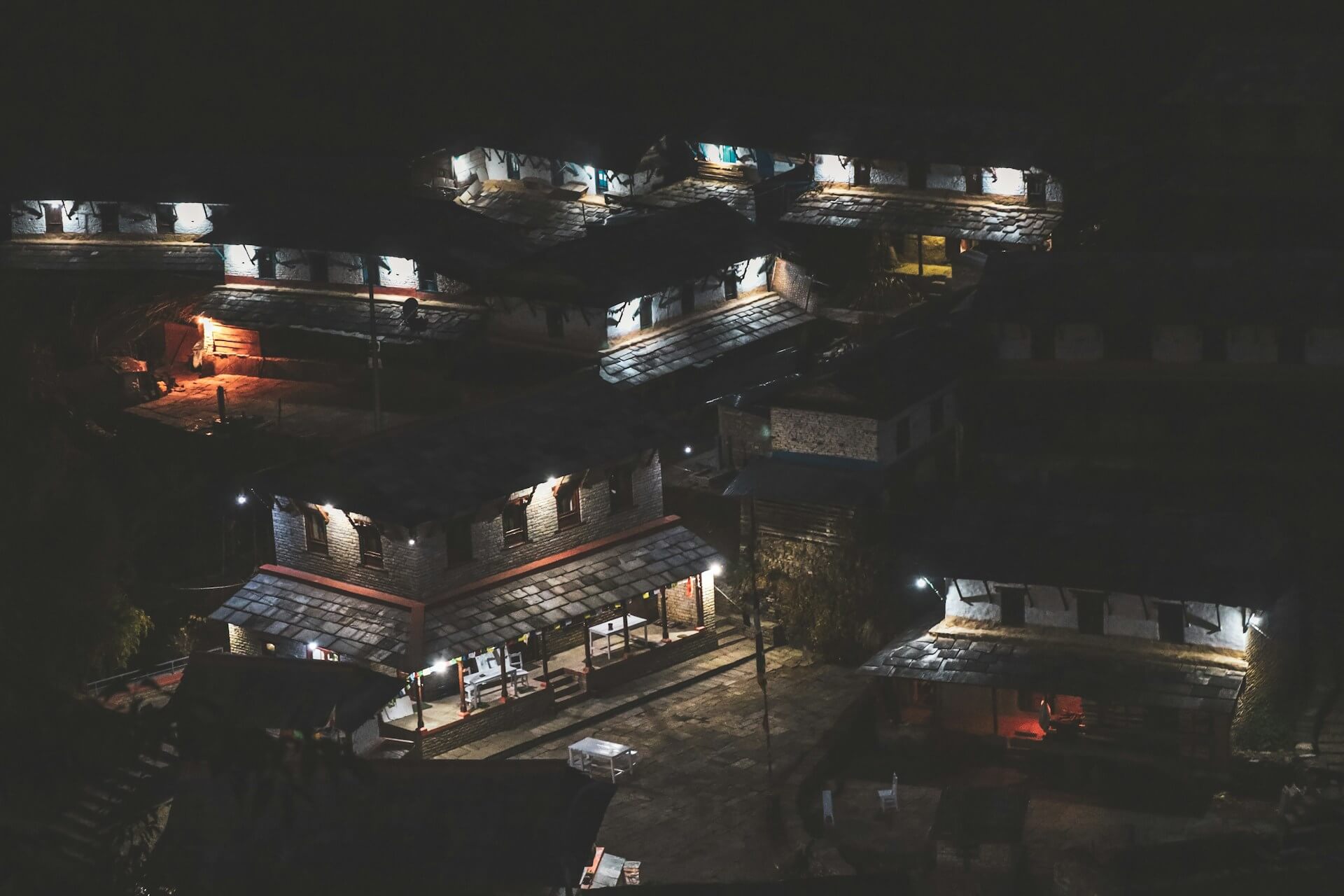
Ghandruk and the villages along the approach trail offer teahouses, lodges, and — increasingly — genuine homestays with Gurung families. The quality varies from basic shared-bathroom rooms with thin mattresses to comfortable private rooms with attached bathrooms and mountain views from the window.
A basic shared room in a standard teahouse costs $4-8 per night. The unwritten convention on this trail, as on most Nepal trekking routes, is that staying and eating at the same teahouse gets you a discounted or free room — the lodge makes its margin on food, not accommodation. This arrangement benefits trekkers on a budget but does mean you’re expected to eat your meals at the teahouse where you sleep, rather than shopping around between restaurants.
Better rooms with attached bathrooms, when available, run $15-30 per night. In Ghandruk village itself, options are reasonably good by teahouse standards — the village has seen enough trekking traffic over the years that the standard has improved. You won’t find luxury here, but comfortable beds, clean shared facilities, and warm common rooms in the evenings are standard.
Homestays in Ghandruk are a genuinely worthwhile option beyond the cost consideration. Staying with a Gurung family means waking to the sounds of a working agricultural household, eating meals that are cooked for the family rather than off a standard trekker menu, and the kind of cultural exchange that no museum or cultural show can replicate. Rates vary but are broadly comparable to or slightly cheaper than teahouses, typically NPR 500-1,000 per night ($4-8) with meals negotiated separately.
Over a 3-day trek with two nights on the trail, total accommodation costs run $10-50 depending on room type — a small part of the overall budget.
Food: What It Costs and What to Expect
Food is usually your biggest daily variable cost on the Ghandruk trek, and it’s an area where spending a little more genuinely improves your day. Because the altitude is relatively modest and the supply chain down to Nayapul is short, prices here are lower than on higher-altitude routes in the Annapurna region.
- Dal bhat — the traditional Nepali plate of rice, lentil soup, seasonal vegetable curry, and pickles, with unlimited refills — costs NPR 450-700 ($4-6) at most teahouses on the Ghandruk route. It’s the most filling, most economical, and arguably most satisfying thing on the menu. Trekkers who eat it twice a day are making a genuinely good decision on both nutrition and cost.
- Beyond dal bhat, most teahouses serve fried rice, thukpa (Tibetan noodle soup), momos (steamed or fried dumplings), chow mein, egg dishes, porridge, and simple pasta. In Ghandruk village itself, you can find local Gurung specialties like kodo ko roti (buckwheat flatbread) and sikarni (a sweet thickened curd) that you won’t find on the trail between Nayapul and the village. These are worth trying.
- Hot drinks — tea, coffee, hot lemon — run NPR 100-200 each. Bottled water is $1-2 per bottle; a small reusable bottle and purification tablets cuts this cost to almost nothing and generates less plastic waste on the trail. Hot showers, where available, are $2-4 extra.
- Wi-Fi is available in Ghandruk village and at many teahouses below — expect to pay $1-3 per session. Electricity is generally available for device charging, often at $1-2 per charge.
A realistic food budget for the Ghandruk route: $15-25 per day if eating dal bhat and keeping drinks simple; $25-35 per day with a fuller menu, tea, and hot showers included. Over 3 days of trekking, food and daily incidentals run $50-100 depending on your choices.
Guide and Porter Costs
Do You Need a Guide?
For the Ghandruk trek specifically, the trail is well-marked, passes through multiple villages, and sees consistent trekking traffic — it’s one of the more navigable short routes in the Annapurna region. Experienced trekkers with good map-reading skills and some Nepal experience have been completing it without a guide for years.
That said, the broader 2026 regulatory context around guides in the Annapurna Conservation Area is worth understanding. The Nepal government’s guide-mandatory policy, introduced formally in 2023, specifically targeted certain high-altitude zones. As of 2026, the Annapurna Conservation Area — which includes the Ghandruk route — has been in a gray zone of enforcement, with some checkpoints asking about guides and others not. The practical reality is that if you’re on a short, low-altitude route like Ghandruk with clear trail markings and village checkpoints every few hours, the risk of being turned back is lower than on more remote high-altitude routes.
If this is your first trek in Nepal, you’re traveling alone, or you want cultural context and a safety net, hiring a guide is almost certainly worth the cost. A licensed guide on the Ghandruk route charges $25-35 per day, covering their wages, food, accommodation, and mandatory insurance. For a 3-day trek, that’s $75-105 total — not a significant expense relative to the overall trip cost, and a meaningful upgrade to the experience.
Porter Costs
A porter on the Ghandruk trek charges $20-25 per day and carries up to 20-25 kg, typically shared between two trekkers. Given the relatively short duration and modest elevation of this trek, many trekkers manage without a porter by packing light — a 35-40 liter daypack with essentials is entirely manageable for a 3-day route that doesn’t go above 2,012 meters.
For trekkers with back or knee issues, or those who genuinely want to walk with their hands free and their body unloaded, a porter is a worthwhile hire. Over 3 days, the cost per person is $30-38 when shared between two trekkers — less than most single restaurant meals back home.
A guide-porter — one person who guides the route and carries a moderate load — is a cost-effective option for solo trekkers, typically charging $25-30 per day and eliminating the need to hire two people separately.
Complete Cost Breakdown By Budget Type
Ghandruk Trek Cost – Budget trek, 3 days, independent or minimally guided, local transport:
ACAP and TIMS permits: $37. Local bus Pokhara to Nayapul and return: $6. Guide (optional at this level): $0-75. Porter: $0. Accommodation (2 nights, basic teahouse): $10-16. Food on trail ($15/day x 3 days): $45.
Daily incidentals (hot drinks, hot shower, Wi-Fi): $20-30. Nepal visa (if applicable): $30-50. Travel insurance: $30-50.
Total estimate: $178-309 per person.
Ghandruk Trek Cost – Mid-range trek, 3 days, licensed guide, shared porter, private jeep to trailhead:
Permits: $37. Private jeep Pokhara-Nayapul return: $80-100 (between two trekkers).
Licensed guide (3 days at $30/day): $90. Shared porter (3 days at $23/day per person): $69. Accommodation (2 nights, better teahouse): $30-50. Food ($25/day x 3 days): $75.
Daily incidentals: $40-50. Nepal visa: $30-50. Travel insurance: $50-70.
Total estimate: $501-591 per person.
Ghandruk Trek Cost – Package trek, 3-5 days, agency-arranged, all-inclusive:
A 3-day packaged Ghandruk trek from a reputable Pokhara agency, covering permits, private transport, licensed guide, accommodation, and full-board meals, typically costs $250-450 per person. A 5-day extension to Ghorepani and Poon Hill runs $400-700 per person depending on the operator, group size, and service level.
The Extended Ghandruk Routes and How They Affect Cost
The 3-day Ghandruk trek out of Pokhara is the most common configuration, but several logical extensions add days and therefore cost.
The Ghandruk-Ghorepani loop (5-7 days) takes you from Ghandruk through Tadapani and on to Ghorepani, from where the famous pre-dawn hike to Poon Hill (3,210m) offers one of Nepal’s most celebrated mountain panoramas — Dhaulagiri, the Annapurna range, and Machapuchare all visible in a single sweep. This loop adds roughly 2-4 nights of teahouse accommodation ($8-50 per night), additional food costs ($50-100 more), and extends guide and porter fees by the same number of days. Budget an extra $100-200 for a 2-day extension on top of your base Ghandruk budget.
The Ghandruk-Chhomrong connection (7-10 days) uses Ghandruk as the first stage of the Annapurna Base Camp approach, continuing through Chhomrong and up toward the sanctuary. If your underlying goal is ABC and you have the time, this route through Ghandruk is one of the most culturally rich approaches.
Cost-wise, you’re budgeting for the full ABC trek from this point — see our Annapurna Base Camp cost guide for the detailed breakdown.
Practical Things That Affect Your Budget That Most Guides Skip
No ATMs exist beyond Pokhara. This is not a minor logistical detail — if you underestimate how much cash you need and find yourself 2,000 meters above Pokhara with an empty wallet, your options for resolving that are limited and inconvenient. The standard advice is to withdraw enough Nepali Rupees in Pokhara to cover your entire trail budget plus a 20% buffer. Most teahouses, lodges, and small vendors on the Ghandruk trail do not accept cards.
Seasonal price variation is real but modest. Teahouses on this route don’t dramatically inflate prices during peak season the way some higher-altitude routes do, because the supply chain is shorter and competition between lodges in Ghandruk village keeps pricing reasonable. That said, October-November and March-April bring the highest trekker volumes, meaning lodges in Ghandruk can fill up — a slight preference toward the better-quality rooms and away from the most basic shared options exists simply because higher demand gives teahouse owners choices about who to prioritize.
Group size affects guide cost meaningfully. A solo trekker hiring a guide pays the full $30-35/day themselves. Two trekkers hiring a shared guide split that cost to $15-17.50 each per day. Four trekkers split it four ways. If you’re traveling with a friend, family member, or another trekker you’ve connected with, hiring a guide together rather than separately is one of the simplest cost reductions available.
Tips are customary and meaningful. Guides and porters in Nepal earn their daily rate plus tips as a significant portion of their income. The expectation is 10-15% of the total guide fee for the trek, and a similar proportion for porters.
On a 3-day Ghandruk trek with a guide charging $30/day, that’s roughly $9-14 in tips — not a budget-breaking sum, and one that carries real weight for the recipient.
Ghandruk vs Poon Hill: Which One and What Does It Cost?
This comparison comes up frequently because both treks start from Pokhara, operate in the same Annapurna Conservation Area, and take a similar number of days. They serve different purposes, and understanding the difference helps you book the right thing.
- Poon Hill (Ghorepani-Poon Hill trek, typically 3-5 days) is built around one specific payoff: a pre-dawn walk to Poon Hill viewpoint at 3,210m for a sunrise panorama of Dhaulagiri, the Annapurna range, and Machapuchare. The view is genuinely spectacular. If you’re looking for a single iconic mountain photography moment and want to reach a higher elevation, this is the right choice.
- Ghandruk is more cultural in its emphasis. The mountain views are excellent but lower-elevation and less panoramic than Poon Hill’s summit moment. The trade-off is that Ghandruk offers a much deeper immersion in Gurung village life — the museum, the homestay option, the women’s community organization that manages much of the village’s tourism — and a more intimate, less crowded atmosphere. At peak season, the approach trail to Poon Hill can become noticeably busy. Ghandruk sees good traffic but quieter.
Cost-wise, they’re broadly comparable: a 4-5 day Poon Hill package from Pokhara costs $250-500 per person depending on service level, while a 3-day Ghandruk trek with a guide runs $250-450.
Adding a Poon Hill extension onto a Ghandruk base typically adds one night and costs an extra $50-100. Many operators offer the combined Ghorepani-Ghandruk loop, which gives you both highlights in a single 5-7 day route.
Best Time to Do the Ghandruk Trek and How Timing Affects Cost
- October through November and March through May are the two windows where weather, trail conditions, and mountain visibility are at their best. October and November in particular offer the clearest skies after monsoon, with rhododendron forests coming into bloom again in March and April at higher elevations.
- June through September is monsoon season. Trails to Ghandruk become slippery and leeches appear on forest sections — they’re harmless but unpleasant, and the experience of spending time in an outdoor raincoat every day is a genuine quality-of-life issue on a short trek. Some trekkers do complete this route in monsoon and find it surprisingly rewarding — fewer crowds, vivid green landscapes, waterfalls on every hillside — but it’s not what most first-time visitors are looking for.
- December through February is cold but manageable at Ghandruk’s altitude. The trail is mostly clear of snow at 2,012m, unlike higher-elevation routes. What you lose in temperature comfort you gain in mountain clarity and near-empty teahouses. Some lodges offer discounted rates outside of peak months, which slightly brings down the accommodation cost for trekkers flexible about timing.
Frequently Asked Questions About Ghandruk Trek Cost
- How much does the Ghandruk trek cost in 2026?
For a 3-day guided trek from Pokhara including permits, a licensed guide, basic teahouse accommodation, and meals on the trail, budget $250-500 per person depending on transport choice, guide, and daily spending. Budget trekkers arranging everything independently can manage $150-200 for the trail portion. Fully packaged 3-day tours from local operators run $250-450 all-in. - What permits do I need for the Ghandruk trek?
Two permits are required: the Annapurna Conservation Area Permit (ACAP) at NPR 3,000 (~$22-23) and the TIMS card at NPR 2,000 (~$15) for individual trekkers. Both are available in Pokhara at the Lakeside ACAP office. Total permit cost for foreign nationals is approximately $35-40. - Do I need a guide for the Ghandruk trek?
The trail is well-marked and manageable without a guide for experienced trekkers. However, the 2026 enforcement of Nepal’s guide regulation in the Annapurna Conservation Area is inconsistent, and some checkpoints do ask about guides. For first-time trekkers in Nepal, solo travelers, and those who want cultural context on the Gurung settlements, a guide is genuinely worth the $25-35 per day cost. - How much does food cost on the Ghandruk trail?
Budget $15-20 per day eating dal bhat and keeping drinks simple. $25-35 per day covers a varied menu with tea, snacks, and a hot shower. Total food cost over 3 days of trekking runs $50-100 depending on choices. Prices on this route are lower than on higher-altitude Annapurna tracks because the supply chain from Pokhara is shorter. - How much does accommodation cost on the Ghandruk trek?
Basic teahouse rooms cost $4-8 per night, with the convention that eating your meals at the same teahouse often results in a discounted or free room. Private rooms with attached bathrooms, where available, run $15-30. Homestays with Gurung families in Ghandruk village cost roughly the same as basic teahouses with the added benefit of an authentic cultural experience. - How long does the Ghandruk trek take?
The most common itinerary is 3 days (2 nights): Drive Pokhara to Nayapul, trek to Ghandruk (Day 1); explore Ghandruk and surrounding trails (Day 2); descend and return to Pokhara (Day 3). A 2-day version is possible for trekkers with limited time. Extending to Ghorepani or Tadapani adds 2-4 days to the itinerary. - Is the Ghandruk trek suitable for beginners and families?
Yes — it’s one of the most beginner-friendly treks in Nepal. The maximum altitude of 2,012 meters removes altitude sickness as a concern, daily walking hours run 5-6 hours at a relaxed pace, the trail is well-marked and well-trafficked, and there’s no technical terrain. Children, older adults, and first-time trekkers regularly complete this route without difficulty. - How do I get from Pokhara to the Ghandruk trailhead?
The standard trailhead is Nayapul, accessible by local bus from Pokhara’s Baglung Bus Park for less than $3, or by private or shared jeep for $8-60 depending on whether you’re going solo or splitting costs. The journey takes 1-2 hours. Some operators offer a higher trailhead start at Kimche that cuts about 2 hours of walking from Day 1. - Is Ghandruk better than Poon Hill?
They’re different experiences rather than better or worse. Ghandruk offers deeper cultural immersion in Gurung village life, a quieter atmosphere, and excellent mountain views at lower elevation. Poon Hill delivers a single spectacular summit moment at 3,210m with one of Nepal’s most famous sunrise panoramas. If you have 5-7 days, the Ghorepani-Ghandruk loop gives you both in one route. - What should I carry on the Ghandruk trek?
Lightweight layers for warm days and cool evenings, a waterproof jacket, comfortable trekking shoes or boots, a small daypack (35-40 liters is enough for 3 days), sun protection, mosquito repellent during warmer months, a reusable water bottle and purification tablets, and enough Nepali Rupees cash to cover your entire trail budget — there are no ATMs beyond Pokhara.
Final Word: Building a Realistic Ghandruk Trek Budget
The Ghandruk trek costs what you make it cost, within a fairly defined range. If you travel lean — local bus to the trailhead, basic teahouses, dal bhat twice a day, no porter — and arrange permits and a guide independently, you can walk this trail for around $200-250 per person over 3 days including permits, transport, accommodation, food, and incidentals.
If you want the convenience of an arranged package, a private jeep from your Pokhara hotel to the trailhead, a licensed guide who speaks English and knows the cultural context of every village you pass through, and slightly better teahouses, budget $350-500 per person and you’ll be comfortable.
What the Ghandruk trek won’t do is strain your budget the way a longer high-altitude route does. The permit cost is fixed and low. The accommodation is simple and cheap. The food is affordable. The transport is short. What you spend is mostly within your direct control, which makes this one of the easiest treks in Nepal to plan financially once you know the actual numbers.
The mountains aren’t going to disappoint you. Annapurna South and Machapuchare from the stone lanes of Ghandruk village, in early morning light, with a cup of sweet Nepali tea in your hand — that part is free.