Quick Answer: What to Pack for the Annapurna Base Camp Trek
The Annapurna Base Camp trek passes through multiple climate zones—from subtropical forests to alpine terrain at 4,130 meters . This means you need a versatile packing strategy, not just a long list of items. The core principle is layering: lightweight, moisture-wicking base layers, insulating mid-layers, and a waterproof outer shell .
Your packing should be split between a daypack (20–30L, carried by you) and a porter duffel (50–60L, carried by your porter) . Daypack weight should stay under 5–8 kg; porter bag weight is typically limited to 9–15 kg .
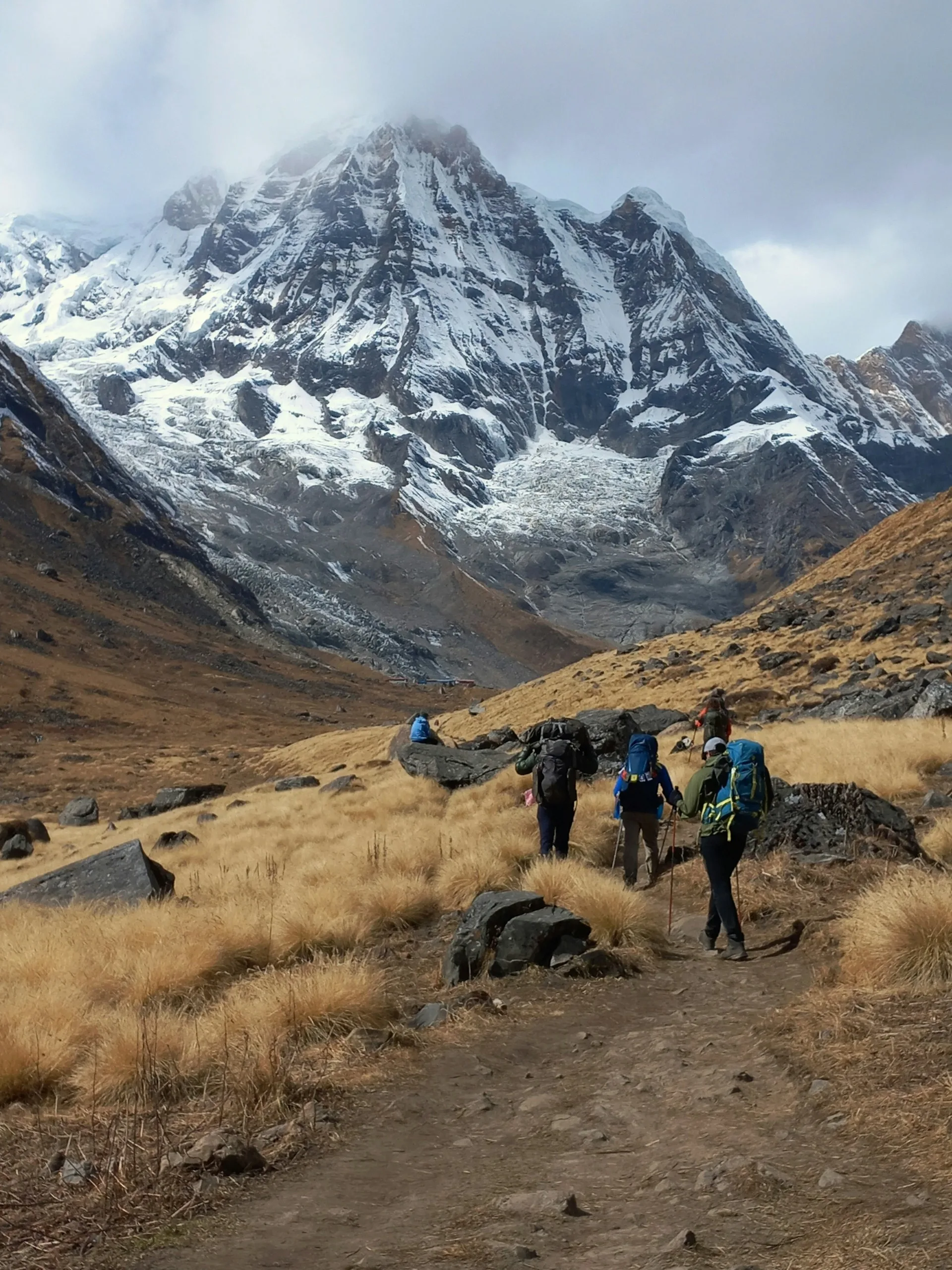
Annapurna Base Camp Packing List at a Glance
| Category | Essential Items |
|---|---|
| Clothing | Base layers (merino/synthetic), fleece mid-layer, down jacket, waterproof shell, trekking trousers, warm beanie, sun hat, buff, liner + insulated gloves |
| Footwear | Broken-in waterproof trekking boots, camp sandals/shoes, 4–5 pairs wool trekking socks |
| Sleeping | Sleeping bag (-10°C comfort / -15°C winter), sleeping bag liner |
| Backpacks | 20–30L daypack, 50–60L duffel bag (porter bag) |
| Equipment | Trekking poles, headlamp + batteries, water bottles (2L), water purification, sunscreen SPF 50+, sunglasses UV400 |
| Health | Personal medications, Diamox (if prescribed), blister treatment, pain relief, ORS sachets |
| Electronics | Power bank (20,000 mAh minimum), phone, charging cables, universal adapter |
| Documents | Passport, Nepal visa, travel insurance, ACAP permit, cash (Nepali rupees) |
| Optional | Gaiters, microspikes (winter), travel pillow, earplugs, notebook |
Clothing and Layering System
The weather on the Annapurna Base Camp trek ranges from warm and humid in the lower valleys to freezing at 4,130 meters . The secret to comfort is layering—adjusting as you walk, rest, and gain altitude.
Base Layer (Next to Skin)
Your base layer manages moisture. Merino wool or synthetic fabrics wick sweat away; cotton stays wet and causes chills at altitude .
-
Pack: 3–4 moisture-wicking tops, 1–2 thermal bottoms
-
Pro tip: Merino wool resists odour—your trekking companions will thank you after day four
Mid Layer (Insulation)
This is your warmth layer for cooler sections and rest stops.
-
Pack: 1 fleece jacket (200-weight minimum)
-
Pro tip: Fleece works well for daytime warmth; save the down jacket for camp and higher elevations
Down Jacket (Essential Above 3,000m)
This is non-negotiable for the upper sections. At Annapurna Base Camp and Machhapuchhre Base Camp, evenings drop to genuinely cold temperatures, even in peak season .
-
Pack: 1 down or synthetic puffy jacket rated to -10°C
-
Pro tip: Choose one that packs into its own pocket for easy carrying
Outer Shell Layer (Waterproof and Windproof)
The Himalayas don’t always read the weather forecast. A waterproof, breathable jacket is non-negotiable .
-
Pack: 1 waterproof shell jacket, 1 pair lightweight waterproof trousers
-
Pro tip: Even if the sky looks perfect when you set out, pack the shell
Headwear and Accessories
-
Pack: Warm beanie (essential above 2,500m), sun hat or cap (UV at altitude is intense), neck buff (versatile for sun, wind, dust), liner gloves + insulated fleece-lined gloves
-
Pro tip: A buff doubles as an ear warmer, face cover, or balaclava
Footwear
Your feet carry you the whole way—this is no place to cut corners .
Trekking Boots
Choose sturdy, ankle-supporting, waterproof trekking boots with good grip . The trail includes steep stone staircases, uneven rocky paths, and muddy sections after rain .
-
Rule #1: Break them in before you fly to Nepal
-
Rule #2: Never rent trekking boots—fit is too personal
-
Pack: 1 pair broken-in waterproof hiking boots
Camp Shoes and Socks
After 6–8 hours of trekking, your feet need a break .
-
Pack: Camp sandals or trainers for teahouse evenings
-
Pack: 4–5 pairs of wool or synthetic trekking socks
-
Pro tip: A thin liner sock worn under your main sock reduces friction and helps prevent blisters
Sleeping Gear
Teahouses provide beds and blankets, but those blankets won’t be enough up high .
Sleeping Bag
-
Pack: 3-season bag rated to -10°C comfort (spring/autumn); -15°C for winter trekking
-
Pro tip: Teahouse blankets vary in warmth and cleanliness; a personal bag is worth carrying
Sleeping Bag Liner
-
Pack: Silk or cotton liner adds warmth and keeps your bag cleaner. Packs tiny—worth it
Backpacks and Luggage
You need two bags: a daypack you carry, and a duffel bag your porter carries .
Daypack (20–35 litres)
Carries what you need during the walking day :
-
Water, snacks, rain jacket, warm layer, camera, phone, documents, medication, sunscreen, sunglasses, valuables
Duffel Bag (Porter Bag)
-
Size: 50–60 litres
-
Weight limit: Typically 9–15 kg (confirm with your operator)
-
Pro tip: Most operators provide this bag. Use a rain cover or dry bags inside
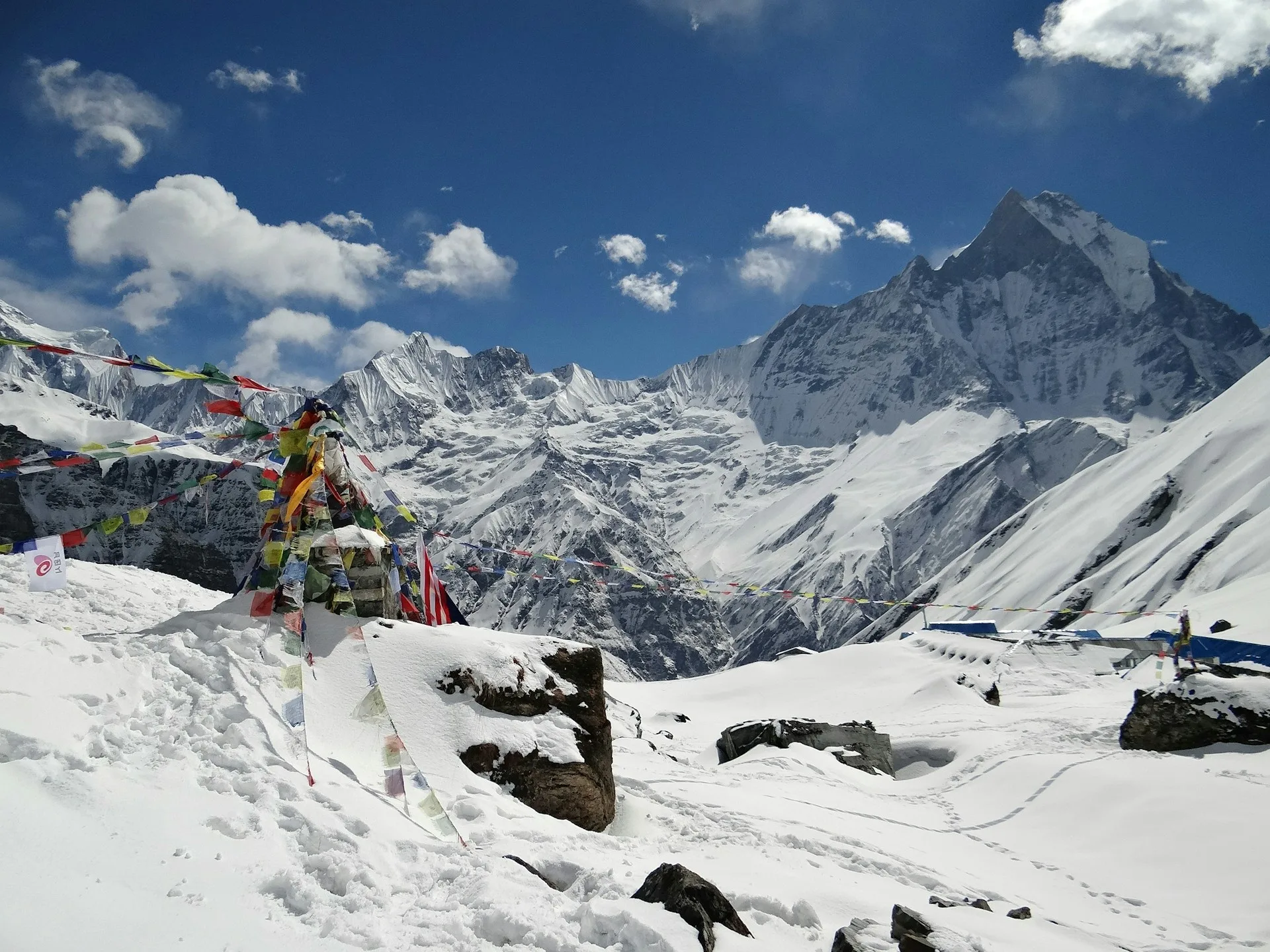
Trekking Equipment
Trekking Poles
More useful than most trekkers expect. The descent from ABC involves thousands of stone steps, and poles absorb significant knee impact .
-
Pack: 1 pair collapsible trekking poles
-
Rental option: Available in Pokhara if you don’t own them
Headlamp
Essential for pre-dawn starts, teahouse power outages, and night trips to shared toilets .
-
Pack: 1 headlamp + spare batteries (or USB-rechargeable model)
Water Bottles and Purification
At altitude, dehydration makes altitude symptoms worse. Drink 3–4 litres daily .
-
Pack: 2 x 1-litre water bottles or hydration bladder
-
Pack: Water purification tablets or filter (saves money and reduces plastic)
Sun and Weather Protection
UV at 4,130 metres is intense. Even on cloudy days, sunburn is a real risk .
| Item | Why It Matters |
|---|---|
| Sunscreen SPF 50+ | Protects against intense UV at altitude |
| UV lip balm (SPF 30+) | Prevents cracked lips from cold, dry, windy conditions |
| Sunglasses (UV400) | Protects eyes from glare off snow near base camp |
| Sun hat / cap | Shade for lower and open sections |
Health and First Aid
Your guide carries a group first-aid kit, but carrying a personal kit for minor issues is good practice .
Essential Personal Items
| Item | Why It Matters |
|---|---|
| Prescription medications | Bring more than you think you need |
| Diamox (acetazolamide) | Discuss with your doctor; use for altitude sickness prevention |
| Ibuprofen / paracetamol | For headaches, muscle soreness, inflammation |
| Blister plasters (Compeed) | Critical for boot-related injuries |
| Oral rehydration salts | Replaces electrolytes lost through sweating |
| Antidiarrheal medication | Essential; gastrointestinal illness is common on the trail |
| Hand sanitiser | Use frequently—gastro illness is the most common medical issue |
Important First Aid Items
-
Moleskin for blister prevention and treatment
-
Medical tape (Leukotape P is gold standard)
-
Antiseptic wipes and antibacterial ointment
-
Antihistamines for allergic reactions or insect bites
Caution: Never use sleeping pills at altitude—they suppress respiratory drive and increase altitude sickness risk .
Toiletries and Hygiene
Keep it small and pack multipurpose .
| Item | Why It Matters |
|---|---|
| Toothbrush and toothpaste | Basic hygiene |
| Quick-dry microfibre towel | Compact and essential—hot water isn’t guaranteed |
| Biodegradable soap | Protects the fragile ecology of the Annapurna Conservation Area |
| Wet wipes | Useful when hot water isn’t available |
| Toilet paper | Teahouses provide limited supply—carry your own |
| Nail clippers | Personal comfort |
| Feminine hygiene products | Menstrual cups are especially practical |
Resist the urge to bring full-sized bottles. Decant into travel-sized containers .
Hydration and Snacks
| Item | Why It Matters |
|---|---|
| Energy bars, nuts, trail mix | Quick energy between teahouses |
| Chocolate or glucose candies | Quick boost after steep climbs |
| Electrolyte tablets/powder | Replaces salts lost through sweat—helps with hydration at altitude |
| Oral rehydration salts | Essential for replacing electrolytes lost to sweating or illness |
Electronics and Power
Keep your electronics list short and purposeful .
| Item | Why It Matters |
|---|---|
| Smartphone | Photos, navigation, emergency communication—download offline maps before you go |
| Power bank (20,000 mAh minimum) | Your safety net—charging at higher elevations is unreliable |
| Universal travel adapter | Nepal uses Type C and Type D sockets (230V) |
| Camera | If photography matters to you |
| Charging cables | Store in waterproof pouch |
A note on Nepal’s power supply: Lodges below Deurali are connected to the national grid. Higher lodges run on solar or micro-hydro—charging above Deurali is unreliable .
Documents and Money
| Item | Why It Matters |
|---|---|
| Passport (original + copy) | Required for permits and checkpoints |
| Nepal visa | Required for entry |
| Travel insurance documents | Must cover high-altitude rescue and helicopter evacuation |
| ACAP permit and TIMS card | Mandatory—required at checkpoints |
| 2–4 passport photos | For permits |
| Cash in Nepali rupees | No ATMs beyond Pokhara—bring enough for snacks, charging, Wi-Fi, tips |
Must-Pack vs Optional vs Skip
| Item | Must Pack | Optional | Skip | Why |
|---|---|---|---|---|
| Waterproof trekking boots | ✓ | Essential for ankle support on uneven trails | ||
| Down jacket | ✓ | Essential above 3,000m—evenings are freezing | ||
| Trekking poles | ✓ | Reduce knee impact on thousands of stone steps | ||
| Sleeping bag (-10°C) | ✓ | Teahouse blankets aren’t sufficient up high | ||
| Water purification | ✓ | Saves money and reduces plastic waste | ||
| Gaiters | ✓ | Useful in wet conditions or winter snow | ||
| Microspikes | ✓ | Essential for winter (Dec–Feb) icy sections | ||
| Travel pillow | ✓ | Personal comfort | ||
| Jeans | ✓ | Heavy, slow to dry, miserable in the mountains | ||
| Cotton base layers | ✓ | Hold moisture, cause chills at altitude | ||
| More than 2–3 sets clothes | ✓ | Teahouses have basic washing facilities | ||
| Full-size toiletries | ✓ | Every gram saved matters |
Daypack vs Porter Duffel: What Goes Where?
| Item | Daypack | Porter Duffel |
|---|---|---|
| Water bottles (2L) | ✓ | |
| Rain jacket | ✓ | |
| Warm layer (fleece / down) | ✓ | |
| Snacks | ✓ | |
| Camera / phone | ✓ | |
| Documents and permits | ✓ | |
| Medication | ✓ | |
| Sunscreen / sunglasses | ✓ | |
| Headlamp | ✓ | |
| Sleeping bag | ✓ | |
| Extra clothing | ✓ | |
| Toiletries | ✓ | |
| Main shoes / camp shoes | ✓ |
Your daypack should stay under 5–8 kg . Keep it comfortable, as you’ll carry it every day .
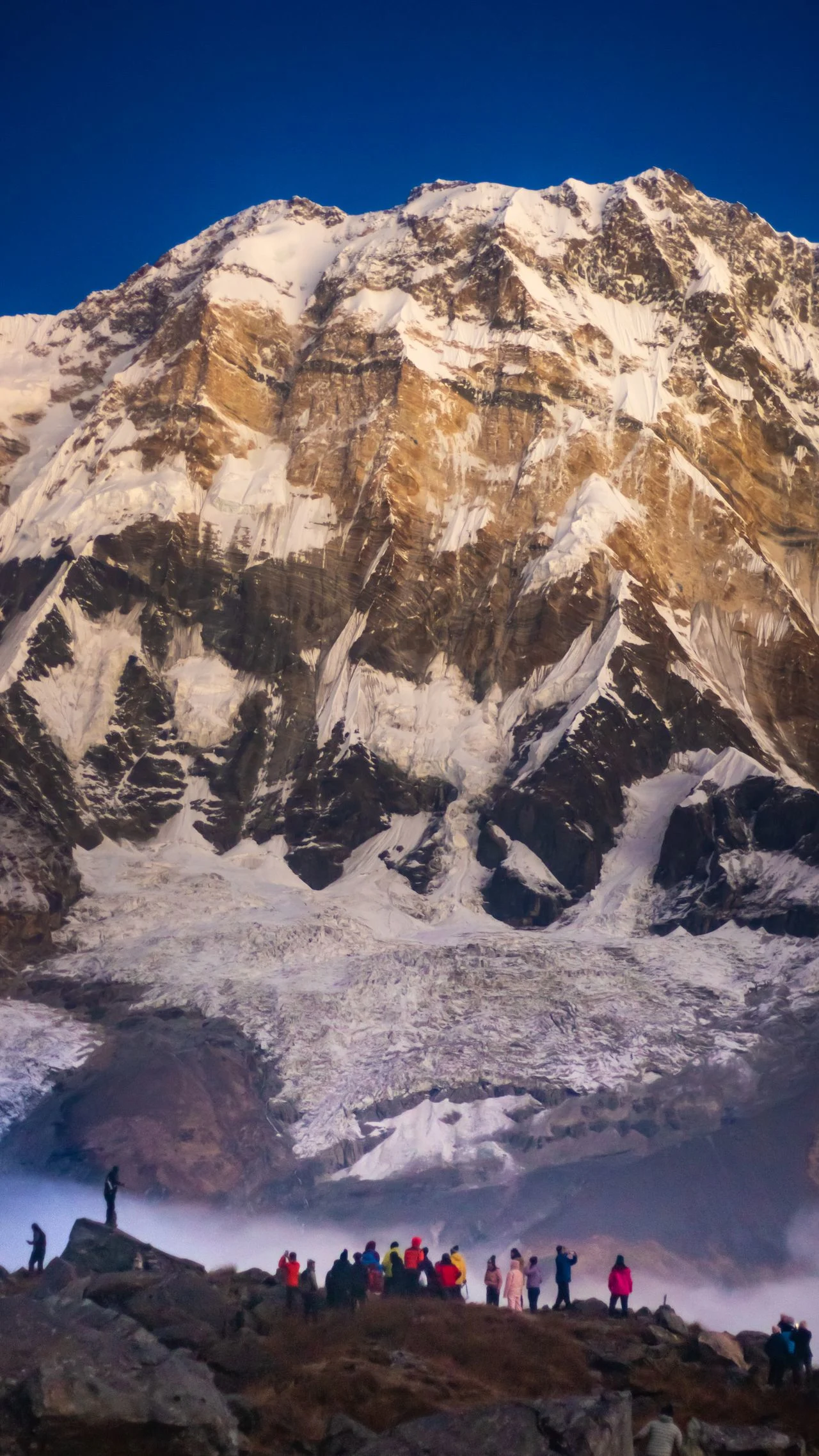
Annapurna Base Camp Packing List by Season
Spring (March–May)
The most popular season. Conditions range from warm at lower elevations to cold and snowy above 3,500m .
Spring-specific needs:
-
Rhododendron forests in bloom—good camera essential
-
Unpredictable afternoon showers—waterproof shell is essential
-
Occasional snow above 3,500m in March
-
Sleeping bag -10°C rating
Pack: Layering system (base, mid, shell), sun protection (UV is strong), rain gear, down jacket for cold evenings .
Autumn (September–November)
The best overall season. Post-monsoon skies are clear, trails are dry, temperatures comfortable .
Autumn-specific needs:
-
Clear skies—strong UV protection needed
-
Nights become cold from late October
-
Peak crowds—book accommodation in advance
-
Sleeping bag -10°C rating
Pack: Layering system, warm hat and gloves (especially for November), sun protection.
Winter (December–February)
Solitude and snow-covered landscapes, but requires serious cold-weather gear .
Winter-specific needs:
-
Night temperatures at ABC drop to -15°C to -20°C
-
Snow above 3,000m; icy sections above Deurali
-
Microspikes essential from Deurali to ABC
-
Sleeping bag -15°C minimum
-
Balaclava, hand warmers, insulated gloves
Not recommended for first-timers without winter trekking experience.
Monsoon (June–September)
Not recommended for most trekkers. Heavy rain, leeches, landslides, and poor visibility .
Monsoon-specific needs:
-
Full waterproofs (jacket and trousers)
-
Leech socks (below 2,000m)
-
Quick-dry clothing
-
Dry bags for everything
-
Sleeping bag -5°C rating
Our honest advice: If you can choose your dates, avoid this season. The mountain views—the main reason to do this trek—are likely obscured .
What to Buy and What to Rent in Nepal
What to Bring From Home
| Item | Why Bring It |
|---|---|
| Trekking boots | Fit is too personal to rent—must be broken in |
| Trekking socks | Personal hygiene and comfort |
| Base layers | Personal fit and hygiene |
| Personal medication | Doctor-prescribed; may not be available in Nepal |
| Toiletries | Personal preference |
| Power bank | Cheap and essential—buy in advance |
| SPF 50+ sunscreen | Quality matters—buy at home |
What to Rent in Kathmandu or Pokhara
| Item | Typical Cost | Note |
|---|---|---|
| Sleeping bag | ~$30 for full trek | Adequate for most trekkers |
| Down jacket | ~$2 per day | Plenty of rental shops |
| Trekking poles | ~$2–3 per day | Available for hire |
| Duffel bag | Complimentary (most operators) | Your operator likely provides this |
Rental tip: Inspect gear before renting to ensure it’s clean, comfortable, and in good condition .
What NOT to Pack
This section saves you more weight than any gear tip .
| Item | Why to Leave It |
|---|---|
| Jeans | Heavy, slow to dry, miserable in the mountains |
| Cotton clothing | Holds moisture, causes chills at altitude |
| More than 2–3 sets clothing | Teahouses have basic washing facilities |
| Heavy books | Download to phone or Kindle |
| Full-size toiletries | Decant into 100ml travel bottles |
| Valuables (jewellery, watches) | Unnecessary weight and risk |
| Full medical kit beyond essentials | Your guide carries group supplies |
| Hair dryers / styling tools | Power is limited and unreliable |
| New gear you haven’t tested | Break in boots, test rain jacket before departure |
| Multiple pairs of boots | One good pair is enough |
Common Annapurna Base Camp Packing List Mistakes to Avoid
-
Bringing too many clothes. Most trekkers wear the same comfortable outfits repeatedly .
-
Using brand-new boots. Blisters from unbroken boots can sour the entire trek .
-
Ignoring rain protection. Even in dry seasons, rain can occur .
-
Carrying too much weight. If you don’t use it regularly, you probably don’t need it .
-
Forgetting sun protection. UV is intense at altitude—sunscreen, hat, and sunglasses are non-negotiable .
-
Not separating daypack essentials. Keep water, snacks, rain jacket, and valuables accessible .
-
Packing everything in one bag. Daypack vs duffel separation is essential for organisation .
-
Bringing too many electronics. Phone, camera, power bank, headlamp—that’s enough .
-
Not adjusting for season. Winter requires microspikes; monsoon requires full waterproofs .
-
Forgetting cash. No ATMs beyond Pokhara .
Printable Annapurna Base Camp Packing Checklist
Copy this list and tick items off before departure.
Documents and Money
□ Passport (original + copy)
□ Nepal visa
□ Travel insurance documents
□ ACAP permit
□ TIMS card (currently suspended for 2026)
□ 2–4 passport-size photos
□ Cash (Nepali rupees)
□ Emergency contact details
□ Trip itinerary (printed copy)
□ Credit card (for emergencies)
Clothing
□ 3–4 base layer tops (merino wool / synthetic)
□ 1–2 thermal bottoms
□ 1 fleece mid-layer
□ 1 down jacket (packs into pocket)
□ 1 waterproof shell jacket
□ 1 pair waterproof trousers
□ 2 pairs quick-dry trekking trousers
□ 4–5 pairs trekking socks (wool / synthetic)
□ 1–2 pairs liner socks
□ 4–5 pairs underwear
□ 1 sun hat / cap
□ 1 warm beanie / wool hat
□ 1 neck buff / gaiter
□ 1 pair liner gloves
□ 1 pair insulated gloves
Footwear
□ Broken-in waterproof trekking boots
□ Camp sandals / trainers
□ Trekking gaiters (optional)
Sleeping Gear
□ Sleeping bag (-10°C spring/autumn, -15°C winter)
□ Sleeping bag liner
□ Earplugs (optional)
□ Travel pillow (optional)
Backpacks
□ 20–30L daypack (with rain cover)
□ 50–60L duffel bag (porter bag)
□ Dry bags / packing cubes
□ Rain cover for daypack
Trekking Equipment
□ Trekking poles
□ Headlamp + spare batteries
□ Water bottles (2 x 1L)
□ Water purification tablets / filter
□ Padlock for duffel
□ Bungee cord for drying clothes
□ Microspikes (winter only)
Sun Protection
□ Sunscreen SPF 50+
□ UV lip balm (SPF 30+)
□ Sunglasses (UV400, wraparound)
Health and First Aid
□ Prescription medications (20% extra)
□ Diamox (if prescribed)
□ Ibuprofen / paracetamol
□ Blister plasters (Compeed)
□ Moleskin
□ Oral rehydration salts
□ Antidiarrheal medication
□ Hand sanitiser
□ Antiseptic wipes
□ Medical tape
□ Bandages
□ Antihistamines
Toiletries
□ Toothbrush and toothpaste
□ Quick-dry microfibre towel
□ Biodegradable soap
□ Wet wipes
□ Toilet paper
□ Nail clippers
□ Feminine hygiene products (if applicable)
Hydration and Snacks
□ Energy bars, trail mix, nuts
□ Chocolate / glucose candies
□ Electrolyte tablets / powder
□ Oral rehydration salts
Electronics
□ Smartphone (offline maps downloaded)
□ Power bank (20,000 mAh)
□ Charging cables (stored in waterproof pouch)
□ Universal travel adapter
□ Camera (if needed)
□ Extra memory cards / batteries
Frequently Asked Questions about Annapurna Base Camp Packing List
1. What should I pack for the Annapurna Base Camp trek?
Pack a full layering system: base layers, fleece, down jacket, waterproof shell, broken-in trekking boots, sleeping bag (-10°C), daypack, trekking poles, headlamp, water purification, sunscreen SPF 50+, personal medications, documents, and cash .
2. How many clothes do I need for the ABC trek?
2–3 sets of trekking clothing is enough—teahouses have basic washing facilities. Most trekkers wear the same comfortable outfits repeatedly .
3. Do I need a sleeping bag for Annapurna Base Camp?
Yes. Teahouse blankets aren’t sufficient at higher elevations. Bring a bag rated to -10°C comfort (spring/autumn) or -15°C (winter) .
4. What kind of shoes should I wear for the ABC trek?
Sturdy, ankle-supporting, waterproof trekking boots with good grip—broken in well before departure. Never rent trekking boots .
5. Do I need trekking poles for Annapurna Base Camp?
Yes. The descent involves thousands of stone steps, and poles reduce knee impact significantly .
6. What should I pack for the ABC trek in winter?
Sleeping bag -15°C, heavy down jacket, microspikes, balaclava, insulated gloves, gaiters .
7. What should I pack for the ABC trek in monsoon?
Full waterproofs (jacket and trousers), leech socks, quick-dry clothing, dry bags, sleeping bag -5°C .
8. What should I pack for the ABC trek in October?
Light layering system, down jacket for cold evenings, sun protection (UV is strong), sleeping bag -10°C .
9. Can I rent trekking gear in Pokhara?
Yes. Sleeping bags, down jackets, and trekking poles are available for rent in Pokhara and Kathmandu .
10. How heavy should my backpack be?
Your daypack should stay under 5–8 kg. Your porter duffel is typically 9–15 kg (confirm with your operator) .
11. Do I need a down jacket for Annapurna Base Camp?
Yes—non-negotiable for the upper sections. Temperatures at ABC drop well below freezing even in peak season .
12. Do I need waterproof boots for the ABC trek?
Yes. The trail includes wet sections, stone steps, river crossings, and mud after rain .
13. What should I keep in my daypack?
Water, snacks, rain jacket, warm layer, camera, phone, documents, medication, sunscreen, sunglasses, valuables .
14. What should I not bring to Annapurna Base Camp?
Jeans, cotton clothing, heavy books, full-size toiletries, unnecessary electronics, more than 2–3 sets clothes, new boots that haven’t been broken in .
15. Can beginners complete the ABC trek with basic trekking gear?
Yes—with proper preparation. The ABC trek requires no technical climbing, but you need the right gear: layering system, broken-in boots, sleeping bag, and trekking poles .
Plan Your Annapurna Base Camp Trek With Merriment Treks
If you’re planning your Annapurna Base Camp trek, Merriment Treks offers expert guidance on packing, seasonal preparation, and itinerary design.
What makes them different:
-
Expert packing advice—season-specific gear recommendations
-
Licensed guides trained in altitude safety and emergency response
-
Porter support—carry less, enjoy more
-
Transparent inclusions—know what’s provided (duffel bag, etc.)
-
Flexible itineraries—customised to your fitness and available days
-
Local knowledge—guides who know the trail and weather patterns
Merriment Treks can help you plan your 2026 Annapurna Base Camp trek with confidence, from packing to permits.