-
6,165m (Island Peak summit)
-
B in Kathmandu; B, L, D on trek
-
Flight (Lukla) / Private vehicle
-
Spring & Autumn
-
Hotel, Teahouse, Tented camp
-
NMA-licensed climbing guide
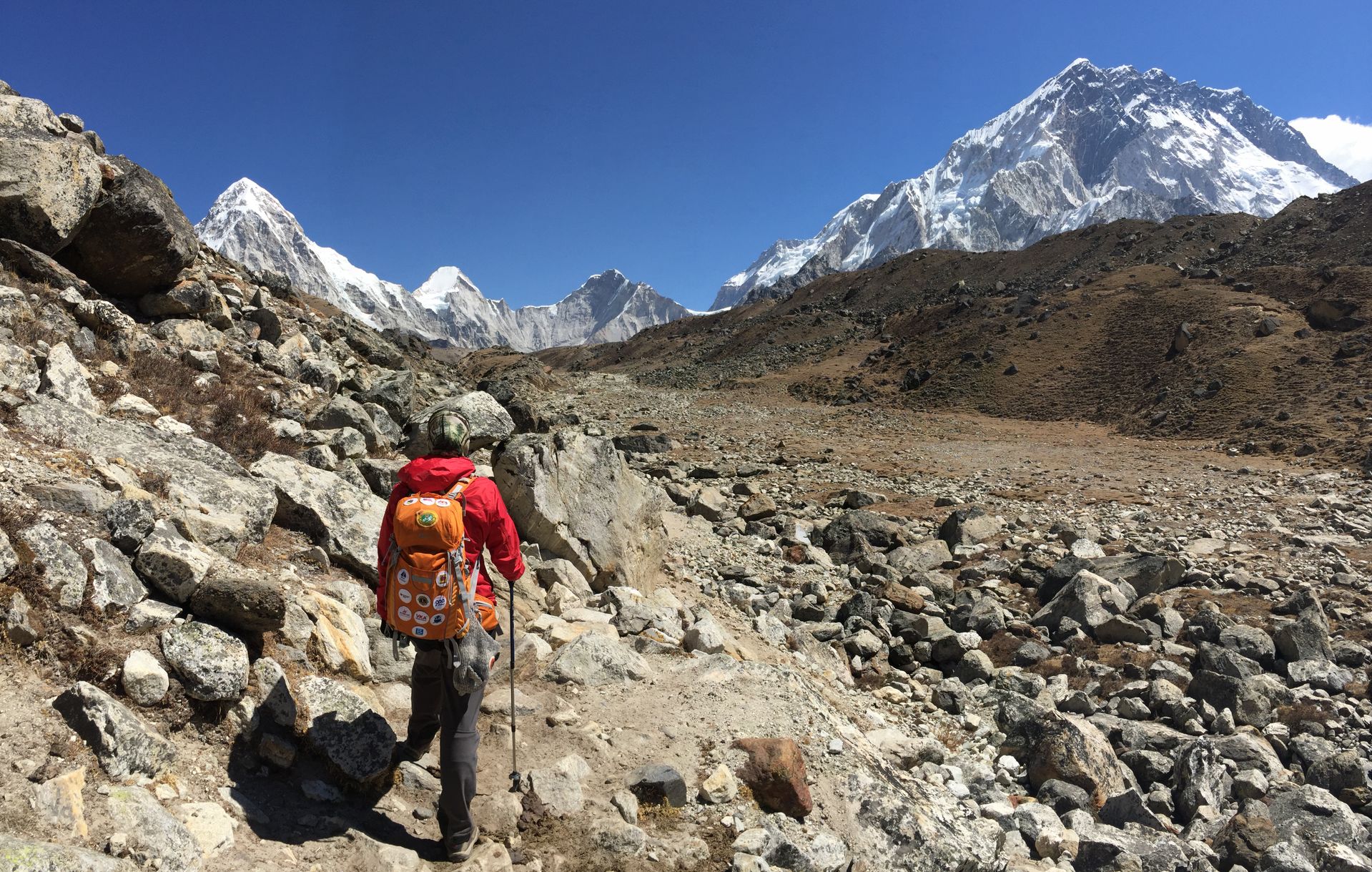
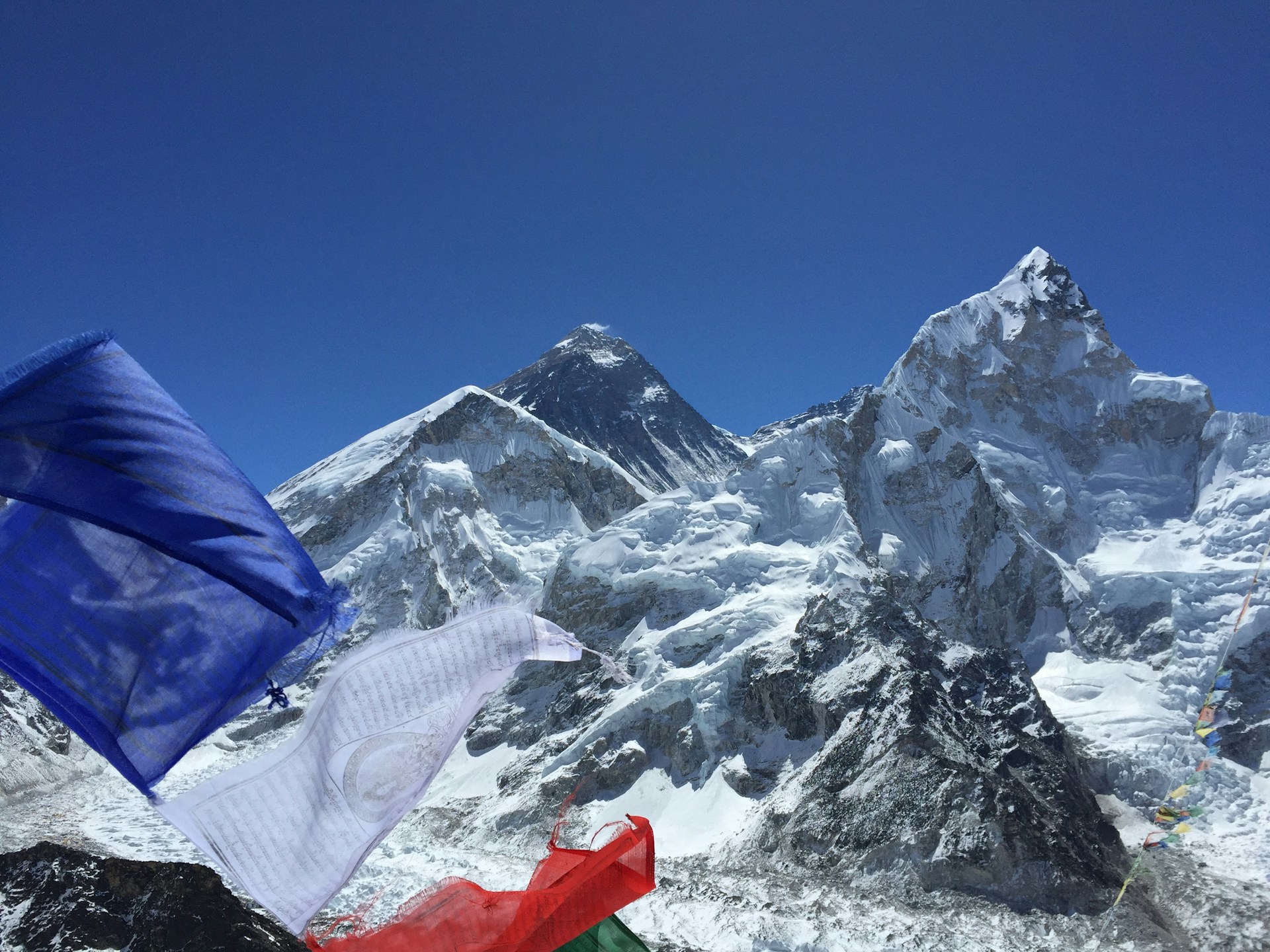
Everest Base Camp and Island Peak in one trip gives you both halves of the Khumbu: the classic walk to the foot of Everest and the Kala Patthar viewpoint, then a real Himalayan summit at 6,165m. This 20-day itinerary does the trek first and the climb second, deliberately. By the time you reach Island Peak Base Camp, you’ll have slept at Gorak Shep (5,164m) and stood on Kala Patthar (5,545m), which is better acclimatisation than any standalone Island Peak itinerary can give you.
It suits trekkers who want Everest Base Camp but don’t want to stop there, and first-time climbers who want the strongest possible chance of summiting. You’ll need good fitness and three weeks, but no previous climbing experience: the rope skills are taught at Island Peak Base Camp.
Below you’ll find the full day-by-day plan, difficulty and training advice, 2026 permit fees, what the price covers and what it doesn’t, and answers to the questions climbers ask before booking. If you only want one of the two, see our Everest Base Camp Trek or Island Peak Climbing.
Everest Base Camp and Island Peak at a Glance
| Detail | Information |
|---|---|
| Highest points | Island Peak summit 6,165m; Kala Patthar 5,545m; Everest Base Camp 5,364m |
| Region | Khumbu (Everest region), Sagarmatha National Park |
| Duration | 20 days Kathmandu to Kathmandu |
| Route | Lukla – Namche – Tengboche – Dingboche – Lobuche – Gorak Shep – EBC – Kala Patthar – Dingboche – Chhukung – Island Peak |
| Climbing grade | Alpine PD+ (glacier, ladders, fixed-rope headwall, exposed ridge) |
| Experience needed | Fit trekker; climbing skills taught on the trip |
| Highest sleeping altitude | Gorak Shep, 5,164m |
| Accommodation | Hotel in Kathmandu, teahouse lodges, tents at Island Peak Base Camp |
| Best seasons | Late March–May and late September–November |
| Group size | 1–12 climbers |
| Permits | NMA Island Peak permit, Sagarmatha National Park, Khumbu Pasang Lhamu Rural Municipality |
| Price | From USD 2,950 per person |
Package Highlights
- Stand at Everest Base Camp beside the Khumbu Icefall, where Everest expeditions begin
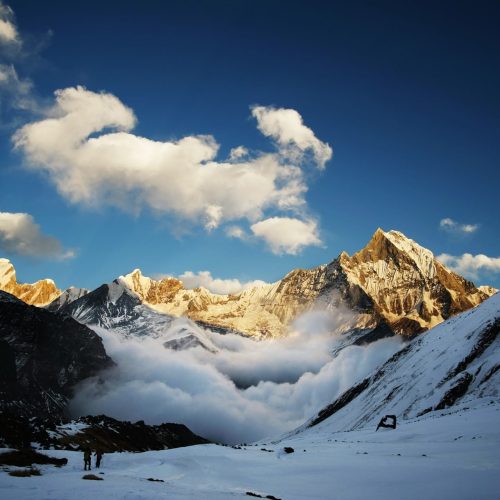
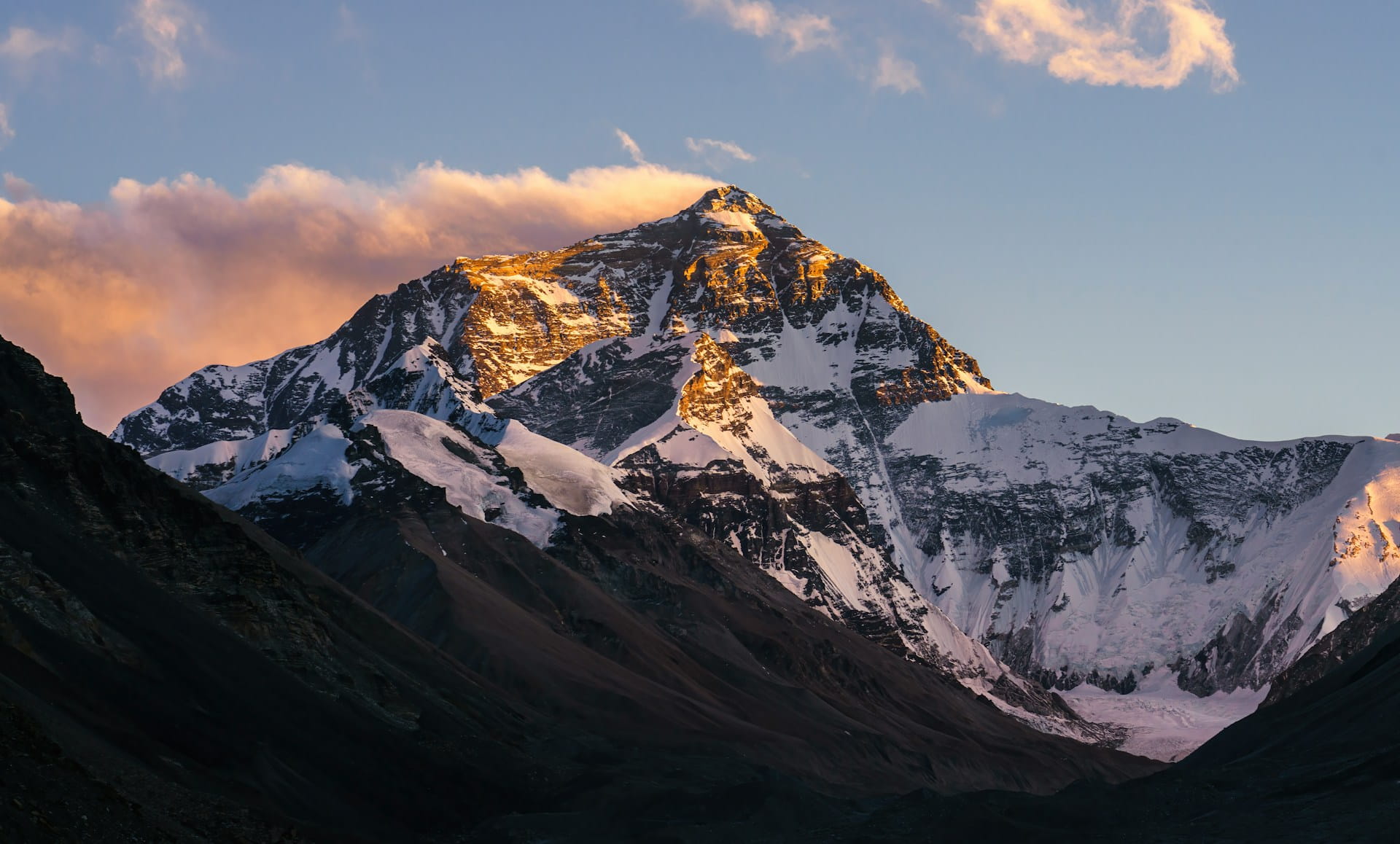
- Sunrise on Kala Patthar, the classic close-up viewpoint of Everest’s summit
- Summit Island Peak (6,165m) via crevasse ladders, a fixed-rope headwall and a narrow snow ridge
- Ideal acclimatisation: two weeks of gradual ascent, including a night at 5,164m, before summit night
- Tengboche Monastery, Namche Bazaar and the Sherpa villages of the Khumbu
- Rope and crampon training at Island Peak Base Camp, plus a spare summit day
- All permits, Lukla flights, NMA-licensed climbing guide and group climbing gear included
Why Choose This Everest Base Camp and Island Peak Package
Most people who climb Island Peak are short on acclimatisation, not on skill. Doing Everest Base Camp first fixes that. Your body adapts to 5,000m-plus altitude on easy walking days instead of on the glacier, and by the time you reach Island Peak you’ve already proved to yourself how you cope with altitude.
How this itinerary is built:
- Trek first, climb second. EBC and Kala Patthar come before the climb, not after, so they work as your acclimatisation.
- Two rest days early on, in Namche and Dingboche, before the high trail to Lobuche.
- Kala Patthar at dawn, not afternoon. You climb it at sunrise for the clearest Everest views, then descend to Dingboche the same day to recover before the climb.
- A spare summit day at Island Peak Base Camp for weather or recovery.
- Small rope teams, with one climbing guide for every two climbers on summit day.
The trade-off is time. At 20 days, this is a commitment. Compared with doing the trek and the climb as separate trips, though, it saves you a second set of Lukla flights and a week of repeated walking.
Route Overview
After flying to Lukla (2,860m), you follow the Dudh Koshi to Namche Bazaar and climb past Tengboche Monastery to Dingboche (4,410m), with acclimatisation days in Namche and Dingboche. From Dingboche the trail climbs to Thukla and the climbers’ memorials before Lobuche (4,940m), then follows the Khumbu Glacier’s lateral moraine to Gorak Shep (5,164m), the last settlement. From there it’s a rough, rocky walk to Everest Base Camp (5,364m) at the foot of the Khumbu Icefall.
Early next morning you climb Kala Patthar for sunrise on Everest, then descend all the way to Dingboche. From there you head east up the Imja valley to Chhukung (4,730m) and Island Peak Base Camp (5,087m). Summit day crosses a rocky gully and the glacier, with ladders over crevasses, to a 100–150m fixed-rope headwall at 40–50 degrees and a short exposed ridge to the 6,165m summit. You return via Pangboche and Namche to Lukla.
Distance & Walking Hours
Distances are approximate. Expect well over 130km of walking in total.
| Stage | Approx. distance | Walking time |
|---|---|---|
| Lukla → Phakding | 8 km | 3–4 hrs |
| Phakding → Namche Bazaar | 10 km | 5–6 hrs |
| Namche → Tengboche | 10 km | 5–6 hrs |
| Tengboche → Dingboche | 11 km | 5–6 hrs |
| Dingboche → Lobuche | 8 km | 5–6 hrs |
| Lobuche → Gorak Shep → EBC → Gorak Shep | 13 km | 7–8 hrs |
| Kala Patthar → Dingboche | 14 km | 7–8 hrs |
| Dingboche → Chhukung | 5 km | 2.5–3 hrs |
| Chhukung → Island Peak Base Camp | 7 km | 3–4 hrs |
| Base Camp → Summit → Base Camp | about 8 km | 10–14 hrs |
| Base Camp → Pangboche | 16 km | 6–7 hrs |
| Pangboche → Namche | 13 km | 5–6 hrs |
| Namche → Lukla | 18 km | 6–7 hrs |
Altitude Table
| Day | Overnight | Altitude |
|---|---|---|
| 1–2 | Kathmandu | 1,400m |
| 3 | Phakding | 2,610m |
| 4–5 | Namche Bazaar | 3,440m |
| 6 | Tengboche | 3,860m |
| 7–8 | Dingboche | 4,410m |
| 9 | Lobuche | 4,940m |
| 10 | Gorak Shep (EBC 5,364m) | 5,164m |
| 11 | Dingboche (Kala Patthar 5,545m) | 4,410m |
| 12 | Chhukung | 4,730m |
| 13–15 | Island Peak Base Camp (summit 6,165m) | 5,087m |
| 16 | Pangboche | 3,985m |
| 17 | Namche Bazaar | 3,440m |
| 18 | Lukla | 2,860m |
| 19 | Kathmandu | 1,400m |
Map Overview
The route is shaped like a Y. You walk up the Dudh Koshi stem from Lukla to Namche and Tengboche, then branch at Dingboche: first north-west up the Khumbu valley to Lobuche, Gorak Shep and Everest Base Camp, then back and east up the Imja valley to Chhukung and Island Peak. Both branches end against the same wall: Nuptse, Lhotse and Lhotse Shar.
Difficulty Level
This trip combines a hard trek with a moderate climb, all at high altitude.
- The trek (strenuous): long days at 4,000–5,500m on rocky trail, including two very long days around Gorak Shep and Kala Patthar. No technical skills are needed, but the cumulative fatigue is real.
- The climb (PD+): glacier travel roped to a guide, aluminium ladders across crevasses, then a 100–150m snow and ice headwall at roughly 40–50 degrees, steeper near the top. You ascend with a jumar on a fixed line and abseil down. A narrow, exposed ridge leads to the summit.
- Summit day: usually a 1–2am start and 10–14 hours round trip.
Why this combination is easier on the body than it looks: after Kala Patthar, Island Peak Base Camp (5,087m) is actually lower than where you’ve already slept. You arrive at the climb well adapted, which is the biggest single factor in summiting.
Fitness Requirements
Plan for 16 walking days in a row. You should be able to hike 6–8 hours with 800–1,000m of ascent carrying a 6–8kg daypack, and repeat it day after day.
A 12-week plan works for most people:
- Endurance: 3–4 sessions a week of hill walking, stairs, cycling or running, plus one long weekend hike building to 6+ hours.
- Strength: twice a week, focusing on legs and core (step-ups, lunges, squats, deadlifts, planks).
- Back-to-back days: in the final month, walk two long hilly days in a row with a loaded pack.
- Rope familiarity (optional): an indoor climbing session using an ascender, or a snow skills day, makes summit day less stressful.
See our Everest Base Camp training guide for a detailed programme. If you have any heart, lung or blood pressure condition, consult your doctor before booking.
Altitude Sickness & Acclimatisation
AMS (headache, nausea, dizziness, poor sleep, loss of appetite) affects many trekkers above 3,500m. Ignored, it can progress to HAPE or HACE, which can be fatal. Descending is the cure for worsening symptoms.
How this itinerary protects you:
- Steady gains of about 420–550m per night between Namche and Lobuche.
- Two acclimatisation days with “climb high, sleep low” hikes to around 3,880m and 5,080m.
- Only one night above 5,000m on the trek (Gorak Shep) before descending to sleep at Dingboche after Kala Patthar. This consolidates acclimatisation before the climb.
- Daily oximeter checks by your guide, and helicopter evacuation available through your insurance.
Drink 3–4 litres of water a day, walk slowly, avoid alcohol above Namche, and talk to your doctor about acetazolamide (Diamox) before travelling.
Best Time for Everest Base Camp and Island Peak
- Spring (late March–May): warmer nights, good snow on Island Peak, and Everest expedition tents at Base Camp in April and May. Expect afternoon cloud and busy trails in April.
- Autumn (late September–November): the clearest skies and best Everest views from Kala Patthar. October is the busiest month; November is colder but stable.
- Winter (December–February): quiet trails but bitter cold at Gorak Shep and on the headwall. For experienced, well-equipped climbers only.
- Monsoon (June–August): not recommended. Cloud, rain and frequent Lukla flight cancellations.
Read more in our guide to the best time to trek Everest Base Camp.
Weather by Season
Approximate temperatures. Kala Patthar at dawn and Island Peak’s summit ridge feel much colder in wind.
| Season | Gorak Shep (5,164m) day / night | Island Peak summit night | Conditions |
|---|---|---|---|
| Spring (Mar–May) | 4–10°C / −12 to −6°C | −10 to −20°C | Warming, afternoon cloud |
| Monsoon (Jun–Aug) | 8–14°C / −2 to 2°C | −5 to −10°C | Cloud, rain, flight delays |
| Autumn (Sep–Nov) | 0–8°C / −18 to −10°C | −12 to −25°C | Clearest skies, cold nights |
| Winter (Dec–Feb) | −5 to 3°C / −25 to −18°C | −20 to −30°C | Severe cold, quiet trails |
Transportation Details
- Airport transfers in Kathmandu are included.
- Lukla flights take about 25–35 minutes. In the spring and autumn seasons, most leave from Manthali Airport in Ramechhap, a 4–5 hour early-morning drive from Kathmandu, which we arrange by private vehicle. More in our Lukla flight guide.
- Porters carry your main bag (up to 15kg).
- Leave 1–2 days after the trip before your international flight, in case weather delays Lukla flights.
Accommodation
- Kathmandu (3 nights): tourist-standard hotel, twin-share, breakfast included.
- Teahouse lodges (13 nights): comfortable lodges with attached bathrooms are common in Namche and Lukla. Higher up, at Lobuche, Gorak Shep and Chhukung, rooms are basic twin rooms with shared toilets and a warm dining room. Gorak Shep lodges are the simplest on the route.
- Island Peak Base Camp (3 nights): our crew provides mountain tents, insulated mats, a dining tent and a toilet tent.
Meals & Drinking Water
All meals are included on the trek; breakfast is included in Kathmandu. Lodge menus offer dal bhat, noodle soups, pasta, potatoes, eggs, porridge and Sherpa stew. At Island Peak Base Camp our cook prepares meals for the team. Avoid meat above Namche. Treat all drinking water with tablets or a filter, or buy boiled water. Please avoid plastic bottles; the Khumbu has a serious waste problem.
Internet, Mobile Network & Charging
- 4G works in Namche and many lower villages, and is patchy above Dingboche.
- Wi-Fi is sold at most lodges (often via Everest Link cards). It’s slow, and the price rises with altitude.
- Charging costs extra per device at lodges, and there’s none at Island Peak Base Camp. Bring a 20,000mAh power bank and keep batteries warm.
Permits & Fees (2026)
All permits and the garbage deposit are included.
| Permit | Cost for foreign climbers |
|---|---|
| NMA Island Peak (Imja Tse) permit | USD 350 spring (Mar–May); USD 175 autumn, winter & summer |
| Sagarmatha National Park entry permit | NPR 3,000 + 13% VAT (about USD 25) |
| Khumbu Pasang Lhamu Rural Municipality fee | NPR 3,000 (about USD 22) |
| Garbage deposit | USD 500 per team, refundable |
The NMA royalties were revised from 1 September 2025. No TIMS card is needed in the Khumbu. Foreign trekkers must be accompanied by a licensed guide in Nepal’s national parks, and Island Peak must be climbed with a licensed climbing guide. See our Everest Base Camp permit guide for details.
Packing List
Group climbing gear (fixed ropes, anchors, ladders, tents) is provided. Personal climbing gear can be rented in Kathmandu for about USD 100–150. We check it all on Day 2.
| Category | Items | Bring or rent? |
|---|---|---|
| Climbing gear | Harness, ascender (jumar), belay/abseil device, 4 carabiners (2 locking), sling/prusik, ice axe, crampons, helmet | Rent or bring |
| Footwear | Broken-in trekking boots (for 16 days of trail), insulated mountaineering boots (for summit day only), camp shoes, wool socks | Mountaineering boots can be rented |
| Insulation | Down jacket (about −20°C), fleece or synthetic mid-layer, thermal base layers | Down jacket rentable |
| Shell | Waterproof jacket and trousers | Bring |
| Hands & head | Liner gloves, insulated gloves, mitts, warm hat, buff, sun hat | Bring |
| Sleeping | Sleeping bag rated −20°C | Rentable |
| Sun & eyes | Category 3–4 sunglasses, goggles, SPF 50, lip balm | Bring |
| Packs | 35–40L daypack (porter duffel provided) | Bring |
| Water & health | 2 × 1L bottles, purification, personal first-aid kit, medicines | Bring |
| Electronics | Headlamp, spare batteries, power bank | Bring |
| Documents | Passport (6+ months valid), 2 photos, insurance details, NPR cash | Bring |
Our Everest Base Camp gear guide covers the trekking kit in more depth.
Cost Breakdown
Our price is from USD 2,950 per person. A realistic total budget:
| Expense | Estimated cost (USD) | Included? |
|---|---|---|
| Everest Base Camp and Island Peak package (20 days) | 2,950 | — |
| Permits, park & municipality fees, garbage deposit | — | Included |
| Lukla return flights | — | Included |
| Nepal tourist visa (30 days) | 50 | Not included |
| Insurance with helicopter evacuation to 6,500m | 150–400 | Not included |
| Climbing gear rental (if needed) | 100–150 | Not included |
| Kathmandu lunches and dinners | 40–80 | Not included |
| Showers, charging, Wi-Fi, snacks and drinks | 130–230 | Not included |
| Tips for guides, porters and crew | 180–280 | Not included |
| Realistic total (excluding international flights) | about 3,600–4,140 |
Booking Everest Base Camp and Island Peak together usually costs less than two separate trips: one set of flights, one set of park fees, and no repeated walking.
What’s Included
- Airport pickup and drop-off in Kathmandu
- 3 nights’ hotel in Kathmandu with breakfast (twin-share)
- Private transfer to Ramechhap (Manthali) airport when Lukla flights operate from there
- Kathmandu/Ramechhap – Lukla – Kathmandu/Ramechhap flights for you and your guide
- 13 nights in teahouse lodges (twin-share)
- 3 nights’ camping at Island Peak Base Camp with tents, mats, dining and toilet tents
- Breakfast, lunch and dinner throughout the trek and climb
- NMA-licensed climbing guide (one guide for every two climbers on summit day) and English-speaking trekking guide
- Porters (one porter for two climbers, up to 15kg each)
- Base Camp cook and kitchen staff
- NMA Island Peak permit, Sagarmatha National Park permit and Khumbu Pasang Lhamu Rural Municipality fee
- Garbage deposit and waste management
- Group climbing gear: fixed ropes, anchors, ice screws and snow stakes
- Rope training session at Island Peak Base Camp
- Salary, meals, accommodation, insurance and equipment for all staff
- First-aid kit and pulse oximeter
- Trek duffel bag
- NMA summit certificate
- All government taxes and service charges
What’s Excluded
- International flights and Nepal visa fee
- Travel insurance (must cover climbing to 6,500m and helicopter evacuation)
- Lunch and dinner in Kathmandu
- Personal climbing gear and clothing (rental available)
- Showers, charging, Wi-Fi, bottled drinks, alcohol and snacks
- Extra nights caused by flight delays, early return or personal reasons
- Helicopter rescue (billed to your insurance)
- Tips for guides, porters and crew
- Anything not listed under What’s Included
Optional Add-ons
- Lobuche East as a second summit: experienced climbers can add Lobuche East (6,119m) after EBC. Ask us for a three-peak plan.
- Gokyo Lakes or Cho La pass extension before EBC. See Gokyo Lakes Trek and our Cho La Pass guide.
- Helicopter return from Dingboche or Pheriche after the climb (price on request).
- Private departure on your own dates.
- Kathmandu sightseeing with our Kathmandu Valley Tour.
- Extra porter for a lighter load.
Travel Tips
- Don’t rush Kala Patthar. Leave Gorak Shep around 4:30–5am to reach the top for sunrise, when Everest is clearest.
- Save your legs for the climb. The day from Kala Patthar to Dingboche is long, so take it slowly. You have two easier days before summit night.
- Carry rupees from Kathmandu. ATMs in Lukla and Namche are unreliable, and there are none higher up.
- Two pairs of boots: trekking boots for the trail, rented mountaineering boots for summit day only. Porters carry the heavy pair.
- Book flights home 1–2 days after Day 20.
- Keep electronics warm inside your sleeping bag at Gorak Shep and Base Camp.
Photography Spots
- Tengboche Monastery with Everest, Lhotse and Ama Dablam behind it.
- Thukla Pass memorials, with Pumori and the Khumbu valley ahead.
- Everest Base Camp: the Khumbu Icefall and, in spring, the expedition tents.
- Kala Patthar at sunrise: Everest’s summit pyramid, Nuptse and Pumori.
- Chhukung: the Lhotse–Nuptse wall and Island Peak from the valley floor.
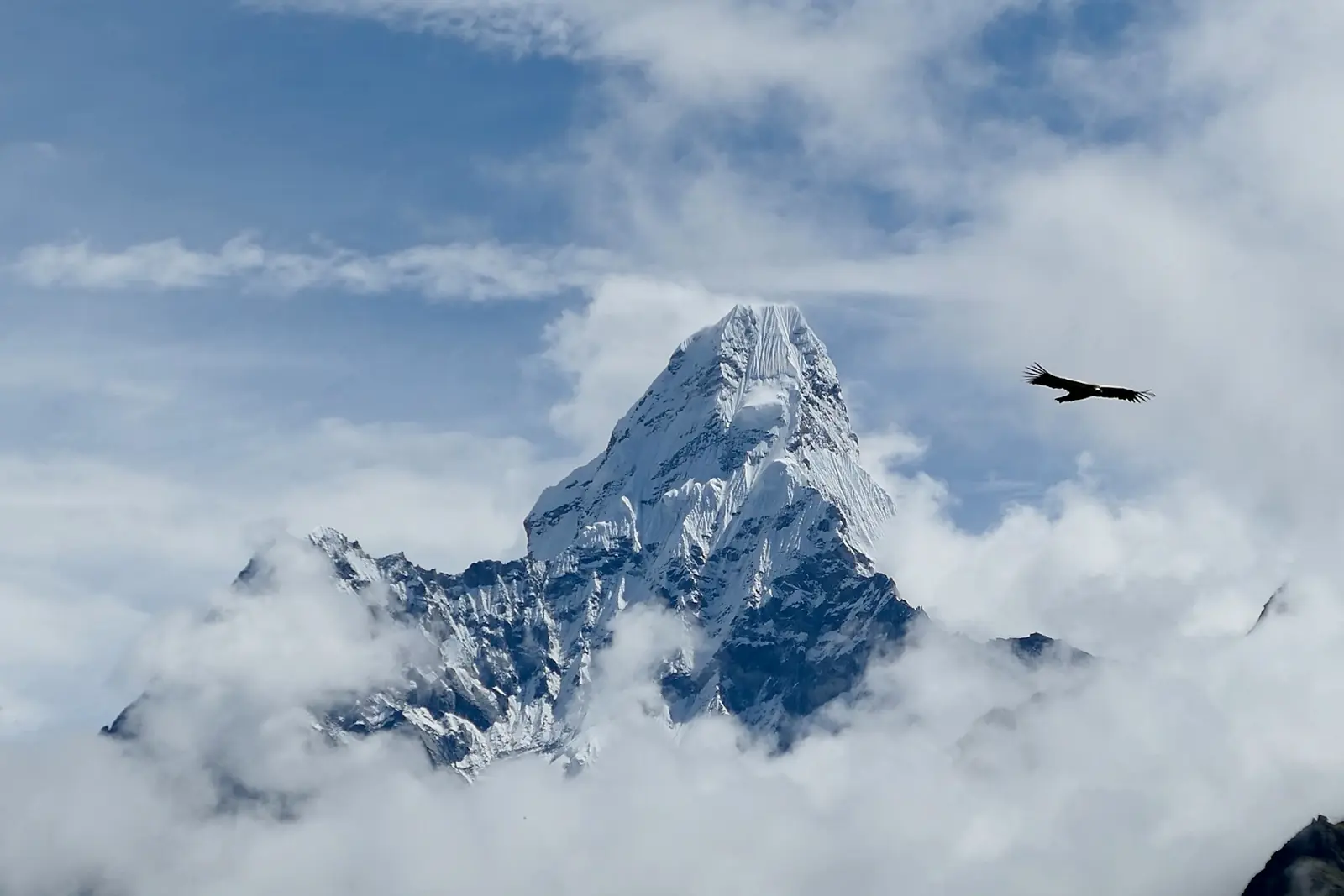
- Island Peak summit ridge: Lhotse’s south face, Makalu, Baruntse and Ama Dablam.
Responsible Trekking
- Pack out what you pack in, especially at Gorak Shep and Base Camp.
- Refill, don’t buy: purify water instead of buying plastic bottles.
- Respect Sherpa customs: pass mani walls and chortens on the left (walking clockwise), and ask before taking portraits.
- Fair porter loads: ours carry a maximum of 15kg each and are properly equipped and insured.
- Spend locally in the villages along the trail.
Why Book With Merriment Treks
- Planned for the summit: trekking first, a dawn Kala Patthar, an extra night at Dingboche and a spare climbing day.
- NMA-licensed climbing guides and a Base Camp crew.
- Transparent pricing: permits, flights and the garbage deposit are included, and the extra costs are listed above.
- Gear checked in Kathmandu, with rental support.
- One local team from enquiry to summit. Explore more peak climbing trips, including Mera Peak.
Cancellation & Refund Policy
Deposit, payment and cancellation terms are set out in our terms and conditions, and we confirm them in writing with every booking. Weather delays, a turned-back summit attempt or leaving the trek early are not refundable, so make sure your travel insurance covers trip cancellation and curtailment. Questions? Contact our team.
Book Your Everest Base Camp and Island Peak Trip
Everest Base Camp and Island Peak together is the most complete Khumbu adventure most people will ever do: the world’s most famous trek, then your own Himalayan summit, with the acclimatisation to make it realistic.
Send us your preferred dates and experience, and we’ll reply with honest advice and a clear quote. Contact us or use the booking form on this page.