Introduction to Trekking Permits in Nepal
Trekking permits in Nepal are not one document but a stack of them, and the stack changes depending on where you walk. An Annapurna trek needs one permit, Everest needs two, Langtang needs a park fee plus a trekking card, and a restricted valley such as Manaslu or Upper Dolpo needs a permit that only a registered agency can obtain. On top of that, the rules around guides and the TIMS card have shifted several times since 2023, and operator websites do not agree with each other. This guide sorts out what is consistent across sources, what is disputed, and what you should confirm before you pay for anything.
The short answer: for most popular treks you need a conservation area or national park permit, sometimes a local municipality permit, and, in a few regions, a TIMS card. For restricted areas you also need a restricted area permit through an agency, and a licensed guide. Fees are paid in Nepali rupees, except restricted area permits, which are quoted in US dollars.
Nepal Trekking Permits at a Glance
The table below shows the permits most trekkers ask about, with the fees quoted by operators and news reports in 2026. Fees for foreign, non-SAARC nationals are shown. SAARC nationals usually pay less. Treat every figure as a planning number and confirm it with a registered agency or the issuing office before you travel, because several sources quote slightly different amounts.
| Region | Permits usually needed | Typical fee for foreigners |
|---|---|---|
| Annapurna (Circuit, Base Camp, Poon Hill, Mardi Himal) | ACAP; TIMS status disputed | ACAP NPR 3,000 |
| Everest (Base Camp, Gokyo, Three Passes) | Sagarmatha National Park permit and Khumbu Pasang Lhamu local permit | NPR 3,000 each, so about NPR 6,000 together |
| Langtang and Gosaikunda | Langtang National Park permit; TIMS card | Park NPR 3,000; TIMS quoted at NPR 2,000 |
| Manaslu Circuit | MCAP, ACAP for the Annapurna side, restricted area permit, local fees | MCAP NPR 3,000; restricted permit USD 100 for 7 days in Sept to Nov, USD 75 in Dec to Aug |
| Tsum Valley | Restricted area permit added to the Manaslu permits | USD 40 for the first week in Sept to Nov, USD 30 in Dec to Aug |
| Nar Phu Valley | ACAP plus restricted area permit | USD 100 for 7 days in Sept to Nov, USD 75 in Dec to Aug |
| Upper Dolpo | Restricted area permit and park fees | USD 500 for the first 10 days, then USD 50 per day |
| Upper Mustang | Restricted area permit through an agency | Long quoted as USD 500 for 10 days; one 2026 guide reports a change to USD 50 per day |
If you only have time to read one thing, read the next two sections, which explain who issues what and why the paperwork differs so much between regions.
Who Issues What: Parks, Conservation Areas, Municipalities and Immigration
Permits in Nepal come from different bodies, and that is the root of most confusion. A national park, such as Sagarmatha or Langtang, charges an entry fee. A conservation area, such as Annapurna or Manaslu, charges a conservation permit. Local governments, such as the Khumbu Pasang Lhamu Rural Municipality in the Everest region, charge their own entry fee. Restricted areas are controlled by the Department of Immigration, which is why restricted area permits need a registered trekking agency and a licensed guide.
This split explains why you often buy two or three small permits for one trek. It also explains why a rule change in one place does not automatically apply in another. When an operator says “no TIMS in Everest”, for instance, that is partly a story about a local municipality issuing its own permit instead.
The practical effect is simple. Before you book a Nepal trekking permit for any route, ask three questions: which park or conservation area does the trail cross, does the local municipality charge a separate fee, and is any part of the route restricted? Those three answers tell you the full list.
Annapurna Region: ACAP and the TIMS Question
Every trail inside the Annapurna Conservation Area requires the Annapurna Conservation Area Permit, known as ACAP. That covers the Annapurna Circuit, Annapurna Base Camp, Ghorepani Poon Hill, Mardi Himal and the side valleys. Operator guides quote the fee for foreigners at NPR 3,000, with a reduced rate for SAARC nationals. It is paid in rupees, and you should carry cash for it.
Several operator guides report that permits bought at a checkpoint can cost double, so it is cheaper to get the permit in Kathmandu or Pokhara, or through an agency, before you start walking. Children under 10 are reported to be exempt from the fee, though they should still be registered.
The TIMS card is where Annapurna gets confusing. Some operators say it is no longer enforced here, others say it is still checked, and some describe it as being replaced by a digital system. We cover that in its own section below. For route-specific detail, see our Annapurna Base Camp permit guide, and if you are planning the longer loop, our breakdown of Annapurna Circuit trek cost shows where permits sit in the overall budget.
Everest Region: Two Permits and Usually No TIMS
The Everest region uses two permits rather than one. The first is the Sagarmatha National Park entry permit, quoted at NPR 3,000 for foreigners. The second is the local permit issued by the Khumbu Pasang Lhamu Rural Municipality. That fee was raised by NPR 1,000 for the 2024/25 fiscal year, according to a Himal Press report on the Everest region entry fee, which gave the new rate for non-SAARC visitors as NPR 3,000. Older pages still list NPR 2,000, so you will see both numbers online.
In practice, trekkers collect the local permit at Lukla and the park permit at the checkpoint between Monjo and Jorsale, according to operator guides. Because the local municipality introduced its own permit in 2017 and stopped checking TIMS cards, many operators say the Everest region does not require TIMS. The same operators still tell you to confirm this with your agency. Our dedicated EBC trek permit guide goes through the Lukla process in more detail.
Langtang: Park Permit Plus a Trekking Card
Langtang National Park charges an entry fee, which operators quote at NPR 3,000 for foreigners. Most guides add a TIMS card on top, quoted at NPR 2,000 for foreigners and NPR 1,000 for SAARC nationals or group rates. Langtang is also one of the places where operators say rules are enforced most firmly.
One operator guide states that solo trekking has been explicitly banned in Langtang since February 2025, so you should assume that a guide or agency registration is needed. For route-specific steps and checkpoint details, use our Langtang Valley trek permits guide.
Manaslu and Tsum Valley: The Layered Permit Stack
The Manaslu Circuit is the clearest example of why trekking permits in Nepal need planning. A typical trek combines the Manaslu Conservation Area Permit (MCAP), a restricted area permit, and a local fee from the Chumnubri Rural Municipality, reported at NPR 1,000 for foreigners. Because the route finishes on the Annapurna side, you also need ACAP.
The restricted area permit for Manaslu is quoted by several operators at USD 100 for the first seven days between September and November, then USD 15 for each extra day. From December to August the quote is USD 75 for seven days, then USD 10 a day. Tsum Valley, a side valley, adds its own restricted permit. MCAP and ACAP can reportedly be processed through an online system run by the National Trust for Nature Conservation, but the restricted area permit cannot. It has to be arranged by a registered agency.
Do not try to assemble this stack yourself. The restricted permit is tied to your exact dates, so errors in the itinerary cause problems at checkposts.
Restricted Areas: Upper Mustang, Upper Dolpo and Nar Phu
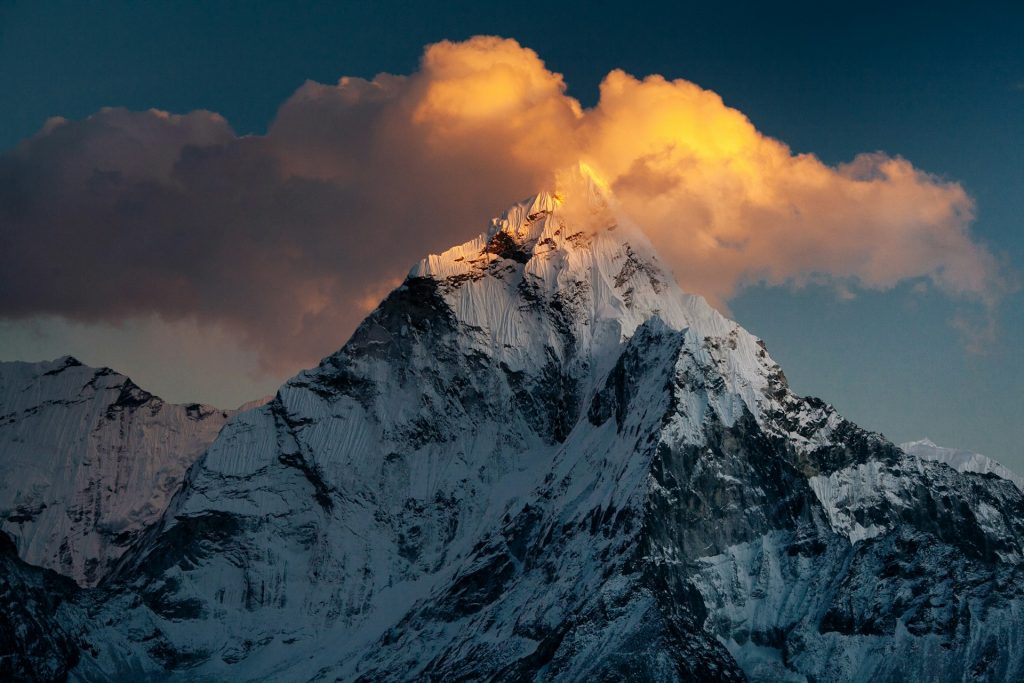
A restricted area is a border or remote region where entry is controlled. There, the rules are stricter and the fees are higher. Restricted area permits are processed through a registered agency in Kathmandu, require a licensed guide, and are quoted in US dollars. They are valid only for the dates in your itinerary.
- Upper Dolpo: operators quote USD 500 for the first ten days and USD 50 for each day after that. Our Upper Dolpo trekking permit guide covers this in depth.
- Upper Mustang: the long-standing fee has been USD 500 for ten days. One 2026 guide reports a move to USD 50 per day, so ask your agency which version applies on your dates.
- Nar Phu Valley: a restricted area permit plus ACAP, with seasonal pricing similar to Manaslu.
In March 2026, several operators reported that the Trekking Agencies’ Association of Nepal and the immigration department allowed a single trekker to apply for a restricted area permit, removing the earlier two-trekker minimum, and that one licensed guide may lead up to seven trekkers. A licensed guide and a registered agency are still required. These details come from agency pages, so confirm them before you plan around them.
What Is the Real Status of the TIMS Card?
TIMS stands for Trekkers’ Information Management System. It was launched in 2008 to record trekkers in higher-altitude areas so they could be traced in an emergency. An Online Khabar analysis of TIMS cards from December 2022 reported that checkpoints were poorly connected, that trekkers were rarely asked to show the card, and that the Khumbu municipality had stopped checking it in 2017 and issued its own permit instead.
The fee was raised in April 2023. The Kathmandu Post reported that the Nepal Tourism Board raised the TIMS fee for non-South Asian trekkers from NPR 1,000 to NPR 2,000 from April 1 that year. Since then, 2026 operator pages tell conflicting stories:
- Some say TIMS has been discontinued and is not required anywhere.
- Some say it is still required in Langtang, the lower Manaslu trail, Rara and the far west, but not in Everest or Annapurna.
- Some say a digital e-TIMS system with QR codes is replacing the old card.
No single operator page settles this, and none of the ones I read named an official notice. The safe approach is to ask your agency whether a TIMS card or its digital replacement is required for your exact route and dates, and to get that answer in writing if possible. A few 2026 pages also mention a new environmental levy sometimes called a Green Fee. I could not confirm details, so treat it as something to ask about rather than assume.
Do You Need a Guide? What Is Settled and What Is Not
This is the question behind most searches for a Nepal trekking permit. The history is clear. The Nepal Tourism Board decided in 2023 that a licensed guide would be mandatory for solo and independent foreign trekkers from April 1, according to a Kathmandu Post report on the guide rule. The decision did not apply to Nepali trekkers.
What is disputed is how it works on the ground. Some 2026 operator pages say the rule is fully enforced in conservation areas and national parks. Others say the Everest local municipality rejected it, and that the Annapurna region was excluded or is not meaningfully enforced. A third group says solo trekking is banned throughout Nepal. Restricted areas have always required a guide, so that part is not in doubt.
Here is how to treat that uncertainty sensibly:
- For restricted areas, assume a licensed guide and a registered agency are mandatory.
- For Langtang, assume the same, because operators describe firm enforcement.
- For Annapurna and Everest, do not rely on a blog post saying a guide is optional. Ask the permit office or an agency, and remember that a guide is useful for safety at altitude whatever the legal position.
The rule changed once and may change again. A recent answer from someone who is processing permits this season is worth more than any article, including this one.
How to Apply for a Trekking Permit in Nepal, Step by Step
The process is straightforward once you know which permits you need. Here is the typical sequence for a non-restricted trek.
- Confirm your route and dates. Decide which regions the trail crosses, because that determines the permit list.
- Check the permit list with an agency. Ask which park, conservation area and local permits apply, and whether a TIMS card or digital equivalent is needed.
- Gather your documents. A passport valid for at least six months, passport-size photos and your trek dates are the usual requirements.
- Apply in Kathmandu or Pokhara. Operator guides name the Nepal Tourism Board office in Kathmandu and the Tourist Service Centre in Pokhara as the usual issuing points, and some conservation area permits can be handled online or at trailhead checkposts.
- Pay in Nepali rupees. Park and conservation fees are paid in rupees, so exchange money beforehand.
- Keep every receipt. You will be asked for permits at checkpoints, and replacement can be slow.
For restricted areas the process differs. A registered agency applies on your behalf, uses your passport and visa details, and files the itinerary. You cannot apply individually.
Documents and Timing: When to Apply
Conservation area and national park permits can often be issued the same day or within about a day, according to operator guides. Restricted area permits take longer, with operators quoting two to five working days, so allow extra time in peak season.
Apply earlier than you think you need to if you are travelling in October or November, which is the busiest period, or if your route includes a restricted area. Some operators advise starting a week to ten days ahead for restricted treks. Permits are generally described as non-refundable once issued, so confirm your dates before paying.
Keep both a paper and a digital copy. A photo on your phone does not replace the original at a checkpost, but it helps if a document is lost.
How Much Should You Budget for Permits?
Permit costs are small compared with flights, lodging and guides, but they add up when a trek crosses several jurisdictions. A rough sense of scale from the figures above:
- A typical Annapurna trek needs one permit at about NPR 3,000.
- An Everest Base Camp trek needs two permits at roughly NPR 3,000 each.
- Langtang needs a park permit and a TIMS card, around NPR 5,000 together at quoted rates.
- A Manaslu trek stacks MCAP, ACAP, a local fee and a restricted area permit, which together are the largest permit bill on the common routes.
Do not forget the costs around permits: agency fees, a guide if required, insurance and any rescue cover. Agencies often bundle permits into the trek price, so check whether a quote includes them. A bundled price is easier, but you should still know what each line costs.
Why the Same Permit Costs Different Amounts for Different People
The figures in this guide are for foreign, non-SAARC visitors, which is the group most international trekkers belong to. Fees change with nationality, and a few other factors move the price as well.
- SAARC nationals: citizens of South Asian countries usually pay less. Operators quote ACAP and MCAP at NPR 1,000 for Indian and SAARC trekkers, and park permits such as Sagarmatha and Langtang at NPR 1,500. The Everest local permit was set at NPR 2,000 for SAARC and Chinese visitors in the 2024/25 fee notice.
- Nepali citizens: they pay a nominal fee, quoted at NPR 100 for several conservation areas and for Langtang. The 2023 guide decision did not apply to Nepali trekkers.
- Children under 10: the Everest local fee notice lists free entry for children under 10 with supporting documents. Operators report a similar exemption for ACAP, with registration still needed for restricted areas.
- Season: restricted area permits for Manaslu, Tsum Valley and Nar Phu cost more in September to November than in December to August.
- Length of stay: restricted permits are charged per day beyond the first week or first ten days, so a longer itinerary costs more.
The practical lesson is to read the fine print on any quote. A price that looks low may be quoted for SAARC nationals, for the off-season, or without a local municipality fee.
A Permit Checklist for Four Popular Treks
Use these as conversation starters with your agency, not as final lists. They show the shape of the paperwork for each route, based on the operator and news sources above.
Annapurna Circuit or Base Camp
- ACAP, bought in Kathmandu, Pokhara or online rather than at a checkpoint.
- A written answer from your agency on whether TIMS or a digital equivalent is checked this season.
- A confirmed answer on guide requirements for your dates.
Everest Base Camp
- The Khumbu Pasang Lhamu local permit, collected at Lukla.
- The Sagarmatha National Park permit, collected on the trail near Monjo.
- Confirmation that TIMS is not required, since the local municipality issues its own permit.
Langtang Valley
- The Langtang National Park permit.
- A TIMS card or its replacement, as your agency confirms.
- An agency registration or licensed guide, given the reported enforcement in this region.
Manaslu Circuit
- MCAP and ACAP, which can reportedly be handled online.
- A restricted area permit through a registered agency, matched to your exact itinerary dates.
- The Chumnubri Rural Municipality fee, and a Tsum Valley permit if you add that side trip.
- A licensed guide, and travel insurance details for the application.
What Happens at Checkpoints on the Trail
Permits are checked at checkposts, which sit at park gates, village entrances and the start of conservation areas. Staff record your details and compare them with your documents. This is the point where mistakes surface, such as a missing local permit, dates that do not match, or a permit bought at the wrong office.
Trekking without the required permits can lead to fines or being turned back, according to operator pages, though the amounts and procedures they describe vary and I could not verify an official schedule. The simplest protection is to carry the original permits, keep receipts and avoid arriving at a checkpoint with only a photo on your phone.
Checkpoints also matter for safety. They create a record of when you passed, which helps if you are late or an emergency occurs, even though critics of the TIMS system have pointed out that the records were not always well connected between posts. Treat the check-in as a useful habit rather than an obstacle, and tell your guide or lodge your plan on sections without signal.
Insurance, Rescue Cover and Your Application
Permits and insurance are separate things, but they often meet in the paperwork. Some operators say restricted area applications ask for travel insurance details, so have your policy number ready. More important than the form is the content of the policy.
Check that it covers trekking at the altitude you will reach, not just general travel. Look for helicopter evacuation, medical treatment and repatriation, and read the exclusions on maximum altitude and on unguided activity. Insurers can treat the rules on guides differently, so if you plan to walk without one, tell the insurer exactly what you plan and get their answer in writing.
A permit does not rescue you from a bad situation. It only proves you are allowed to be there. Good cover, a sensible itinerary and local advice do the real work.
Timing Your Trek: Season and Permit Pricing
Season affects permits in two ways. First, restricted area fees are often higher from September to November than from December to August, as with Manaslu and Nar Phu. Second, the busiest months bring longer queues and tighter schedules at issuing offices.
Season also affects whether you can trek at all. During the monsoon, trails and flights are disrupted, and some conditions make high routes unsafe. If you are comparing months, ask your agency how the monsoon affects your specific route before you pay for permits that are tied to fixed dates.
Common Permit Mistakes That Cost Trekkers Time and Money
Most permit problems come from small oversights made before the trek.
- Buying at a checkpoint. Operators report that some conservation permits cost double when issued on the trail, so buy in advance.
- Assuming last year’s fees. The Everest local permit changed in 2024, and several fees differ between older and newer pages.
- Mixing up TIMS and the park permit. They are separate documents issued by separate bodies.
- Forgetting the local permit. Municipality fees, such as Khumbu or Chumnubri, are easy to miss.
- Relying on one blog for guide rules. Agency pages disagree. Verify with the issuing office or a registered agency.
- Booking restricted permits too late. They are tied to dates and cannot be self-issued.
- Carrying only dollars. Park and conservation fees must be paid in rupees.
- Losing receipts. Checkposts ask for them repeatedly.
Agency or Independent: Which Route Makes Sense?
For a restricted area, there is no choice, because a registered agency is mandatory. For other treks, the question is how much risk you want to carry. An agency handles permits, tells you which ones your route needs and takes responsibility for getting dates and documents right. You pay for that convenience, but you avoid errors that can delay a trek.
If you plan to handle permits yourself, do it early, confirm each fee with the issuing office and keep a written record of any answer you rely on, especially on guide requirements. The rules around independent trekking are the part most likely to have changed since an article was written.
Ten Questions to Ask an Agency Before You Pay
Because published rules conflict, the best protection is a short list of direct questions. Ask them by email so you have the answers in writing.
- Which permits does my exact route need, including local municipality fees?
- Are the fees you quote for foreign non-SAARC visitors, and are they for this season?
- Is a TIMS card or digital equivalent checked on this route right now?
- Is a licensed guide required on this route, and what does your quote include for the guide?
- Are permits included in the trek price, and are they itemised?
- Who buys the permits, and when will I receive copies?
- What happens if my dates change after permits are issued?
- For a restricted area, how many working days do you need and what documents will you collect?
- What insurance cover do you require or recommend for this altitude?
- Can you point me to the official notice behind any rule you describe as new?
An agency that answers clearly and cites its sources is a good sign. One that gives vague answers about permits is worth questioning before you pay a deposit.
Peak Climbing Permits Are a Separate System
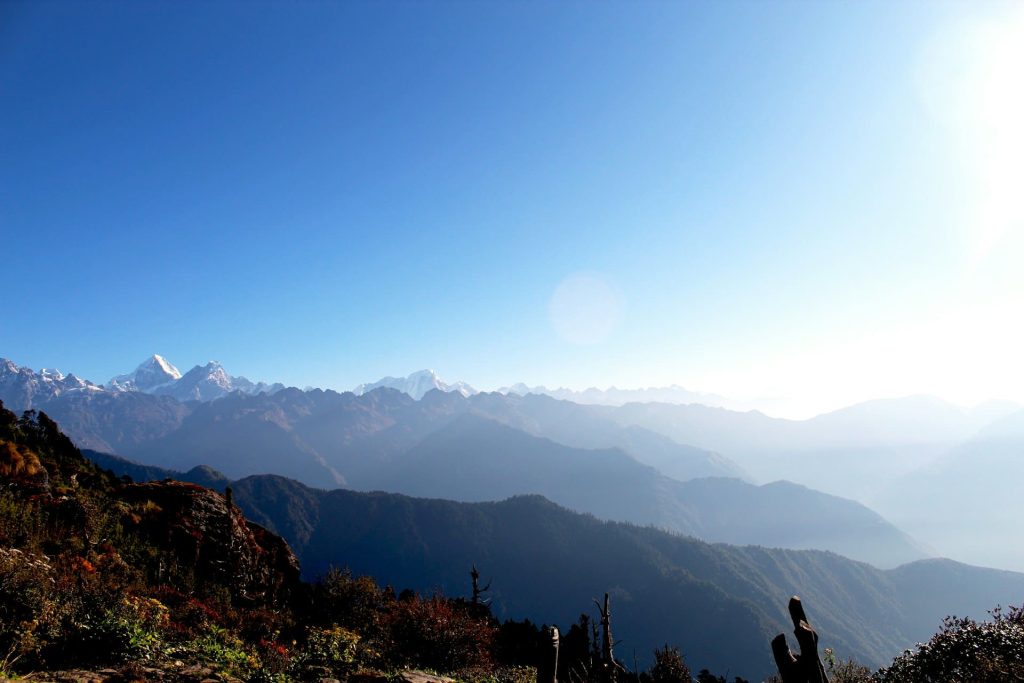
Climbing a trekking peak, such as Island Peak, requires its own climbing permit in addition to the trekking permits for the region you walk through. That system has its own fees and rules, and it is not covered by anything in this guide. Start with our overview of peak climbing in Nepal to see how climbing permits fit with trek permits.
FAQs about Trekking Permits in Nepal
1. What permits do I need for trekking in Nepal?
It depends on the region. Annapurna requires ACAP. Everest needs the Sagarmatha National Park permit plus the Khumbu local permit. Langtang needs a park permit and, according to most operators, a TIMS card. Restricted areas need a restricted area permit through an agency and a licensed guide. Always confirm the exact list for your route.
2. How much do trekking permits in Nepal cost?
Operators quote NPR 3,000 for ACAP, MCAP, Sagarmatha National Park and Langtang National Park, and NPR 3,000 for the Khumbu local permit. Restricted areas are priced in dollars, such as USD 100 for seven days on the Manaslu permit in autumn. Fees vary between sources, so confirm before paying.
3. Is the TIMS card still required?
Sources disagree. Some say it has been discontinued, some say it is still needed in Langtang, the lower Manaslu trail and the far west, and some describe a digital replacement. Ask your agency for the current rule on your route and dates.
4. Do I need a guide, and can I trek solo?
A licensed guide is mandatory in restricted areas. In 2023 the Nepal Tourism Board decided guides would be compulsory for solo foreign trekkers generally, but 2026 sources disagree on enforcement in Annapurna and Everest, and Langtang is reported to ban solo trekking explicitly. In March 2026, operators reported that a single trekker can apply for a restricted area permit through an agency, but a licensed guide is still required. Check current rules with an agency or the permit office.
5. Where can I get a trekking permit in Nepal?
Operators name the Nepal Tourism Board office in Kathmandu and the Tourist Service Centre in Pokhara for conservation permits. Some can be processed online or at trailhead checkposts. Restricted area permits must go through a registered agency in Kathmandu.
6. Can I buy a permit on the trail?
In some places you can, but operators report that conservation permits issued at a checkpoint may cost double. Everest local and park permits are collected along the route, at Lukla and between Monjo and Jorsale. Buying ahead is cheaper and safer.
7. What documents do I need?
Usually a passport valid for at least six months, passport-size photos and your trek dates. Restricted areas also need your itinerary and, according to some operators, travel insurance details.
8. How long does it take to get a permit?
Conservation and park permits are often issued the same day or within about 24 hours. Restricted area permits take longer, with operators quoting two to five working days. Apply earlier in the October and November peak.
9. Are trekking permits refundable?
Operators generally describe permits as non-refundable once issued. Confirm your route and dates before paying, and ask how changes are handled.
10. Do peak climbing trips need different permits?
Yes. A trekking peak requires its own climbing permit in addition to the trekking permits for the region. That system has separate fees and rules, so check it separately.
Get Your Nepal Trekking Permits Sorted with Merriment Treks
Not sure which permits your route needs, or what the current rules are on guides and TIMS? Tell us your dates, the region you want to walk and whether you are travelling solo or in a group, and we will help you work out the permit list and timing before you commit to anything.
Message us on WhatsApp: +977 974-0262168