What Is a High Altitude Expedition?
High altitude expedition refers to a multi-day climbing objective above 5,500 metres that requires technical mountaineering skills, multiple camps, self-sufficiency, and typically supplemental oxygen above 7,000 metres. The term distinguishes itself from trekking in one critical way: the goal is not to walk at altitude but to climb to a summit using ropes, crampons, ice axes, and fixed-line systems.
In Nepal’s regulatory framework, the line is drawn at 6,500 metres. Peaks above that threshold are classified as expedition peaks and require a climbing permit, a designated sirdar (head guide), and a liaison officer. Trekking peaks between 5,800 and 6,500 metres require a climbing permit and a Nepali guide but not a liaison officer.
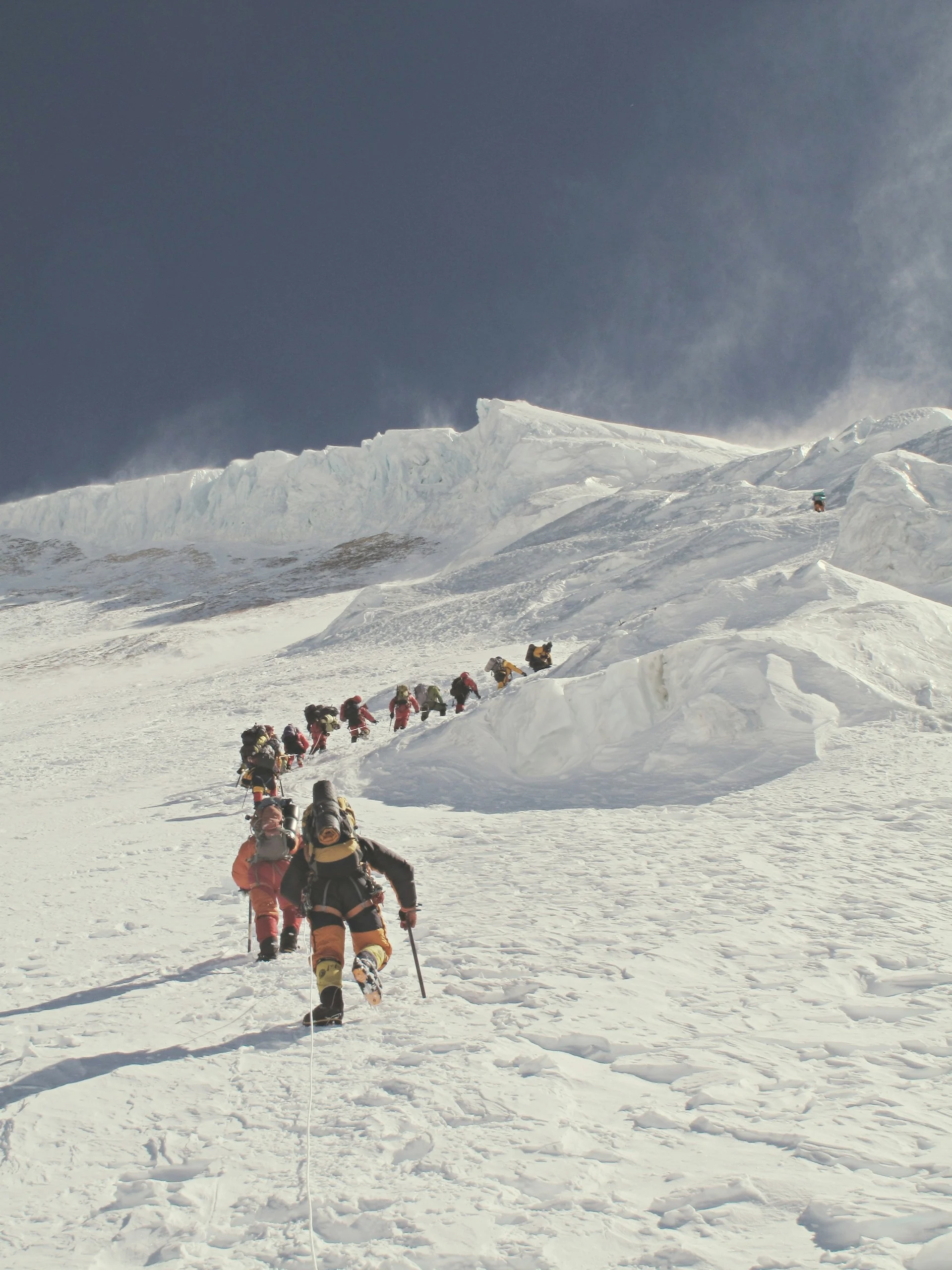
What Counts as High Altitude?
Medical and mountaineering definitions differ, and this matters when you are reading operator pages or training advice.
| Altitude Band | Classification | Practical Reality |
|---|---|---|
| 2,500–3,500m | High altitude (medical) | Mild breathlessness, possible AMS |
| 3,500–5,500m | Very high altitude | Acclimatization essential; AMS common |
| 5,500–7,000m | Extreme altitude | Performance drops significantly |
| Above 7,000m | Oxygen-critical zone | Supplemental oxygen standard |
| Above 8,000m | Death zone | Body deteriorates without oxygen |
At 5,800 metres, the partial pressure of oxygen is approximately half that at sea level. On the summit of Everest (8,848 metres), it is roughly one-third. This is why acclimatization is not optional — it is the single most important variable in expedition success.
Trekking Peak vs Expedition Peak vs 8,000m Giant
Nepal offers three distinct levels of high altitude climbing, and understanding the progression is essential for choosing the right objective.
Trekking peaks (5,800–6,500m) include Mera Peak (6,476m), Island Peak (6,189m), and Lobuche East (6,119m). These are accessible to fit trekkers with basic mountaineering training. They require crampons, ice axe, and rope work but no sustained technical climbing.
Expedition peaks (6,500–7,999m) include Himlung Himal (7,126m), Baruntse (7,129m), and Putha Hiunchuli (7,246m). These demand prior high-altitude experience, solid technical skills on 45–50° slopes, and the ability to spend multiple nights above 6,000 metres.
8,000-metre peaks include Everest, Manaslu, Cho Oyu, Makalu, Lhotse, Dhaulagiri, and Kanchenjunga. These require 40–60 day expeditions, supplemental oxygen, 1:1 Sherpa ratios at the highest level, and prior 7,000-metre experience under Nepal’s 2026 regulations.
Why High Altitude Expeditions Are Difficult
High altitude expedition difficulty is not linear. The body does not simply work harder at 7,000 metres than it does at 5,000 metres — it works differently. Hypoxia triggers a cascade of physiological responses that take days or weeks to stabilise, and if ascent outpaces adaptation, altitude illness follows.
The three primary risks are:
Hypobaric hypoxia: Reduced oxygen availability impairs cognitive function, physical performance, and sleep quality. At 5,800 metres, oxygen partial pressure is half that at sea level.
Environmental exposure: Cold, wind, UV radiation, and dehydration compound the physiological stress. Frostbite, hypothermia, and snow blindness are constant threats.
Objective hazards: Crevasses, avalanches, seracs, and rockfall are not altitude-related but are amplified by fatigue and impaired decision-making.
Physical fitness does not protect against altitude illness. In fact, fitter climbers sometimes ascend faster and develop symptoms sooner. The only reliable protection is gradual ascent and appropriate acclimatization.
Acclimatization: The Science and the Protocol
Acclimatization is the process by which the body increases ventilation, improves oxygen transport, and adjusts cerebral blood flow to function at reduced oxygen levels. The acute phase occurs over the first 3–5 days following ascent, with continued adaptation over weeks.
The core protocol is “climb high, sleep low.” Climbers ascend to a higher altitude during the day, then return to a lower camp to sleep. This exposes the body to altitude stress without overwhelming its adaptive capacity.
The CDC recommends that once above 3,000 metres, sleeping altitude should not increase by more than 500 metres per night, with a rest day every 3–4 days. For expedition peaks, this translates into multiple rotations: climb to Camp 1, return to base camp; climb to Camp 2, sleep, return; climb to Camp 3, sleep, return. Only after these rotations does the team attempt the summit.
Pre-Acclimatization
For climbers on tight schedules, pre-acclimatization using hypoxic tents (Hypoxico systems) or prior climbs of at least 5,500 metres can reduce the number of rotations required on the main peak. This is not a shortcut — it is a supplement to, not a replacement for, on-mountain acclimatization.
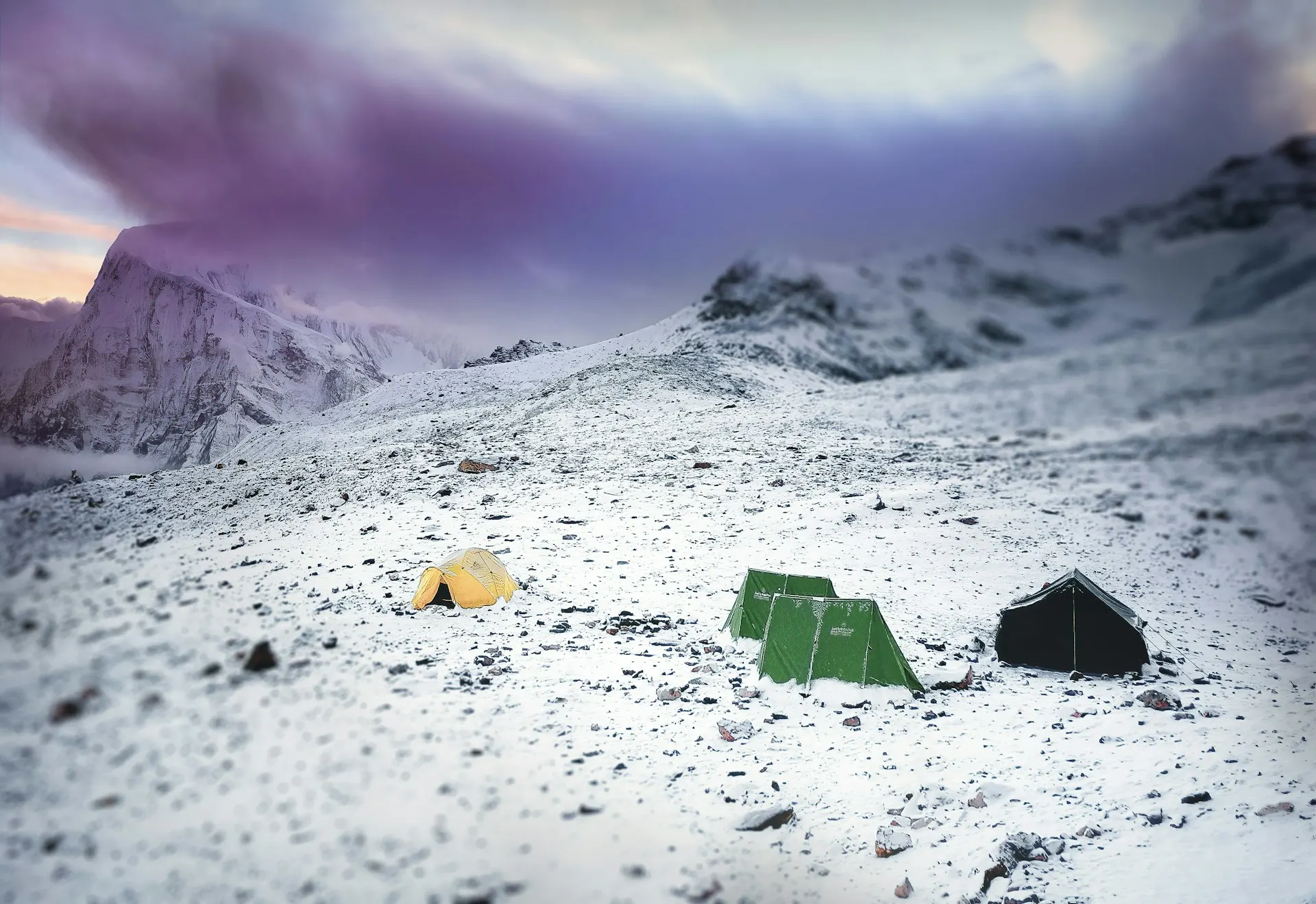
Altitude Sickness: AMS, HAPE, and HACE
Altitude illness is not a sign of weakness. It affects approximately 25% of people ascending to 2,000–3,000 metres and 50–70% of those ascending to 4,340 metres, with rates as high as 80% among pilgrims in the Nepal Himalaya.
| Condition | Symptoms | Treatment |
|---|---|---|
| Mild AMS | Headache, fatigue, nausea, dizziness | Rest, hydrate, do not ascend |
| Moderate AMS | Persistent symptoms, vomiting | Descend 300–500m, consider acetazolamide |
| HACE | Confusion, ataxia, altered consciousness | Immediate descent, dexamethasone, oxygen |
| HAPE | Breathlessness at rest, cough, extreme fatigue | Immediate descent, oxygen, nifedipine |
The golden rule is simple: if symptoms worsen, descend. Descent is the most effective treatment for all altitude illnesses. Dexamethasone is useful for HACE, and nifedipine or phosphodiesterase inhibitors are useful for HAPE.
Physical fitness does not reduce risk. This is one of the most important things to understand before your high altitude expedition. Training prepares your muscles and cardiovascular system; it does not prepare your respiratory and neurological systems for hypoxia.
Physical Training for High Altitude Expeditions
Training for a high altitude expedition should begin six to eight months before departure. The three metrics that predict physical readiness are weekly training volume, sustained consistency, and weekly vertical gain.
For an 8,000-metre expedition with supplemental oxygen, climbers who have successfully summited have averaged 8–10 hours per week over the six months leading up to the climb, with peak weeks reaching 15–20 hours. Vertical gain should average 4,000–5,000 feet per week, with individual weeks reaching much higher.
A practical training framework:
-
Base phase (months 1–3): 6–8 hours per week, building aerobic base through hiking, running, or cycling.
-
Build phase (months 4–5): 10–15 hours per week, adding weighted pack carries and stair climbing.
-
Peak phase (month 6): 15–20 hours per week, with back-to-back long days simulating expedition demands.
-
Taper (final 2–3 weeks): Reduce volume by 40–50%, maintain intensity.
Consistency matters more than any single heroic training week. Fitness is built through months of progressive loading, not through last-minute intensity.
Experience and Technical Skills
High altitude expedition experience requirements vary by peak level.
For trekking peaks (5,800–6,500m): No prior mountaineering experience is strictly required if you book a guided expedition with training included. You should be comfortable with basic rope work, crampon use, and fixed-line ascent by the time you reach the summit push.
For 7,000m peaks: Most operators require prior experience at 5,000m+ and solid technical skills, including crevasse rescue, self-arrest, and efficient movement on steep snow and ice.
For 8,000m peaks: Nepal’s Department of Tourism now requires proof of a previous 7,000-metre climb in Nepal for Everest permits. Climbers must also provide a verified certificate from the Department of Tourism and a recent health certificate issued within the last month.
Skills can be learned on a training course or on a guided trekking peak before committing to a larger expedition. Merriment Treks offers progression planning for climbers moving from trekking peaks to expedition objectives.
Equipment and Gear
High altitude expedition equipment is a system, not a checklist. Every item interacts with the others, and failure at any point can cascade.
Essential personal gear for an 8,000m expedition:
-
High-altitude double boots rated to –40°C
-
Down suit or layered system with equivalent warmth
-
Insulated mittens and gloves (multiple pairs, including liners)
-
Balaclava, neck gaiter, ski goggles, glacier glasses
-
Climbing harness, helmet, crampons, ice axe
-
Ascender (jumar), belay device, locking carabiners
-
Headlamp with spare batteries
-
Sleeping bag rated to –40°C, insulated sleeping pad
-
Water bottles, thermos, pee bottle
-
Personal medical kit, sunscreen, lip balm
Operators provide group equipment including ropes, tents, cooking systems, oxygen, and communications. Always confirm what is included versus what you are responsible for.
Oxygen and Medical Support
Supplemental oxygen becomes standard practice above 7,000 metres and is essential above 8,000 metres. A typical oxygen package on an 8,000-metre expedition includes 3–6 bottles per climber, with flow rates of 3L/min or more while climbing and 1L/min while sleeping.
Highland Expeditions, for example, provides up to 11 bottles on Everest — 8 for the climber and 3 for the Sherpa — with a 1:1 Sherpa ratio and a UIAGM/IFMGA expedition leader. Adventure Consultants provides a high-flow oxygen package for all team members included in the expedition fee, with a Fast Track expedition priced at US$97,200 ex-Kathmandu.
An expedition doctor is often present at base camp, and some operators have medical support at higher camps. A portable altitude chamber (Gamow bag) is standard safety equipment on reputable expeditions.
Food, Hydration, and Nutrition
At altitude, appetite decreases while caloric needs increase. This deficit accelerates fatigue and impairs recovery. Aim for 3,000–5,000 calories per day, with an emphasis on high-fat, high-carb foods that are easy to digest.
Hydration is equally critical. Dry air and increased breathing rate accelerate fluid loss. Drink 3–4 litres of water per day and add electrolyte tablets. Avoid excessive caffeine and alcohol.
Base camp food on reputable expeditions is varied and freshly prepared. Higher camps rely on freeze-dried meals and snacks. Bring personal snacks you enjoy — taste changes at altitude, and foods you normally like may become unappealing.
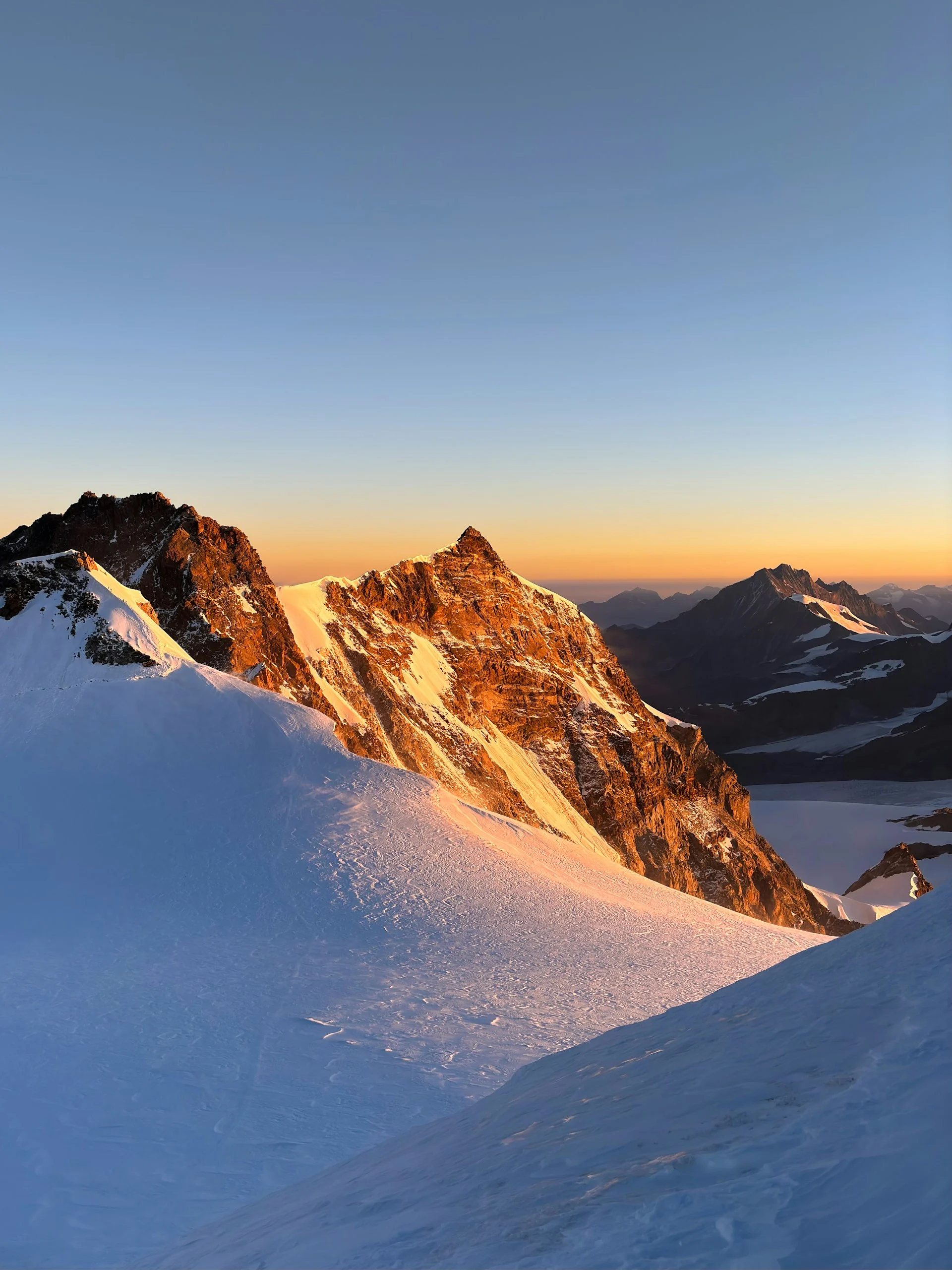
Weather and Expedition Seasons in Nepal
Nepal has two primary climbing seasons.
Spring (April–May): The most popular season for 8,000-metre peaks. Warmer temperatures, longer days, and more stable weather. Everest, Lhotse, and Nuptse are primarily spring objectives. Spring 2026 permit applications required submission at least two days in advance with full details of support staff and a designated sirdar.
Autumn (September–November): Less crowded, but shorter days, colder temperatures, and a narrower summit window. Suitable for 6,000m and 7,000m peaks, and some 8,000m peaks like Manaslu and Himlung.
Winter: Very cold, high avalanche risk. Only for highly experienced climbers.
Monsoon (June–August): Heavy rain, poor visibility, high risk. Not recommended.
High Altitude Expeditions in Nepal
Nepal is home to eight of the fourteen 8,000-metre peaks, including Everest (8,848m), Kanchenjunga (8,586m), Lhotse (8,516m), Makalu (8,463m), Cho Oyu (8,201m), Dhaulagiri (8,167m), and Manaslu (8,163m). The country has 462 peaks open for climbing, and around a hundred have never been summited.
Major Expedition Peaks
| Peak | Height | Difficulty | Best Season | Notes |
|---|---|---|---|---|
| Everest | 8,848m | Extreme | Spring | Requires prior 7,000m experience |
| Kanchenjunga | 8,586m | Extreme | Spring | Remote, technically demanding |
| Lhotse | 8,516m | Extreme | Spring | Often climbed with Everest |
| Makalu | 8,463m | Extreme | Spring | Technically difficult |
| Cho Oyu | 8,201m | Very high | Autumn | Considered accessible 8,000m |
| Dhaulagiri | 8,167m | Extreme | Spring | Steep, avalanche-prone |
| Manaslu | 8,163m | Very high | Autumn | Popular first 8,000m |
| Himlung Himal | 7,126m | High | Autumn | Good 7,000m progression |
| Baruntse | 7,129m | High | Autumn | Technical ridge, remote |
| Putha Hiunchuli | 7,246m | High | Autumn | Accessible 7,000m training peak |
Permits and Regulations
Nepal’s mountaineering regulations are administered by the Department of Tourism. Key requirements for 2026:
-
Peaks above 6,500m: Climbing permit, sirdar, liaison officer
-
Permit applications: Minimum two days advance submission with detailed team and safety information
-
Solo expeditions: Banned on all peaks above 8,000m
-
Everest permit fee: Raised to US$15,000 for foreigners from September 2025
-
Garbage deposit: Required for all expeditions; refundable upon return of waste
-
Liaison officer: Required for expedition peaks; cost shared among team members
Adventure Consultants’ Everest Fast Track expedition for 2025 was priced at US$97,200 ex-Kathmandu for a 40-day program. This illustrates the premium end of the market for fully supported 8,000-metre expeditions.
Expedition Cost: What Determines the Price
High altitude expedition cost varies enormously — from under US$10,000 for a 6,000-metre trekking peak to over US$100,000 for a fully supported Everest climb. The price is determined by four categories of cost.
Official fees (set by the Nepal government): Climbing permit, liaison officer fee, garbage deposit, restricted area permit if applicable. The Everest permit fee alone is US$15,000 for foreigners.
Operator-dependent costs (the largest variable): Sherpa support ratio, oxygen supply, base camp services, high camp logistics, helicopter transfers, staff insurance. A 1:1 Sherpa ratio with 11 bottles of oxygen costs significantly more than a 1:2 ratio with 4 bottles.
Personal costs: International flights, personal gear, travel insurance with high-altitude coverage, tips for Sherpa and base camp staff, Kathmandu accommodation.
Hidden costs to clarify before booking: Additional oxygen bottles beyond the included package, helicopter evacuation costs beyond insurance coverage, summit bonus for Sherpas (often US$1,000–2,000), and costs associated with early departure or failed summit attempts.
Merriment Treks helps climbers understand the full cost structure before committing, so there are no surprises at base camp.
Choosing an Expedition Operator
The operator you choose has a greater impact on your safety and success than almost any other decision. Key factors to evaluate:
Safety record and guide certification: Look for UIAGM/IFMGA-certified guides or equivalent experience. Highland Expeditions, for example, uses a Nepalese UIAGM/IFMGA expedition leader on Everest.
Sherpa ratio: 1:1 is the gold standard for 8,000m peaks. A lower ratio reduces cost but also reduces support.
Oxygen policy: How many bottles? What flow rate? Is oxygen included or extra? Adventure Consultants includes a high-flow oxygen package in the expedition fee.
Evacuation plan: What happens if you need a helicopter rescue? Who coordinates it? What does insurance cover?
Group size: Smaller groups (6–8 climbers) generally receive more attention.
Transparency: Does the operator clearly state what is included and excluded?
Local knowledge: Nepal-based operators often have deeper logistics networks and cultural knowledge. Merriment Treks is Nepal-based and works directly with Sherpa teams and local logistics providers.
How to Prepare: Timeline and Checklist
12 months before: Select target peak and operator. Begin structured physical training. Research insurance. Start acquiring personal gear.
6 months before: Book expedition and pay deposit. Confirm insurance with high-altitude coverage. Intensify training to 10–15 hours per week. Complete any required training courses.
3 months before: Finalise gear list. Confirm permits and logistics with operator. Complete medical checks. Arrange international flights and Kathmandu accommodation.
1 month before: Reduce training volume, maintain intensity. Pack and test all gear. Review altitude illness symptoms and response plan. Confirm evacuation and insurance details.
On arrival in Kathmandu: Gear check, briefing, permit collection. This is also when you meet your sirdar and Sherpa team. Merriment Treks coordinates all Kathmandu logistics for clients, from airport pickup to final permit verification.
How Merriment Treks Approaches Expedition Planning
High altitude expedition planning at Merriment Treks begins with an honest conversation. The starting point is not the mountain you want to climb but the experience you bring: where you have trekked, what you have climbed, how your body has responded to altitude, and what timeline and budget you are working with.
From there, realistic options emerge. A climber with Everest Base Camp trekking experience and a strong fitness base may be ready for Island Peak or Mera Peak. A climber with a 6,000-metre summit may be ready for Baruntse or Himlung. A climber with a successful 7,000-metre high altitude expedition may be ready for Cho Oyu or Manaslu.
Merriment Treks provides itinerary review, equipment guidance, acclimatization planning, and operator vetting. The emphasis is on matching the climber to the mountain, not selling the highest peak. No expedition is risk-free. The goal is informed preparation and honest assessment.
Frequently Asked Questions
1. What is considered a high altitude expedition?
A high altitude expedition is a multi-week mountaineering objective above 6,000 metres, involving multiple camps, rotation cycles, and prolonged exposure to extreme altitude.
2. Do I need prior experience to join a high altitude expedition?
Yes. For a 6,000-metre peak, trekking experience at 4,000–5,000 metres is usually required. For 7,000 metres, prior 6,000-metre experience is standard. For 8,000 metres, most operators require at least one 7,000-metre summit.
3. How long does a high altitude expedition take?
6,000-metre peaks: 2–3 weeks. 7,000-metre peaks: 4–6 weeks. 8,000-metre peaks: 6–8 weeks.
4. How much does a high altitude expedition cost?
6,000-metre peaks: US$3,000–$8,000. 7,000-metre peaks: US$10,000–$25,000. 8,000-metre peaks: US$30,000–$100,000+. Everest permits alone cost US$15,000 in spring 2026.
5. What is the death zone?
The death zone is the altitude above 8,000 metres where atmospheric oxygen pressure is insufficient to sustain human life for extended periods.
6. How does acclimatization work?
Acclimatization is the body’s adaptation to reduced oxygen. The “climb high, sleep low” strategy stimulates adaptation through daytime exposure and consolidates it through sleep at lower altitude. Sleeping altitude should increase by no more than 300–500 metres per night.
7. What is the difference between AMS, HAPE, and HACE?
AMS is the mildest form: headache, nausea, fatigue. HAPE is fluid in the lungs: breathlessness at rest, persistent cough. HACE is brain swelling: confusion, loss of coordination. HAPE and HACE require immediate descent.
8. Can I take medication to prevent altitude sickness?
Acetazolamide (Diamox) is recommended by the UIAA and Wilderness Medical Society for prevention above 2,800 metres. It does not replace gradual ascent.
9. What equipment do I need for a high altitude expedition?
Essential equipment includes layered clothing, down suit (above 7,000m), double or triple boots, crampons, ice axe, harness, ascenders, helmet, sleeping bag rated to -30°C, and oxygen system for 8,000-metre peaks.
10. What permits are required for climbing in Nepal?
Peaks above 6,500 metres require an expedition permit from the Department of Tourism. Insurance covering search, rescue, and medical treatment is compulsory. Solo expeditions above 8,000 metres are banned as of September 2026.
11. What is the best season for high altitude expeditions in Nepal?
Spring (April–May) is the main season for 8,000-metre peaks. Autumn (October–November) is favoured for 6,000- and 7,000-metre peaks.
12. How fit do I need to be?
Training should begin six to nine months in advance. Cardiovascular fitness is the foundation. Vertical gain training is the most specific preparation.
13. What is a rotation?
A rotation is a climb from base camp to a higher camp and back, used to acclimatize and position supplies. Most 8,000-metre expeditions involve two or three rotations.
14. Why do climbers turn around?
Turning around is a safety decision. Reasons include worsening altitude symptoms, dangerous weather, exhaustion, and equipment failure. The summit is optional; survival is not.
15. How do I choose a high altitude expedition operator?
Look for guide certification (IFMGA/AMGA), transparent Sherpa ratios, medical support at base camp, clear evacuation plans, transparent pricing, and a willingness to discuss safety records.