Introduction on Peaks near Everest
Peaks near Everest is a search that reveals how travelers think about the Himalaya. Some want to know which mountains they’ll see while trekking to Everest Base Camp. Others want to understand the geography of the world’s highest mountain cluster. And a smaller group wants to know which peaks they can actually climb.
The answer requires more than a list of names and elevations.
Here’s what you need to understand.
The peaks geographically closest to Everest are Lhotse, Nuptse and Changtse — three mountains that share Everest’s immediate massif. But the peaks you’ll actually see and photograph during a standard Everest Base Camp trek include Ama Dablam, Thamserku, Kangtega, Pumori, Cholatse and Taboche. And if you’re interested in climbing rather than just looking, the accessible options are Island Peak, Lobuche East and Mera Peak.
This guide from Merriment Treks explains the peaks near Everest honestly — what’s geographically adjacent, what’s visually prominent, what’s climbable, and what you should actually expect to see from the trail.
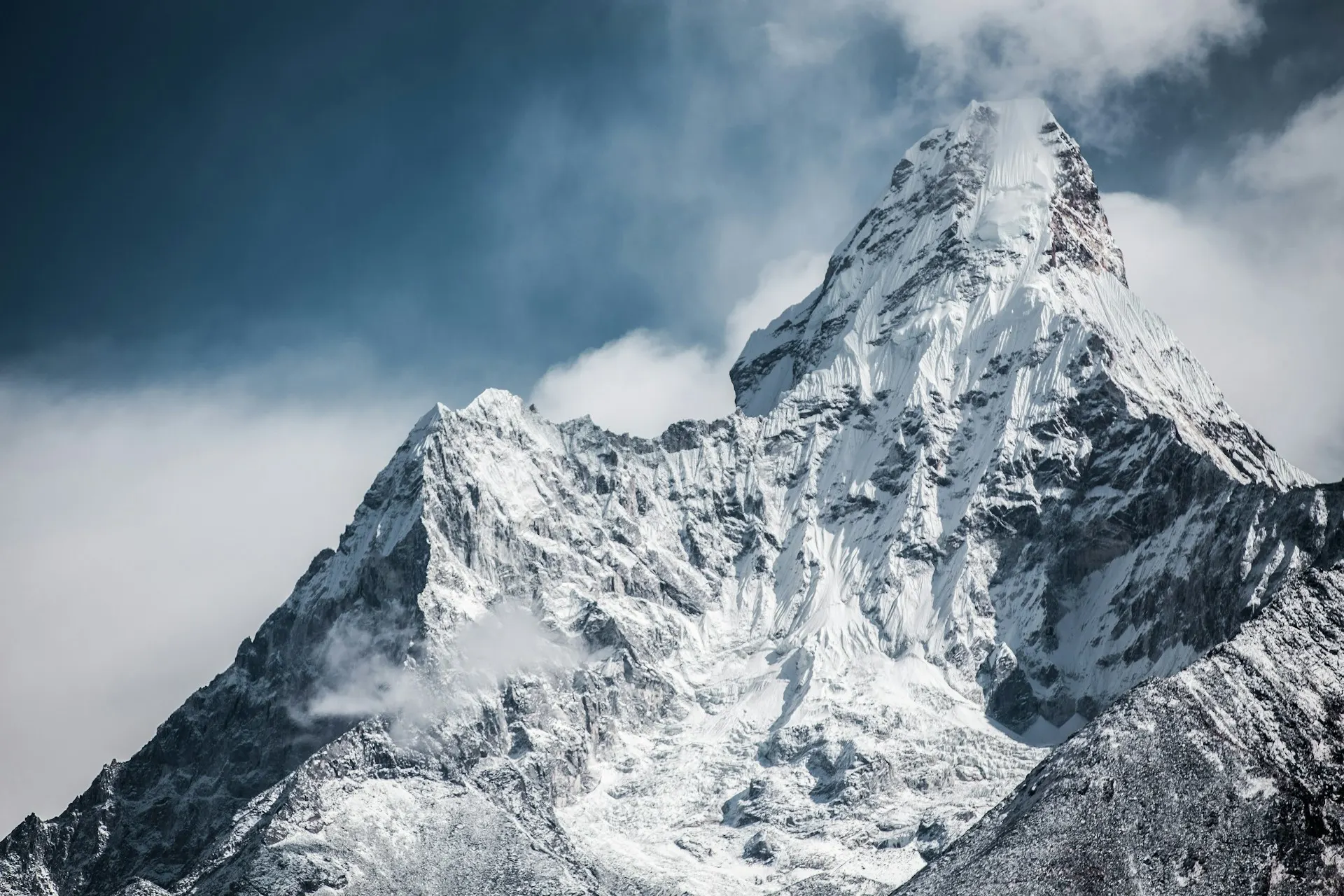
Peaks Near Everest: Quick Reference Table
Peaks near Everest vary enormously in elevation, visibility and accessibility.
| Peak | Elevation | Geographic Relationship to Everest | Visible from EBC Trek? | Climbing Category |
|---|---|---|---|---|
| Mount Everest | 8,849 m | The reference peak | Yes, from Kala Patthar | Extreme expedition |
| Lhotse | 8,516 m | Connected via South Col | Yes | Extreme expedition |
| Nuptse | 7,861 m | Southwest, forms EBC wall | Yes | Technical expedition |
| Changtse | 7,543 m | North, Tibet side | No (Nepal side) | Technical expedition |
| Pumori | 7,161 m | Northwest | Yes | Technical expedition |
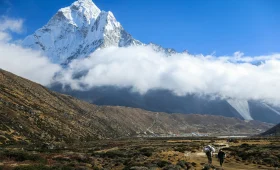
| Ama Dablam | 6,812 m | South, near Tengboche | Yes, iconic view | Technical expedition |
| Cho Oyu | 8,188 m | West, near Gokyo | No (Gokyo route only) | Expedition |
| Makalu | 8,485 m | Southeast | Limited | Extreme expedition |
| Thamserku | 6,623 m | East of Namche | Yes | Technical climbing |
| Kangtega | 6,782 m | East of Namche | Yes | Technical climbing |
| Cholatse | 6,440 m | Near Dingboche | Yes | Technical climbing |
| Taboche | 6,367 m | Near Dingboche | Yes | Technical climbing |
| Lobuche East | 6,119 m | Near Lobuche | Yes | Trekking peak |
| Island Peak | 6,189 m | East of EBC | Yes | Trekking peak |
| Mera Peak | 6,476 m | South of Everest | Distant | Trekking peak |
This table separates geographic proximity from trekking visibility and climbing accessibility.
What Does “Peaks Near Everest” Actually Mean?
Peaks near Everest is a phrase that requires clarification because it’s used in different ways.
Geographic Proximity
Some peaks are physically connected to or immediately adjacent to Everest:
-
Lhotse — shares Everest’s South Col
-
Nuptse — forms the western wall of the Khumbu
-
Changtse — rises directly north of Everest in Tibet
These are Everest’s closest geographic neighbours.
Visual Prominence on the Trek
Other peaks are not physically adjacent but dominate the views from the Everest Base Camp trail:
-
Ama Dablam — the most photographed mountain near Everest
-
Thamserku and Kangtega — visible around Namche
-
Pumori — prominent from Kala Patthar and Gorak Shep
-
Cholatse and Taboche — visible from Dingboche
These are the peaks you’ll actually see most clearly.
Climbing Accessibility
Some peaks near Everest are climbable by regular trekkers:
-
Island Peak — the most popular trekking peak
-
Lobuche East — close to the main EBC route
-
Mera Peak — the highest trekking peak in Nepal
Understanding these three categories prevents confusion.
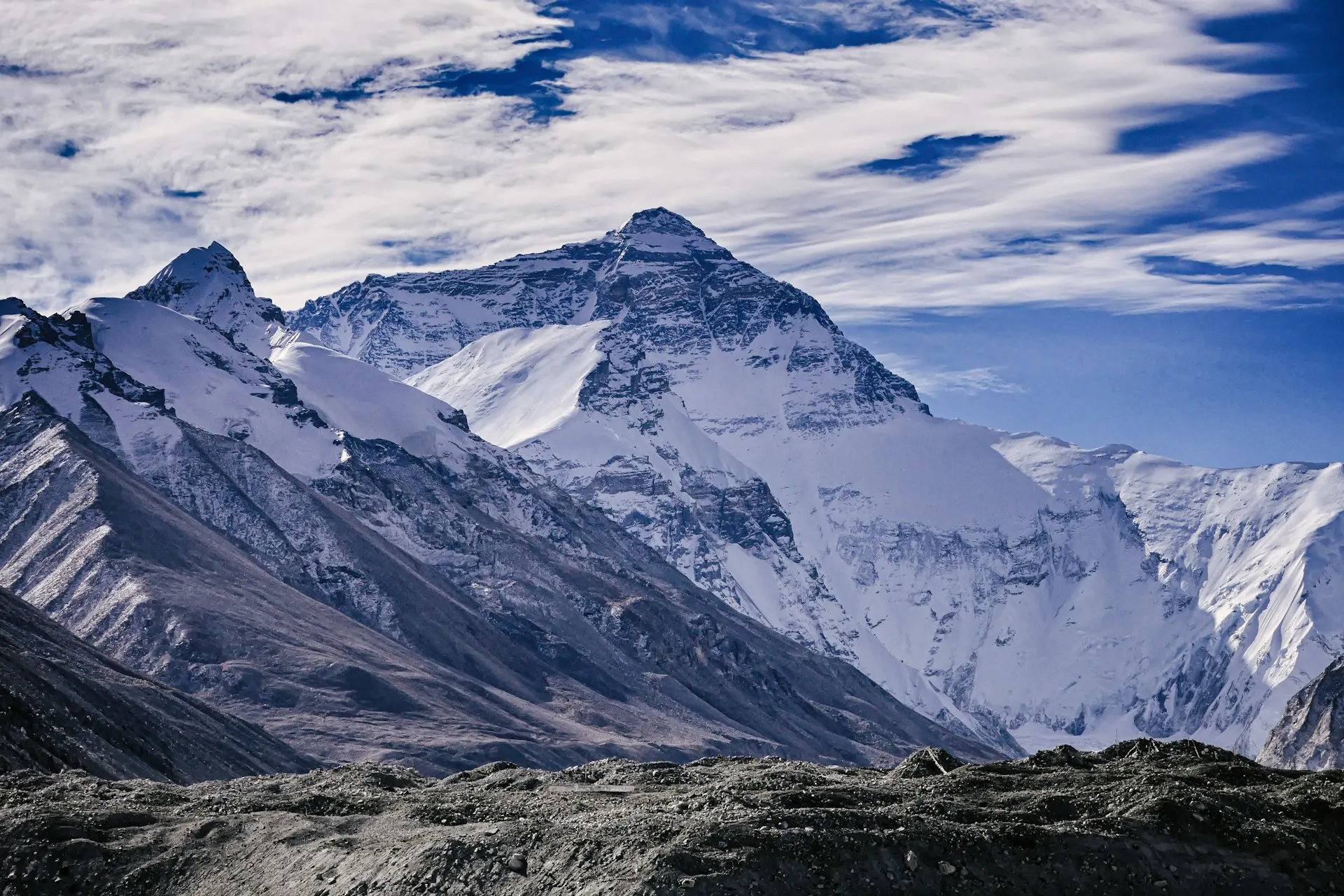
Mount Everest (8,849 m): The Reference Point
Mount Everest is the mountain that defines the entire region.
Known as Sagarmatha in Nepal and Chomolungma in Tibet, Everest stands at 8,849 metres. It’s the highest mountain on Earth and the reason most travelers come to the Khumbu.
But here’s what surprises many trekkers: Everest is not easy to see from its own Base Camp. The summit is hidden behind Nuptse and the terrain of the Khumbu Glacier. The best views come from Kala Patthar at 5,545 metres, where the full summit becomes visible.
Everest is not a trekking peak. Climbing it requires extreme mountaineering experience, significant financial resources and months of preparation. For most travelers, Everest is a mountain to view, not climb.
Lhotse (8,516 m): Everest’s Closest Neighbour
Lhotse is the fourth highest mountain in the world and Everest’s closest geographic partner.
Lhotse is connected to Everest by the South Col, the high saddle that climbers cross during Everest summit attempts. The two mountains share a ridge system, making Lhotse the most intimately linked of all peaks near Everest.
Key Facts
-
Elevation: 8,516 m
-
Location: South of Everest
-
Connection to Everest: Shared South Col
-
First ascent: 1956
Where You’ll See It
Lhotse is visible from many points along the EBC trek, particularly from Kala Patthar, where it rises beside Everest. It appears as a massive peak with a distinctive south face.
Can You Climb It?
Lhotse is a serious expedition peak requiring technical mountaineering skills. It’s not accessible to regular trekkers.
Nuptse (7,861 m): The Wall That Hides Everest
Nuptse is the mountain that blocks Everest’s summit from view at Base Camp.
Nuptse forms a massive wall southwest of Everest. While it doesn’t reach 8,000 metres, its steep faces and proximity to Everest make it visually dominant from the Khumbu.
Key Facts
-
Elevation: 7,861 m
-
Location: Southwest of Everest
-
Role: Forms Everest Base Camp’s western wall
-
First ascent: 1961
Where You’ll See It
Nuptse dominates the skyline from Everest Base Camp and is also visible from Kala Patthar. It’s one of the most photographed peaks on the EBC trek, even though most travelers don’t know its name.
Can You Climb It?
Nuptse is a technical climbing peak with far fewer ascents than Everest. It’s considered a serious mountaineering challenge.
Changtse (7,543 m): Everest’s Northern Neighbour
Changtse rises immediately north of Mount Everest on the Tibetan side.
Often overlooked because it’s not visible from Nepal’s trekking routes, Changtse is one of the closest peaks to Everest geographically. It stands across the Rongbuk Glacier from Everest’s north face.
Key Facts
-
Elevation: 7,543 m
-
Location: North of Everest (Tibet)
-
Relationship: Separated by Rongbuk Glacier
-
First ascent: 1982
Where You’ll See It
Changtse is visible from Everest North Base Camp in Tibet. From the Nepal side, it’s hidden behind Everest.
Can You Climb It?
Changtse is a technical expedition peak requiring mountaineering permits and experience.
Pumori (7,161 m): Everest’s Daughter
Pumori is one of the most photogenic peaks near Everest.
Known as “Everest’s Daughter,” Pumori rises northwest of Everest, directly opposite Kala Patthar. Its sharp, pyramid-shaped summit makes it instantly recognizable.
Key Facts
-
Elevation: 7,161 m
-
Location: Northwest of Everest
-
Relationship: Faces Everest across Khumbu Glacier
-
First ascent: 1962
Where You’ll See It
Pumori is dramatically visible from Kala Patthar, Gorak Shep and Everest Base Camp. It forms a stunning backdrop in many classic Everest photographs.
Can You Climb It?
Pumori is a technical mountaineering peak. While less extreme than Everest, it requires serious climbing skills.
Ama Dablam (6,812 m): The Most Beautiful Mountain Near Everest
Ama Dablam is often called the most beautiful mountain in the world.
Located south of Everest near Tengboche, Ama Dablam is famous for its elegant shape and the distinctive hanging glacier on its southwest face. It’s not among the highest peaks near Everest, but it’s certainly among the most memorable.
Key Facts
-
Elevation: 6,812 m
-
Location: South of Everest, near Tengboche
-
First ascent: 1961
Where You’ll See It
Ama Dablam is visible throughout much of the EBC trek, particularly from Tengboche, Dingboche and along the Imja Khola valley. It’s often the mountain trekkers photograph most.
Can You Climb It?
Ama Dablam is a technical climbing peak requiring mountaineering experience and rope skills. It’s sometimes climbed by experienced mountaineers as a significant challenge, but it’s not a trekking peak.
Cho Oyu (8,188 m): The Sixth Highest Mountain
Cho Oyu is the sixth highest mountain in the world and one of the most accessible 8,000-metre peaks.
Located west of Everest near the Nepal-Tibet border, Cho Oyu is visible from the Gokyo region rather than the standard EBC trail. It’s often climbed by mountaineers preparing for Everest.
Key Facts
-
Elevation: 8,188 m
-
Location: West of Everest
-
First ascent: 1954
Where You’ll See It
Cho Oyu is visible from Gokyo Ri and the Gokyo Valley. It’s not visible from most of the standard Everest Base Camp trek.
Can You Climb It?
Cho Oyu is considered one of the less technical 8,000-metre peaks, but it still requires expedition experience and high-altitude tolerance.
Makalu (8,485 m): The Fifth Highest Mountain
Makalu is the fifth highest mountain in the world and one of the most striking.
Located southeast of Everest, Makalu is known for its distinctive pyramid shape and challenging climbing routes. It’s not visible from most of the standard EBC trek due to intervening ridges.
Key Facts
-
Elevation: 8,485 m
-
Location: Southeast of Everest
-
First ascent: 1955
Where You’ll See It
Makalu is not clearly visible from most of the standard EBC route. Distant views may be possible from certain high points, but it’s not a feature of the standard trek.
Can You Climb It?
Makalu is a serious expedition peak known for technical difficulty. It’s not suitable for beginners or even most experienced mountaineers.
Thamserku (6,623 m) and Kangtega (6,782 m)
Thamserku and Kangtega are twin peaks visible around Namche Bazaar.
These two mountains rise east of Namche and form a distinctive skyline above the town. Thamserku has a sharp, rocky profile, while Kangtega appears broader and more glaciated.
Where You’ll See Them
Both peaks are prominently visible from Namche Bazaar and surrounding viewpoints. They’re among the first dramatic mountains trekkers see on the EBC route.
Can You Climb Them?
Both are technical climbing peaks requiring mountaineering skills. They are not trekking peaks.
Cholatse (6,440 m) and Taboche (6,367 m)
Cholatse and Taboche dominate the skyline around Dingboche.
These two peaks sit between the Khumbu and Gokyo valleys, forming a dramatic backdrop to the upper EBC trek.
Where You’ll See Them
Both are visible from Dingboche, Lobuche and along the trail between Pheriche and Lobuche.
Can You Climb Them?
Both are technical climbing peaks. Cholatse is known for its steep, difficult routes.
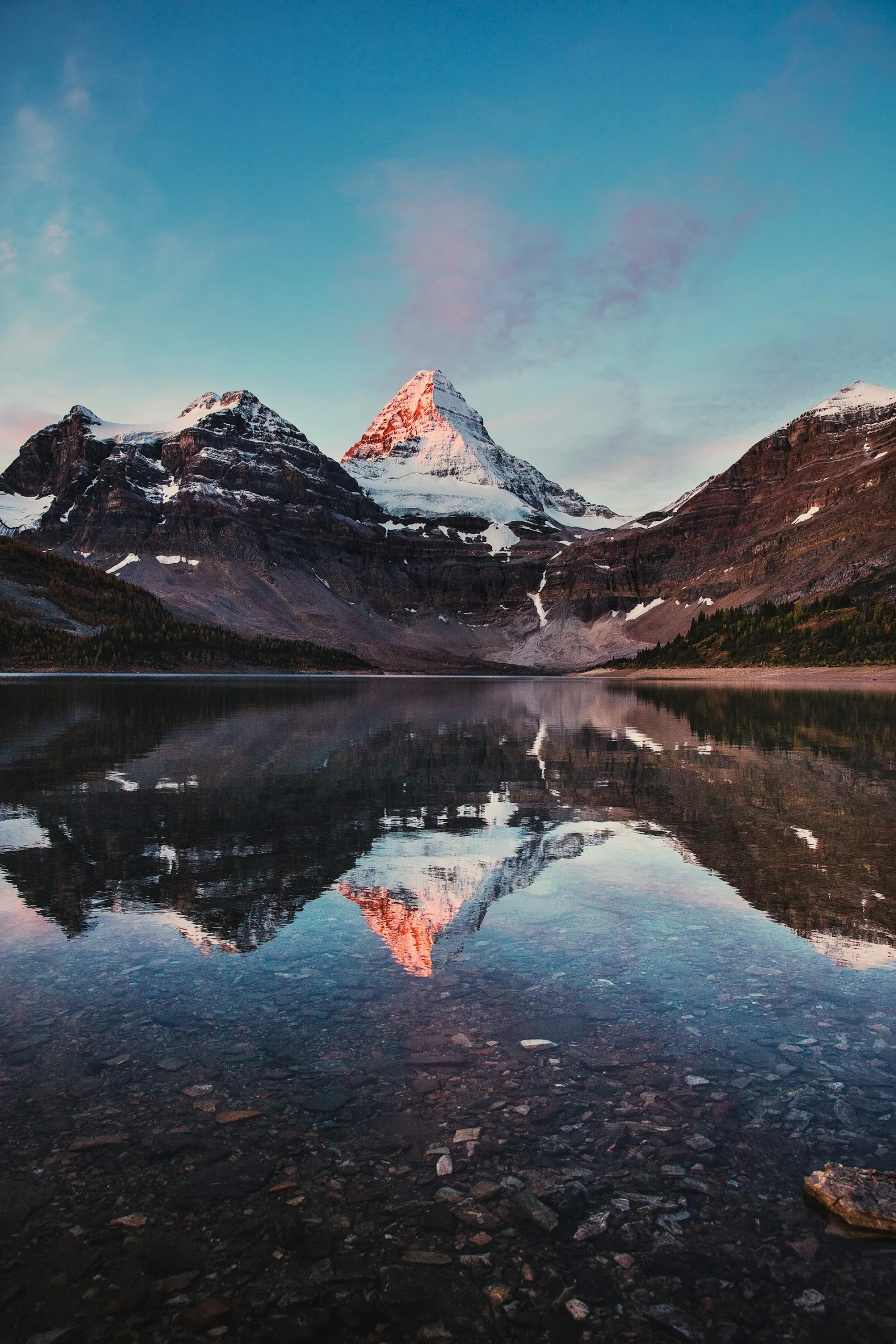
Trekking Peaks Near Everest: What Regular Trekkers Can Climb
Peaks near Everest that are accessible to non-mountaineers fall into the “trekking peak” category.
Trekking peaks are mountains that can be climbed with basic mountaineering skills and support from guides. They require permits but don’t demand expedition-level experience.
Lobuche East (6,119 m)
Located near Lobuche village on the main EBC trail, Lobuche East is one of the most accessible trekking peaks. It requires basic rope skills and crampon use.
Island Peak / Imja Tse (6,189 m)
Located east of Everest near Chhukung, Island Peak is one of the most popular trekking peaks in Nepal. It requires basic mountaineering skills and is often combined with the EBC trek.
Mera Peak (6,476 m)
Located south of Everest, Mera Peak is the highest trekking peak in Nepal. It’s technically easier than Island Peak but involves more glacier travel.
Pokalde (5,806 m)
A smaller trekking peak near Kongma La, often climbed as a warm-up before Island Peak or Lobuche.
Important: Trekking peaks require permits, experienced guides, proper equipment and altitude acclimatization. They are not simple hikes.
Which Peaks Can You See During the Everest Base Camp Trek?
Peaks near Everest visibility on the EBC trek depends on location.
Around Lukla and Phakding
-
Kusum Kanguru — visible on the first day
-
Kongde Ri — visible across the valley
Around Namche Bazaar
-
Thamserku — prominent above town
-
Kangtega — beside Thamserku
-
Everest — first glimpse from Syangboche/Everest View Hotel
Around Tengboche
-
Ama Dablam — dominant, iconic view
-
Everest — visible behind Lhotse-Nuptse wall
-
Lhotse — visible
-
Nuptse — visible
Around Dingboche
-
Ama Dablam — still prominent
-
Cholatse — dramatic
-
Taboche — beside Cholatse
-
Island Peak — visible in distance
Around Lobuche and Gorak Shep
-
Pumori — dramatic
-
Nuptse — massive
-
Lobuche East — visible
-
Everest — visible from Gorak Shep
From Kala Patthar
-
Mount Everest — full summit view
-
Lhotse — beside Everest
-
Nuptse — foreground wall
-
Pumori — opposite
-
Changtse — distant
From Everest Base Camp
-
Nuptse — dominates the view
-
Pumori — visible
-
Everest — summit blocked
This progression helps trekkers understand what to expect each day.
Best Viewpoints for Peaks Near Everest
Peaks near Everest panoramas depend on where you stand.
| Viewpoint | Elevation | Key Peaks Visible |
|---|---|---|
| Syangboche / Everest View Hotel | 3,880 m | Everest, Lhotse, Nuptse, Ama Dablam, Thamserku |
| Tengboche | 3,860 m | Ama Dablam, Everest, Lhotse, Nuptse |
| Dingboche | 4,410 m | Ama Dablam, Cholatse, Taboche, Island Peak |
| Lobuche | 4,940 m | Pumori, Nuptse, Lobuche East |
| Gorak Shep | 5,164 m | Pumori, Nuptse, Everest (partial) |
| Kala Patthar | 5,545 m | Everest, Lhotse, Nuptse, Pumori, Changtse |
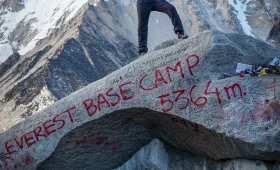
| Everest Base Camp | 5,364 m | Nuptse, Pumori |
| Gokyo Ri | 5,357 m | Cho Oyu, Everest, Lhotse, Makalu (distant) |
Kala Patthar remains the single best viewpoint for seeing Everest and its closest neighbours together.
Peaks Near Everest vs Peaks You Can Climb
Peaks near Everest shouldn’t be confused with peaks you can actually climb.
Mountains to See
-
Everest
-
Lhotse
-
Nuptse
-
Pumori
-
Ama Dablam
-
Cho Oyu
-
Makalu
-
Thamserku
-
Cholatse
These require serious mountaineering experience.
Mountains to Climb
-
Island Peak (6,189 m)
-
Lobuche East (6,119 m)
-
Mera Peak (6,476 m)
-
Pokalde (5,806 m)
These are achievable for fit trekkers with proper support.
The Difference
Seeing a peak requires trekking. Climbing a peak requires mountaineering skills, permits, equipment and experienced guides.
Best Peaks for Different Traveler Goals
Peaks near Everest appeal differently depending on goals.
For First-Time Trekkers
Focus on seeing:
-
Ama Dablam
-
Thamserku
-
Everest from Kala Patthar
-
Pumori
-
Nuptse
For Photographers
Prioritize:
-
Ama Dablam from Tengboche
-
Everest at sunrise from Kala Patthar
-
Pumori from Gorak Shep
-
Thamserku from Namche
For Peak Climbing Aspirants
Consider:
-
Island Peak — most popular first climbing peak
-
Lobuche East — closer to EBC route
-
Mera Peak — highest trekking peak
For Experienced Trekkers
Add:
-
Gokyo Ri for Cho Oyu views
-
Cholatse and Taboche panoramas from Dingboche
Best Time to See Peaks Near Everest
Peaks near Everest visibility depends on season.
| Season | Months | Visibility | Recommendation |
|---|---|---|---|
| Spring | March–May | Good, some haze | Excellent |
| Summer/Monsoon | June–August | Poor, cloudy | Avoid |
| Autumn | September–November | Excellent | Best |
| Winter | December–February | Good, cold | Good |
Best months: October, November, March, April.
Autumn offers the clearest skies and crispest mountain views. Spring is also excellent, though afternoon haze sometimes develops.
Practical Planning Advice
Peaks near Everest viewing requires planning.
-
Start early — morning visibility is usually best
-
Include Kala Patthar — the best single viewpoint
-
Allow for weather — mountain views are never guaranteed
-
Carry a zoom lens — peaks appear smaller than expected
-
Learn peak names in advance — recognition enhances the experience
-
Use a guide — guides can identify peaks and explain geography
-
Visit Gokyo if possible — different perspective, fewer crowds
-
Manage expectations — cloud can obscure views for days
Peaks Near Everest With Merriment Treks
At Merriment Treks, we design Everest region itineraries that maximize mountain-viewing opportunities.
We help travelers:
-
Choose routes that offer the best panoramas
-
Understand which peaks they’ll see each day
-
Plan for Kala Patthar and other key viewpoints
-
Add Gokyo for Cho Oyu views
-
Arrange trekking peak climbs like Island Peak and Lobuche East
-
Acclimatize properly for high-altitude viewpoints
We don’t promise perfect weather or guaranteed views. We prepare you to recognize and appreciate the peaks when conditions allow.
If you’re planning an Everest region trek or peak climb, contact us. We’ll help you understand what you’ll see, what you can climb and how to build an itinerary that matches your goals.
Peaks Near Everest Planning Checklist
Before departure:
- □ Learn key peak names and elevations
- □ Include Kala Patthar in itinerary
- □ Consider Gokyo for Cho Oyu views
- □ Pack camera with zoom lens
- □ Plan for morning viewing
- □ Allow buffer days for weather
- □ Trek with experienced guide
- □ Acclimatize properly
- □ Manage altitude expectations
- □ Respect mountain weather
Frequently Asked Questions About Peaks Near Everest
1. Which peak is closest to Mount Everest?
Lhotse is the closest major peak to Everest, connected by the South Col. Nuptse and Changtse are also immediately adjacent.
2. What is the difference between Lhotse and Nuptse?
Lhotse is the fourth highest mountain in the world at 8,516 metres. Nuptse is lower at 7,861 metres and forms the wall that blocks Everest’s view from Base Camp.
3. Can you see Ama Dablam from Everest Base Camp?
No. Ama Dablam is best seen from Tengboche and Dingboche along the trail, not from Base Camp itself.
4. Which peaks are visible from Kala Patthar?
From Kala Patthar, you can see Mount Everest, Lhotse, Nuptse, Pumori and Changtse in the distance.
5. Can you see Cho Oyu from the standard Everest Base Camp trek?
No. Cho Oyu is visible from the Gokyo Valley and Gokyo Ri, which is a separate route from the standard EBC trail.
6. What are trekking peaks near Everest?
Trekking peaks are climbable mountains requiring basic mountaineering skills. Near Everest, the main trekking peaks are Island Peak, Lobuche East, Mera Peak and Pokalde.
7. Can beginners climb peaks near Everest?
Some trekking peaks, like Island Peak and Lobuche East, are achievable for fit trekkers with proper guidance. They require basic mountaineering skills, not expedition experience.
8. Is Ama Dablam harder than Everest?
Ama Dablam is technically more difficult than Everest on certain sections, though it’s much lower. It requires serious rock and ice climbing skills.
9. Which mountain is easiest to recognize near Everest?
Ama Dablam is the most recognizable due to its distinctive shape and hanging glacier.
10. Can you see Makalu from Everest Base Camp?
No. Makalu is too far east and blocked by intervening ridges.
11. What is the highest peak near Everest besides Everest itself?
Lhotse at 8,516 metres is the highest peak near Everest. It’s the fourth highest mountain in the world.
12. Which peaks form the Everest Base Camp skyline?
Nuptse dominates the skyline from Everest Base Camp. Pumori is also visible. Everest’s summit is hidden.
13. Can you climb Lhotse?
Lhotse is a serious expedition peak requiring extensive mountaineering experience. It’s not suitable for regular trekkers.
14. What mountains can you see from Namche Bazaar?
From Namche, you can see Thamserku and Kangtega clearly. Everest is visible from higher viewpoints like Syangboche.
15. Do you need mountaineering experience to see peaks near Everest?
No. Seeing peaks requires only trekking. Climbing them requires mountaineering skills, permits and experienced guides.
Final Thoughts: Peaks Near Everest Deserve More Than a Passing Glance
Peaks near Everest are not just background scenery. They’re the context that makes Mount Everest meaningful.
Lhotse shares Everest’s ridge. Nuptse hides Everest from Base Camp. Ama Dablam stands apart as the region’s most beautiful mountain. Island Peak offers regular trekkers a chance to stand on a Himalayan summit.
Understanding these relationships transforms a trek from a walk into an education.
At Merriment Treks, we help travelers see the Khumbu’s peaks with informed eyes. We’ll tell you what you’re looking at, explain why it matters, and help you plan routes that maximize your mountain experience.
If you’re planning an Everest region adventure in 2026, contact us. We’ll help you understand the peaks, choose the right route, and build an itinerary that matches your goals — whether that’s seeing mountains, photographing them, or climbing one yourself.