Making the Right Timing Decision for Mardi Himal
The best time to trek Mardi Himal is not a single date on a calendar. It depends on what you want from the trek: clear mountain views, blooming rhododendrons, fewer crowds, comfortable temperatures, or snow-dusted trails. In 2026, the Mardi Himal trek remains one of the most accessible short teahouse treks in Nepal, but the timing of your departure directly affects visibility, trail conditions, temperature, and overall enjoyment.
This guide from Merriment Treks breaks down the Mardi Himal trek season month by month. It explains what actually changes in the weather at different elevations, why October and April are the most recommended months but for different reasons, and how to decide when to go based on your own priorities. The goal is not to tell you there are only two good months. The goal is to help you understand the trade-offs so you can choose the right window for your trek.
What Is the Best Time to Trek Mardi Himal?
The best time to trek Mardi Himal for most trekkers falls in two windows: October to November and March to April. These periods offer the most reliable combination of stable weather, clear mountain views, moderate temperatures, and manageable trail conditions.
October is generally the strongest month for mountain visibility. The monsoon has ended, the air is washed clean, and the skies are often deep blue. April is the strongest month for rhododendron blooms, with the forest between Pothana and Forest Camp turning red, pink, and white. Both months are popular, so tea houses fill quickly.
If you are flexible with dates, the best overall recommendation for 2026 is late October to early November. The weather is stable, the views are excellent, and the upper trail is usually free of snow. For trekkers who want flowers and slightly warmer temperatures, late March to mid-April is the better choice.
Best Month Based on What You Want From the Trek
The Mardi Himal trek weather changes enough between months that the “best” period depends on your goal.
| Goal | Best Period | Why | Main Trade-off |
|---|---|---|---|
| Best overall conditions | Late October to early November | Stable weather, clear skies, dry trail | Higher crowd levels |
| Best for clear mountain views | October to November | Post-monsoon air clarity | Can be cold at High Camp |
| Best for rhododendrons | Late March to early April | Forest trails in full bloom | Some haze possible |
| Best for photography | October and April | Clear peaks and good light | Popular periods, more people |
| Best for fewer crowds | Early December or late February | Quieter trails | Cold at higher elevations |
| Best for snow | December to February | Snow on upper ridges | Cold nights, possible trail snow |
| Best for beginners | October or March | Moderate temperatures, stable trails | Standard crowds |
| Best for budget trekkers | Early September or early December | Lower demand, negotiable rates | Weather or cold risk |
| Best for experienced trekkers | November or February | Quiet upper trail, dramatic conditions | Cold and wind |
| Best for short itinerary | April or October | Predictable conditions, easier planning | Popular, crowded |
| Best for relaxed itinerary | March or November | Comfortable pace, decent weather | Shoulder-season variability |
Mardi Himal Weather by Season
Spring: March to May
Spring is the second major trekking season for Mardi Himal. The best time to trek Mardi Himal in spring is from mid-March to late April. During this period, the lower forest is covered in rhododendron blooms. Temperatures are moderate, and the days are longer than in autumn.
March can still feel cold at High Camp, with nighttime temperatures dropping below freezing. By May, the air becomes hazier and the pre-monsoon humidity starts to build. The upper trail is usually snow-free by late March, but early March can still have patches of snow above Badal Danda.
Spring is the best choice if you want a greener landscape, flowering forest, and slightly warmer daytime temperatures than autumn.
Monsoon: June to Early September
The monsoon season runs from roughly mid-June to early September. This is the least recommended period for the Mardi Himal trek. Rainfall is frequent, especially in July and August. The trail becomes muddy, and the upper sections are often wrapped in cloud.
Trekkers who attempt the Mardi Himal trek in monsoon face several practical problems. Visibility is frequently poor. The descent to Siding becomes slippery. Leeches are common in the lower forest. Landslides can disrupt the road between Pokhara and Kande.
However, monsoon trekking is not impossible. Early September can be a transitional period with improving weather and fewer trekkers. If you are an experienced trekker with flexible plans and good rain gear, late monsoon can offer a quiet, green landscape. But for most trekkers, this is not the best time to trek Mardi Himal.
Autumn: September to November
Autumn is the most recommended season. The best time to trek Mardi Himal in autumn is from early October to mid-November. The monsoon has cleared, the air is dry, and the mountain views are at their most reliable.
September is a transition month. Early September can still have monsoon rain and cloud. Late September is often much better, with the first clear days appearing. October is the peak month. November is drier and colder, with excellent visibility but shorter days.
Autumn is the safest choice for trekkers who want the highest probability of clear mountain views and stable trail conditions.
Winter: December to February
Winter is a viable but more demanding period. The best time to trek Mardi Himal in winter is early December before the heaviest cold sets in. The skies are often clear, and the trails are empty. But temperatures at High Camp can drop well below freezing at night, and snow can accumulate on the upper ridge.
January and February are the coldest months. The trail above Badal Danda may be snow-covered, and the climb from High Camp to Upper Viewpoint can be icy. If you have winter trekking experience and proper gear, this can be a quiet and spectacular time. For most trekkers, winter is not the recommended window.
Mardi Himal Trek Weather Month by Month
This section breaks down the Mardi Himal trek weather for each month of 2026. Use it as a reference when deciding when to book your trek.
January
Best time to trek Mardi Himal in January? Only for experienced winter trekkers.
January is the coldest month on the Mardi Himal route. Daytime temperatures at lower elevations may be pleasant, but High Camp can be well below freezing at night. Snow is likely above Badal Danda, and the trail to Upper Viewpoint may be icy.
The advantage of January is solitude. You may see only a handful of other trekkers. The skies are often clear, but the cold is serious. Accommodation above Low Camp may be limited, and some tea houses close for the winter.
Who should choose January: Experienced trekkers with proper winter gear and flexible itineraries.
Who should avoid January: Beginners, solo trekkers without winter experience, and anyone sensitive to cold.
February
Best time to trek Mardi Himal in February? A cold but improving option.
February is slightly warmer than January, but the upper trail often remains snow-covered. The lower forest can be beautiful, with clear air and fewer clouds. Late February is the beginning of the transition toward spring, and temperatures start to rise.
This is a good month for trekkers who want quiet trails and are prepared for cold nights. The descent to Siding is usually snow-free, but the ridge above Badal Danda requires caution.
Who should choose February: Experienced trekkers looking for a quiet winter trek with improving conditions.
Who should avoid February: Trekkers who want guaranteed snow-free upper trails.
March
Best time to trek Mardi Himal in March? Yes, especially the second half.
March is the start of the spring trekking season. The best time to trek Mardi Himal in March is after the second week, when temperatures rise and rhododendrons begin to bloom. Early March can still have winter-like conditions at High Camp.
The main advantage of March is the combination of decent weather and fewer crowds than April. You may see rhododendrons starting to flower in the lower forest, and the upper trail is often snow-free by late March.
Who should choose March: Trekkers who want spring conditions without peak April crowds.
Who should avoid March: Those who are concerned about lingering snow or colder nights.
April
Best time to trek Mardi Himal in April? Yes, this is one of the two strongest months.
April is peak rhododendron season. The forest between Pothana and Forest Camp is covered in red and pink flowers. Temperatures are comfortable during the day, and the upper trail is usually dry.
The main drawback of April is crowds. The trail can feel busy, especially on the section between Kande and Australian Camp. Accommodation at High Camp fills quickly, and you should book in advance.
Who should choose April: Trekkers who want flowers, moderate temperatures, and reliable conditions.
Who should avoid April: Trekkers who want solitude or dislike sharing the trail with large groups.
May
Best time to trek Mardi Himal in May? Acceptable, but not ideal.
May is the tail end of the spring season. The rhododendrons are fading, and the air becomes hazier as the pre-monsoon humidity builds. Temperatures are warm at lower elevations, but visibility can be reduced.
The trail itself remains in good condition, and the upper sections are snow-free. If you missed the April window, early May can still work, but expect more cloud and less crisp mountain views.
Who should choose May: Trekkers who cannot travel in March or April and want warm weather.
Who should avoid May: Trekkers prioritizing clear mountain photography.
June
Best time to trek Mardi Himal in June? No, this is the start of the monsoon.
June marks the beginning of the monsoon. Rain becomes frequent, especially in the afternoon. The forest trail is damp, and leeches appear. Visibility drops significantly.
The Mardi Himal trek in June is not recommended for most trekkers. The combination of rain, cloud, and slippery trails makes the experience less enjoyable. If you must trek in June, expect wet conditions and carry full rain protection.
Who should choose June: Almost no one. Only trekkers with very specific timing constraints.
Who should avoid June: Everyone planning a standard Mardi Himal trek.
July
Best time to trek Mardi Himal in July? No.
July is the peak of the monsoon. Rain is heavy and persistent. The trail is muddy, and the upper sections are frequently in cloud. Landslides can disrupt road access to Kande. Leeches are common in the lower forest.
The Mardi Himal trek in July is not recommended. Even if you are willing to trek in rain, the mountain views are rarely visible, and the overall experience is compromised.
Who should choose July: No one planning a standard trek.
August
Best time to trek Mardi Himal in August? Still not recommended.
August remains firmly in the monsoon. Rain continues, and the trail conditions are poor. Late August may see a slight improvement, but the weather remains unpredictable.
Some trekkers use late August as a budget option, but the trade-off is significant. You will likely see very little of the mountains, and the trail will be muddy and challenging.
Who should choose August: Budget trekkers with very flexible plans.
Who should avoid August: Most trekkers.
September
Best time to trek Mardi Himal in September? Only late September.
September is a transition month. Early September still feels like monsoon, with rain and cloud. By the third or fourth week, the weather often improves dramatically. The first clear days of autumn arrive, and the trail begins to dry out.
The best time to trek Mardi Himal in September is the final week. Late September offers a good balance of improving weather and fewer crowds than October. However, there is still some risk of rain.
Who should choose September: Trekkers who want to beat the October crowds and are willing to accept some weather risk.
Who should avoid September: Trekkers who want the highest probability of perfect weather.
October
Best time to trek Mardi Himal in October? Yes, this is the strongest month overall.
October is the most recommended month for the Mardi Himal trek. The monsoon has ended, the air is clear, and the mountain views are at their most reliable. The trail is dry, and temperatures are comfortable during the day.
The main drawback is popularity. October is the busiest trekking month in Nepal. The trail can feel crowded, and tea houses fill quickly. Book your trek in advance.
Who should choose October: Almost everyone, especially first-time trekkers.
Who should avoid October: Trekkers seeking solitude.
November
Best time to trek Mardi Himal in November? Yes, excellent conditions.
November is arguably as good as October, with slightly colder temperatures and even more stable weather. The skies are clear, the trail is dry, and the crowds begin to thin after the first week.
The days are shorter, and the nights are colder, especially at High Camp. But the overall conditions are excellent. Early November is a strong alternative to October.
Who should choose November: Trekkers who want clear views with slightly fewer people.
Who should avoid November: Trekkers sensitive to cold nights.
December
Best time to trek Mardi Himal in December? Possible, with winter preparation.
Early December can be a surprisingly good time. The weather is often clear and dry, and the trail is quiet. But temperatures drop quickly, and snow can arrive by mid-December.
The best time to trek Mardi Himal in December is the first two weeks. After that, winter conditions set in, and the upper trail becomes more demanding.
Who should choose December: Experienced trekkers looking for solitude and clear skies.
Who should avoid December: Beginners and those without winter gear.
October vs April: Which Is Better?
This is the most common question trekkers ask when planning the Mardi Himal trek. Both months are excellent, but they offer different experiences.
| Factor | October | April |
|---|---|---|
| Mountain visibility | Excellent | Good, but some haze |
| Temperature | Comfortable daytime, cold nights | Warmer, more pleasant |
| Rhododendrons | Not in bloom | Full bloom in lower forest |
| Trail condition | Dry, stable | Dry, stable |
| Crowds | High | High |
| Photography | Crisp, clear peaks | Green landscape with flowers |
| Snow | Usually none | Usually none |
| Overall reliability | Highest | High |
October is better for pure mountain views. The post-monsoon air is exceptionally clear, and the peaks look sharp against the blue sky.
April is better for landscape variety. The rhododendron forest adds color that October lacks. The temperature is also more comfortable at night.
If you can only choose one, and your priority is seeing the mountains, choose October. If you want a more colorful, slightly warmer trek, choose April.

Best Month for Clear Mountain Views
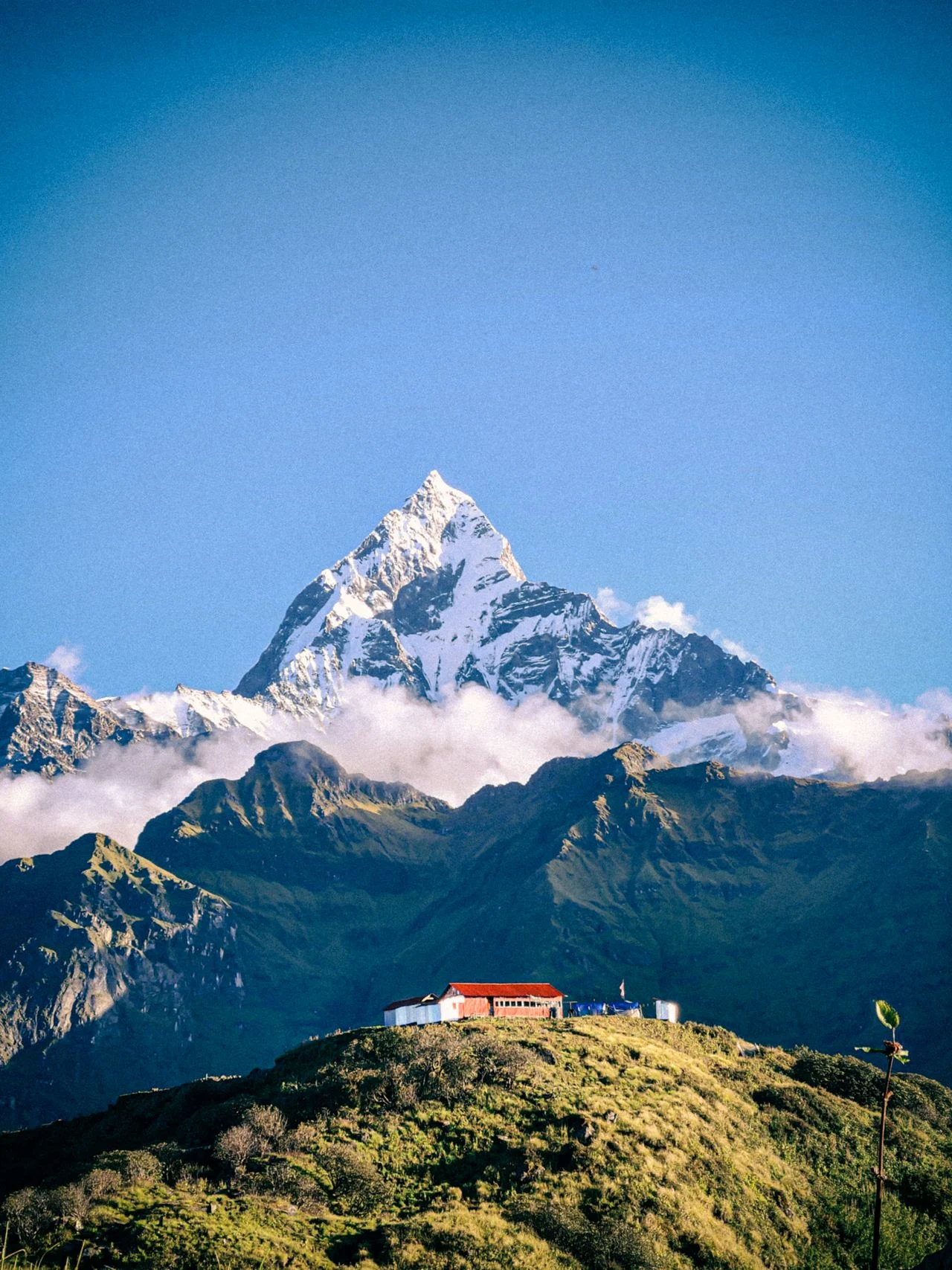
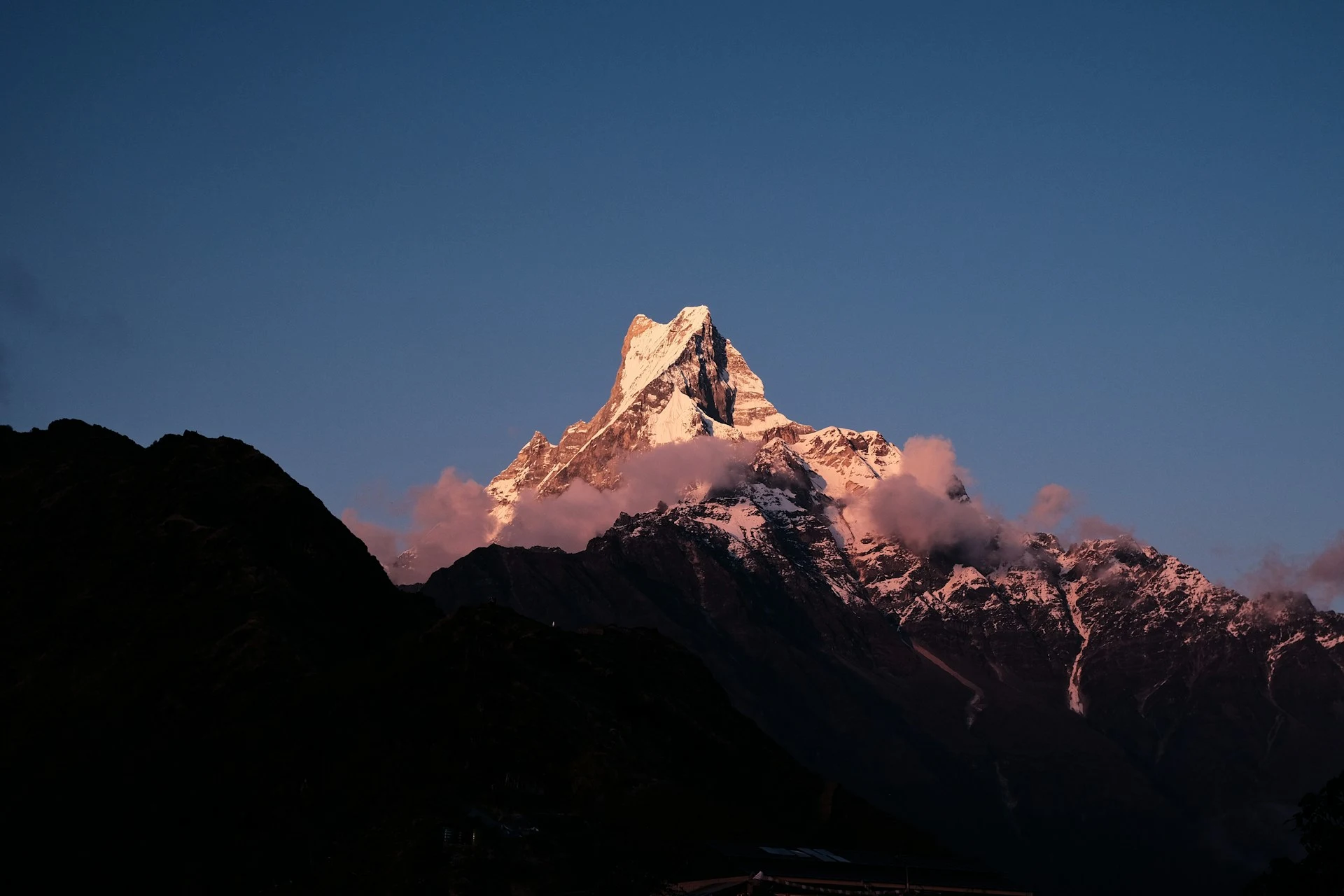
The best time to trek Mardi Himal for clear mountain views is late October to mid-November. This period follows the monsoon, when the atmosphere has been washed clean of dust and haze. The skies are often deep blue, and the Annapurna range appears sharp and close.
November is particularly strong for visibility. The air is dry, and the weather is stable. The only drawback is colder temperatures at High Camp. December and January also offer clear skies, but the cold and snow make the upper trail more challenging.
April can be good for views, but pre-monsoon haze often softens the peaks. The views are still impressive, but they lack the crispness of autumn.
Best Month for Rhododendrons
The best time to trek Mardi Himal for rhododendrons is late March to mid-April. During this period, the forest between Pothana and Forest Camp is transformed. The trees are covered in red, pink, and white flowers.
The rhododendron bloom is one of the most photographed aspects of the Mardi Himal trek in spring. The contrast between the red flowers and the green forest is striking.
By late April, the flowers begin to fade. By May, most of the blooms are gone. If rhododendrons are a priority, aim for the first two weeks of April.
Best Time for Snow
The best time to trek Mardi Himal for snow is December to February. During this period, snow can accumulate on the upper ridge above Badal Danda. The trail to Upper Viewpoint may be snow-covered, and the landscape takes on a stark winter beauty.
Snow on the Mardi Himal trek is not guaranteed in winter, but it is more likely than in any other season. January is the most reliable month for snow.
Trekkers who want snow should be prepared for cold temperatures and possible icy trails. Microspikes or trekking poles with snow baskets are useful. The lower trail below Low Camp is usually snow-free.
Best Time for Fewer Crowds
The best time to trek Mardi Himal for fewer crowds is early December or late February. Both periods sit outside the main trekking seasons, and the trail is significantly quieter.
In early December, the weather is often still clear and dry, but the cold is increasing. In late February, the cold is easing, and the first signs of spring are appearing.
If you want the experience of having the trail mostly to yourself, these are the best windows. The trade-off is colder temperatures and the possibility of snow.
Can You Trek Mardi Himal During Monsoon?
You can, but it is not recommended for most trekkers. The Mardi Himal trek in monsoon faces several significant challenges:
-
Heavy rainfall makes the trail muddy and slippery.
-
Cloud cover obscures the mountain views.
-
Leeches are common in the lower forest.
-
Landslides can disrupt road access.
-
Poor visibility makes navigation harder above the tree line.
The monsoon is not impossible. Some experienced trekkers use late August or early September to avoid crowds and see a lush green landscape. But the Mardi Himal trek is primarily about mountain views. In monsoon, those views are often hidden.
If you choose to trek in monsoon, carry full rain protection, expect leeches, and be flexible with your itinerary.
Can You Trek Mardi Himal in Winter?
Yes, with preparation. The Mardi Himal trek in winter is possible, especially in December and late February. The lower trail remains accessible, and the skies are often clear.
The main challenges are:
-
Cold nights at High Camp, often below freezing.
-
Snow on the upper ridge.
-
Icy trails on the climb to Upper Viewpoint.
-
Reduced tea house availability at higher elevations.
Winter trekking on Mardi Himal is suitable for experienced trekkers with proper gear. A four-season sleeping bag, microspikes, and warm layers are essential. If you are prepared, winter offers a quiet and spectacular experience.
How Weather Changes With Altitude
The Mardi Himal trek weather is not uniform. The conditions at Kande are very different from the conditions at High Camp. Understanding this relationship is key to packing and planning.
| Location | Approx. Elevation | Typical Weather Pattern |
|---|---|---|
| Pokhara | 820 m | Warm, humid in monsoon, mild in winter |
| Kande | 1,770 m | Moderate, occasional rain |
| Forest Camp | 2,600 m | Cool, damp, often cloudy |
| Low Camp | 2,990 m | Cooler, forest begins to thin |
| Badal Danda | 3,210 m | Exposed, windy, clouds often sit here |
| High Camp | 3,580 m | Cold, windy, above tree line |
| Upper Viewpoint | 4,200 m | Very exposed, cold mornings |
| Base Camp | 4,500 m | Harsh, rapidly changing conditions |
Temperature drops with altitude. Expect a decrease of roughly 6°C for every 1,000 meters of elevation gain. A warm afternoon in Pokhara at 25°C can be a cold morning at High Camp at -5°C.
Wind exposure increases above Badal Danda. The ridge is open, and there is no forest to block the wind. This makes the air feel much colder than the actual temperature.
Cloud formation is common in the afternoon, especially in spring. Morning views are often clearer than afternoon views. This is why most trekkers climb to Upper Viewpoint before dawn.
Snow is possible above 3,000 meters in winter. The upper trail may be icy even when the lower forest is dry.
How to Choose Your Trek Dates
Choosing the best time to trek Mardi Himal comes down to a few simple questions:
-
What is your priority? Clear views, flowers, fewer crowds, or snow?
-
How much cold can you tolerate? Winter treks are quiet but cold.
-
Do you mind crowds? October and April are busy.
-
How flexible is your schedule? Shoulder months offer good value with some risk.
-
What is your experience level? Beginners should stick to October or March.
For most trekkers, the answer is late October to early November. It offers the highest probability of good weather, clear views, and manageable conditions. If flowers matter more than perfect visibility, April is the better choice.
What to Pack for Different Seasons
Your packing list changes depending on when you trek Mardi Himal.
Spring and Autumn Packing
-
Lightweight trekking pants
-
Breathable base layers
-
A warm fleece or down jacket for evenings
-
A waterproof jacket for unexpected rain
-
A warm hat and gloves for mornings at High Camp
-
A three-season sleeping bag
Winter Packing
-
Thermal base layers
-
A heavy down jacket
-
Waterproof and windproof outer layers
-
A four-season sleeping bag
-
Microspikes for icy upper trails
-
Warm gloves, hat, and neck gaiter
-
Extra socks
Monsoon Packing
-
Full waterproof jacket and pants
-
Quick-dry clothing
-
Gaiters for mud and leeches
-
Waterproof backpack cover
-
Extra dry bags for electronics
-
Insect repellent
Frequently Asked Questions
1. What is the best month to trek Mardi Himal?
October is the strongest month for overall conditions, with clear skies and stable weather. April is best for rhododendrons.
2. Is November good for Mardi Himal trek?
Yes. November offers excellent visibility and slightly fewer crowds than October, but nights are colder.
3. Can I trek Mardi Himal in March?
Yes. Late March is a good option, with improving weather and fewer crowds than April. Some snow may remain at higher elevations.
4. Is April or October better for Mardi Himal?
October is better for clear mountain views. April is better for rhododendron blooms and slightly warmer temperatures.
5. Can I trek Mardi Himal in monsoon?
It is possible but not recommended. Heavy rain, cloud cover, leeches, and muddy trails make the trek less enjoyable.
6. Can I trek Mardi Himal in winter?
Yes, with proper gear. December and late February are the best winter windows. Expect cold nights and possible snow.
7. What is the temperature at Mardi Himal High Camp?
Temperatures at High Camp range from around -5°C in winter nights to 5-10°C during autumn and spring days.
8. When do rhododendrons bloom on Mardi Himal?
Rhododendrons bloom from late March to mid-April, with peak bloom usually in early April.
9. When is there snow on Mardi Himal?
Snow is most common from December to February, mainly above Badal Danda and on the upper ridge.
10. Is September good for Mardi Himal?
Late September can be good, but early September is still affected by monsoon rain and cloud.
11. How crowded is the Mardi Himal trek in October?
October is the busiest month. The trail can feel crowded, and tea houses fill quickly. Book in advance.
12. What is the clearest month for mountain views?
November is often the clearest month, following the post-monsoon air purification.
13. Can I trek Mardi Himal in May?
Yes, but visibility is often reduced by pre-monsoon haze. The weather is warm and the trail is snow-free.
14. How does altitude affect Mardi Himal weather?
Temperatures drop with elevation, wind exposure increases above the tree line, and snow is more common at higher camps.
15. Does Merriment Treks help with seasonal planning?
Yes. Merriment Treks provides route guidance, permits, transport, and licensed guides. The team can help you choose the right dates for your priorities.
Plan Your Mardi Himal Trek With Merriment Treks
Choosing the best time to trek Mardi Himal is only the first step. You still need permits, transport to Kande, a licensed guide, accommodation bookings, and a route plan that matches your fitness and schedule.
Merriment Treks is a Pokhara-based trekking operator that specializes in the Mardi Himal route. The team provides:
-
Current seasonal advice
-
ACAP and TIMS permit processing
-
Private transport from Pokhara to Kande and return from Lumre
-
Licensed, English-speaking guides
-
Tea house bookings
-
Customized itineraries from 3 to 6 days
If you are planning your Mardi Himal trek for 2026, contact Merriment Treks directly for up-to-date trail conditions, weather windows, and booking support.