Every woman who plans a trip alone eventually types the same question into a search box: is Nepal safe for solo female travellers? The honest answer is yes, for most women most of the time, with real caveats that deserve respect. Nepal draws large numbers of independent travellers, and many women explore Kathmandu, Pokhara and the trekking trails on their own. At the same time, official government advice mentions harassment, assaults in some tourist areas, petty theft, risky roads and serious mountain hazards. This guide sets out both sides, so you can decide with clear eyes and travel with practical habits instead of vague worry.
Is Nepal Safe for Solo Female Travellers? The Honest Short Answer
Nepal is widely regarded as a manageable, welcoming country for women travelling alone. Violent crime against visitors is described as low by the UK government, and most travellers report friendly, curious and helpful locals. Many tour operators and travel writers describe solo female travel in Nepal as more comfortable than in several neighbouring countries.
That is not the same as risk-free. Women travelling alone are named as more exposed to harassment in official advice from Canada, and the UK government warns that women have been sexually assaulted in tourist areas of Kathmandu. These are not common, but they are real, and they are the reason this guide exists.
The useful way to think about it is this: the biggest day-to-day problems tend to be petty theft, overcharging, unwanted attention and traffic. The biggest serious risks on a trek are altitude, weather and terrain rather than people. If you plan for those, you remove most of what can go wrong.
What Governments Say About Nepal Right Now
Official advice is the best starting point because it is written to be cautious. Here is what the main sources say, and why it matters for you.
- United States. Nepal was lowered to Level 2, “Exercise Increased Caution”, on 31 March 2026, mainly because of civil unrest. The advice notes that the nationwide protests that began in September 2025 had ended, but demonstrations can still occur, particularly in cities. Read the current text on the US State Department Nepal page.
- United Kingdom. The Foreign, Commonwealth and Development Office describes a low rate of serious crime but warns about pickpockets, night-time assaults in poorly lit areas, drink spiking and sexual assaults in places such as Thamel and Sanepa. Its full guidance is on the UK government Nepal safety and security page.
- Canada. The Canadian advice says women travelling alone are at higher risk of verbal or physical harassment and recommends dressing conservatively, especially in remote areas. See the Canadian travel advice for Nepal.
Advisory levels change, so check the current wording before you book and again before you fly. Treat these warnings as a checklist of things to plan for, not a reason to stay home.
Protests, Strikes and Political Unrest
The most visible safety issue for all visitors, not only women, has been civil unrest. The nationwide protests that began in September 2025 disrupted travel, and the US advisory that followed was only lowered once the situation settled. Even after that, the UK government describes political protests, demonstrations and strikes as fairly common in Nepal.
These events can start at short notice, disrupt transport and sometimes lead to clashes with police or curfews. The practical response is simple: avoid demonstrations, check local news before you move between cities, and follow the instructions of local authorities. If you hear that a strike is planned, stay flexible, keep a day or two of slack in your schedule and ask your hotel what is happening on the roads before you set out.
The Real Risks, Ranked Honestly
A fair answer separates common annoyances from rare but serious events. Roughly in order of how likely you are to meet them:
- Overcharging and small scams. Taxis, souvenir shops and some trekking deals are where most travellers lose money. It is irritating but rarely dangerous.
- Pickpocketing and bag snatching. The UK government names airports, buses and tourist areas such as Thamel, Sanepa and Kupondol in Kathmandu.
- Unwanted attention. Staring, comments, persistent offers and occasional touching in crowds are the most common complaint from women travelling alone in Nepal.
- Road accidents. Road conditions, overloaded vehicles and driver behaviour make traffic one of the biggest real dangers in the country.
- Altitude and weather on treks. Altitude sickness, storms, rockfall and cold are the main reasons trekkers need rescue.
- Serious assault. Rare, but documented in official advice, mostly in tourist areas at night or when alone in isolated places.
Notice that most of the list is not about gender at all. Where gender matters, the answer is usually the same as in any unfamiliar country: avoid isolation, avoid alcohol with strangers and keep control of your plans.
Harassment: What It Looks Like and How to Handle It
Most women who report unwanted attention in Nepal describe the low-level kind: staring, remarks, someone following to sell a trek or a taxi ride, or a stranger who will not accept a polite refusal. It is more likely in crowded tourist streets, markets, buses and at night.
A few responses work in almost any country. Keep walking and avoid long conversations with anyone who makes you uneasy. Say “no” clearly and firmly instead of apologising. Move toward a shop, hotel or group of people, because visibility changes how people behave. If someone touches you or follows you, speak loudly, draw attention and contact the Tourist Police on 1144.
Decide in advance what you will do. A woman who has already thought through “I will step into that shop and ask the staff to call me a taxi” reacts faster than one who is improvising while anxious. And if something does happen, it is never your fault. Report it, tell your hotel or trekking company and contact your embassy if you want support.
Staying Safe in Kathmandu
Most solo travellers land in Kathmandu, and the capital is where you should be most alert to petty crime. The busiest tourist district, Thamel, is full of hotels, cafes and trekking shops, which means it is convenient and also a magnet for pickpockets and touts.
The UK government warns that assaults and robberies are more likely in the evening in poorly lit areas, and advises against walking alone at night. Take that seriously. Use a licensed taxi or a ride app after dark instead of walking back through quiet lanes, even if the distance looks short on the map.
Spend your first day getting oriented. Walk the main streets in daylight, learn the route between your hotel and the places you will visit, and note where the nearest busy cafes and shops are. Familiarity is a safety tool, because people who look lost attract more attention than people who look settled.
If you are deciding which neighbourhoods and attractions to prioritise, our guide to the best places to go in Nepal and Kathmandu helps you plan days that fit in daylight and keep you in busier areas.
Drinks and nightlife
The UK government warns about drink spiking and about alcoholic drinks containing methanol in popular travel destinations worldwide, which can be deadly even in small amounts. Do not accept drinks from strangers, never leave your glass unattended and stick to sealed bottles or well-known venues. If you feel unusually unwell after a drink, get to a medical facility straight away.
Pokhara and Other Tourist Hubs
Pokhara is the lakeside base for many Annapurna treks and tends to feel more relaxed than Kathmandu, with plenty of travellers around and many cafes and guesthouses used to independent visitors. Smaller tourist hubs work the same way: the more visitors there are, the more likely you are to find other travellers, English speakers and services.
The same habits apply everywhere. Stay in busy areas at night, keep your valuables out of sight and trust your instincts when a place feels wrong. Tourist Police units operate in tourist areas, and the national tourist police number is 1144.
A Simple Safety Plan for Your First 72 Hours
The first days of a solo trip are when you know the least and are most tired, so a short routine helps. None of this is complicated, but doing it deliberately makes the rest of the trip easier.
Before you land, book your first two nights in a well-reviewed place and arrange or plan your airport transfer, so you are not negotiating with touts while jet-lagged. Save the emergency numbers, your hotel address in Nepali script and your embassy contact in your phone, and send your itinerary to someone at home.
On arrival, get a local SIM or eSIM, take the prepaid taxi or a pre-arranged pickup and confirm your hotel booking before you pay. On day one, walk in daylight, find a pharmacy, an ATM and a few busy cafes, and keep your passport and most of your cash locked away. By day two or three, you will know the area well enough to move around with confidence, meet other travellers and make plans for the next stage.
Getting Around Safely
Taxis and ride apps
Arriving at Kathmandu airport, use the official prepaid taxi counter inside the arrivals hall, where fares are posted on a board. One recent guide put the prepaid fare to Thamel at around NPR 900 in early 2026, though prices change. Ride-hailing apps such as Pathao are widely used in the city, and a local SIM makes them easier to use.
Be aware that informal motorbike riders sometimes call out “Pathao” without being on the app. If you want a booked ride, order it yourself, check the plate and driver against the app before you get in and share your trip with a friend.
Buses
Bus accidents are common in Nepal, according to the UK government, and buses are often overcrowded and poorly maintained. It advises against travelling on overloaded buses or at night, and notes that tourist buses usually offer a higher standard. For women travelling alone, a daytime tourist bus or a private transfer is a safer choice than a night local bus.
Domestic flights
Flights to mountain airstrips are often delayed or cancelled by weather. The UK government also notes that no Nepali airline currently meets the standards needed to avoid its air safety list. Ask your agency which airline it uses, build buffer days into your plans and make sure your insurance covers delays.
Accommodation: Where to Sleep Well and Safely
Choose accommodation with recent reviews from other solo women, a lockable room and a reception that is staffed in the evening. In cities, a guesthouse in a busy, well-lit area is better than a cheaper room down a quiet lane.
Check basic safety, too. The UK government points out that fire and electrical standards in Nepal are not always the same as at home, so look for exits, working alarms and visible wiring, and be aware of the dangers of carbon monoxide from heaters or poorly ventilated stoves.
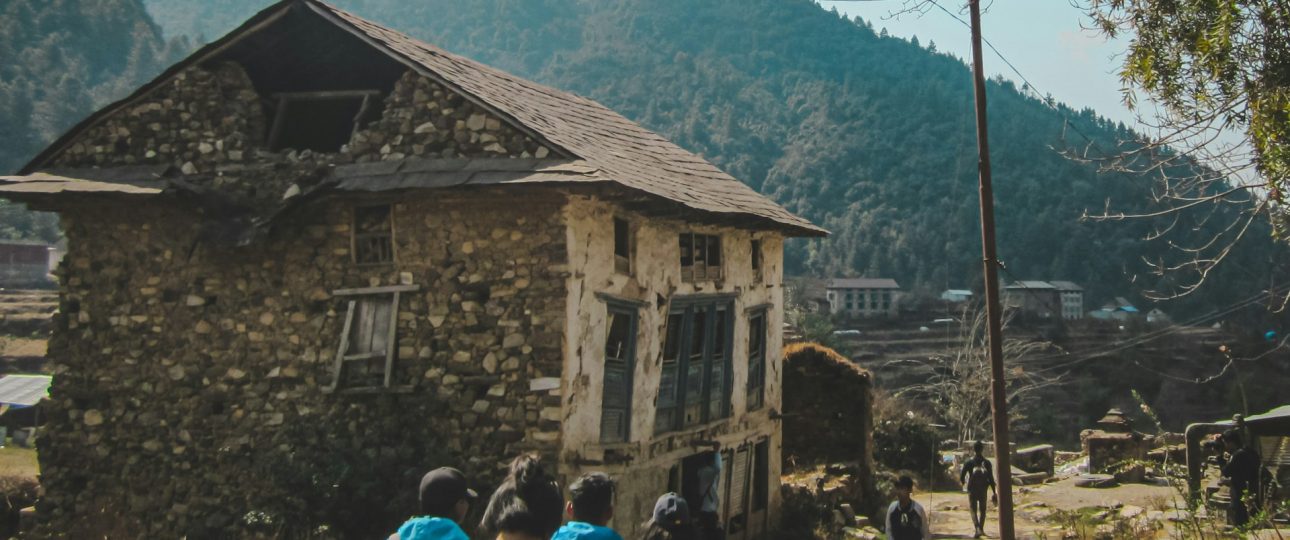
In trekking villages, teahouses are small family lodges. Rooms are simple, doors lock from the inside and the dining room is the social centre. Most trekkers sleep in basic rooms and meet others in the evening, which is one reason many women find the trail more sociable than they expected.
Culture, Clothing and Etiquette
Nepal is culturally diverse and mostly conservative in public life. Dressing modestly is not a rule that protects you from crime, but it reduces unwanted attention and shows respect, particularly outside big cities and in religious places. Canadian advice specifically recommends conservative dress in remote areas.
- Temples. The UK government advises avoiding shorts and sleeveless tops, removing shoes where required and noting that non-Hindus cannot enter certain parts of Hindu temples.
- Public affection. Showing affection in public is seen as inappropriate, whatever your sexuality or gender.
- Everyday clothes. Long trousers or a long skirt, a loose top with sleeves and a light scarf work in cities, villages and on the trail.
- Greetings. A smile and a “namaste” with hands together go a long way.
Practical Things Women Often Ask About
Some of the questions women have before a solo trip are rarely answered in general guides, so here is the practical side.
Bring the personal hygiene supplies you rely on from home, because specific products can be hard to find in small mountain villages. Toilets on the trail range from simple squat toilets to basic Western-style ones, and cleanliness varies, so carry tissues, hand sanitiser and a small bag for used items. Keep a small supply of any prescription medication in your hand luggage along with a copy of the prescription.
If you would feel more comfortable with a woman guide or a small group, ask the agency before you book, because availability depends on the operator and season. Women on the trail often find that other trekkers, teahouse owners and porters are the best source of local advice, and a friendly chat at dinner can lead to a walking partner for the next day.
Solo Female Trekking in Nepal: What You Need to Know
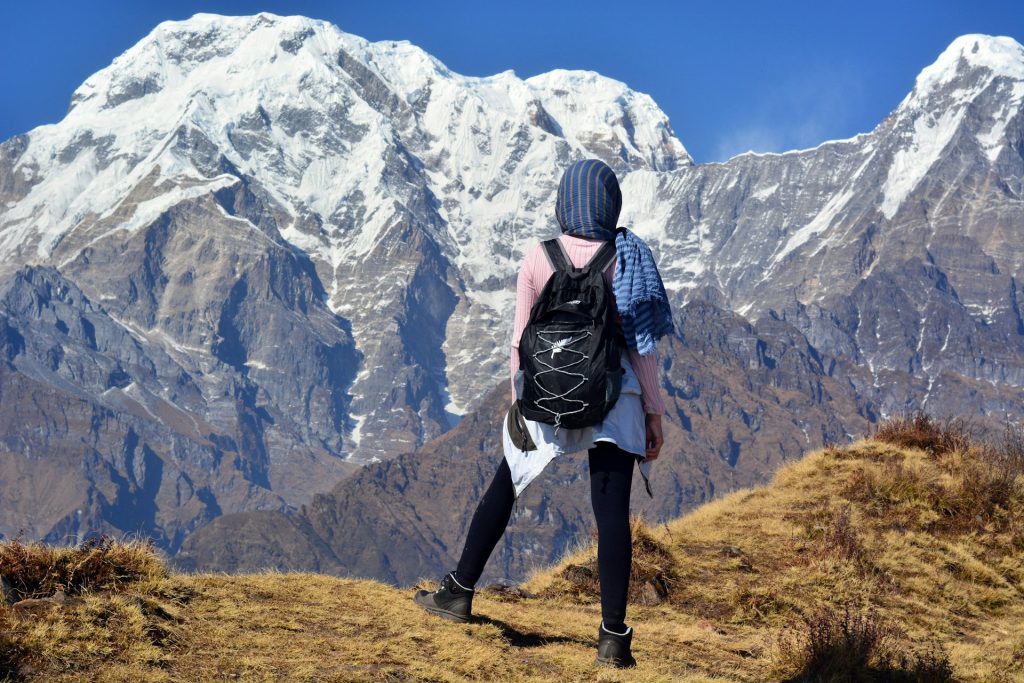
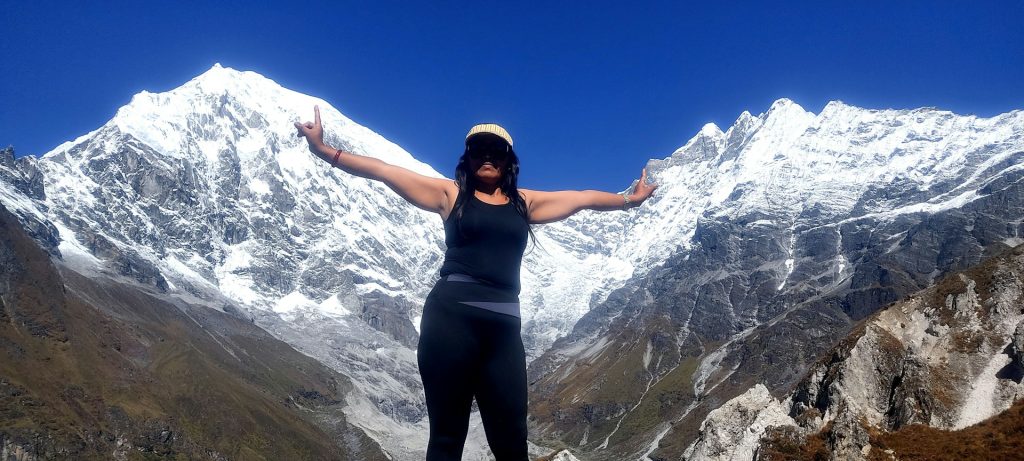
Trekking is why many women come, and it is also where the question of whether Nepal is safe for solo female travellers changes shape. On the trail, the main risks are mountain risks, not crime. Many women trek in Nepal without incident, often meeting friendly villagers, guides and other trekkers each day.
That does not make isolation safe. UK government advice and other travel guidance note isolated cases of assault in the past, and they recommend that people trekking alone take extra care. Walking in a remote area with nobody who knows where you are is the situation to avoid.
The simplest protection is a good local guide, a clear itinerary and a trail with plenty of other trekkers. Many operators can arrange a female guide or a small group if you ask, and that can add comfort as well as safety. Ask about it when you enquire.
What a trekking day looks like
A typical teahouse trek day starts early with breakfast, followed by several hours of walking with a break for tea or lunch in a village, and an afternoon arrival so you can rest and acclimatise. Evenings are spent in the dining room, which is warm, social and usually busy with other trekkers.
That rhythm is part of what makes popular routes feel safe. You are seldom far from the next lodge, and you pass guides, porters, locals and other walkers throughout the day. The risks grow when you leave that rhythm: starting very late, walking alone in bad weather or leaving the main trail.
The Guide Rule: What Is Actually Required?
Rules for independent trekkers have changed in recent years, and sources do not agree on every detail. The UK government’s current advice is direct: do not trek alone, and foreign independent trekkers must use a local guide or porter in national parks and protected areas. Some operators say the Everest region is treated differently or that enforcement varies, and recent changes to restricted-area permits have been reported in 2026.
For a solo woman, the practical answer is simple. Even where a guide is not strictly enforced, hiring one is a sensible safety choice, because a guide handles navigation, altitude decisions and emergencies and gives you a trusted person on the trail. Our guide to trekking permits in Nepal explains the permits, fees and guide rules in detail, and you should confirm the current position with a registered agency before you travel.
Choosing a Trek for Your First Solo Trip
If this is your first big trek, choose a route that is well used, has plenty of villages and does not climb too high too quickly. A shorter trek lets you test your fitness, your comfort with basic lodges and your response to altitude before you commit to something harder.
Our overview of Nepal short treks and the best routes is a good place to compare options by length and difficulty. Whatever you choose, ask how many nights you will spend above 3,000 metres and whether the itinerary includes rest days.
Altitude and Mountain Safety
For most trekkers, altitude is a bigger threat than strangers. Altitude sickness can start with a headache, nausea, dizziness and fatigue, and it can become dangerous if you keep climbing with symptoms. The rule is to climb slowly, rest when you need to and descend if symptoms worsen.
The UK government also warns of isolated reports of trekking guides taking inexperienced trekkers to high altitude too quickly and then calling in expensive helicopter evacuations, from which they take a cut. It advises caution with trekking deals that look very cheap. For a solo woman, the lesson is to choose a reputable agency and to speak up if the itinerary feels rushed.
Our detailed guide to Annapurna Base Camp acclimatization explains how altitude works, what a sensible schedule looks like and what warning signs to watch for.
The Best Time to Go
Spring (March to May) and autumn (about late September to November) are the main trekking seasons, with clearer skies and more stable weather. The monsoon, normally June to October according to the UK government, can bring flooding, landslides and disrupted roads, and travel then can be hazardous.
Popular seasons mean more trekkers on the trail, which many solo women find reassuring. Winter can be very cold at altitude. Whichever season you pick, be ready to change plans at short notice.
Earthquakes and Natural Hazards
Nepal sits in an active earthquake zone, and the UK government notes that tremors are common across the country. Emergency equipment and medical facilities are limited, and help can be slow to reach remote areas. Ask your hotel or tour operator what their earthquake plan is, learn where the exits are in every building you sleep in and keep your phone charged.
On the trail, landslides, rockfall, storms and flooding are the usual hazards, especially in the monsoon. Listen to your guide, check weather forecasts and be willing to wait a day if conditions look wrong. No view is worth crossing a slope that sounds or looks unstable.
Health, Insurance and Emergency Contacts
Insurance is not optional for a trip like this. The UK government advises making sure your policy covers mountain rescue and helicopter costs, and US guidance recommends medical evacuation cover. Medical care can be limited outside the capital, so evacuation cover is what protects you if something goes wrong in the mountains.
Save these numbers in your phone before you leave:
- Police: 100
- Tourist Police (English-speaking): 1144
- Fire: 101
- Ambulance: 102
If you are the victim of a crime, UK guidance says to contact the Tourist Police on 1144 and to tell your hotel or trekking company if you are travelling with one. Keep digital copies of your passport, visa and insurance policy, and give a trusted person your itinerary and insurer details.
Money, SIM Cards and Staying Connected
Carry enough Nepali rupees in cash, because ATMs and card payments are unreliable in remote areas. Do not carry large sums, and keep valuables in a hotel safe when you can.
A local SIM is cheap and useful for ride apps, maps and messaging home. Ncell and Nepal Telecom both sell tourist SIMs at the airport and in shops, and you need your original passport to register. Some sources also advise bringing a passport photo. Coverage is limited in remote areas, including long stretches of the Annapurna Circuit, so tell people when you will be out of contact.
Packing Smart for a Solo Trip
Pack light enough to carry your bag alone, with a small lock for your room or bag, a headlamp, a power bank, a basic first-aid kit and copies of your documents. Bring modest, quick-drying clothing and warm layers for the evenings and the mountains.
If you are heading to the Annapurna region, our Annapurna Base Camp packing list is a useful checklist for what to carry, and you can adapt it to any teahouse trek.
Habits That Keep You Safer
The best protection is a set of small habits you repeat without thinking.
- Share your plan. Send your hotel, route and dates to someone at home, and message them each day.
- Avoid walking alone at night. Use a trusted taxi or ride app after dark.
- Keep control of your drink. Never leave it unattended and avoid accepting drinks from strangers.
- Trust your instincts. If a situation or person feels wrong, leave and move toward other people.
- Be firm. A clear “no” and walking away is better than being polite for too long.
- Agree prices first. Settle taxi fares, tours and trekking costs before you start.
- Choose registered operators. A registered agency and licensed guide are accountable if something goes wrong.
- Keep your documents safe. Carry your passport as the UK government advises, and keep copies elsewhere.
Questions to Ask a Trekking Agency Before You Pay
A reliable agency welcomes detailed questions. If answers are vague or defensive, treat that as information.
- Are you a registered agency, and are your guides licensed?
- Can I meet or speak to my guide before the trek starts?
- Is a female guide or a small group possible?
- How many rest and acclimatisation days are in the itinerary?
- What happens if I become ill, and who decides whether to descend?
- Does the price include permits, transport, meals and accommodation?
- How do you handle emergencies, and which insurance do you expect me to hold?
- What will you do if flights are cancelled or weather closes the route?
Good answers are specific and calm. Pressure to pay immediately, offers that seem far too cheap and itineraries that climb quickly are all reasons to look elsewhere.
Common Mistakes Solo Women Make
Most problems are avoidable planning errors rather than bad luck.
- Booking a very cheap trekking deal. Low prices can mean rushed itineraries, poor equipment or inexperienced staff.
- Trekking without a plan. Setting off alone with no itinerary and no check-in plan is the riskiest version of solo travel.
- Underestimating altitude. Going too high too fast is a bigger danger than most people expect.
- Skipping insurance. A helicopter evacuation without cover is a financial disaster.
- Ignoring monsoon and protest news. Check conditions before you travel overland.
- Staying out late alone. The warnings about night-time risk are consistent across governments.
Nepal Safe for Solo Female Travellers: Frequently Asked Questions
1. Is Nepal safe for solo female travellers?
Generally yes, with sensible precautions. Many women travel alone in Nepal without serious problems, and violent crime against visitors is described as low. Official advice still warns about harassment, assaults in some tourist areas, petty theft, unsafe roads and mountain hazards.
2. Is Kathmandu safe for a woman travelling alone?
It is manageable in daylight and in busy areas. The UK government warns about pickpockets and about sexual assaults in places such as Thamel and Sanepa, and advises caution when alone after dark. Use a licensed taxi or ride app at night.
3. Can I trek in Nepal alone as a woman?
UK government advice says foreign independent trekkers must use a local guide or porter in national parks and protected areas, and recommends not trekking alone. Rules and enforcement vary by region and have changed recently, so confirm with a registered agency. A guide is strongly advised in any case.
4. What should I wear in Nepal?
Dress modestly, particularly outside cities and in religious places. Cover shoulders and knees at temples, remove shoes where required and choose loose, comfortable clothing for travel and the trail.
5. What are the main safety risks for women in Nepal?
The most common are overcharging, pickpocketing, unwanted attention and road accidents. Rarer but more serious risks include sexual assault, drink spiking and, on treks, altitude sickness and weather.
6. What are the emergency numbers in Nepal?
Police is 100, Tourist Police is 1144, fire is 101 and ambulance is 102. Save them before you travel and tell your accommodation or trekking company if you need help.
7. Is it safe to take taxis and public transport alone?
Licensed taxis and ride apps are generally the better choice, especially at night. The UK government advises against overloaded buses and night bus travel, and notes tourist buses are usually safer than local buses.
8. When is the best time to visit Nepal as a solo traveller?
Spring (March to May) and autumn (about late September to November) offer the most stable weather and busy, sociable trails. The monsoon can cause floods, landslides and road disruption.
9. Do I need travel insurance for Nepal?
Yes. Make sure it covers high-altitude trekking, mountain rescue and helicopter evacuation, and check the limits before you buy. Medical care is limited outside the capital, so evacuation cover matters.
10. Which trek is safest for a first-time solo female trekker?
A well-used, shorter route with plenty of villages and a gradual climb is the better choice. See our assessment of whether the Mardi Himal trek is safe for an honest look at one popular option, and always go with a licensed guide and a clear plan.
Plan Your Solo Trip to Nepal With Merriment
If you are still asking whether Nepal is safe for solo female travellers, the best answer comes from planning, not guessing. A realistic itinerary, a licensed guide, proper insurance and a few daily habits turn a nervous idea into a confident trip.
The Merriment team can answer your questions about routes, seasons, permits, guides and what to expect as a woman travelling alone in Nepal. Tell us when you want to travel, how much trekking experience you have and what kind of support you would like, including whether you would prefer a female guide or a small group, and ask for a quote.
Enquire on WhatsApp: +977 974-0262168
Message us today and start planning a safe, well-supported journey through Nepal.