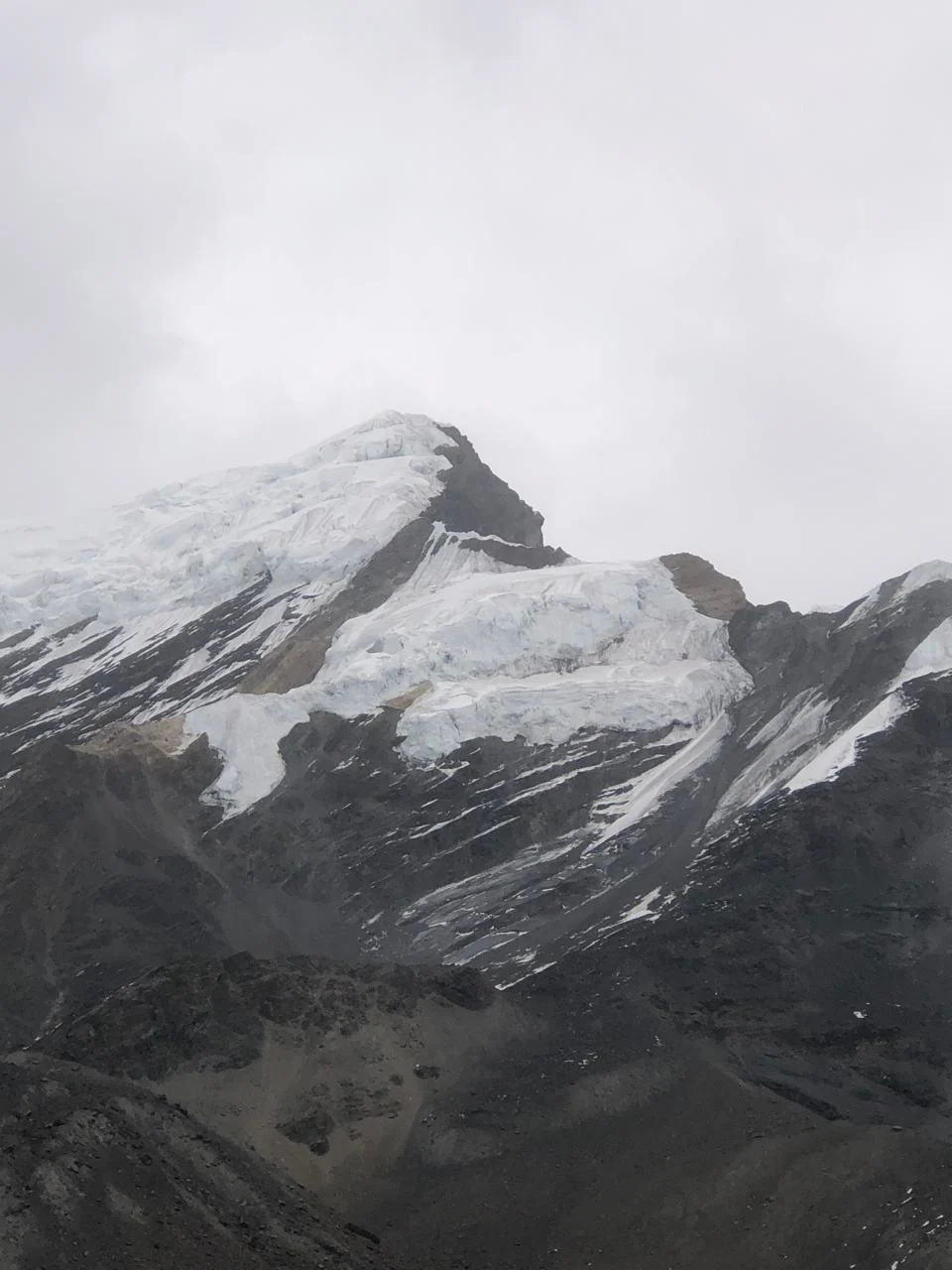
Annapurna Circuit Trek – 13 Days Over the Thorong La
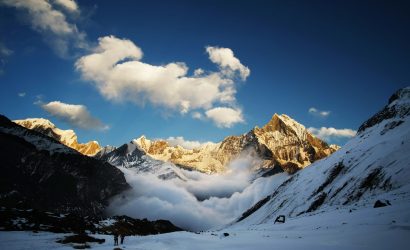
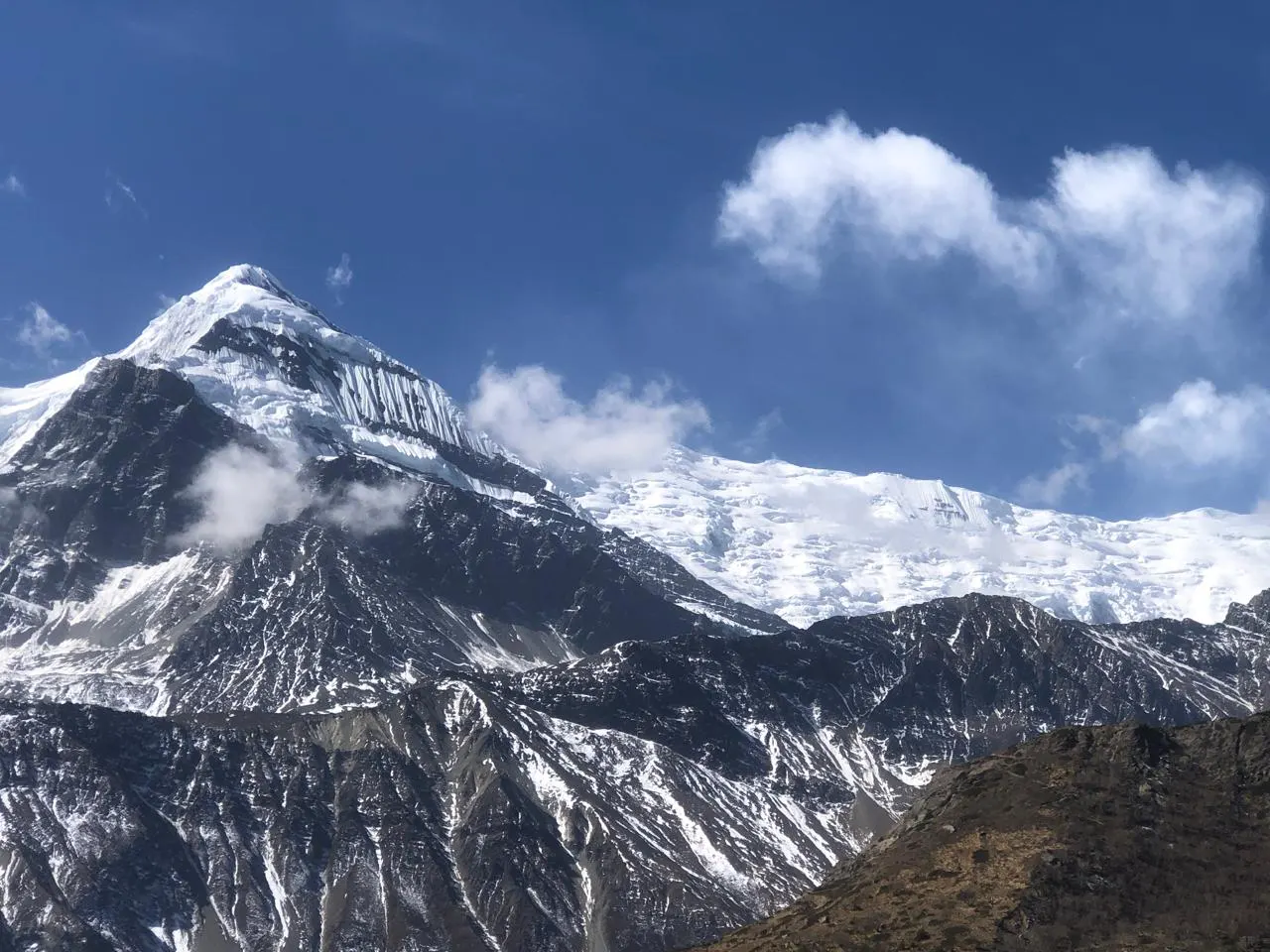
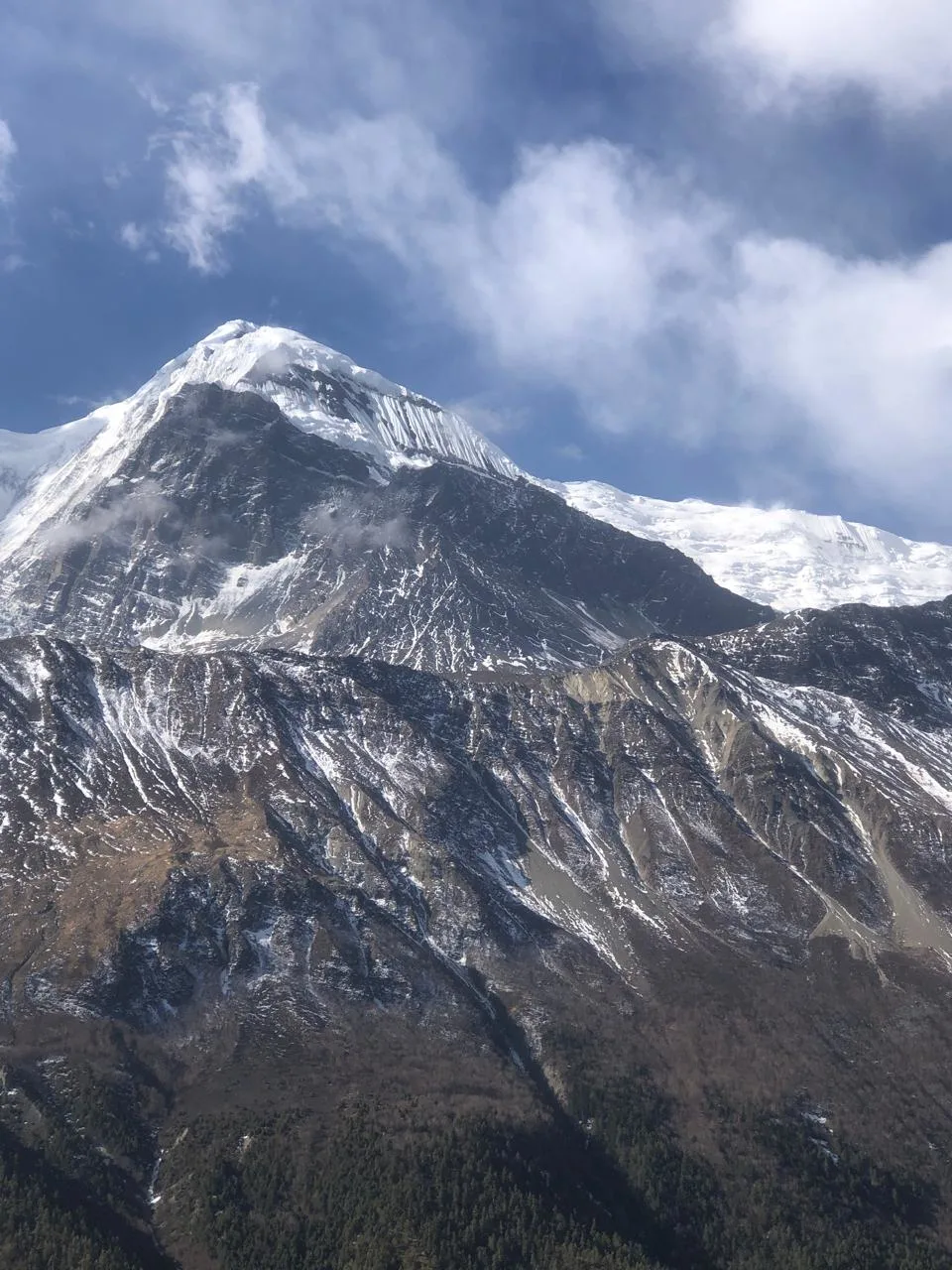
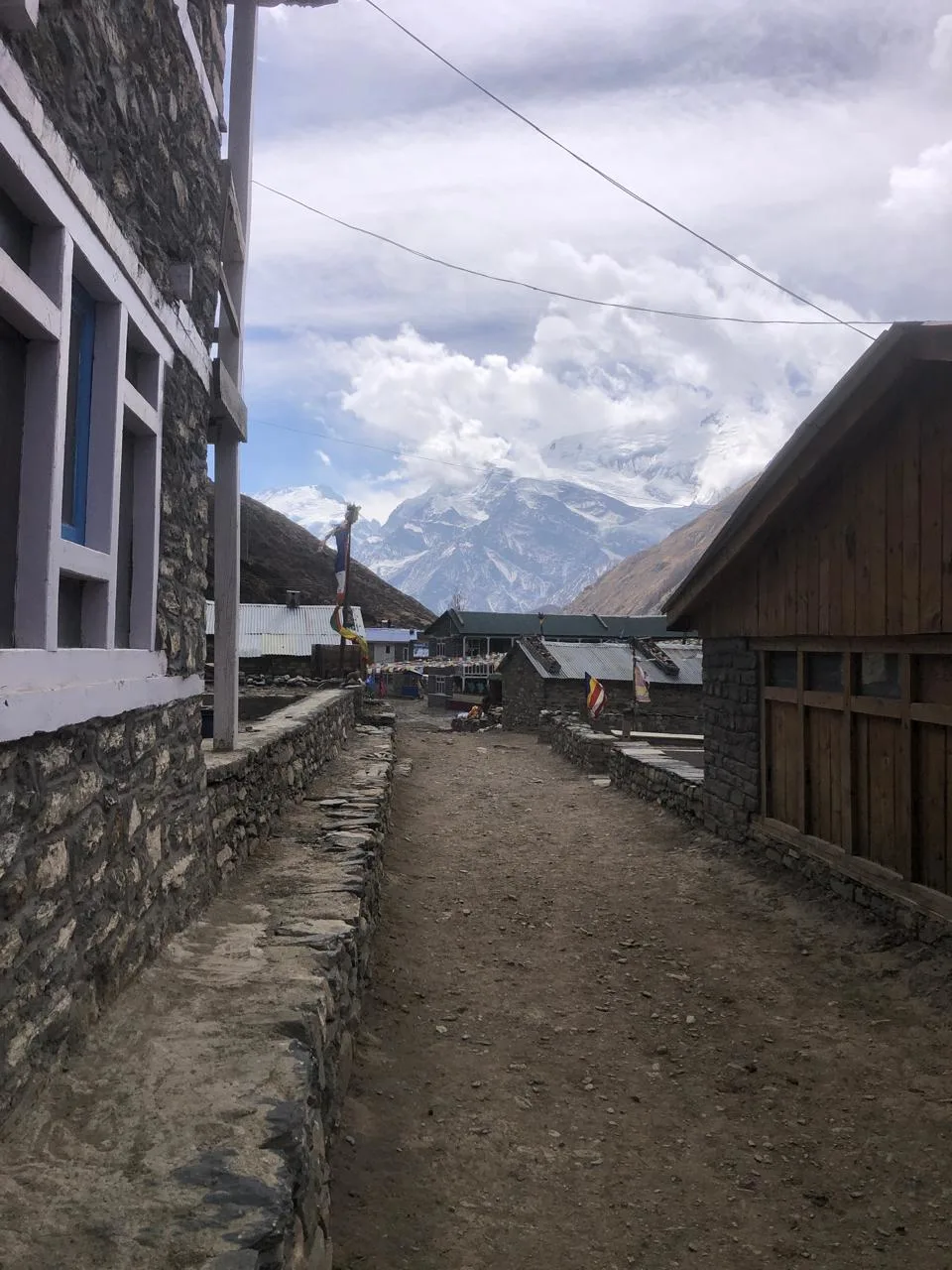
The Annapurna Circuit Trek is a 13-day loop around the Annapurna massif that climbs through the Marshyangdi Valley to the 5,416-metre Thorong La Pass, then drops into the arid Kali Gandaki on the far side. It is the trek people picture when they think of Nepal beyond Everest — a complete crossing of a mountain range, where the landscape shifts from pine forest and terraced farmland to high alpine desert, and Gurung farming villages give way to Tibetan Buddhist settlements as you gain height. This is the standard, well-paced version: enough days to acclimatize properly, cross the pass safely, and finish in the pilgrimage town of Muktinath before flying out via Jomsom and Pokhara.
It suits reasonably fit trekkers with roughly two weeks in Nepal who want the full circuit experience rather than only its high-altitude core. If your time is tighter, we also run a compressed 9-day Short Annapurna Circuit Trek that drives past the lower valley — but the 13-day route on this page is the one most travelers come for, and the one we most often recommend.
Quick Facts
| Detail | Information |
|---|---|
| Trek Name | Annapurna Circuit Trek |
| Duration | 13 Days, Kathmandu to Kathmandu |
| Price | US$ 1200 per person |
| Max Altitude | Thorong La Pass – 5,416 m |
| Trek Region | Annapurna Conservation Area, Marshyangdi & Kali Gandaki Valleys |
| Distance | Roughly 160–170 km walked (varies with road transfers) |
| Difficulty | Moderate to Challenging |
| Group Size | 2–12 trekkers (private departures available) |
| Accommodation | Tea houses / lodges on trail; tourist hotel in Pokhara |
| Meals | Breakfast, lunch, dinner during the trek |
| Best Season | March–May, September–November |
| Starts / Ends | Kathmandu |
| Permits | ACAP + licensed guide (mandatory); TIMS where checked |
Trip Overview
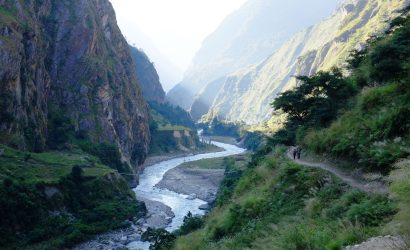
The circuit runs anticlockwise around the Annapurna range, and its entire logic is altitude. You start relatively low in the Marshyangdi Valley and walk upstream through Dharapani, Chame and Pisang while your body adjusts, reach Manang for a dedicated acclimatization day, then climb steadily to the foot of the pass. The single big effort is Thorong La. Cross it, and everything reverses within hours: a long descent into the rain-shadow desert of the Kali Gandaki, down to Muktinath, and out via Jomsom.
Road access has reshaped this trek over the past decade. A jeep track now runs deep into the lower Marshyangdi, so most modern itineraries — including this one — use a vehicle for the lowest, dustiest, road-adjacent section and begin walking where the trail is still genuine footpath. That keeps your walking days focused on the parts worth walking: the mid-valley climb, the villages, the acclimatization ladder, and the pass. The trek ends with a short mountain flight from Jomsom to Pokhara, then the return to Kathmandu.
Trekkers with an extra two or three days can add the Tilicho Lake side trip above Manang — one of the highest large lakes in the world — as an upgrade. It is offered as an add-on rather than built into the standard route (details below).
Why Do the Annapurna Circuit
It is a complete mountain crossing, not an out-and-back. Unlike treks that climb to a viewpoint and return the same way, the circuit takes you over a range and down the other side into an entirely different landscape and culture. That variety is its signature.
The acclimatization profile is forgiving. The route gains height gradually over the first week, which is exactly what makes it accessible to fit first-timers. The Manang rest day is built in for the same reason.
The scenery changes constantly. Few treks pack this much variety into two weeks — subtropical valley, pine forest, alpine meadow, high desert, and the pass itself.
It is beginner-accessible with the right pace. No technical climbing is involved. With reasonable fitness, sensible pacing and a guide, this is a realistic first Himalayan trek — provided you respect the altitude.
It is genuinely iconic. Thorong La and Muktinath are names that carry weight among trekkers worldwide, and this is the trek that made the Annapurna region famous.
Full circuit or short version?
If you have around two weeks, the 13-day circuit on this page is the right choice — it gives you the complete route with proper acclimatization. If you have only 9–11 days including international flights, our Short Annapurna Circuit Trek keeps the high-altitude core — Manang, the pass, Muktinath — by driving further up the valley to Chame. Same summit-day drama, less time and less walking. The two are built for genuinely different trips, not as better-or-worse versions of one. If you’re weighing several options, our guide to Nepal’s best short treks is a useful place to compare.
Why Book with Merriment Treks
Since April 2023, a licensed guide has been legally required for foreign trekkers across the Annapurna region — independent, unguided trekking is no longer permitted, and it’s enforced at checkpoints where trekkers without a guide have been turned back. That makes your operator part of the trek’s safety infrastructure. Our guides are trained in altitude-sickness recognition and carry the authority to change the day’s plan — holding lower for a night or descending — when symptoms don’t clear with rest.
We pace this itinerary around real acclimatization needs rather than the fewest possible days, arrange your ACAP and any required checkpoint documentation in advance, and book tea houses ahead in the October–November peak when Manang and the villages near the pass fill fast. Pricing is quoted in full upfront, with inclusions and exclusions listed plainly, so there are no surprise add-ons once you’re on the trail.
Route Overview
| Stage | Region | Key Feature |
|---|---|---|
| Kathmandu to Dharapani | Road / jeep access | Enters the Marshyangdi Valley and conservation area |
| Dharapani to Chame | Mid Marshyangdi | Pine forest, first views of Annapurna II and Manaslu |
| Chame to Manang | Upper Marshyangdi | Paungda Danda, the high Ghyaru–Ngawal trail |
| Manang | Acclimatization hub | Rest day, Ice Lake / Gangapurna hikes |
| Manang to High Camp | High Marshyangdi | Sparse alpine terrain, approach to the pass |
| Thorong La Pass | Pass crossing | 5,416 m, highest point of the trek |
| Muktinath to Pokhara | Kali Gandaki | Pilgrimage town, desert landscape, mountain flight |
Altitude Profile
| Location | Altitude |
|---|---|
| Kathmandu | 1,400 m |
| Dharapani | 1,860 m |
| Chame | 2,670 m |
| Upper Pisang | 3,300 m |
| Manang | 3,540 m |
| Yak Kharka | 4,050 m |
| Thorong Phedi / High Camp | 4,450 / 4,850 m |
| Thorong La Pass | 5,416 m |
| Muktinath | 3,760 m |
| Jomsom | 2,720 m |
| Pokhara | 820 m |
For a fuller picture of how elevation shapes the whole region, see our overview of Annapurna region elevation.
Daily Walking Distance & Hours
| Day | Route | Walking Time | Altitude Change |
|---|---|---|---|
| 1 | Kathmandu to Dharapani (drive) | 8–10 hrs (vehicle) | 1,400 m → 1,860 m |
| 2 | Dharapani to Chame | 5–6 hrs | 1,860 m → 2,670 m |
| 3 | Chame to Upper Pisang | 5–6 hrs | 2,670 m → 3,300 m |
| 4 | Upper Pisang to Manang | 6–7 hrs | 3,300 m → 3,540 m |
| 5 | Manang acclimatization | 3–4 hrs (hike) | 3,540 m + day hike |
| 6 | Manang to Yak Kharka | 3–4 hrs | 3,540 m → 4,050 m |
| 7 | Yak Kharka to Phedi / High Camp | 3–5 hrs | 4,050 m → 4,450–4,850 m |
| 8 | Thorong La to Muktinath | 7–9 hrs | up to 5,416 m → 3,760 m |
| 9 | Muktinath to Jomsom | 3–4 hrs | 3,760 m → 2,720 m |
| 10 | Jomsom to Pokhara (flight) | 25 min flight | 2,720 m → 820 m |
Total walked distance runs roughly 160–170 km on this itinerary, less than the original circuit because the lowest section is now driven. We break down the numbers in how many miles the Annapurna Circuit is.
Trail Difficulty and Fitness
We rate the Annapurna Circuit Moderate to Challenging. There is no technical climbing, no ropes and no exposed scrambling on the standard route — the difficulty is not in the footsteps but in the altitude and the accumulation of consecutive walking days. The real test is Thorong La: a long, cold, high day where thin air, not distance, is the limiting factor. The descent off the pass to Muktinath is famously steep and hard on the knees, so trekking poles earn their place.
You should be comfortable walking 5–7 hours a day on uneven ground for a week and a half, occasionally with a light daypack of 4–6 kg. Prior high-altitude experience isn’t required, and with proper preparation and a paced itinerary this is a realistic first Himalayan trek — but it isn’t a casual stroll, and beginners should take it seriously. Two to three months of regular cardiovascular training beforehand — hill walking, running, stair climbing — makes a real difference, most of all on pass day. Our full Annapurna Circuit difficulty guide goes deeper on what to expect and how to prepare.
Altitude and Acclimatization
Altitude sickness risk rises above 3,000 metres and increases with the height you gain and sleep at. This itinerary’s biggest safety feature is its pace: the gradual first week and the built-in Manang rest day give your body time to adjust before the pass. The “climb high, sleep low” acclimatization hike in Manang exists for exactly this reason.
Guides watch for the early signs of Acute Mountain Sickness — headache, nausea, dizziness, loss of appetite, poor sleep — and have the authority to slow the schedule or descend if rest doesn’t resolve them. We treat honest symptom reporting as non-negotiable, because early intervention is simple while advanced altitude illness is a medical emergency. Discuss acetazolamide (Diamox) and any cardiovascular or respiratory history with your doctor before you travel.
Thorong La Pass
Thorong La (5,416 m) is the trek’s defining day and its single hardest one. It isn’t technical, but the combination of altitude, an 8-plus-hour day and pre-dawn cold makes it demanding for everyone regardless of fitness. The early start exists to clear the pass before the wind, which builds predictably through the morning. Temperatures at the top sit below freezing even in trekking season, so proper cold-weather layers are essential, not optional. Well-acclimatized trekkers in reasonable shape generally manage the crossing without serious trouble — but it is still the day the whole itinerary is built around. Our dedicated Thorong La Pass guide covers timing, conditions and what to carry.
Tilicho Lake — Optional Two-Day Extension
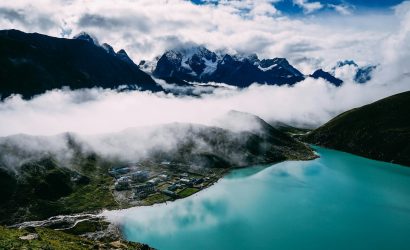
Trekkers with two or three spare days can add Tilicho Lake (4,919 m), one of the highest large lakes in the world, as a side trip above Manang. The detour branches off toward Khangsar and Tilicho Base Camp before rejoining the main route toward the pass. It is a genuine reward — a vast glacial lake ringed by peaks — but not a casual add-on: it involves an exposed, landslide-prone traverse and two nights above 4,000 metres before Thorong La, so it suits trekkers acclimatizing well and wanting more time up high. If you’re considering it, see our notes on Tilicho Lake trek difficulty and the best time to visit Tilicho Lake. We arrange it as an add-on to this itinerary on request.
Best Time to Trek
Spring (March–May) and autumn (September–November) give the most stable weather and clearest views, and this itinerary is built around them. Autumn is the most reliable overall and the busiest; spring adds rhododendron colour at lower elevations, seen mainly in the Marshyangdi valley rather than up high.
Winter (December–February) is possible for experienced trekkers, but the pass can close temporarily after heavy snow and cold at high camp becomes a serious factor. Monsoon (June–August) is not recommended — poor visibility and landslide risk on the access roads make it both less rewarding and less predictable.
| Season | Months | Conditions | Recommendation |
|---|---|---|---|
| Spring | Mar–May | Mild days, cold nights, rhododendrons low down | Recommended |
| Summer / Monsoon | Jun–Aug | Rain, landslide risk on access roads, poor views | Not recommended |
| Autumn | Sep–Nov | Clear skies, stable weather, busiest season | Highly recommended |
| Winter | Dec–Feb | Very cold at altitude, possible pass closure | Experienced trekkers only |
Weather Overview
| Location | Season | Day Temp | Night Temp |
|---|---|---|---|
| Chame (2,670 m) | Autumn/Spring | 12–18°C | 0–5°C |
| Manang (3,540 m) | Autumn/Spring | 10–15°C | -5 to 0°C |
| Thorong Phedi (4,450 m) | Autumn/Spring | 5–10°C | -10 to -5°C |
| Thorong La Pass (5,416 m) | Crossing day | -8 to 0°C | day crossing only |
| Muktinath (3,760 m) | Autumn/Spring | 8–13°C | -5 to 0°C |
Permits
Permit rules in the Annapurna region have changed significantly in the last three years, and the current position is simpler than most older websites suggest.
| Requirement | Detail |
|---|---|
| ACAP (Annapurna Conservation Area Permit) | Mandatory for every trekker. NPR 3,000 (about US$23) for foreign nationals, NPR 1,000 for SAARC nationals, free under 10. Single-entry, not a daily fee. |
| Licensed guide | Mandatory for all foreign trekkers in the Annapurna region since April 2023. Independent, unguided trekking is not permitted and is enforced at checkpoints. |
| TIMS card | Historically required alongside ACAP; now inconsistently enforced on standard Annapurna routes. We arrange it where checkpoints still ask for it. |
Merriment Treks arranges your ACAP, provides the licensed guide the rules require, and handles any TIMS documentation, so you don’t navigate the paperwork yourself. The ACAP is the document rangers actually scrutinise — we carry physical copies for the group plus phone backups.
Accommodation
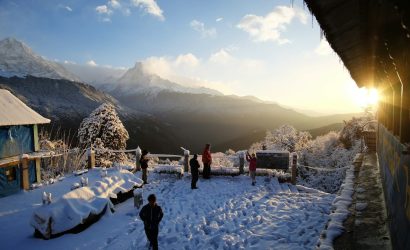
Tea houses and trekking lodges throughout the trail, with a tourist-category hotel in Pokhara. Facilities get more basic as you climb — twin-sharing rooms, shared bathrooms at higher elevations, and hot showers or charging that cost extra with altitude. The high camp near the pass is the most spartan night on the route.
| Location | Type | Facilities |
|---|---|---|
| Dharapani to Chame | Tea house | Twin rooms, some private bathrooms lower down |
| Pisang to Manang | Tea house | Twin rooms, shared bathroom common |
| Yak Kharka / High Camp | Basic tea house | Shared bathroom, limited hot water, extra charges likely |
| Muktinath / Jomsom | Tea house / lodge | Twin rooms, shared bathroom |
| Pokhara | Tourist hotel | Private bathroom, standard amenities |
Meals and Drinking Water
Breakfast, lunch and dinner are included on trekking days, usually at the lodge where the group is staying. Menus are simple but varied — dal bhat (the reliable, refillable staple), noodle and pasta dishes, soups, and breakfast items like porridge, eggs and pancakes. Choice narrows at higher altitudes where everything has to be carried in.
Bottled water is sold along the trail but gets pricier and more wasteful the higher you go. Boiled water and purification tablets or a filter are cheaper and far better for the conservation area, and are what most trekkers on this route use.
Transportation
The package includes road transport from Kathmandu to the trailhead, the Jomsom–Pokhara mountain flight, and a tourist coach from Pokhara back to Kathmandu. The Kathmandu-to-trailhead drive is long and the upper valley road is rough; conditions vary, especially after monsoon when landslides can affect sections. The Jomsom flight is weather-dependent and can be delayed — the Pokhara buffer day exists precisely for this. Private-vehicle and flight upgrades are available.
Packing Checklist
| Category | Items |
|---|---|
| Upper body | Base layers, fleece or insulated mid-layer, down jacket, waterproof/windproof shell |
| Lower body | Trekking trousers, thermal leggings, waterproof shell trousers |
| Footwear | Broken-in trekking boots, warm socks, camp shoes/sandals |
| Headwear | Warm hat, sun hat, buff or scarf |
| Hands | Warm gloves plus liner gloves |
| Sleeping | Sleeping bag rated to at least -15°C |
| Health | Personal first-aid kit, Diamox (consult a doctor), water purification |
| Other | Headlamp, trekking poles, UV sunglasses, reusable water bottle, sunscreen |
Cost Breakdown
Package price: US$ 1200 per person
The price covers a licensed guide, ACAP, transport and the Jomsom flight as specified, tea-house accommodation and full board on trekking days — standard tea-house logistics rather than luxury lodges. For a wider breakdown of what shapes the total, including what to watch for, see our Annapurna Circuit trek cost guide.
| Item | Included |
|---|---|
| Licensed English-speaking guide | Yes |
| Porter | Optional add-on |
| ACAP permit | Yes |
| TIMS (where required) | Yes |
| Kathmandu–trailhead transport | Yes |
| Jomsom–Pokhara flight | Yes |
| Pokhara–Kathmandu transport | Yes |
| Tea house accommodation on trek | Yes |
| Meals during trek (B/L/D) | Yes |
| Kathmandu / Pokhara extra hotel nights | Not included |
| Nepal entry visa | Not included |
| Travel & evacuation insurance | Not included |
| Personal trekking gear | Not included |
| Tips | Not included |
Optional Services
- Porter service (carries up to 12–15 kg, typically shared between two trekkers)
- Tilicho Lake side trip (adds two days)
- Extra acclimatization night in Manang
- Private vehicle to the trailhead instead of shared jeep
- Pokhara–Kathmandu flight upgrade
- Pre- or post-trek hotel nights in Kathmandu or Pokhara
Responsible Trekking
The Annapurna Conservation Area is a managed protected zone, and your ACAP fee funds its conservation work directly. Trekkers are expected to carry out non-biodegradable waste, cut single-use plastic by purifying water rather than buying bottles, and respect village customs — modest dress, and asking before photographing people. Walk clockwise around mani walls and chortens, and give way to mule and yak trains by stepping to the inside of the trail, never the drop side. Guides brief every group on these practices at the start rather than assuming prior knowledge.
Book the Annapurna Circuit Trek
This is the complete circuit at a sensible pace — the valley climb, a proper acclimatization day, the Thorong La crossing, and the descent into the Kali Gandaki to Muktinath, built around getting you over the pass safely and well.
Contact Merriment Treks with your preferred dates, group size, and whether you’d like the Tilicho Lake extension, and we’ll confirm availability and price.
Highlights
- Crossing Thorong La Pass at 5,416 metres, one of the highest trekking passes anywhere
- A dedicated acclimatization day in Manang (3,540 m) with a climb-high, sleep-low hike to Ice Lake or the Gangapurna viewpoint
- The high upper trail to Manang via Ghyaru and Ngawal, facing Annapurna II, III, IV and Gangapurna
- Muktinath (3,760 m), a rare pilgrimage site sacred to both Hindus and Buddhists
- The complete landscape reversal from the green Marshyangdi valley to the desert of the Kali Gandaki
- A scenic mountain flight from Jomsom to Pokhara over the deepest gorge on earth
- Optional two-day extension to Tilicho Lake (4,919 m) for those with the time
- Daily mani walls, chortens and prayer flags along one of the Himalaya’s classic trails