Introduction to Annapurna Base Camp Elevation
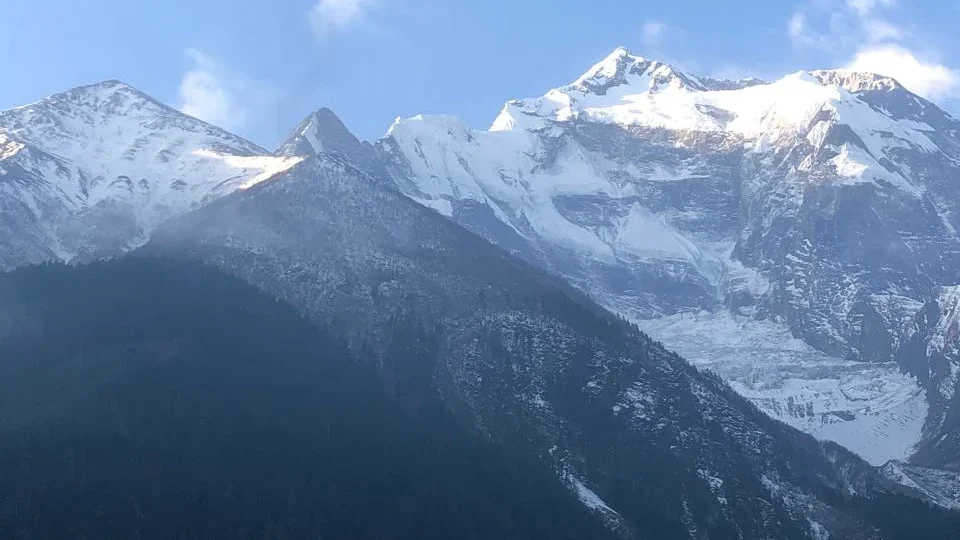
Annapurna Base Camp is at an elevation of 4,130 meters (13,550 feet) above sea level . This is the highest point reached during the standard ABC trek and the culmination of several days of walking through the Annapurna Sanctuary.
The Annapurna Base Camp elevation of 4,130 meters makes this trek significantly lower than Everest Base Camp (5,364 meters) or Thorong La Pass on the Annapurna Circuit (5,416 meters). However, altitude is still a serious consideration — the air at 4,130 meters contains roughly 60% of the oxygen available at sea level, and acute mountain sickness can affect anyone regardless of fitness level .
This guide explains everything you need to know about the Annapurna Base Camp elevation: the exact altitude in meters and feet, the full elevation profile day by day, how altitude affects difficulty, and practical advice for preparing to trek at 4,130 meters.
How High Is Annapurna Base Camp?
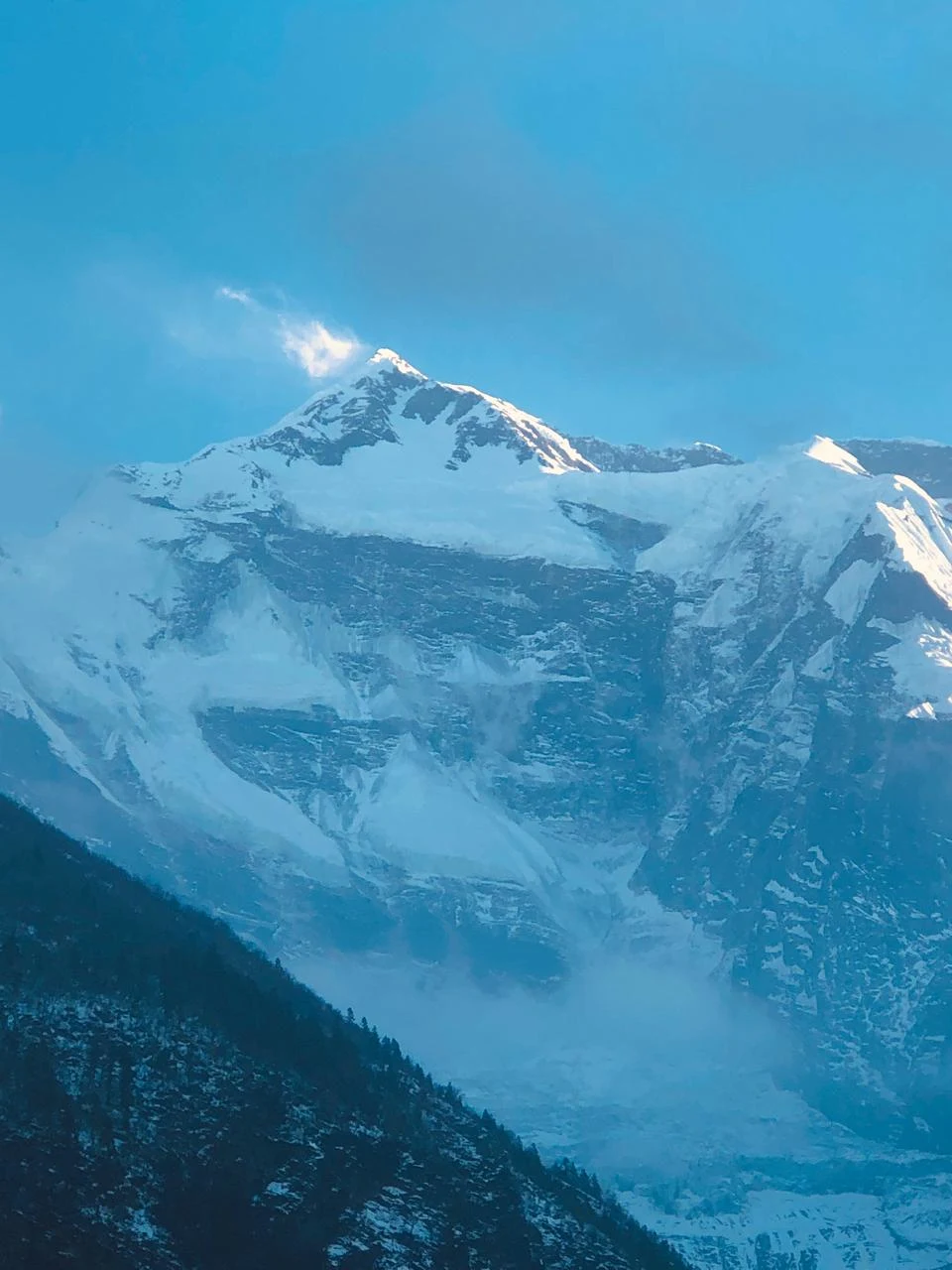
The elevation of Annapurna Base Camp is consistently reported as 4,130 meters (13,550 feet) across authoritative sources . Some GPS tracks record the highest point as 4,130 meters, while older measurements may show slight variations. The Annapurna Conservation Area officially recognises 4,130 meters as the elevation of the base camp.
Annapurna Base Camp Elevation in Meters and Feet
| Location | Elevation (meters) | Elevation (feet) |
|---|---|---|
| Kathmandu | 1,400 m | 4,593 ft |
| Pokhara | 820–822 m | 2,690–2,697 ft |
| Nayapul | 1,070 m | 3,510 ft |
| Ghandruk | 1,940 m | 6,365 ft |
| Chhomrong | 2,170 m | 7,119 ft |
| Bamboo | 2,310 m | 7,579 ft |
| Dovan | 2,580 m | 8,464 ft |
| Himalaya Hotel | 2,920 m | 9,580 ft |
| Deurali | 3,230 m | 10,597 ft |
| Machhapuchhre Base Camp (MBC) | 3,700 m | 12,139 ft |
| Annapurna Base Camp (ABC) | 4,130 m | 13,549 ft |
How the Elevation Compares to Other Treks
| Trek | Maximum Elevation | Duration |
|---|---|---|
| Annapurna Base Camp | 4,130 m (13,550 ft) | 7–12 days |
| Poon Hill | 3,210 m (10,531 ft) | 3–5 days |
| Everest Base Camp | 5,364 m (17,600 ft) | 12–16 days |
| Thorong La (Annapurna Circuit) | 5,416 m (17,769 ft) | 14–20 days |
ABC is 1,234 meters lower than Everest Base Camp. The lower elevation means significantly lower AMS risk, less extreme cold, more comfortable sleep, and shorter acclimatization time .
Annapurna Base Camp Elevation Profile
The elevation profile of the ABC trek shows a steady but challenging ascent from Pokhara through the Annapurna Sanctuary. The total elevation gain from Nayapul to ABC is approximately 3,060 meters .
Day-by-Day Elevation Profile
| Day | Route | Overnight Altitude | Net Elevation Change | Notes |
|---|---|---|---|---|
| Day 1 | Drive to Pokhara | 822 m | – | Starting point |
| Day 2 | Trek to Ghandruk | 1,940 m | +870 m | First day on trail |
| Day 3 | Trek to Chhomrong | 2,170 m | +230 m | Last ATM and reliable shower |
| Day 4 | Trek to Bamboo | 2,310 m | +140 m | Entering the gorge |
| Day 5 | Trek to Deurali | 3,230 m | +920 m | Largest single overnight jump; altitude effects begin |
| Day 6 | Trek to ABC via MBC | 4,130 m | +900 m | Highest point of the trek |
| Day 7 | Descend to Bamboo | 2,310 m | -1,820 m | Longest descent; hardest on knees |
| Day 8 | Trek to Jhinu Danda | 1,780 m | -530 m | Hot springs reward |
The Two Critical Altitude Steps
Day 5 — Bamboo to Deurali delivers the largest single overnight altitude jump on the route at +920 meters. This is the day the body first crosses into genuine altitude territory above 3,000 meters. Drink 3–4 liters of water, eat a full dinner, and sleep early at Deurali .
Day 6 — Deurali to ABC via MBC adds another 900 meters to reach base camp. This is the only day on the entire trek where the body operates consistently above 3,500 meters for multiple hours. How well you manage Days 5 and 6 is the clearest indicator of your acclimatization success .
What Each Altitude Threshold Feels Like
1,000–2,500 meters: Nayapul to Bamboo
Most trekkers notice nothing unusual in this range beyond the normal effort of sustained uphill trekking. The body adapts naturally during the approach through Ghandruk and Chhomrong .
2,500–3,000 meters: Bamboo to Himalaya
The first signs of altitude may appear — slightly heavier breathing, a mild headache, or feeling more tired than expected. This is normal. Drink extra water and maintain a steady pace .
3,000–3,500 meters: Deurali
This is where altitude becomes a real factor. Breathing is noticeably harder during climbs. Appetite may decrease. Sleep quality often drops. Pay close attention to any headache. Do not ascend if you feel unwell .
3,500–4,130 meters: MBC to ABC
At 4,130 meters, oxygen is about 60% of sea level. Every step requires more effort. Short breaks become necessary. The final section from MBC to ABC may take 2-2.5 hours despite being only 3-4 kilometers. This is where proper preparation and pacing make the difference between success and turning back .
Altitude Sickness at Annapurna Base Camp
Altitude sickness, or Acute Mountain Sickness (AMS), is a real possibility on the ABC trek . The risk zone begins above 2,500 meters (8,200 feet), which the trail crosses around day 5–6. At Annapurna Base Camp (4,130 meters), the likelihood of symptoms is lower than at Everest Base Camp but still significant .
Common AMS Symptoms
-
Headache — the most common early warning sign
-
Nausea or loss of appetite
-
Fatigue beyond expected effort
-
Dizziness or lightheadedness
-
Difficulty sleeping
-
Shortness of breath at rest
The Golden Rule of Altitude
Never ascend with AMS symptoms. If symptoms appear, rest at the same altitude for 24 hours. If symptoms worsen, descend immediately .
If a headache develops at MBC (3,700 meters), descend to Deurali (3,200 meters). Do not proceed to ABC. No mountain view is worth the risk .
Factors That Increase Risk
-
Rapid ascent — The biggest mistake trekkers make is climbing too fast. After reaching 3,000 meters, avoid increasing sleeping elevation by more than 500 meters per day .
-
Dehydration — High altitude increases fluid loss. Drink 3–4 liters of water daily. Avoid excessive alcohol and caffeine .
-
Physical condition — While fitness helps with endurance, it does not prevent AMS. Even seasoned athletes can experience symptoms if they ascend too quickly .
-
Genetic susceptibility — Some people are simply more prone to altitude sickness than others .
Prevention Strategies
-
Go slow. A longer itinerary (10–12 days) reduces AMS risk significantly compared to a 7-day option.
-
Acclimatize strategically. Spend a night at MBC (3,700 meters) before proceeding to ABC.
-
Hydrate. Drink 3–4 liters of water daily .
-
Eat. High-carb meals are easier to digest at altitude and help maintain energy levels .
-
Consider Diamox (acetazolamide). Discuss with your doctor before departure — it can assist with acclimatization but should not replace gradual ascent .
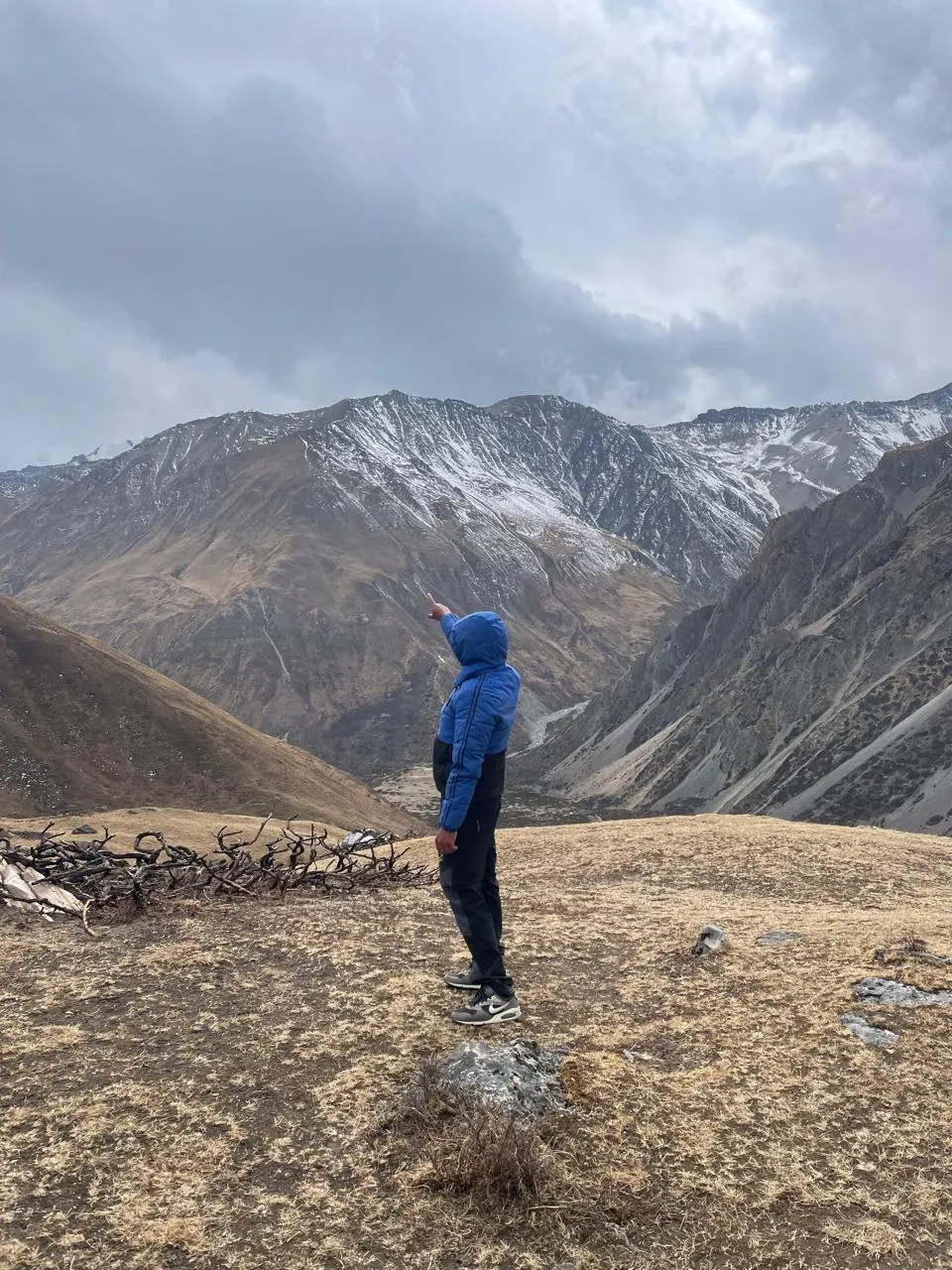
How to Prepare for Annapurna Base Camp Elevation of 4,130 Meters
Fitness Preparation
You don’t need to be an athlete, but a reasonable fitness level makes the trek far more enjoyable. Training a couple of months in advance is beneficial .
-
Cardio: Hiking, jogging, cycling, or swimming builds endurance
-
Stairs: The ABC trek features relentless stone stairs — stair climbing is the most specific preparation
-
Leg strength: Squats, lunges, and step-ups protect knees on descents
-
Practice with a pack: Walk with a 5–7 kg daypack on training hikes
Medical Preparation
-
Discuss Diamox with your doctor before departure
-
Purchase travel insurance with helicopter evacuation coverage — confirm your policy covers evacuation above 4,000 meters
-
Know your medical history: If you have heart or lung conditions, consult a doctor
-
Listen to your body: AMS can affect anyone
Packing for Altitude
At the Annapurna Base Camp elevation of 4,130 meters, nighttime temperatures can drop below freezing. Pack in layers to adjust to changing temperatures throughout the day. Carry a portable power bank for device charging at higher elevations where electricity is limited .
Annapurna Base Camp vs Everest Base Camp Elevation
| Factor | Annapurna Base Camp | Everest Base Camp |
|---|---|---|
| Maximum Elevation | 4,130 m (13,550 ft) | 5,364 m (17,600 ft) |
| Duration | 7–12 days | 12–16 days |
| AMS Risk | Low to moderate | Higher |
| Acclimatization Days | None required (natural ascent) | 2–3 built-in days |
ABC is 1,234 meters lower than EBC. The lower elevation means significantly lower AMS risk, less extreme cold, more comfortable sleep, and shorter acclimatization time .
Why Choose Merriment Treks for Your ABC Trek?
If you are planning your Annapurna Base Camp trek, Merriment Treks offers itineraries designed with the Annapurna Base Camp elevation profile in mind.
What makes them different:
-
Realistic itineraries with proper acclimatization built in — not the fastest possible route to ABC
-
Licensed guides trained in AMS recognition and emergency response
-
Safety-first culture — guides carry oximeters and follow altitude protocols
-
Porter support to reduce your load at altitude
-
Transparent information on elevation, difficulty, and preparation
Merriment Treks can help you choose the right itinerary based on your fitness and experience level.
Frequently Asked Questions about Annapurna Base Camp Elevation
1. How high is Annapurna Base Camp?
Annapurna Base Camp is at 4,130 meters (13,550 feet) above sea level .
2. What is Annapurna Base Camp elevation in meters?
4,130 meters .
3. What is Annapurna Base Camp elevation in feet?
13,550 feet .
4. How high is Machhapuchhre Base Camp?
Machhapuchhre Base Camp is at 3,700 meters (12,139 feet) .
5. What is the highest point of the ABC trek?
Annapurna Base Camp at 4,130 meters is the highest point reached .
6. How much elevation gain is there on the ABC trek?
The net elevation gain from Nayapul to ABC is approximately 3,060 meters .
7. Is ABC elevation dangerous?
At 4,130 meters, altitude sickness is possible but manageable with proper acclimatization. Symptoms typically appear above 2,500 meters .
8. What is the difference between ABC and Everest Base Camp elevation?
ABC is 1,234 meters lower than EBC, making it significantly easier and safer for first-timers .
9. Can beginners handle the altitude of ABC?
Yes, with proper preparation and a 10–12 day itinerary. ABC is considered beginner-friendly compared to higher treks .
10. How does Poon Hill compare to ABC elevation?
Poon Hill is at 3,210 meters — 920 meters lower than ABC .
11. What is the highest sleeping altitude on the ABC trek?
If you sleep at ABC, you sleep at 4,130 meters. However, many recommend sleeping at MBC (3,700 meters) and hiking to ABC for the day .
12. What are symptoms of altitude sickness at ABC?
Headache, nausea, fatigue, dizziness, and difficulty sleeping are common symptoms above 2,500 meters .
13. How should I train for altitude on the ABC trek?
Training cannot simulate altitude, but cardiovascular fitness and leg strength make the trek easier. Discuss Diamox with your doctor .
14. What is the best itinerary for altitude at ABC?
A 10–12 day itinerary with acclimatization stops at Deurali and MBC is recommended for first-timers .
15. Is a guide required for the ABC trek?
A licensed guide is strongly recommended for safety, acclimatization monitoring, and navigation, especially for beginners.