Annapurna Base Camp Trek Distance
The Annapurna Base Camp trek distance ranges from 70 to 115 kilometres round-trip, depending on your starting point and route choice . Most standard itineraries cover 8 to 13 kilometres per day over 7 to 10 walking days.
If you’re looking for a single figure: the standard route from Nayapul covers approximately 100–115 kilometres . But here’s the catch—10 kilometres on the ABC trail feels completely different from 10 kilometres on flat ground. The stone stairs, altitude, and elevation gain transform the distance into something far more demanding than the numbers suggest.
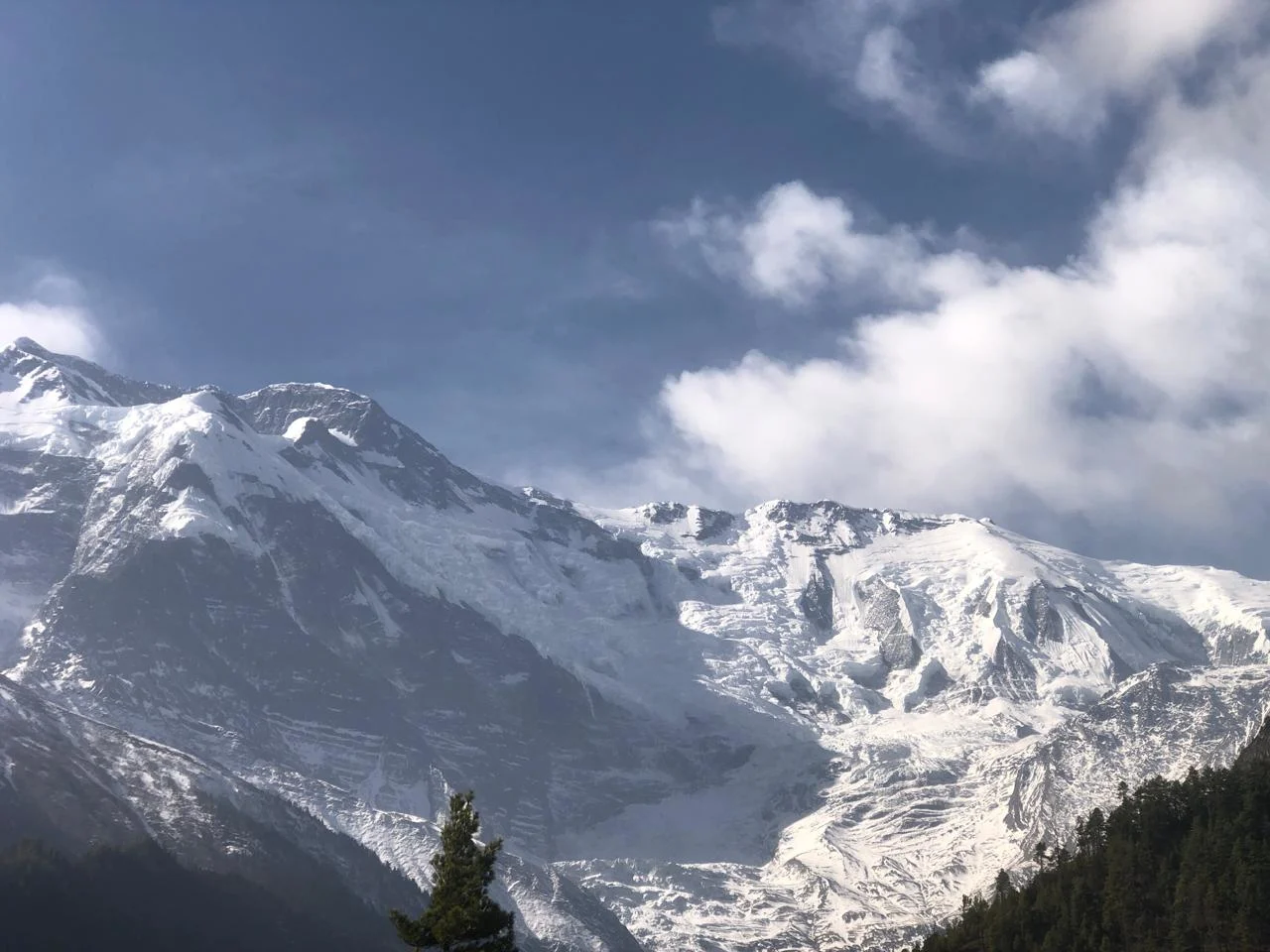
How Far Is the Annapurna Base Camp Trek?
The Range Explained
| Route | Total Distance | Walking Days | What’s Different |
|---|---|---|---|
| Short route (Jhinu Danda start) | ~70–92 km | 7–9 days | Skips lower valley sections; starts higher |
| Standard route (Nayapul start) | 100–115 km | 8–10 days | Classic route; more village experience |
| Poon Hill extension | ~120–130 km | 10–12 days | Adds famous sunrise viewpoint |
Why Distance Varies
The Annapurna Base Camp trek distance is not one fixed number because:
-
Starting point matters. Some itineraries start from Nayapul, others from Jhinu Danda or Siwai, each changing the total distance. The classic route from Nayapul is approximately 100.9 km according to GPS data .
-
Road access has shortened many routes. Today, trekkers drive portions that were once walked. The base area can be reached by travelling 22 kilometres by vehicle from Pokharebagar to Humkhola, followed by a trek from there.
-
Poon Hill adds 15–20 kilometres. This detour takes you to the famous sunrise viewpoint at 3,210m and is popular for first-time Nepal visitors.
-
Exit routes vary. Some itineraries finish at Jhinu Danda and drive out; others walk all the way back to Nayapul.
GPS-Measured Distances
According to trail mapping data, the Annapurna Base Camp trek from Nayapul covers 100.9 km with approximately 5,901 metres of elevation gain . The Outdooractive route records 83.1 km with 7,088 metres ascent and 6,507 metres descent, demonstrating the significant elevation changes that make this trek more demanding than the distance alone suggests .
Daily Walking Distance: What to Expect
Standard 10-Day Itinerary: Day by Day
| Day | Route | Distance (km) | Walking Time | Elevation Change |
|---|---|---|---|---|
| 1 | Nayapul to Ghandruk | 6–12 km | 4–5 hrs | +940m |
| 2 | Ghandruk to Chhomrong | 8–14 km | 5–6 hrs | +230m |
| 3 | Chhomrong to Bamboo | 7–8 km | 4–5 hrs | +140m |
| 4 | Bamboo to Deurali | 11 km | 6–7 hrs | +860m |
| 5 | Deurali to ABC (via MBC) | 8–9 km | 5–6 hrs | +900m |
| 6 | ABC to Bamboo | 12–13 km | 6–7 hrs | –1,780m |
| 7 | Bamboo to Jhinu Danda | 9–10 km | 5–6 hrs | –530m |
| 8 | Jhinu to Pokhara | 2–4 km | 1–2 hrs | – |
Critical Observations
The distance per day is moderate—8–12 km is not extreme on paper. But the descent from ABC to Bamboo is the longest day at 12–13 km, dropping nearly 1,800 metres in a single day. This is the day trekkers complain about most .
Short distances can take unexpectedly long. The Deurali to ABC section is only 8–9 km but takes 5–6 hours because altitude slows everything down. At 4,130m, your pace naturally drops to a crawl.
Distance Between Key Waypoints
Lower Trailhead & Village Segments
-
Nayapul to Ghandruk: Covers about 5–7 km and takes 2–3 hours. The trail climbs through terraced fields and stone steps.
-
Ghandruk to Chhomrong: Approximately 8–10 km, taking 4–5 hours. The trail descends to the Kimrong Khola before climbing back up—the descent/ascent combination makes this more demanding than the distance suggests.
-
Chhomrong to Bamboo: 7–8 km, 4–5 hours. After a steep descent to the river, the trail climbs through shaded forests. Many trekkers consider this their first real introduction to the famous staircases.
Annapurna Sanctuary Sections
-
Bamboo to Dovan, Himalaya, and Deurali: 8–10 km, 4–5 hours. The track runs in and out of the forest, gradually gaining height with almost no flat sections .
-
Dovan to Deurali: 6–7 km, 3–4.5 hours. This is one of the shortest trekking days, but the sustained elevation gain of 630 metres makes the effort proportionately demanding. The trail cuts through a damp, mossy gorge with cascading waterfalls on both sides .
-
Deurali to MBC to ABC: 8–9 km total. The walk from Deurali to MBC is approximately 4–5 km (2–2.5 hours), while the MBC to ABC section is 3–4 km (2–2.5 hours) but feels slower as altitude increases .
-
Himalaya to Deurali: 2–3 km, where the lush bamboo forest dissolves rapidly into raw, rocky alpine shrubs .
Exit Sections
-
ABC to Bamboo (Return Journey): 12–13 km in 6–7 hours—one of the longest trekking days. Though mostly downhill, several uphill sections make the day more tiring .
-
ABC to MBC: The initial descent from ABC to MBC covers approximately 3–4 km .
-
Bamboo to Chhomrong to Jhinu Danda: 9–10 km, 5–6 hours. You claw back the height to Chhomrong, then lose it all again on the steep descent to Jhinu .
-
Jhinu Danda to Roadhead (Samrung or Syauli Bazaar): 2–4 km, depending on where your vehicle is waiting. It is a relaxed final stretch, done in under an hour .
Daily Distance Table: Complete Breakdown
| Day | Route | Distance | Walking Time | Elevation Change |
|---|---|---|---|---|
| 1 | Nayapul to Ghandruk | 6–12 km | 4–5 hrs | +940m |
| 2 | Ghandruk to Chhomrong | 8–14 km | 5–6 hrs | +230m |
| 3 | Chhomrong to Bamboo | 7–8 km | 4–5 hrs | +140m |
| 4 | Bamboo to Deurali | 11 km | 6–7 hrs | +860m |
| 5 | Deurali to ABC (via MBC) | 8–9 km | 5–6 hrs | +900m |
| 6 | ABC to Bamboo | 12–13 km | 6–7 hrs | –1,780m |
| 7 | Bamboo to Jhinu Danda | 9–10 km | 5–6 hrs | –530m |
| 8 | Jhinu to Pokhara | 2–4 km | 1–2 hrs | – |
Itinerary Options by Distance
7-Day Fast Itinerary
| Day | Route | Distance | Walking Time |
|---|---|---|---|
| 1 | Pokhara → Chhomrong | 5–7 km | 4–5 hrs |
| 2 | Chhomrong → Bamboo | 7–8 km | 4–5 hrs |
| 3 | Bamboo → Deurali | 11 km | 6–7 hrs |
| 4 | Deurali → ABC | 8–9 km | 5–6 hrs |
| 5 | ABC → Bamboo | 12–13 km | 6–7 hrs |
| 6 | Bamboo → Jhinu | 9–10 km | 5–6 hrs |
| 7 | Jhinu → Pokhara | 2–4 km | 1–2 hrs |
This is the fastest sensible option. It uses the Nayapul-Ghandruk approach but slows down during the descent for a stop in Bamboo and includes a full hike down to Nayapul rather than returning from Jhinu . It is best suited for beginners to moderate trekkers with minimum difficulty and first-time visitors to Nepal’s hill regions.
9-Day Classic Itinerary (Recommended)
Adds Ghandruk village at the start and splits the high climb: Deurali → MBC (sleep) → ABC. Safer acclimatization, better villages, one extra sunrise.
10-Day Itinerary with Poon Hill
Combines the Ghorepani–Poon Hill loop before joining the ABC trail at Tadapani. The Poon Hill sunrise at 3,210m is the most iconic viewpoint, with Dhaulagiri and the entire Annapurna range clearly visible. The added lower-altitude days before Chhomrong make the upper trail less demanding .
11-Day Relaxed Itinerary
This version takes you to ABC and uses the full Ghorepani-Poon Hill approach. It is the best option if this is your one trip to Nepal .
What Makes ABC Feel Longer Than the Kilometres Suggest
The Stair Effect
The biggest reason ABC feels tough is the long stone staircases. Many sections involve constant up-and-down stone steps, meaning a single trekking day may include 600 to 1,000m of ascent and the same amount of descent on the return. Even if a day is only 10–12 km, the repeated climbing makes it feel much harder. Many trekkers say it feels closer to a 20 km flat hike because stairs demand far more energy than normal trails.
The famous 3,300 stone steps to Ulleri are one of the most demanding sections of the entire trek, requiring significant leg strength and cardiovascular endurance to complete .
Altitude and Thin Air Above 3,000m
Once you pass Deurali (3,230m), the air becomes thinner, and your pace naturally slows. Breathing becomes faster even at normal walking speed. You start to take more short breaks, and small distances take much longer than expected.
According to altitude safety guidelines, the most hazardous altitude sickness trigger area lies between Deurali and ABC. The rapid gain in height, fewer plants, and shorter oxygen supply make this part dangerous. Trekkers who skip MBC make the climb steep without acclimatization .
Key altitude progression:
| Location | Altitude | Risk Level |
|---|---|---|
| Chhomrong | 2,170m | Low |
| Himalaya | 2,920m | Mild symptoms possible |
| Deurali | 3,230m | AMS symptoms start |
| MBC | 3,700m | Moderate risk |
| ABC | 4,130m | Highest risk |
The Long Return Descent
The return from ABC to Bamboo is one of the longest trekking days, covering 12–13 km in 6–7 hours. The 1,780-metre descent in one day is hard on knees and quadriceps .
The sustained downhill gradient, dropping nearly 1,800 metres in a single day, places a characteristically demanding load on the knees and quadriceps. As you drop below Deurali, the landscape rapidly transitions back from alpine exposure into dense sub-alpine forest, and by Bamboo, the thick, oxygen-enriched air makes sleep noticeably easier than the night before .
Elevation and Distance Combined: Understanding the Challenge
A simple distance table doesn’t capture the full Annapurna Base Camp difficulty. This table combines distance with elevation changes for each major section :
| Section | Distance | Elevation Change | What This Means for You |
|---|---|---|---|
| Nayapul to Ghandruk | 6–12 km | +940m | Gradual introduction but your first real climb |
| Ghandruk to Chhomrong | 8–14 km | +230m plus descent | Descent then steep climb—hard on early legs |
| Chhomrong to Bamboo | 7–8 km | +140m plus descent | Steep down to river then back up—stair intro |
| Bamboo to Deurali | 11 km | +860m | Longest single climb; sustained effort |
| Deurali to ABC via MBC | 8–9 km | +900m | Altitude makes this feel 2x harder |
| ABC to Bamboo (return) | 12–13 km | –1,780m | Longest day; knee punishment |
| Total round trip | 100–115 km | ~3,000m net ascent | Cumulative fatigue is the real challenge |
According to Outdooractive, the total ascent for the ABC trek is 7,088 metres and descent is 6,507 metres, which includes all the ups and downs of the route . This explains why the trek feels far more demanding than the total distance suggests.
Training for the Annapurna Base Camp Trek Distance
Weekly Training Plan
| Phase | Weeks | Focus |
|---|---|---|
| Base | 1–3 | Walk 5–10 km, 3–4 times/week |
| Build | 4–6 | Add stairs, 10–15 km hikes with pack |
| Peak | 7–8 | Back-to-back hiking days |
| Taper | Final week | Light walking only |
Specific Training Tips
Stair climbing is the most important preparation for ABC, especially the Chhomrong and Ulleri sections.
Practice descents—most trekkers focus on going up, but the return from ABC is where knees suffer. Walk down stairs or hills with trekking poles to build the specific strength needed.
Walk with your pack—carry 5–7 kg on training walks to simulate trekking conditions.
Build regular walking habits. Normal individuals with a good level of physical capability can achieve this trip. Engaging in activities including cycling, hiking, jogging, and 5-6 hours of walking each day for a few weeks will improve your stamina .
Self-Assessment Checklist
-
Can you walk for 5 hours at a moderate pace without needing more than 10-minute rest?
-
Can you climb 30-40 floors of stairs without your legs failing before your lungs?
-
Have you logged at least 30 hours of walking in your trekking boots?
-
Can you walk downhill for 45 minutes the day after a long hike without sharp knee pain?
-
Have you completed at least two back-to-back weekend hikes within the last month?
Frequently Asked Questions about Annapurna Base Camp Trek Distance
1. How many kilometres is the Annapurna Base Camp trek?
The standard route is approximately 100–115 kilometres round-trip. Short routes starting from Jhinu Danda are about 70–92 km .
2. How many kilometres do you walk per day?
Most days are 8–13 km. The longest day is the descent from ABC to Bamboo at 12–13 km .
3. How many hours do you walk each day?
You walk 5–7 hours per day, sometimes longer on the descent from ABC.
4. Why does the ABC trek distance vary so much?
The distance changes based on starting point (Nayapul, Siwai, or Jhinu Danda), whether you include Poon Hill, and road access .
5. Does Poon Hill make the trek much longer?
It adds approximately 15–20 kilometres and 2–3 days to the total .
6. What is the longest walking day on the ABC trek?
The descent from Annapurna Base Camp to Bamboo is the longest, covering 12–13 km with a 1,780m drop .
7. How far is Deurali to Annapurna Base Camp?
The Deurali to ABC section is 8–9 kilometres, but altitude makes it feel longer. Deurali to MBC is 4–5 km, and MBC to ABC is 3–4 km .
8. How far is Bamboo to Deurali?
Bamboo to Deurali is approximately 11 km, taking 6–7 hours with an elevation gain of 860m .
9. How far is ABC to Bamboo (return journey)?
The return from ABC to Bamboo is approximately 12–13 km, taking 6–7 hours with a 1,780m descent .
10. What is the distance from Dovan to Deurali?
Dovan to Deurali is approximately 6–7 km (3–4.5 hours) with an elevation gain of 630m. The trail passes through Himalaya Hotel for lunch before continuing to Deurali .
11. Is the ABC trek harder because of the distance?
The distance is manageable, but the combination of distance, altitude, and stone stairs makes it hard. The descent is often harder than the climb .
12. Does altitude affect how far you can walk?
Yes. Above 3,000m, your pace slows significantly. The most hazardous altitude sickness trigger area lies between Deurali and ABC .
13. How should I train for the ABC trek distance?
Train by walking 5–10 km on hilly terrain, climbing stairs with a pack, and doing back-to-back hiking days. Practice descents specifically.
14. Is a shorter ABC itinerary easier?
Not necessarily. A 7-day itinerary covers the same distance in fewer days, meaning longer daily distances and less acclimatisation time.
15. Is ABC suitable for beginners in terms of distance?
Yes. The daily distances are moderate (8–13 km), but preparation is important. Beginners should choose a 10–12 day itinerary .
Why Choose Merriment Treks?
If you are planning your Annapurna Base Camp trek, Merriment Treks offers itineraries designed with clear daily distance expectations and proper pacing.
What makes Merriment Treks different:
-
Transparent daily distances — you know exactly how far you are walking each day
-
Route customisation — choose between standard route, short route, or Poon Hill
-
Licensed guides who understand how altitude affects walking pace
-
Porter support to reduce the weight you carry
-
Proper acclimatisation built into the itinerary
-
Honest advice on what the distance feels like on the trail
Merriment Treks can help you choose the right itinerary based on your fitness, available time, and preferences.