Annapurna Base Camp Accommodation
One of the first questions trekkers ask when planning the Annapurna Base Camp trek is simple: where will I actually sleep?
The answer is teahouses—family-run mountain lodges that form the backbone of Nepal’s trekking infrastructure. But teahouses aren’t all the same. A lodge in Ghandruk at 1,940 meters feels very different from one at Annapurna Base Camp itself at 4,130 meters. Rooms get simpler, showers become less reliable, and private spaces shrink as you climb.
This guide covers everything about Annapurna Base Camp accommodation: what rooms are really like, how much they cost, what facilities exist at each village, how to book, and what you should bring to make your nights comfortable. If you’re researching where to stay on the ABC trek, this is the information you need.
Quick Answer: What Is Accommodation Like on the Annapurna Base Camp Trek?
Accommodation on the ABC trek is teahouse-based: simple, family-run lodges that provide a bed, meals, and basic facilities. Rooms contain two single beds with thin foam mattresses, pillows, and blankets. Walls are thin, bathrooms are usually shared, and private rooms are harder to secure at higher elevations .
The business model is straightforward: room rates are deliberately low because owners make their profit from food sales. Expect to eat breakfast and dinner at the lodge where you sleep—this isn’t just polite, it’s how the system works .
Facilities decline as altitude increases. Below Chhomrong, you’ll find attached bathrooms, hot showers, reliable electricity, and even Wi-Fi. Above Chhomrong, expect shared squat toilets, limited hot water, solar-powered charging (often with fees), and no room heating. At Machhapuchhre Base Camp and Annapurna Base Camp, accommodation is basic: shared rooms, freezing nights, and facilities that feel more like mountain shelters than hotels .
Annapurna Base Camp Accommodation at a Glance
| Trail Section | Villages | Room Type | Bathroom | Hot Shower | Charging | Wi-Fi | Room Cost (USD) |
|---|---|---|---|---|---|---|---|
| Lower Trail (below 2,200m) | Ghandruk, Chhomrong | Private rooms common | Attached possible | Available (fee) | Reliable | Good | $3–$12 |
| Mid Trail (2,200m–3,200m) | Sinuwa, Dovan, Himalaya | Private limited | Mostly shared | Limited (fee) | Solar, fee | Unreliable | $4–$15 |
| High Altitude (above 3,200m) | Deurali, MBC, ABC | Dorm/shared only | Shared/squat | Often unavailable | Limited, fee | Very poor | $7–$25 |
What Type of Accommodation Is Available on the ABC Trek?
Teahouses
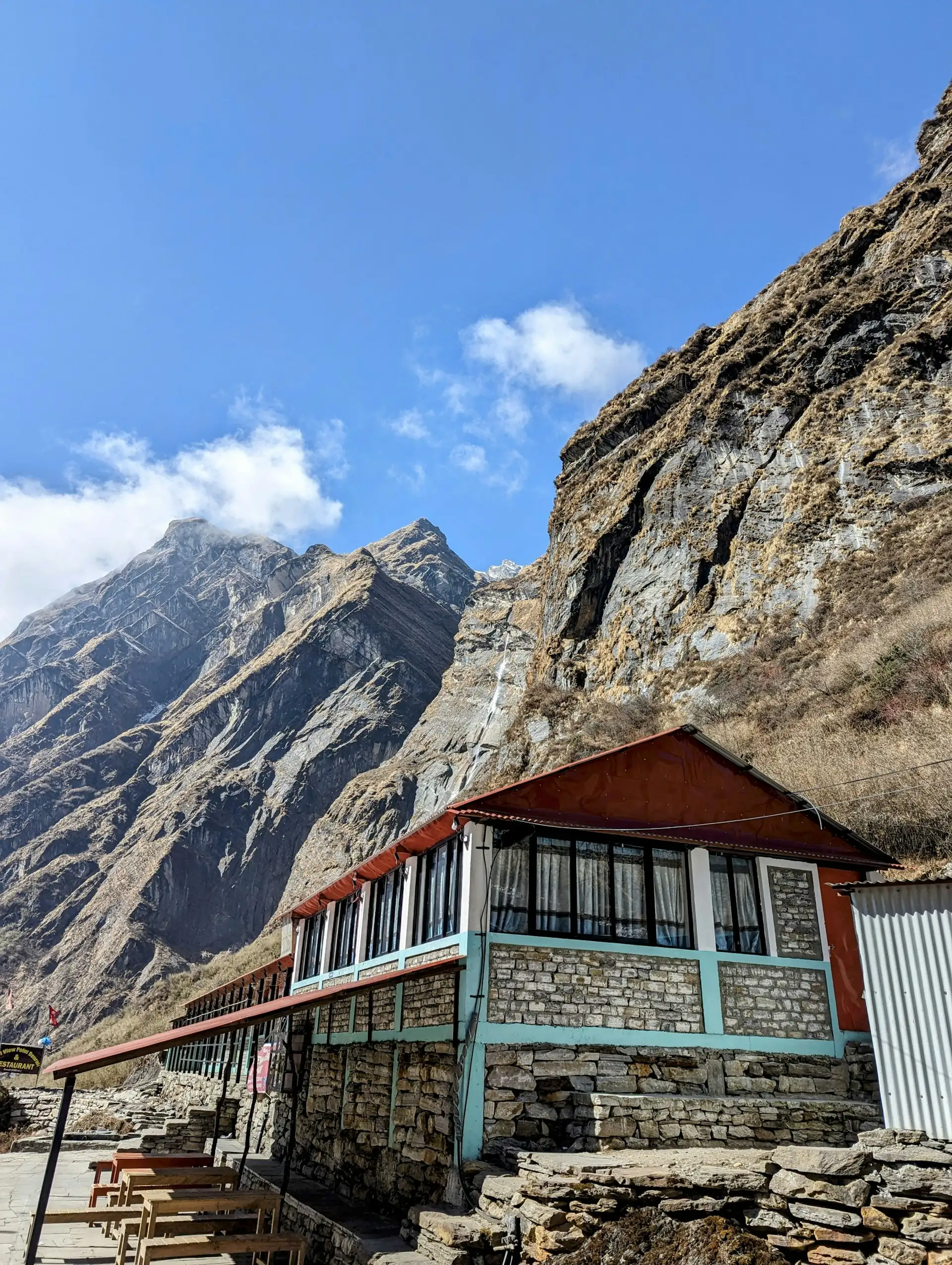
Teahouses are family-run lodges found in every village along the ABC route. They provide simple rooms, communal dining areas, and home-cooked meals. Most teahouses have been operating for decades, passed down through generations of local families .
What to expect: Rooms typically contain two single beds with thin foam mattresses, a small pillow, and a few blankets. The walls are usually made of wood or plasterboard—soundproofing doesn’t exist. You’ll hear conversations, snoring, footsteps, and sometimes the local dogs or yaks from neighboring rooms .
Lodges
The terms “teahouse” and “lodge” are often used interchangeably, but lodges are sometimes larger properties with slightly more facilities, especially in lower villages. In places like Ghandruk and Chhomrong, you’ll find purpose-built lodges with better insulation and attached bathrooms .
What About Hotels?
There are no hotels on the ABC trek in the conventional sense. The term “hotel” appears on some lodge signs in villages like Himalaya and Deurali, but these properties offer basic teahouse-style accommodation. The name is aspirational rather than descriptive .
Is Camping Available?
Camping is technically possible but extremely uncommon on the ABC route. The well-established teahouse network makes camping unnecessary for most trekkers. Independent camping is discouraged within the Annapurna Conservation Area, where environmental regulations protect fragile ecosystems .
Accommodation by Village: What to Expect at Each Stop
Teahouses change character as you gain altitude. Here’s what accommodation actually looks like at each major overnight stop along the ABC route .
Ghandruk (1,940m)
Ghandruk is a large Gurung village and a popular first-night stop on the ABC trek. It offers the widest variety of accommodation on the entire route.
Room types: Private rooms with attached bathrooms are common. Rooms are well-constructed with better insulation than higher villages. Some properties offer rooms with mountain views.
Facilities: Hot showers are available (expect to pay a small fee). Electricity is reliable. Wi-Fi is generally good. Many lodges offer electric blankets in rooms.
Cost: Rooms cost $10–$15 for a private room.
Booking: Walk-in availability is usually fine except during peak season.
Chhomrong (2,170m)
Chhomrong is the last major village before entering the Annapurna Sanctuary proper. It’s a crucial overnight stop because it offers the last chance for reliable hot showers, good food choices, and comfortable rooms before the upper trail strips away amenities .
Room types: Private rooms with attached bathrooms are available at several lodges. Some teahouses offer rooms with electric blankets—a luxury that disappears above this point. The views of the Annapurna massif and Machhapuchhre from the teahouse windows are extraordinary .
Facilities: Hot showers are available (NPR 100 fee). Electricity is reliable. Wi-Fi is available (NPR 200 per session). The village has a good selection of lodges .
Cost: Rooms typically cost NPR 500 ($4). Dal Bhat costs around NPR 520–650 ($4–$5).
Booking: It’s wise to book ahead during peak season. Some agencies pre-book rooms in Chhomrong because it’s such a popular stop.
Local tip: “Take a proper shower here. Charge every device. Buy snacks in the village shops—they’re 30–50% cheaper than anything above,” advises one local operator .
Sinuwa (2,340m)
Sinuwa functions primarily as a lunch stop, though 2–3 basic teahouses accommodate trekkers overnighting here .
Room types: Simple rooms with shared facilities. Rooms are basic but functional.
Facilities: Shared bathrooms. Limited hot water. Basic electricity.
Cost: Rooms cost NPR 500–600 ($4–$5). Dal Bhat costs NPR 600–700 ($4.50–$5.50).
Bamboo (2,310m)
Bamboo village gets its name from the surrounding bamboo forest that creates dense, atmospheric trekking. The 4–5 teahouses here offer basic accommodation in a remote setting that feels genuinely removed from lower-elevation bustle .
Room types: Simple wooden structures. Rooms are functional with basic bedding.
Facilities: Facilities are shared. Temperature drops noticeably at night. Hot showers cost NPR 150. Wi-Fi is available for NPR 300 per session. Charging costs NPR 200 per device.
Cost: Rooms cost NPR 500–600 ($4–$5). Dal Bhat costs NPR 650–750 ($5–$6).
What trekkers say: “Bring your sleeping bag.” The cold becomes more noticeable here.
Dovan (2,600m)
Dovan splits into Upper and Lower sections with five teahouses total. Choose Lower Dovan if possible—rooms are brighter, slightly warmer, and better maintained than Upper Dovan’s older structures .
Room types: Rooms here are large by upper-trail standards. Private rooms are sometimes available at Lower Dovan.
Facilities: Western-style bathrooms remain standard (though hot water costs NPR 150). Charging costs NPR 200 per device. Wi-Fi is available for NPR 300 per session.
Cost: Rooms cost NPR 500 ($4). Dal Bhat costs NPR 650–750 ($5–$6).
Atmosphere: Busy during peak season with good energy from the mix of trekkers.
Himalaya Hotel (2,920m)
Don’t let the name fool you. “Himalaya Hotel” is a cluster of 3–4 good teahouses, not a single “hotel” with the amenities that word suggests. It’s a small village surrounded by high mountains and serves as a key acclimatization stop .
Room types: Basic rooms with shared facilities. Walls are thin.
Facilities: Shared bathrooms. Hot showers cost NPR 200. Wi-Fi costs NPR 300 per session. Charging costs NPR 200 per device.
Cost: Rooms cost NPR 500–700 ($4–$5.50). Dal Bhat costs NPR 700–800 ($5.50–$6).
What trekkers say: The location offers good views of Annapurna South and Hiunchuli on clear days, making it popular for overnight stays despite basic conditions.
Deurali (3,230m)
Deurali marks the psychological turning point where accommodation transitions from “basic but okay” to “mountain shelter” .
Room types: Private rooms are extremely limited or unavailable. You’ll likely share a room with 3–4 other trekkers during peak season. Rooms are simple—wooden frames with foam pads—and become little more than shelter against the cold.
Facilities: Shared bathrooms. Hot showers cost NPR 250 (often unavailable because pipes freeze at night). Charging costs NPR 200 per device. Wi-Fi costs NPR 300 per session (unreliable).
What trekkers say: “This is where comfort dies.” Walls become thinner (sometimes just plywood sheets), blankets multiply but can’t overcome the cold, and temperatures drop dramatically to 0°C or below at night .
Booking: Deurali has limited rooms, so arrive early or book ahead through your agency.
Machhapuchhre Base Camp / MBC (3,700m)
MBC sits beneath the iconic fishtail silhouette of Machhapuchhre (6,993m). The teahouses here are a study in high-altitude minimalism .
Room types: Rooms are small structures made of metal sheets or wood that provide shelter but nothing resembling comfort. Private rooms are virtually unavailable in peak season.
Facilities: Running water is unreliable. Pipes freeze overnight. Hot showers may be available (NPR 350) but are rarely recommended by guides due to the risk of hypothermia upon exiting . Charging costs NPR 200–250 per device. Wi-Fi costs NPR 300 but is highly unreliable.
Cost: Rooms cost NPR 500–700 ($4–$5.50). Dal Bhat costs NPR 750–850 ($5.50–$6.50).
Key distinction: MBC and ABC are entirely different locations, separated by about 2–3 hours of walking. Do not confuse them.
Annapurna Base Camp / ABC (4,130m)
ABC is the final destination—a natural amphitheater surrounded by towering peaks including Annapurna I (8,091m), Annapurna South (7,219m), Machhapuchhre (6,993m), and Hiunchuli (6,441m). Accommodation here is the most basic on the entire route .
Room types: Shared dormitory-style rooms are the only option. Private rooms are essentially unavailable, especially during peak season . Some trekkers end up sleeping on dining hall benches if they arrive late.
Facilities: Bathrooms are communal and basic, often located outside the main building. Water is scarce; pipes freeze, and all water must be melted from snow or carried up. Hot showers are virtually unavailable . Charging costs NPR 200–250 per device (solar-dependent). Wi-Fi costs NPR 300 but is unreliable .
Cost: Rooms cost NPR 800–1,200 ($6–$9). Dal Bhat costs NPR 800–950 ($6–$7) .
What trekkers say: “Expect to possibly share a room with 3–4 other trekkers during peak season. Beds simplify to wooden frames with foam pads, blankets multiply but can’t overcome the cold” .
Seasonal note: During winter (December–February), ABC sometimes shuts down completely. Always confirm with your agency before committing to a winter itinerary .
What Are ABC Teahouse Rooms Really Like?
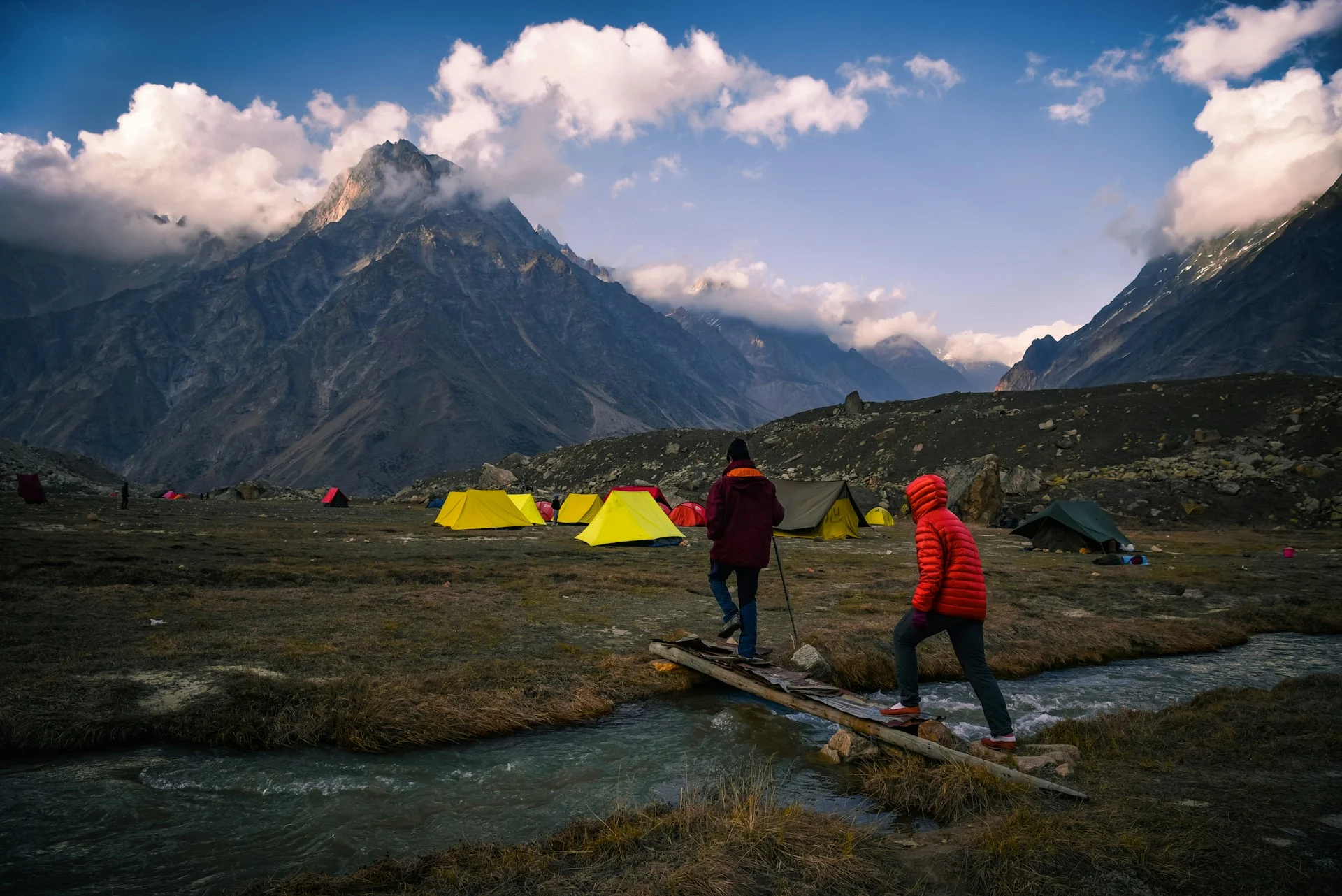
Teahouse rooms are simple, functional, and nothing like Western hotel accommodation .
Beds: Rooms contain two single beds with thin foam mattresses. Some lodges provide slightly thicker mattresses, but comfort is basic regardless.
Bedding: You’ll receive a small pillow and a few blankets. These are typically washed infrequently due to water scarcity and cold temperatures that prevent proper drying .
Construction: Walls are thin—usually wood or plasterboard. Soundproofing is non-existent. You’ll hear conversations, snoring, and footsteps from neighboring rooms .
Space: Rooms are small. You can fit two beds, a small table, and not much else.
Lighting: Rooms may have a single bulb. The electrical grid at higher elevations depends on solar power, so lighting is limited after sunset.
Windows: Rooms have windows, but insulation is poor. Cold air comes through gaps around frames.
Locks: Some rooms have locks; others don’t. Securing valuables is a concern—most trekkers keep their daypack with them.
Heat: Individual rooms have no heating. The dining room is the only warm space, heated by a wood-burning stove or yak-dung burner. This is where trekkers gather in the evenings .
Are Private Rooms Available?
Yes, but availability depends on elevation and season .
| Trail Section | Private Room Availability |
|---|---|
| Lower trail (Ghandruk, Chhomrong) | Private rooms are common. Most lodges offer private rooms with twin or double beds. Some have attached bathrooms. |
| Mid trail (Sinuwa, Dovan, Himalaya) | Private rooms become more limited. Some lodges still offer them, but you may need to book ahead. |
| High altitude (Deurali, MBC, ABC) | Private rooms are essentially unavailable. At Deurali, you’ll share a room with 3–4 other trekkers. At MBC and ABC, dormitory-style rooms are the only option. |
Peak season (October–November, March–April): Private rooms above Chhomrong are virtually nonexistent. Most rooms are allocated on a first-come, first-served basis. Arrive early or book through an agency .
Are Bathrooms Private or Shared?
Bathrooms are mostly shared across the entire ABC route .
| Trail Section | Bathroom Type |
|---|---|
| Lower villages (Ghandruk, Chhomrong) | Some lodges offer attached bathrooms with Western-style toilets. Others have shared bathrooms with both Western and squat toilets. |
| Mid trail (Dovan, Himalaya) | Shared bathrooms become the standard. Most have Western-style toilets, though some have squat toilets. Hot water costs extra—typically NPR 150–200. |
| High altitude (Deurali, MBC, ABC) | Bathrooms are shared and basic. Squat toilets are common. Water scarcity means flushing is limited. In winter, pipes freeze, making running water unreliable. |
Are Hot Showers Available?
Hot showers are available, but with significant caveats .
| Trail Section | Hot Shower Availability |
|---|---|
| Below Chhomrong | Hot showers are available at most lodges for a small fee (NPR 100–200, roughly $1–$1.50). They’re relatively reliable. |
| Mid trail (Dovan, Himalaya) | Hot showers are available but less reliable. Expect to pay NPR 150–200. |
| High altitude (Deurali, MBC, ABC) | Hot showers may be available for NPR 250–350, but they’re often unavailable because pipes freeze at night . |
Critical advice: Many guides recommend against using hot showers at MBC and ABC. The sudden temperature change and exposure to cold after exiting the shower increases the risk of catching a cold, pneumonia, or hypothermia . This is one area where you’re genuinely better off going without.
Is Electricity Available? Can I Charge My Phone?
Electricity and charging depend entirely on location and power sources .
| Trail Section | Electricity & Charging |
|---|---|
| Lower villages | Electricity is available from the national grid and is relatively reliable. Charging is available at most lodges, sometimes at no cost. |
| Mid trail | Electricity depends on solar or hydro-power. Most lodges have charging points in the dining room. You’ll typically pay NPR 100–200 ($1–$1.50) per device for a full charge. |
| High altitude | Power comes entirely from solar panels, which means charging is only possible when the sun is shining. Outlets are limited and often monopolized by many trekkers. Expect to pay NPR 200–250 ($1.50–$2) per charge. Power often cuts out during cloudy weather or at night . |
Pro tip: Bring a high-capacity power bank and charge it fully before you leave Pokhara. Charge your devices opportunistically when you find working outlets in lower villages. Carry spare camera batteries rather than depending on charging facilities .
Is Wi-Fi Available?
Wi-Fi exists but becomes highly unreliable above Chhomrong .
| Trail Section | Wi-Fi Availability |
|---|---|
| Lower villages (Ghandruk, Chhomrong) | Wi-Fi is available at most lodges for NPR 200–300 per session. It’s relatively reliable, though speeds are slow. |
| Mid trail | Wi-Fi is available at some lodges for NPR 200–300 per session, but connectivity becomes spotty. |
| High altitude (Deurali, MBC, ABC) | Wi-Fi exists but is highly unreliable. You’ll pay NPR 300 per session but shouldn’t depend on it . |
Essential advice: Download offline maps, trekking apps, and anything else you need before you leave Pokhara. Mobile network coverage is available in some sections but is unreliable at high altitude.
Is There Heating?
Individual rooms have no heating. The dining room is the only warm space .
Dining room: Most lodges have a wood-burning stove or yak-dung burner in the dining room. This is where trekkers gather in the evenings to eat, socialize, and warm up before retreating to cold rooms.
Blankets: You’re provided with blankets in your room, but they’re often thin and cold. This is why bringing your own sleeping bag is non-negotiable .
Lower villages: Some lodges in Chhomrong have electric blankets in rooms.
High altitude: At MBC and ABC, temperatures drop well below freezing at night. Even with multiple blankets, rooms are extremely cold .
How Much Does Annapurna Base Camp Accommodation Cost?
Accommodation pricing follows a consistent pattern: room rates stay low, food makes up the difference .
Room Costs (USD per night)
| Trail Section | Key Villages | Shared/Dorm Room | Private Room |
|---|---|---|---|
| Lower trail (below 2,200m) | Ghandruk, Chhomrong | $3–$7 | $5–$12 |
| Mid trail (2,200m–3,200m) | Sinuwa, Dovan, Himalaya | $4–$10 | $6–$15 |
| High altitude (above 3,200m) | Deurali, MBC, ABC | $7–$15 | $18–$25 (rare) |
Daily Food and Drink Budget (USD)
| Trail Section | Breakfast | Lunch | Dinner | Total Daily |
|---|---|---|---|---|
| Lower trail | $3–$5 | $4–$6 | $4–$7 | $15–$25 |
| Mid trail | $4–$7 | $5–$8 | $6–$9 | $20–$30 |
| High altitude | $6–$9 | $7–$11 | $8–$13 | $25–$40 |
Total Daily Budget (Food + Accommodation)
| Budget Level | Daily Cost (USD) | What You Get |
|---|---|---|
| Budget | $15–$22 | Dal bhat twice daily, basic breakfast, water purification, no extras |
| Standard | $26–$37 | Varied meals, hot shower every couple days, occasional charging and snacks |
| Comfort | $40–$55 | Full three meals, daily hot shower (where available), Wi-Fi, better room |
Total Food + Accommodation Cost for 7-Day ABC Trek
| Budget Level | Total Cost (USD) |
|---|---|
| Budget | $105–$160 |
| Standard | $183–$260 |
| Comfort | $290–$395 |
These figures are for food and accommodation only—they exclude permits, guide/porter fees, and transportation .
Do You Need to Book Accommodation in Advance?
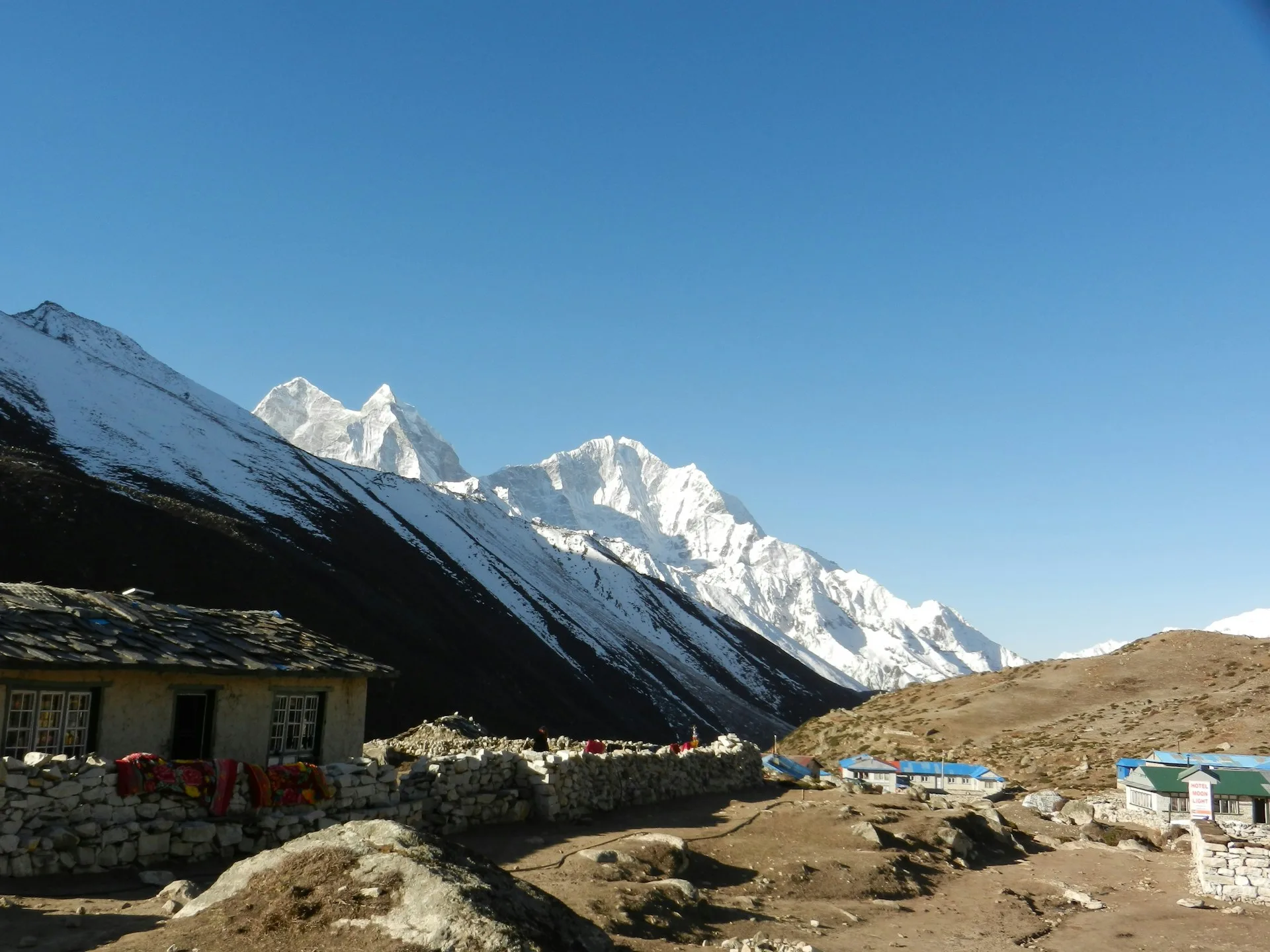
Booking depends heavily on season and altitude .
Peak Season (October–November, March–April)
You should book ahead, especially for high-altitude stops.
Why: Popular villages like Deurali, MBC, and ABC fill up quickly in the afternoon. Arriving late can mean sharing a room with strangers, sleeping on dining room floors, or being turned away to the next village.
How to book: Through your trekking agency (easiest), by direct phone calls to lodges, or by arriving very early.
Key locations to book: Chhomrong, Dovan, Himalaya, Deurali, MBC, and ABC.
Consequence of not booking: During peak season, “late-arriving trekkers sleep on restaurant benches, in storage tents, or even on the ground” .
Off-Season (December–February, June–August)
Walk-in works fine. Teahouses rarely fill completely, and lodges have plenty of vacant rooms.
Flexibility: You can choose lodges based on arrival time, fatigue level, and word-of-mouth from other trekkers.
Winter note: Many lodges above Deurali close during December–February. ABC itself sometimes shuts down. Confirm with your agency before committing to a winter itinerary .
Booking Through an Agency vs. Independent
Agency booking: The easiest option for most trekkers. Agencies reserve rooms in advance, especially during peak season. They also provide a guide who can call ahead to check availability.
Independent booking: More flexibility but more uncertainty. Works well during off-season. During peak season, you risk arriving to find no beds.
Peak Season vs. Off-Season: What Changes?
Peak Season (October–November, March–April)
-
Availability: Lodges fill quickly. Arrive by mid-afternoon to secure a bed.
-
Private rooms: Essentially unavailable above Chhomrong.
-
Crowds: Dining rooms packed during meal times. Noise levels high.
-
Booking: Essential. Book through an agency or call ahead.
-
Prices: Standard peak rates with no discounts.
Off-Season (December–February)
-
Availability: Plenty of room. Lodges are quiet.
-
Winter reality: Temperatures drop to -10°C to -15°C at ABC. Snow above Deurali. Some lodges close .
-
Booking: Walk-in works fine.
-
Who it’s for: Trekkers who don’t mind extreme cold and want solitude.
Monsoon (June–August)
-
Availability: Room discounts of 30–50%.
-
Weather: Rain, mud, leeches on lower trails. Cloud cover hides views for days.
-
Who it’s for: Budget trekkers willing to tolerate rain. Not recommended for first-timers.
Sweet Spot (Late November, Early March)
-
Availability: Fewer crowds, easier booking.
-
Weather: Nearly as good as peak season.
-
Who it’s for: Trekkers who want good weather without peak crowds and prices.
What Should You Bring for Teahouse Accommodation?
Packing for teahouse accommodation is different from packing for a hotel. Here’s what you actually need .
Essential Items
Sleeping bag (rated for -10°C to -15°C): Non-negotiable. Teahouse blankets are thin, musty, and often insufficient at altitude . A good sleeping bag ensures warm sleep and provides a hygienic barrier.
Power bank: Charging outlets are limited and expensive. A high-capacity power bank (20,000mAh+) will keep your phone and camera charged without relying on teahouse outlets .
Quick-dry towel: Teahouse towels are rarely provided. A small microfiber towel dries quickly and packs light.
Toiletries: Bring your own soap, shampoo, and toothbrush. Shared bathrooms don’t provide toiletries.
Toilet paper and hand sanitizer: Toilet paper is sometimes available but not guaranteed. Hand sanitizer is essential because water for handwashing may be limited .
Earplugs: Walls are thin. You’ll hear snoring, conversations, and dogs. Earplugs are cheap insurance for good sleep.
Headlamp or flashlight: Rooms have limited lighting, and power often cuts out at night. A headlamp helps you navigate to the bathroom.
Water purification: Tablets, a SteriPen, or a filter bottle. Buying bottled water at altitude is expensive and wasteful .
Trekking clothes that layer: Rooms have no heating. You’ll sleep in warm layers, not just in your sleeping bag. A good fleece jacket and thermal base layers are essential.
Nice-to-Haves
-
Slippers or camp shoes: Give your feet a break from trekking boots.
-
Books or e-reader: Long evenings in dining rooms. Entertainment helps.
-
Snacks: Trail mix, energy bars, instant soup—teahouses sometimes have limited snack options .
-
Warm thermal socks: Your feet will get cold at night. Keep a pair just for sleeping.
Common Accommodation Mistakes
Avoid these common errors that can make your nights uncomfortable .
1. Assuming Teahouses Are Hotels
They’re not. Teahouses are basic mountain lodges, not hotels with consistent standards and multiple amenities. Expect simple rooms, shared bathrooms, and thin walls. The experience is part of the adventure .
2. Not Bringing Your Own Sleeping Bag
Teahouses provide blankets, but they’re often cold and musty. At ABC, where nighttime temperatures drop below -10°C, blankets alone aren’t enough. A good sleeping bag is non-negotiable .
3. Arriving Too Late During Peak Season
The dining room is the only warm space. During peak season, rooms fill by mid-afternoon. Arriving at 5 PM can mean no bed. Get to your destination by 2–3 PM .
4. Assuming You’ll Have Wi-Fi
Wi-Fi exists but is unreliable above Chhomrong. You’ll pay for it and it may not work. Download maps and other essentials before you leave Pokhara .
5. Drinking Bottled Water Without Thinking
Bottled water costs $3–$4 at altitude and creates plastic waste. A water purification system pays for itself within a few days .
6. Not Charging Everything in Lower Villages
Charging fees increase as altitude climbs, and solar power can be unreliable. In Chhomrong, use the opportunity to fully charge everything .
7. Eating at a Different Lodge from Where You Sleep
This is disrespectful to the lodge owner. The teahouse business model relies on food sales, not room revenue. If you sleep at a lodge, eat your meals there too .
How to Choose the Right Annapurna Base Camp Accommodation
| Priority | What to Look For | Best Villages |
|---|---|---|
| Comfort | Private room, attached bathroom, hot shower, heating, electric blankets | Ghandruk, Chhomrong |
| Budget | Free/cheap room with meal commitment, basic facilities | All villages (rooms get cheaper lower down) |
| Views | Mountain-facing rooms, terrace or communal areas with views | Ghandruk, Chhomrong, MBC, ABC |
| Convenience | Lodges close to trail or with good facilities | Chhomrong, Dovan, Himalaya |
Annapurna Base Camp Accommodation vs. Everest Base Camp
| Criteria | ABC | EBC |
|---|---|---|
| Max Altitude | 4,130m | 5,364m |
| Room Types | Private lower, dorm higher | Dorms above Namche |
| Private Rooms | Available below Chhomrong | Rare above Dingboche |
| Hot Showers | Available with fees | More expensive and limited |
| Cost | Lower overall | 40–70% higher |
| Crowds | Busy in season, manageable | Very high in peak season |
The ABC trek is more affordable because there’s no expensive flight to Lukla, teahouse prices are 30–50% lower than equivalent altitudes on the Everest route, and the trek is shorter .
Trekking with Merriment Treks
Merriment Treks understands that where you sleep matters. Their Annapurna Base Camp trek packages include carefully selected teahouse accommodation at each stage, chosen for safety, comfort, and cleanliness.
Their experienced guides know which lodges offer the best rooms, the most reliable hot showers, and the warmest dining rooms. They can arrange private rooms where they’re available, handle peak-season bookings, and ensure you’re never left without a bed.
Beyond accommodation, Merriment Treks handles permits, transportation, and logistics, leaving you to focus on the trek itself. Their transparent pricing means no hidden costs—you’ll know exactly what you’re paying for.
Frequently Asked Questions about Annapurna Base Camp Accommodation
1. What type of accommodation is available on the Annapurna Base Camp trek?
Teahouses—family-run mountain lodges with simple rooms, shared bathrooms, and communal dining areas. Private rooms are available in lower villages but become dormitory-style shared rooms at higher altitudes .
2. Are there hotels at Annapurna Base Camp?
There are no hotels in the conventional sense. The teahouses at ABC are basic mountain shelters providing a bed and meals, but nothing resembling a hotel .
3. Are private rooms available?
Yes, in villages like Ghandruk and Chhomrong. Above 3,200m, private rooms are very limited and often unavailable during peak season .
4. How much does accommodation cost on the ABC trek?
Rooms cost $3–$7 on the lower trail, $4–$10 mid-trail, and $7–$25 at high altitude. Food costs $15–$40 per day depending on choices .
5. Do I need to book accommodation in advance?
During peak season (October–November, March–April), booking is recommended, especially at high-altitude stops like MBC and ABC. During off-season, walk-in works fine .
6. Can I get a room during peak season?
Yes, but arrive early (by mid-afternoon) or book through an agency. Rooms fill quickly, and late arrivals may end up sharing a room or sleeping in the dining room .
7. Are bathrooms shared or private?
Most bathrooms are shared. Some lodges in Chhomrong and Ghandruk offer attached bathrooms, but sharing becomes the norm above 3,000m .
8. Are hot showers available?
Yes, for a fee (NPR 100–350, ~$1–$2.50). However, at MBC and ABC, they’re often unavailable due to frozen pipes. Many guides recommend skipping them at high altitude to avoid the risk of colds or hypothermia .
9. Is Wi-Fi available?
Yes, but it’s unreliable above Chhomrong. You’ll pay for it and it may not work. Download maps and content before leaving Pokhara .
10. Can I charge my phone?
Yes, for a fee (NPR 100–250, ~$1–$2). Charging is often only available in the dining room and may be solar-dependent .
11. Is electricity available?
Electricity is available in lower villages from the national grid. Above Chhomrong, it’s mostly solar and hydro-power, which can be unreliable .
12. Are blankets provided?
Yes, but they’re often thin and cold. Bring your own sleeping bag rated for -10°C to -15°C—this is non-negotiable .
13. Is food included with the room?
Not usually. Rooms are cheap because lodge owners make money from food. You’re expected to eat breakfast and dinner at the lodge where you sleep .
14. What is accommodation like at ABC itself?
Dormitory-style shared rooms with basic beds, shared bathrooms, no heating, and very limited facilities. Private rooms are virtually unavailable. It’s basic mountain shelter, not luxury .
15. What should I bring for teahouse accommodation?
Sleeping bag, power bank, earplugs, quick-dry towel, toiletries, toilet paper, hand sanitizer, headlamp, water purification tablets/filter, and warm layers for sleeping .