If you’ve spent any time researching a Chitwan National Park tour, you’ve probably noticed something frustrating: every page gives you a different price, a vague itinerary, and the same recycled paragraph about “endangered rhinos and Bengal tigers.” Nobody actually breaks down what you’re paying for, why prices swing from $80 to $600 per person, or what you’ll realistically see once you’re standing in the jungle at 6 AM.
This guide fixes that. We’re going to walk through exactly what’s included in a Chitwan tour, what it costs in 2026 broken down by budget level, how many days you actually need, where to base yourself, and the questions nobody wants to answer honestly — like whether you should ride an elephant.
By the end, you’ll be able to book with confidence instead of guessing.
What a Chitwan National Park Tour Actually Includes
Before we talk numbers, it helps to understand what you’re actually buying when you book a “Chitwan tour package.“
Transportation from Kathmandu or Pokhara to the Chitwan area (usually Sauraha), accommodation for the number of nights booked, all meals (breakfast, lunch, dinner) on a full-board basis, the park entry permit and government taxes, a trained naturalist guide, and a set of jungle activities — typically a jeep safari, a canoe ride on the Rapti River, a guided jungle walk, a visit to the elephant breeding center, and an evening Tharu cultural dance show.
What’s usually NOT included: international flights, travel insurance, alcoholic drinks, tips for guides and drivers, and any optional add-ons like a domestic flight between Kathmandu and Bharatpur instead of the road journey.
The reason prices vary so wildly between operators isn’t usually because one is “ripping you off” — it’s because the accommodation tier, the number of activities bundled, and whether you’re staying inside or outside the park boundary all shift the cost dramatically. We’ll break that down next.
Chitwan National Park Tour Cost in 2026 — Real Price Breakdown
Park Entry Fees & Government Charges
Every visitor pays a park entry permit regardless of which operator you book through, since this fee goes directly to the Nepal government and park conservation fund, not the tour company. For foreign nationals, this is currently around NPR 2,000 per day (roughly $15 USD), with SAARC nationals paying about half that and Nepali citizens paying a fraction of that amount. Children under 10 typically enter free. This fee is usually already folded into your package price, but it’s worth knowing it exists — it’s one of the few fixed costs that doesn’t change between operators.
Budget Tour Cost (2 Nights / 3 Days)
A budget-tier 2N/3D package, staying outside the park in a simple guesthouse with shared facilities, typically runs from $120 to $180 per person. This covers tourist bus transport from Kathmandu or Pokhara, basic full-board meals, the standard jeep safari and canoe ride, and a shared room. The trade-off here isn’t comfort so much as activity selection — you’ll likely get fewer “extra” activities like the village walk or extended bird watching.
Mid-Range Tour Cost — The Most Popular Choice
This is where most travelers land, and for good reason. A mid-range 2N/3D or 3N/4D package, staying in a comfortable three-star lodge just outside the park boundary, generally costs between $180 and $300 per person. This range typically includes private vehicle or AC tourist bus transport, a fuller activity list (jeep safari, canoe ride, jungle walk, cultural program, and elephant breeding center visit), and en-suite rooms. If you’re booking a 3-day package and see a price advertised around $250, you’re looking at a fairly standard mid-range offering — not a red flag, but also not a steal.
Luxury Tour Cost — Inside-Park Lodges
If you want to wake up to birdsong with the jungle literally outside your window, you’re looking at lodges located inside the park’s buffer zone or core area. These packages run anywhere from $350 to $800+ per person for a 3N/4D stay, and in Nepali Rupee terms can push toward NPR 90,000 for a premium 3N/4D experience. The jump in price buys you proximity to wildlife, higher staff-to-guest ratios, better food, and often private safari vehicles instead of shared jeeps.
Why Prices Vary So Much (The Honest Answer)
The biggest swing factor isn’t the activities — it’s almost always the accommodation location and category. A hotel just outside the park gate in Sauraha can cost a fraction of an equivalent room inside the park’s buffer zone, simply because of land scarcity and conservation-zone restrictions on construction. The second biggest factor is group size: solo travelers often pay 30-50% more per person than someone joining a group of four, because fixed costs like the vehicle and guide get split fewer ways. Finally, whether you fly (Kathmandu–Bharatpur, around $98 one way) or take a 5-7 hour road journey adds or removes roughly $150-200 round trip per person.
How Many Days Do You Actually Need in Chitwan?
This is one of the most common questions, and the honest answer depends on what you’re optimizing for.
1 day (day trip from Sauraha): Technically possible if you’re tight on time, combining a half-day jeep safari with a canoe ride. But you’ll spend more time traveling than experiencing the park, and you’ll miss the early-morning and late-afternoon windows when wildlife is most active.
2 nights, 3 days: This is the sweet spot for most travelers. You get a full activity day (typically Day 2), arrival and orientation on Day 1, and a relaxed departure on Day 3. It’s enough time to do a jeep safari, canoe ride, jungle walk, and cultural show without feeling rushed.
3 nights, 4 days: Worth it if you specifically want to maximize wildlife sighting chances — more safari outings mean more opportunities, especially for the harder-to-spot Bengal tiger. It’s also the better choice if you’re staying at an inside-park lodge, since you’ll want time to actually enjoy the property and surroundings, not just check boxes.
If you’re combining Chitwan with a broader Nepal itinerary (Kathmandu, Pokhara, Annapurna trekking), 2N/3D fits naturally without derailing your schedule. If Chitwan is the main event of your trip, 3N/4D gives noticeably better value per dollar spent on transport, since the fixed travel cost gets spread across more activity days.
Choosing Your Base: Sauraha vs Meghauli vs Barauli
Almost no guide covers this properly, but where you base yourself genuinely changes your experience.
- Sauraha is the original and most established tourist hub, sitting on the eastern edge of the park along the Rapti River. It has the widest range of accommodation from budget guesthouses to mid-range lodges, the most restaurants and shops, and the easiest access by road or air. The trade-off is that it’s also the busiest — jeep safaris here can feel more crowded, and the immediate surroundings are more developed.
- Meghauli, on the western side, is quieter and known for being closer to areas with higher tiger activity, partly because it borders a less-trafficked corridor of the park. Lodges here tend to be higher-end, and the experience feels noticeably more remote and exclusive.
- Barauli, also on the western side, sits in a community-managed buffer zone and offers a similar quieter, more nature-immersive feel to Meghauli but with options that skew slightly more mid-range.
If this is your first visit, want flexibility, and are budget-conscious, Sauraha makes sense. If you’ve done a “standard” safari before and want something quieter with a better shot at rarer wildlife, Meghauli or Barauli are worth the extra cost and slightly longer transfer.
3-Day Chitwan National Park Tour Itinerary
Day 1 — Arrival & Orientation
You’ll arrive in the early afternoon after either a 5-7 hour drive from Kathmandu/Pokhara or a 25-minute flight to Bharatpur followed by a short transfer. After checking in and a late lunch, the afternoon is typically used for a sunset canoe ride along the Rapti River — a gentle, low-effort activity that’s surprisingly good for spotting gharial crocodiles and kingfishers. The evening usually closes with a Tharu cultural dance performance, which is genuinely worth attending even if cultural shows aren’t usually your thing — the stick dance is physically impressive and gives context to the Tharu community that has lived alongside this park for generations.
Day 2 — Full Safari Day
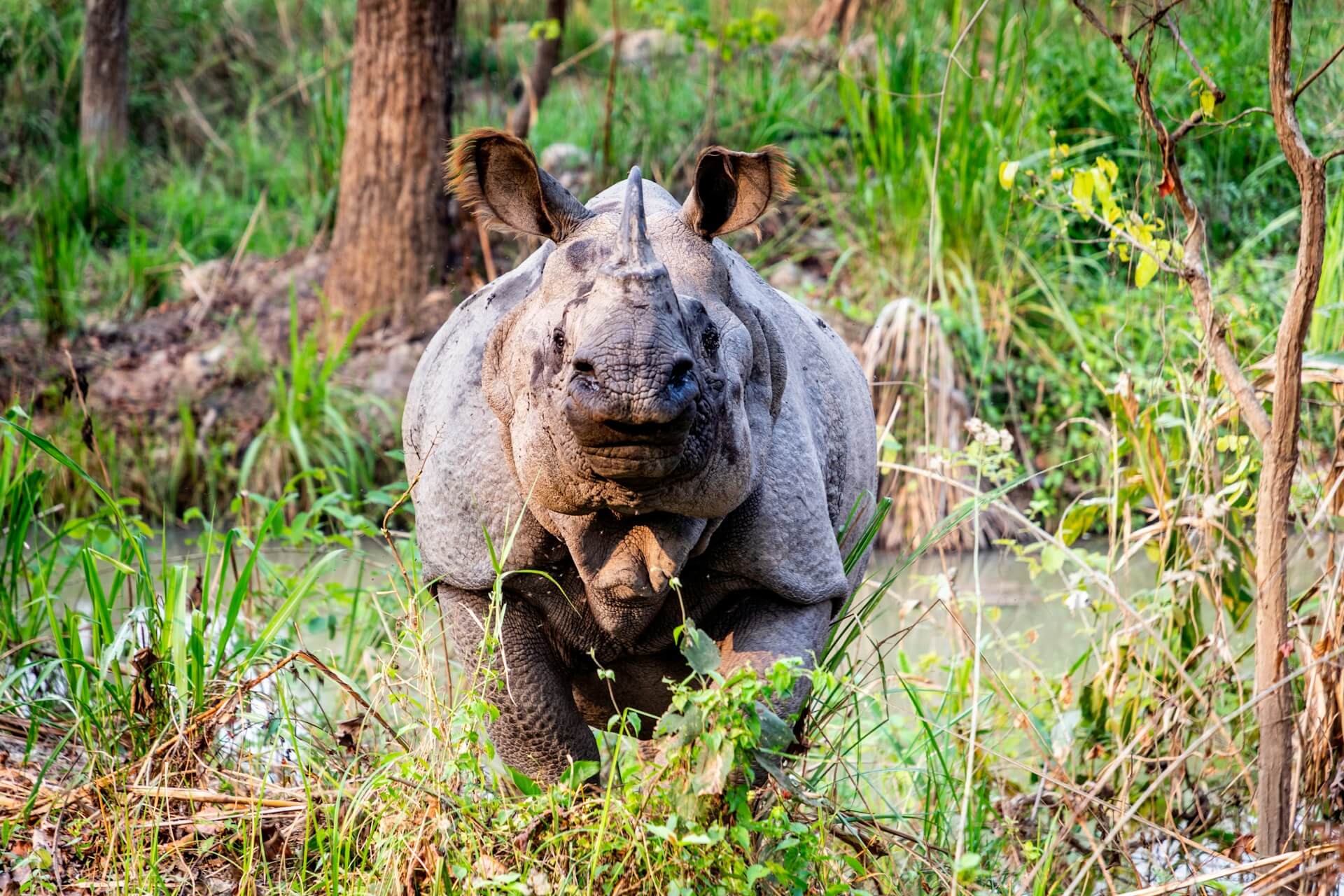
This is the core day. An early wake-up call (often 5:30 AM) leads into the main jeep safari, typically running 3-4 hours through the park’s grasslands and forest tracks. Early morning is genuinely the best window for spotting rhinos — they’re most active before the heat sets in. After returning for breakfast, the afternoon often includes a visit to the elephant breeding center and either a guided jungle walk or a village tour to see how the Tharu community lives day to day. Evenings are typically free, which is a good time to wander Sauraha’s riverside area.
Day 3 — Final Activities & Departure
The last morning usually offers one more activity — often bird watching or a final short walk — followed by breakfast and the return journey. If your operator offers a flexible Day 3, this is a good time to ask for an extended bird-watching session if that’s a particular interest, since Chitwan is home to over 540 recorded bird species and the early morning is prime time.
The Elephant Ride — What You Need to Know Before You Book
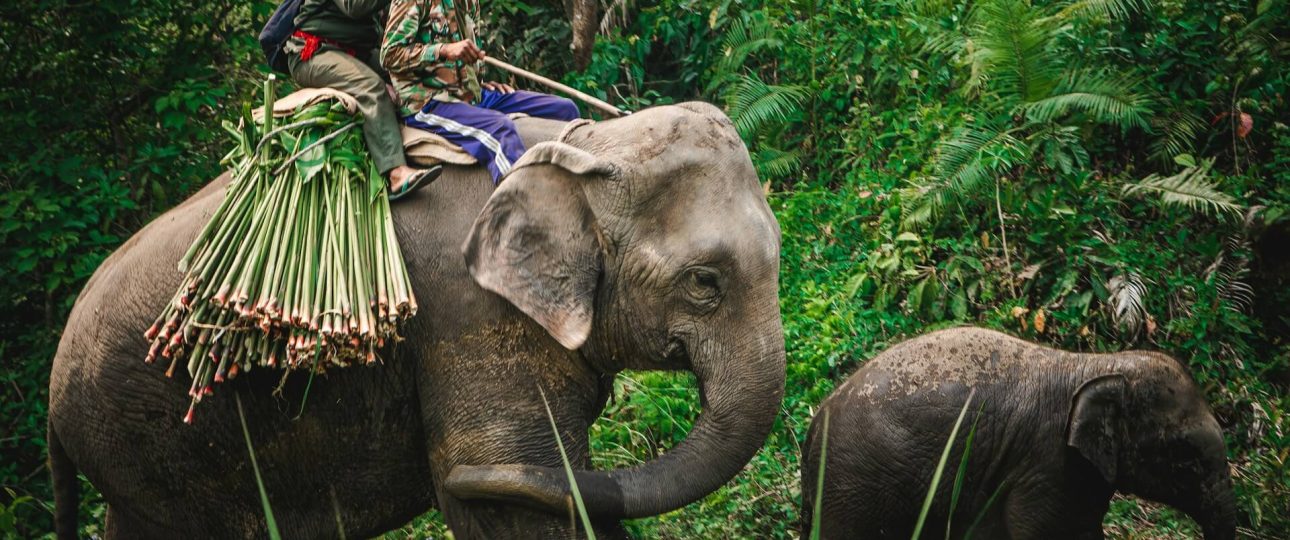
Elephant-back safaris are not officially banned in Chitwan National Park, despite periodic news reports suggesting otherwise. They remain legal and are still offered by some operators. However, a growing number of responsible tourism organizations and individual lodges have voluntarily stopped offering or promoting them, citing animal welfare concerns related to how elephants used for tourism are typically trained and kept.
If you’re deciding whether to do it, here’s what’s worth knowing: elephant safaris do generate revenue that contributes to park conservation funding, which is the argument operators who still offer it tend to make. On the other side, animal welfare organizations point to the training methods historically used on elephants kept for tourism, which involve practices many travelers find difficult to reconcile with once they understand them.
If you’d rather skip the elephant ride but still want a close wildlife encounter, jeep safaris and guided jungle walks are widely considered the most effective alternatives — walks in particular put you closer to the ground-level experience of the jungle, accompanied by an armed naturalist guide for safety. A visit to the elephant breeding center, where you can observe elephants without riding them, is also commonly included in standard packages and lets you see these animals up close in a different context.
There’s no single “correct” answer here — but going in informed, rather than assuming it’s either banned or universally acceptable, lets you make a choice that sits right with you.
How to Get to Chitwan
- By road (tourist bus or private vehicle): The journey from Kathmandu takes roughly 5-7 hours depending on traffic and road conditions, while from Pokhara it’s slightly shorter at around 4-5 hours. A standard tourist bus ticket is the most budget-friendly option, while a private vehicle costs more but offers flexibility on stops and timing — useful if you’re traveling with young kids or want to break up the journey.
- By air (Kathmandu to Bharatpur): At around $98 one way, flying cuts the journey down to about 25 minutes plus a short transfer to Sauraha. If you’re short on vacation days or simply want to avoid a long winding mountain road, this is worth the extra cost — especially for a shorter 2N/3D trip where every travel hour matters proportionally more.
For most travelers combining Chitwan with a longer Nepal itinerary, the road journey is fine and often scenic. For those on tight schedules or prioritizing comfort, the flight pays for itself in time saved.
What Wildlife Will You Actually See? (Season-by-Seasons)
This is the section that matters and which you need to read because expectations shape satisfaction more than almost anything else.
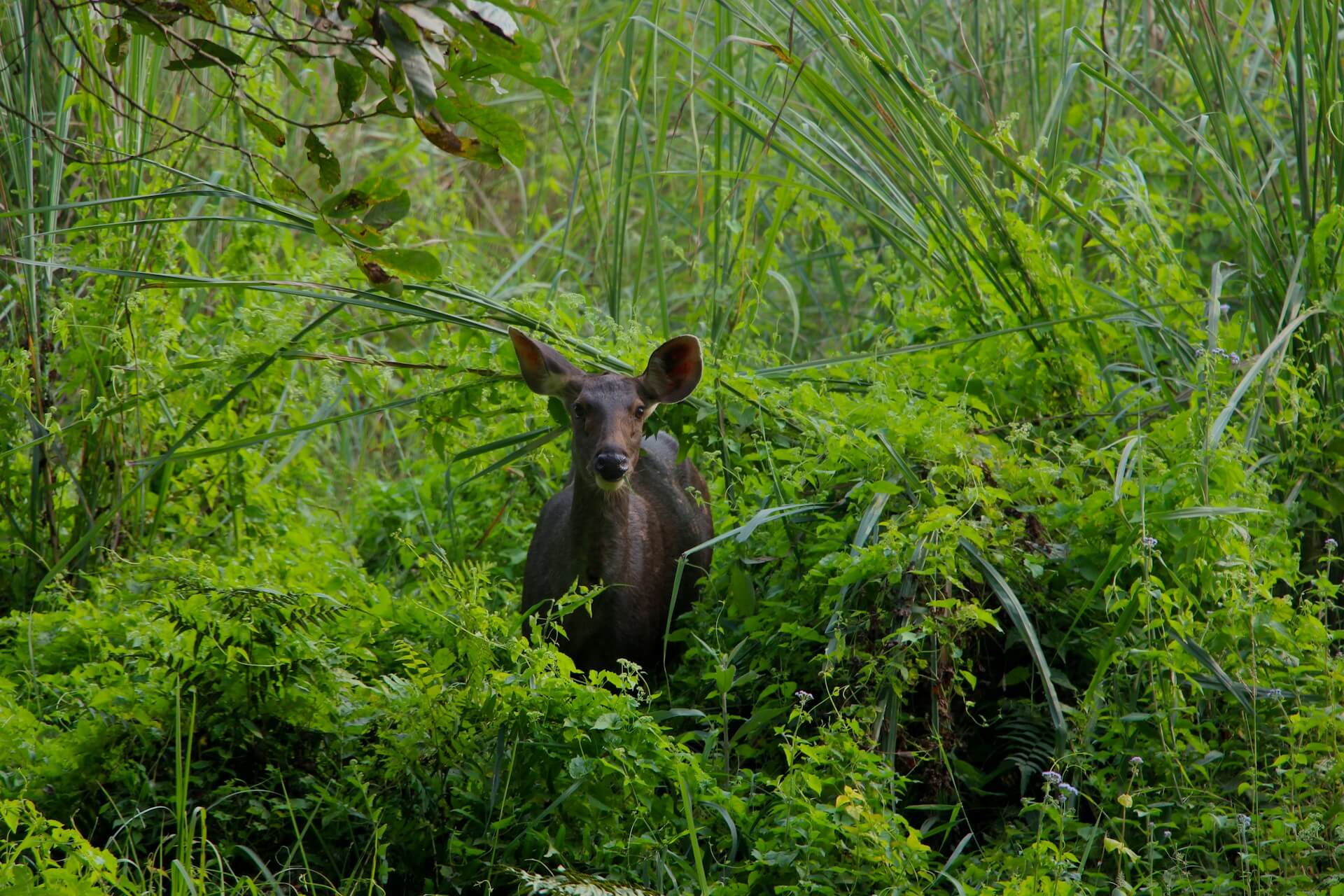
- October to March (Peak Season): This is the most reliable window. The weather is cool and clear, grasslands have often been cut or burned (improving visibility), and rhino sightings are genuinely common — most visitors during this period see at least one rhino, often several. Bird activity is also excellent. Tigers remain elusive year-round, but visibility conditions are best during this stretch.
- April to May (Hot Season): Temperatures climb significantly, but this can actually work in your favor for sightings — animals concentrate around remaining waterholes, making jeep safaris near rivers and ponds particularly productive. It’s less comfortable for you, but often more productive for wildlife viewing if you can handle the heat.
- June to September (Monsoon): Most operators discourage visits during this period, and for good reason. Heavy rain can flood low-lying tracks, some activities get cancelled on short notice, and dense vegetation makes spotting wildlife considerably harder. If you’re flexible, this isn’t the time to prioritize Chitwan.
On tigers specifically: be skeptical of any operator implying tiger sightings are likely. They’re not. Bengal tigers in Chitwan are present but elusive by nature, preferring dense cover over open grassland. Most visitors who see one consider it a stroke of luck rather than an expected outcome — and that’s true even during peak season.
What to Pack for a Chitwan National Park Tour
A few practical, often-overlooked items make a real difference here.
- Light, breathable clothing in neutral or earthy tones (avoid bright colors and white, which can both startle wildlife and show dirt quickly) works best for safari activities.
- Closed-toe shoes are important for jungle walks, where you’ll be walking on uneven, sometimes muddy terrain.
- Mosquito repellent with a higher DEET concentration is worth packing, particularly if visiting during warmer months.
- A hat and sunscreen matter more than people expect, since jeep safaris involve long stretches in open-air vehicles under direct sun.
- If birdwatching interests you at all, bringing your own binoculars is worthwhile — shared pairs provided by operators are often limited.
Frequently Asked Questions About Chitwan National Park Tours
- Is Chitwan National Park worth visiting?
Yes, particularly if you’re interested in wildlife, birdwatching, or experiencing a different side of Nepal beyond the mountains. It offers genuinely high chances of seeing rhinos and a rich variety of birds, plus an introduction to Tharu culture you won’t find elsewhere in the country. - How much does a Chitwan National Park Tour cost per person in 2026?
Budget packages start around $120-180 for 2 nights, mid-range packages typically run $180-300, and luxury inside-park experiences can range from $350 to $800+ for 3-4 nights. The exact figure depends mainly on accommodation type and group size. - How many days do I need for Chitwan National Park?
2 nights/3 days covers the core experience well for most travelers. 3 nights/4 days is worth considering if maximizing wildlife sighting opportunities or staying at a premium inside-park lodge is a priority. - Is it safe to do a jungle safari in Chitwan?
Yes, when done with a licensed operator and an experienced naturalist guide, who are trained in how to behave around wildlife and what to do if an animal approaches. Following your guide’s instructions closely — particularly around staying quiet and not wandering off during walks — is the main safety factor within your control. - Will I see a tiger in Chitwan National Park?
It’s possible but not likely. Tigers are present in healthy numbers but are naturally elusive and tend to avoid open areas where they’d be visible. Most visitors who do spot one consider it a rare highlight rather than something to expect. - Is the elephant ride ethical, and should I do it?
Elephant safaris remain legal in Chitwan but are increasingly avoided by responsible tourism operators due to animal welfare concerns around training methods. Jeep safaris, jungle walks, and visiting the elephant breeding center (without riding) are widely considered the more ethical alternatives if this matters to you. - What is the best time to visit Chitwan National Park?
October to March offers the most reliable combination of comfortable weather and good wildlife visibility, with February to April also being strong due to grass-cutting season improving sightlines. June to September (monsoon) is generally avoided due to flooding risk and reduced visibility. - How do I get from Kathmandu to Chitwan?
By road, it’s a 5-7 hour journey by tourist bus or private vehicle. By air, a 25-minute flight to Bharatpur followed by a short transfer cuts total travel time significantly, for around $98 one way. - Is Chitwan National Park Tour better than Bardiya National Park?
Chitwan is more accessible, has more developed tourist infrastructure, and is easier to combine with a standard Nepal itinerary. Bardiya, further west, is less developed but often offers a quieter experience with comparatively higher tiger sighting rates for those prioritizing that specifically. - What’s included and not included in a Chitwan tour package?
Most packages include transport, accommodation, full-board meals, park entry fees, a naturalist guide, and core activities like jeep safari, canoe ride, and cultural shows. Typically excluded are international flights, travel insurance, alcoholic beverages, and gratuities for guides and drivers.
Final Thoughts: Is a Chitwan National Park Tour Right for You?
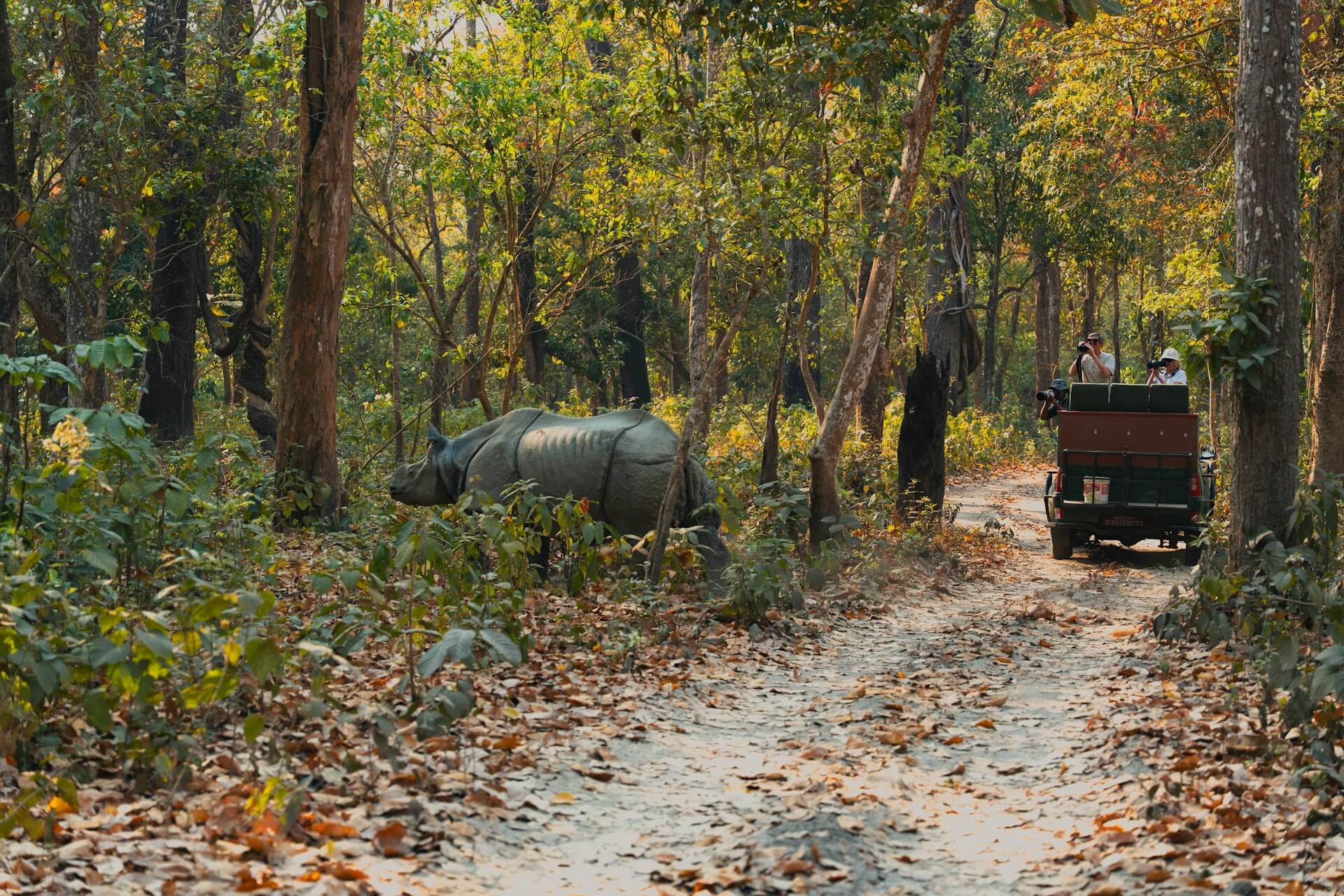
If you’re drawn to wildlife, enjoy a slower-paced travel style, and want to see a genuinely different side of Nepal beyond trekking and mountains, Chitwan National Park tour delivers on that promise reliably — particularly for rhino sightings and birdwatching, which are consistently strong year-round during the right season.
What it won’t deliver is a guaranteed tiger encounter or an African-savanna-style open-plains experience — the terrain here is forest and grassland, and sightings require patience and a bit of luck.
For most first-time visitors, a 2-night, 3-day package based in Sauraha hits the right balance of cost, activity variety, and accessibility. If you’ve got the extra time and budget, extending to 3 nights or basing yourself in the quieter western zones around Meghauli or Barauli adds depth to the experience without adding much complexity to your planning.
Whichever package you choose, the details that matter most aren’t the brand name on the itinerary — they’re the transparency of the pricing, the clarity around what’s included, and an honest answer when you ask about the elephant ride.