Introduction to Everest Base Camp trek gear
Everest Base Camp trek gear is not about bringing everything. It is about bringing the right things. Most trekkers arrive in Nepal with bags that are far too heavy, packed with items they will never use. Others arrive without the essential items that actually matter at altitude—proper boots, a warm sleeping bag, or a quality down jacket. This guide from Merriment Treks, a Nepal-based trekking company, will help you pack exactly what you need for the Everest Base Camp trek in 2026, without the confusion and without the unnecessary weight.
The key to smart packing is a simple framework: BUY → RENT → CARRY → PORTER → LEAVE BEHIND. Every item you consider should fit into one of these categories. Buy it if it is essential and needs to fit you perfectly. Rent it if you will only use it once and rental quality in Kathmandu is high. Carry it if you will need it during the day. Give it to the porter if you only need it at the teahouse. Leave it behind if it adds weight without adding value.
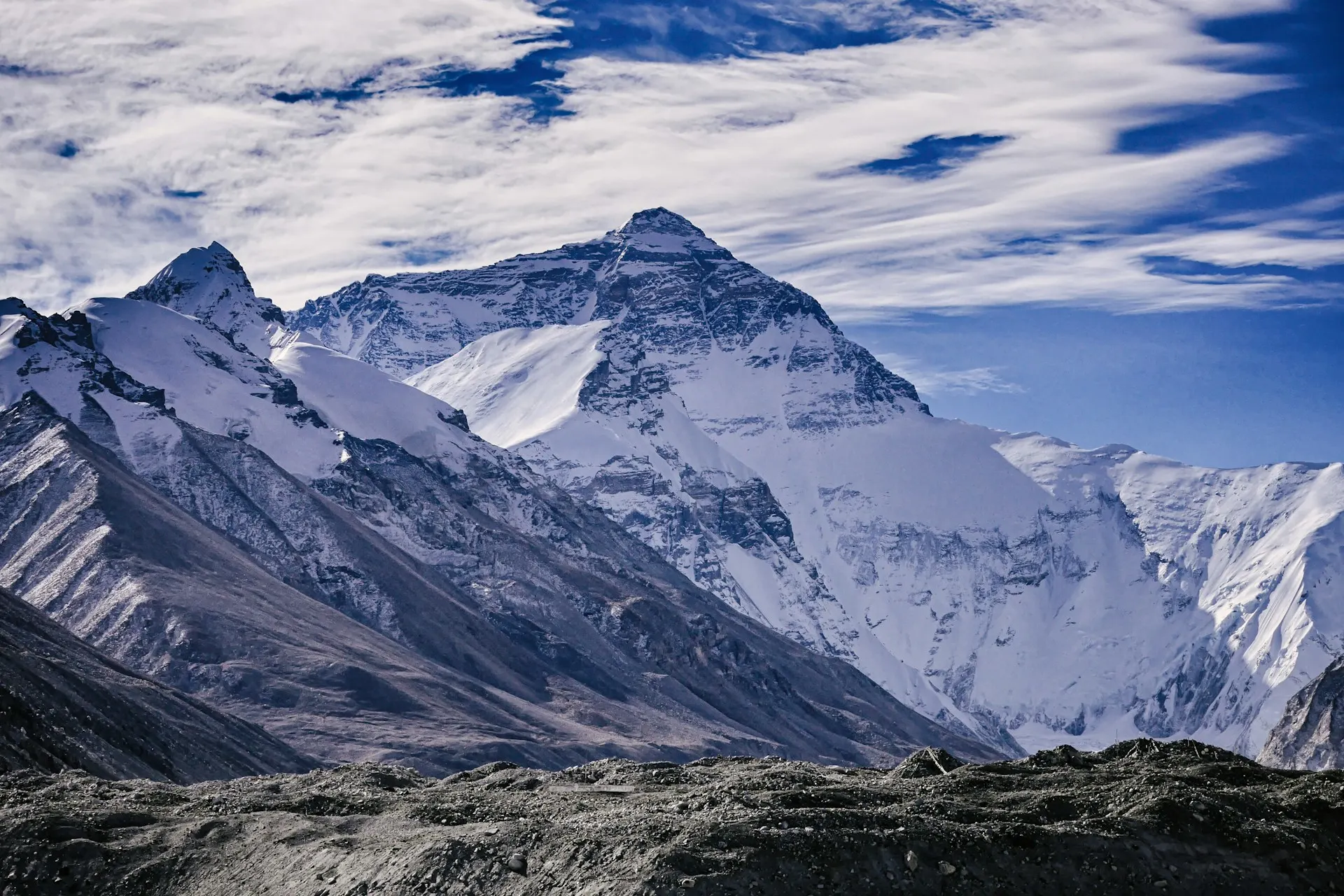
Quick EBC Gear Checklist
This Everest Base Camp packing list gives you an immediate reference. Use it as your starting point.
| Category | Essential Items | Recommended Items | Optional Items |
|---|---|---|---|
| Footwear | Trekking boots, camp shoes | Gaiters | Microspikes (winter) |
| Clothing | Base layers, fleece, down jacket, waterproof shell, trekking trousers, socks, gloves, hat, buff | Extra base layer, trekking shorts | Down pants (winter) |
| Sleep | Sleeping bag | Sleeping bag liner | Inflatable pillow |
| Bags | Daypack, porter duffel | Dry bags | Packing cubes |
| Gear | Trekking poles, headlamp, water purification | Water reservoir | Camera |
| Sun | Sunglasses, sunscreen, lip balm | Wide-brim hat | Sun gloves |
| Health | First aid kit, blister care, personal medications | Electrolytes | Altitude medication (discuss with doctor) |
| Electronics | Power bank | Charging cables, camera | Solar charger |
| Documents | Passport, permits, insurance | Cash, photos | Copies of documents |
What Makes EBC Gear Different
Everest Base Camp trek gear is different from regular travel packing because the trek is a teahouse trek. You sleep in lodges with beds, blankets, and common dining areas heated by yak-dung stoves. You do not need a tent, a stove, food, or a water filter for multiple days. You need clothing that keeps you warm and dry during the day, a sleeping bag that keeps you comfortable at night, and footwear that can handle rough, rocky trails for hours at a time.
The second factor is altitude. The trek climbs from Lukla at 2,860 meters to Everest Base Camp at 5,364 meters. The temperature drops as you gain elevation. A warm afternoon in Namche Bazaar can turn into a freezing night in Gorak Shep. Your Everest Base Camp trekking gear must handle that range.
The third factor is the porter system. On most organized treks, a porter carries your main duffel bag between teahouses. You carry only a daypack with items you need during the day. The standard porter weight limit is usually 10 to 15 kilograms, depending on your operator. This means you must pack light, not just for yourself, but for the person carrying your bag.
The Clothing System
The clothing system for Everest Base Camp trek gear is based on layers. Layering allows you to adjust to changing conditions—cold mornings, warm afternoons, wind, rain, snow, and freezing evenings inside the teahouse.
Base Layers
Base layers are the foundation of your Everest Base Camp clothing system. They sit against your skin and manage moisture. When you sweat, cotton absorbs the moisture and holds it against your skin, making you colder. Merino wool or synthetic base layers pull moisture away from your skin and dry quickly.
What to bring: Two to three base layer tops and one to two base layer bottoms. One set for sleeping, one set for trekking, and one spare.
Buy or rent: Buy. Base layers are personal items. Rental base layers are rarely acceptable for hygiene reasons.
Features that matter: Merino wool resists odor better than synthetic. Synthetic dries faster and is cheaper. Either works if you avoid cotton.
When you use them: Every day, all day, as your first layer.
Mid-Layers
Mid-layers provide insulation. This is usually a fleece or a lightweight insulated jacket. The mid-layer traps warm air close to your body while allowing moisture to escape.
What to bring: One fleece jacket or one lightweight insulated jacket.
Buy or rent: Buy. Mid-layers are versatile and you will use them beyond the trek.
Features that matter: Full zipper for ventilation, pockets for warming hands, lightweight and compressible.
When you use them: Mornings, evenings, high passes, and any time the temperature drops.
Insulated Jacket (Down Jacket)
The down jacket is your primary warmth layer. It is the single most important piece of insulation in your Everest Base Camp trek gear.
What to bring: One down jacket with enough loft for freezing temperatures.
Buy or rent: Either. High-quality down jackets can be expensive, and Kathmandu has excellent rental options. If you already own a warm down jacket, bring it. If not, rent in Kathmandu.
Features that matter: Fill power of 600 to 800, hood, zippered pockets, packable design. The fill power indicates the warmth-to-weight ratio. A 700-fill jacket is warmer for its weight than a 500-fill jacket.
When you use them: Every evening, every morning, and any time you stop moving for more than a few minutes.
Waterproof Shell
The waterproof shell is your protection against rain, snow, and wind. It is not insulation. It is a barrier.
What to bring: One waterproof jacket and one pair of waterproof trousers.
Buy or rent: Buy if possible. A quality waterproof shell is a lifetime investment. Rent if budget is tight.
Features that matter: Sealed seams, adjustable hood, pit zips for ventilation, breathable fabric if possible.
When you use them: During rain, snow, wind, or any combination of the three.
Trekking Trousers
You need trousers that can handle long days of walking and changing weather.
What to bring: Two pairs of quick-drying trekking trousers. One lightweight pair for lower elevations and one heavier pair for higher elevations. Some trekkers prefer convertible trousers with zip-off legs.
Buy or rent: Buy. Fit matters.
Features that matter: Quick-drying fabric, zippered pockets, comfortable waistband, freedom of movement.
When you use them: Every day while trekking.
Socks
Socks are more important than most trekkers realize. Blisters end treks.
What to bring: Three to four pairs of merino wool or synthetic trekking socks. One pair of thick socks for sleeping.
Buy or rent: Buy. Never rent socks.
Features that matter: Merino wool resists odor and wicks moisture. Avoid cotton. Some trekkers prefer liner socks underneath trekking socks to prevent blisters.
When you use them: Trekking socks during the day, thick socks at night.
Gloves
Your hands get cold. Gloves are essential.
What to bring: One pair of lightweight gloves for cool mornings and one pair of insulated waterproof gloves for high elevations and cold weather.
Buy or rent: Buy lightweight gloves. Rent insulated gloves if needed, but buying is often easier.
Features that matter: Wind resistance, touchscreen compatibility for lightweight gloves, insulation for heavy gloves.
When you use them: Mornings, evenings, high passes, and any cold weather.
Hats and Buffs
Heat escapes from your head. A warm hat is essential. A buff or neck gaiter is incredibly versatile.
What to bring: One warm beanie, one sun hat, one buff or neck gaiter.
Buy or rent: Buy. These are small, cheap, and essential.
Features that matter: Beanie should cover ears. Sun hat should have a brim. Buff can be worn as neck warmer, headband, or face covering.
When you use them: Beanie in cold weather, sun hat during hot days, buff constantly.
Footwear
Trekking Boots
This is the single most important gear decision you will make. Your Everest Base Camp trekking boots can make or break your trek.
What to bring: One pair of broken-in, waterproof trekking boots with good ankle support.
Buy or rent: Buy. Rental boots are a bad idea. Your boots must fit your feet perfectly, and they must be broken in before the trek.
Features that matter: Waterproof membrane, ankle support, stiff sole for rocky terrain, comfortable fit with room for toe movement. Do not buy new boots the week before your trek. You need at least 20 to 30 kilometers of walking in them before arriving in Nepal.
When you use them: Every single step of the trek.
Camp Shoes
After a long day of trekking, you need comfortable shoes for the teahouse.
What to bring: One pair of lightweight shoes. Trail running shoes, Crocs, or sandals all work.
Buy or rent: Buy. They are cheap and useful.
Features that matter: Lightweight, easy to slip on, comfortable. In winter, bring insulated camp shoes.
When you use them: Evenings and mornings at the teahouse.
Gaiters
Gaiters cover the gap between your boots and trousers, keeping snow, mud, and rocks out.
What to bring: One pair of lightweight gaiters.
Buy or rent: Optional. Most trekkers do not need them except in winter or heavy rain.
Features that matter: Waterproof, lightweight, easy to attach.
When you use them: Snow, mud, rain, or dusty trails.
Sleeping Bag
The teahouses provide blankets, but blankets are not always clean, warm enough, or available. A good Everest Base Camp sleeping bag is essential.
What to bring: One sleeping bag rated to at least -10°C to -15°C (14°F to 5°F). Many trekkers also bring a silk or fleece sleeping bag liner for extra warmth and hygiene.
Buy or rent: Rent in Kathmandu. High-quality sleeping bags are available for rent at reasonable prices. Unless you plan to do many cold-weather treks, renting is smarter than buying.
Features that matter: Temperature rating, compressibility, weight. The temperature rating indicates the lowest temperature at which the bag will keep you warm. For EBC, do not go above -10°C. Colder is better.
When you use them: Every night.
Backpack and Duffel System
This is where many trekkers get confused. You have two bags: a daypack that you carry and a duffel that the porter carries.
Daypack
Your Everest Base Camp daypack holds everything you need during the day.
What to bring: One daypack with a capacity of 25 to 35 liters.
Buy or rent: Buy. Fit matters.
Features that matter: Comfortable shoulder straps, waist belt, water bottle pockets, rain cover, easy access to essentials.
When you use them: Every day while trekking.
Porter Duffel
Your Everest Base Camp porter bag holds everything you do not need during the day.
What to bring: One duffel bag with a capacity of 60 to 80 liters. Your trekking operator will usually provide this, but confirm in advance.
Buy or rent: Usually provided by operator. If not, buy a simple, durable duffel.
Features that matter: Durable, waterproof material, lockable zipper, easy to identify.
When you use them: The porter carries it between teahouses each day.
Weight Limits
The standard porter weight limit is 10 to 15 kilograms, depending on your operator. Confirm this with your trekking company. A lighter bag is easier for the porter and for you.
Trekking Poles
Trekking poles reduce strain on your knees, especially during descents. They also help with balance on rough trails.
What to bring: One pair of adjustable trekking poles.
Buy or rent: Either. Kathmandu has affordable options. If you already own poles, bring them.
Features that matter: Adjustable length, comfortable grips, rubber tips for rocky sections, snow baskets for winter.
When you use them: Every day while trekking.
Headlamp
A headlamp is essential for your Everest Base Camp trek gear. Teahouses often have limited or unreliable electricity. You will need a headlamp for early morning starts, evening chores, and trips to the toilet at night.
What to bring: One headlamp with fresh batteries.
Buy or rent: Buy. They are cheap and essential.
Features that matter: Bright enough for walking in the dark, red light mode for preserving night vision, water resistance, long battery life.
When you use them: Every evening, early mornings, and any power outages.
Water and Hydration
You must drink plenty of water at altitude to help with acclimatization. However, the water in Nepal is not safe to drink untreated.
What to bring: Water purification tablets or a portable water filter, and two water bottles or one bottle plus a hydration reservoir.
Buy or rent: Buy purification tablets or filter before arriving. Bottles can be purchased in Kathmandu.
Features that matter: Purification tablets are cheap and lightweight. Filters are more convenient but heavier. Avoid relying solely on buying bottled water; it is expensive and creates plastic waste.
When you use them: Every day, all day.
Sun Protection
The sun at altitude is intense. Even on cloudy days, you can get badly sunburned.
What to bring: High-SPF sunscreen, lip balm with SPF, polarizing sunglasses, and a sun hat.
Buy or rent: Buy. These are personal items.
Features that matter: SPF 30 or higher, broad spectrum. Sunglasses should provide 100% UV protection. A wide-brim hat shades your face and neck.
When you use them: Every day, all day, even when it is cloudy.
First Aid and Personal Health
You should bring a personal first aid kit as part of your Everest Base Camp trek gear. Your guide will carry a larger kit, but you need your own supplies for minor issues.
What to bring: Blister treatment, bandages, antiseptic wipes, pain relievers, personal medications, throat lozenges, diarrhea medication, rehydration salts, and any altitude medication discussed with your doctor.
Buy or rent: Buy. Personal health items should not be rented.
Features that matter: Small, organized, easily accessible.
When you use them: As needed throughout the trek.
Toiletries
Teahouses provide basic facilities, but they do not provide toiletries.
What to bring: Toothbrush, toothpaste, biodegradable soap, shampoo, deodorant, hand sanitizer, wet wipes, toilet paper, and a small quick-dry towel.
Buy or rent: Buy.
Features that matter: Small sizes, biodegradable where possible.
When you use them: Daily hygiene.
Electronics
Charging electronics on the EBC trek requires planning.
What to bring: Phone, charging cables, power bank, and possibly a camera.
Buy or rent: Buy.
Features that matter: Power bank should be high capacity because teahouses charge fees for charging devices, and power can be unreliable.
When you use them: Communication, photography, and entertainment in the evenings.
Documents and Valuables
What to bring: Passport, trekking permits, insurance documents, cash (Nepali rupees), and photocopies of everything.
Buy or rent: Bring from home.
Features that matter: Keep documents in a waterproof pouch.
When you use them: At checkpoints, teahouses, and in case of emergency.
What Belongs in the Daypack
Your daypack weight should be approximately 3 to 5 kilograms. It contains everything you might need during the day.
-
Water bottles or hydration reservoir
-
Purification tablets or filter
-
Warm layer (fleece or lightweight down jacket)
-
Waterproof shell
-
Hat and gloves
-
Sunscreen and lip balm
-
Sunglasses
-
Snacks
-
Personal medications
-
Toilet paper
-
Small first aid kit
-
Headlamp
-
Camera or phone
-
Cash
-
Permits and passport
What Belongs in the Porter Duffel
Your porter duffel contains everything you need in the evening and at night. It should weigh no more than 10 to 15 kilograms.
-
Sleeping bag
-
Sleeping bag liner
-
Extra clothing
-
Toiletries
-
Camp shoes
-
Charging cables and power bank
-
Spare socks and base layers
-
Laundry items
-
Book or journal
-
Any items not needed during the day
What to Buy Before Nepal
Some items should be purchased before arriving in Nepal.
-
Trekking boots — must be broken in
-
Base layers — personal hygiene items
-
Socks — personal hygiene items
-
Personal medications — including any prescription drugs
-
Sunglasses — fit and UV protection matter
-
Headlamp — quality varies in Nepal
-
Water purification tablets or filter — reliable brands may not be available
-
First aid kit — personal supplies
What to Rent in Kathmandu
Kathmandu has an excellent gear rental industry, especially in the Thamel district. The quality can be surprisingly good, and prices are reasonable.
Items that are easy to rent:
-
Sleeping bag
-
Down jacket
-
Trekking poles
-
Duffel bag
-
Waterproof shell
Rental tips:
-
Inspect gear carefully before accepting it
-
Check zippers, seams, and insulation quality
-
Negotiate the rental price, especially for longer treks
-
Ask about deposit requirements
-
Consider renting from a shop recommended by your trekking operator
What NOT to Pack
Most trekkers bring too much. Here is what to leave behind:
-
Jeans or heavy cotton clothing — cold when wet, slow to dry
-
Multiple sets of casual clothes — you do not need them
-
Heavy books — bring a Kindle or use your phone
-
Excessive toiletries — travel sizes are enough
-
Valuables — leave jewelry and expensive watches at home
-
Hairdryers or styling tools — irrelevant on the trail
-
Too many electronics — each item adds weight and charging needs
-
Extra shoes — one pair of camp shoes is enough
-
Large towels — quick-dry travel towels only
-
Too much cash — carry what you need, not more
Gear by Season
| Item | Spring (Mar-May) | Autumn (Sep-Nov) | Winter (Dec-Feb) | Monsoon (Jun-Aug) |
|---|---|---|---|---|
| Sleeping Bag | -10°C rating | -10°C rating | -20°C rating | -5°C rating |
| Down Jacket | Medium weight | Medium weight | Heavy weight | Lightweight |
| Waterproof Shell | Recommended | Essential | Essential | Essential |
| Gaiters | Optional | Recommended | Essential | Recommended |
| Gloves | Lightweight | Lightweight + insulated | Heavyweight | Lightweight |
| Sun Protection | Essential | Essential | Essential | Recommended |
| Microspikes | Optional | Optional | Essential | Not needed |
Common Packing Mistakes
-
Overpacking clothes — you need less than you think.
-
Underpacking warmth — cold nights are common even in warm seasons.
-
Buying new boots too late — blisters end treks.
-
Ignoring the porter weight limit — it exists for a reason.
-
No water purification — buying bottled water is expensive and creates waste.
-
Forgetting sunscreen — altitude sunburn is fast and painful.
-
No power bank — charging is unreliable and often costs money.
-
Packing valuables — theft risk and unnecessary weight.
Final Checklist on Everest Base Camp Trek Gear
Before you leave for Nepal, go through this checklist:
Essential:
- □ Trekking boots (broken in)
- □ Sleeping bag (rented or owned)
- □ Down jacket (rented or owned)
- □ Waterproof shell
- □ Base layers
- □ Trekking socks (3-4 pairs)
- □ Daypack
- □ Porter duffel
- □ Trekking poles
- □ Headlamp
- □ Water purification
- □ Sun protection
- □ First aid kit
- □ Personal medications
- □ Passport and permits
Recommended:
- □ Fleece mid-layer
- □ Camp shoes
- □ Sleeping bag liner
- □ Gaiters
- □ Power bank
- □ Camera
Optional:
- □ Down pants (winter)
- □ Microspikes (winter)
- □ Solar charger
- □ Book or journal
Conclusion on Everest Base Camp Trek Gear
Packing for Everest Base Camp does not need to be overwhelming. Focus on the essentials: good boots, warm layers, a quality sleeping bag, and sun protection. Rent what you can in Kathmandu. Leave behind anything that adds weight without adding value. Carry what you need for the day, and give the porter only what you need at night.
At Merriment Treks, we help trekkers prepare for this journey every season. If you have questions about gear, packing, or what to expect on the trail, reach out to us. We are based in Nepal, we know the Khumbu region, and we are happy to help you prepare for a safe and memorable trek to Everest Base Camp.
FAQs about Everest Base Camp Trek Gear
1. What gear do I need for Everest Base Camp?
You need trekking boots, a warm sleeping bag, a down jacket, base layers, a waterproof shell, trekking socks, a daypack, trekking poles, a headlamp, water purification, sun protection, and a basic first aid kit. Most other items are optional or can be rented in Kathmandu.
2. Can I rent gear in Kathmandu for Everest Base Camp?
Yes. Kathmandu, especially the Thamel district, has many gear rental shops. You can rent sleeping bags, down jackets, trekking poles, duffel bags, and waterproof shells at reasonable prices.
3. What is the best sleeping bag for Everest Base Camp?
A sleeping bag rated to at least -10°C to -15°C is recommended for most seasons. In winter, a -20°C rating is safer. Look for a compressible bag with a quality insulation fill.
4. What should I wear on Everest Base Camp trek?
The layering system works best: a base layer against your skin, a fleece or lightweight insulated mid-layer, a down jacket for warmth, and a waterproof shell for rain and wind.
5. How heavy should my daypack be for Everest Base Camp?
Your daypack should weigh approximately 3 to 5 kilograms. It should contain only what you need during the day: water, snacks, warm layer, waterproof shell, sun protection, and personal items.
6. How many pairs of socks should I bring for Everest Base Camp?
Bring three to four pairs of merino wool or synthetic trekking socks, plus one thick pair for sleeping.
7. Do I need gaiters for Everest Base Camp?
Gaiters are optional for most seasons but recommended in winter and during heavy rain. They keep snow, mud, and rocks out of your boots.
8. What is the porter weight limit for Everest Base Camp?
The standard porter weight limit is 10 to 15 kilograms, depending on your operator. Confirm this with your trekking company before you pack.
9. Can I buy gear in Namche Bazaar?
Yes. Namche Bazaar has gear shops, but prices are higher than Kathmandu and selection is limited. Do not rely on buying essential gear there.
10. What should I pack for Everest Base Camp in October?
October is autumn, the most popular season. Bring a -10°C sleeping bag, medium-weight down jacket, waterproof shell, and sun protection. Days are warm, but nights can be freezing.
11. Are trekking poles necessary for Everest Base Camp?
They are not strictly necessary, but they are highly recommended. They reduce knee strain on descents and help with balance on rough trails.
12. Do I need a sleeping bag for Everest Base Camp?
Yes. Teahouses provide blankets, but they are not always clean, warm enough, or available. A quality sleeping bag is essential.
13. What shoes should I wear at Everest Base Camp teahouse?
Bring lightweight camp shoes like trail running shoes, Crocs, or sandals. They give your feet a break after a day in trekking boots.
14. How do I prevent altitude sickness on Everest Base Camp trek?
Walk slowly, drink plenty of water, avoid alcohol, and follow a proper acclimatization schedule. Discuss altitude medication with your doctor before the trek.
15. What should I leave behind for Everest Base Camp?
Leave behind jeans, heavy cotton clothing, excessive toiletries, valuables, heavy books, and any electronics you do not absolutely need. Every item adds weight.