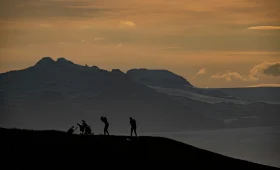
Kyanjin Gompa is a high-altitude settlement and Buddhist monastery located at 3,870 meters (12,697 feet) in the upper Langtang Valley of Nepal. It serves as the destination and turnaround point for the Langtang Valley Trek, offering teahouse accommodation, a seasonal cheese factory, and access to two viewpoint peaks: Kyanjin Ri (4,773 m) and Tserko Ri (4,984 m). The settlement sits directly beneath Langtang Lirung (7,234 m), whose south face dominates the northern skyline.
Kyanjin Gompa Langtang significance comes from its position at the head of the Langtang Valley, surrounded by glacial moraines, yak pastures, and 6,000-7,000 meter peaks. It is the highest permanent settlement on the Langtang trekking route and functions as the acclimatization base before any high-altitude day hikes.
Kyanjin Gompa Nepal offers one of the most accessible high-Himalayan experiences in the country. Unlike Everest Base Camp, which requires a domestic flight, Kyanjin Gompa is reached entirely by road and trail from Kathmandu. This accessibility, combined with dramatic mountain scenery and authentic Tamang culture, makes it a compelling destination for trekkers.
Kyanjin Gompa trek planning should begin with understanding that the settlement is not a single building — it is a small village with multiple teahouses, a monastery, and seasonal facilities. The name combines “Kyanjin” (a local term possibly referring to the surrounding landscape) with “Gompa” (the Tibetan term for monastery). Merriment Treks includes Kyanjin Gompa as the high point of its Langtang Valley Trek packages.
What Is Kyanjin Gompa?
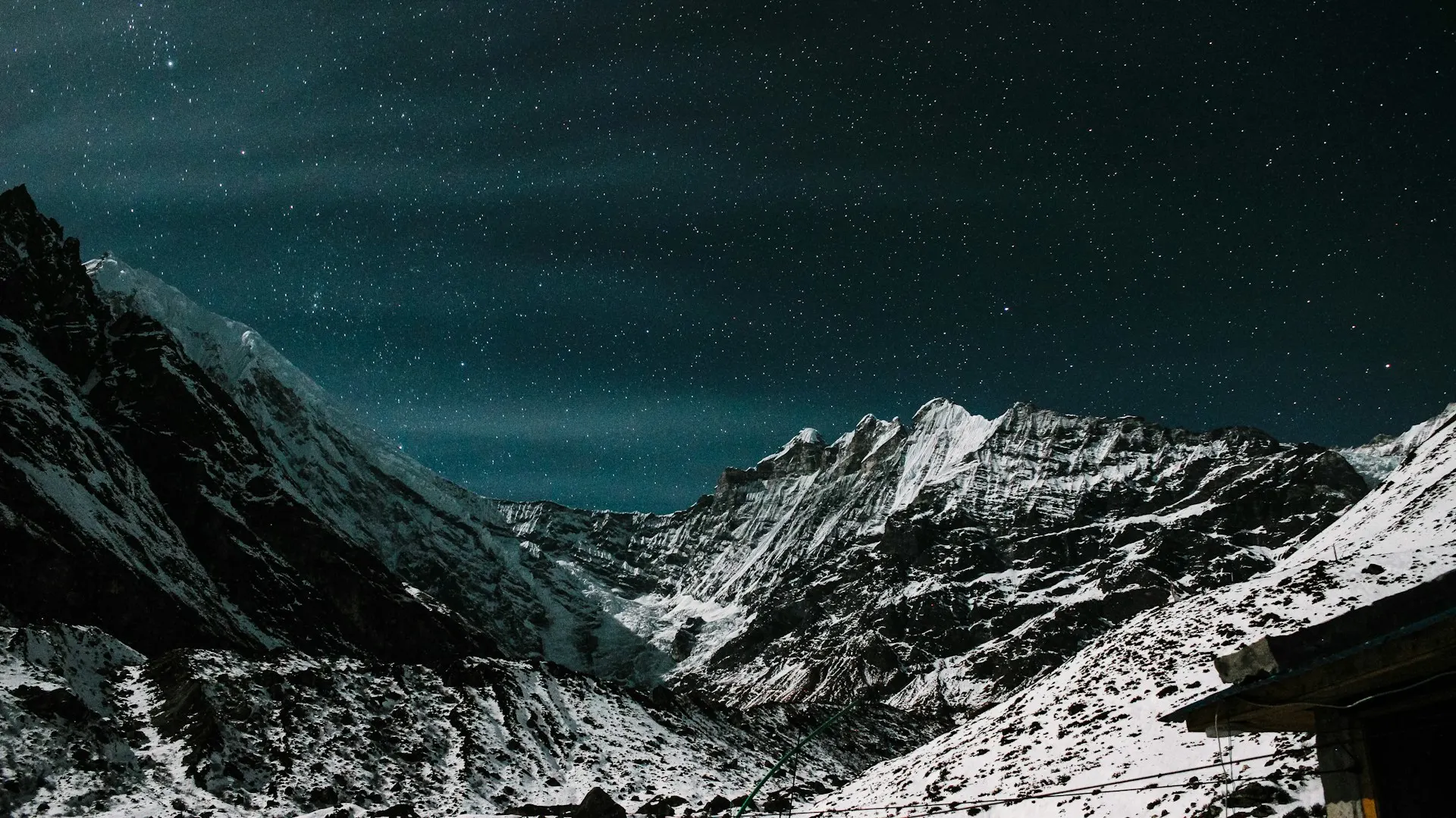
Kyanjin Gompa refers to both a settlement and a monastery in the upper Langtang Valley. The settlement consists of teahouses, seasonal residences, and the monastery that gives the place its name. For trekkers, Kyanjin Gompa is the destination — the highest point reached on the standard Langtang Valley Trek.
The settlement sits in a broad glacial valley where the Langtang Khola river begins its descent. The surrounding terrain is alpine: yak pastures, rocky moraines, and glacial streams. Trees disappear entirely at this elevation, replaced by low shrubs and hardy grasses.
Kyanjin Gompa village is small. Permanent residents are few, with most people living here seasonally during trekking months. During peak seasons (March-May and October-November), the population swells with trekkers, guides, porters, and seasonal workers.
Kyanjin Gompa monastery is a modest but active Buddhist religious site. It serves the spiritual needs of local Tamang communities and visiting trekkers. The monastery is open to visitors who show appropriate respect — remove shoes, ask before photographing, and avoid disturbing any ceremonies.
The distinction between settlement and monastery matters. When trekkers say “I’m staying at Kyanjin Gompa,” they mean the settlement. When they say “I visited Kyanjin Gompa monastery,” they mean the religious building. Both are correct uses, but they refer to different aspects of the same place.
Where Is Kyanjin Gompa Located?
Kyanjin Gompa location places it in the upper Langtang Valley, within Langtang National Park, Rasuwa District, Bagmati Province, Nepal. The settlement sits approximately 30 kilometers (by trail) from Syabrubesi, the road-connected gateway town.
The geographic coordinates are approximately 28°13′N latitude and 85°34′E longitude. Kyanjin Gompa lies at the valley’s head, where the Langtang Khola emerges from glacial sources and the valley widens into a broad alpine basin.
Kyanjin Gompa distance from key points:
| Location | Distance (by trail) | Approximate Trekking Time |
|---|---|---|
| Syabrubesi | 30 km | 4-5 days (with stops) |
| Lama Hotel | 19 km | 3-4 days |
| Ghodatabela | 12 km | 2 days |
| Langtang Village | 7 km | 1 day (3-4 hours) |
| Kyanjin Ri | 3 km | 3-4 hours (uphill) |
| Tserko Ri | 4 km | 4-5 hours (uphill) |
The route from Syabrubesi follows the Langtang Khola upstream, passing through forest, villages, and eventually alpine terrain. The final approach to Kyanjin Gompa is relatively gradual compared to earlier days, following the open valley floor.
Kyanjin Gompa Langtang Valley relationship is direct: the settlement is the valley’s highest permanent habitation and the endpoint for standard trekking itineraries.
How High Is Kyanjin Gompa?
Kyanjin Gompa altitude is 3,870 meters (12,697 feet) above sea level. This elevation places it in the high alpine zone, where the effects of altitude become noticeable for most people.
At 3,870 meters, the air contains approximately 62% of the oxygen available at sea level. This affects physical exertion, sleep quality, and overall energy levels. Most trekkers notice shortness of breath when walking uphill, reduced appetite, and difficulty sleeping during their first night.
Kyanjin Gompa elevation is significant because it serves as the acclimatization base for higher viewpoints. Spending 1-2 nights at this altitude allows the body to adjust before attempting Kyanjin Ri (4,773 m) or Tserko Ri (4,984 m).
Altitude comparison:
| Location | Elevation |
|---|---|
| Kathmandu | 1,400 m |
| Syabrubesi | 1,550 m |
| Lama Hotel | 2,470 m |
| Langtang Village | 3,430 m |
| Kyanjin Gompa | 3,870 m |
| Kyanjin Ri | 4,773 m |
| Tserko Ri | 4,984 m |
| Langtang Lirung summit | 7,234 m |
The jump from Langtang Village (3,430 m) to Kyanjin Gompa (3,870 m) is only 440 meters — a manageable gain that allows the body to adjust gradually. This is why Kyanjin Gompa works well as an acclimatization stop.
Why Is Kyanjin Gompa Important?
Kyanjin Gompa importance extends beyond being a trekking destination. The settlement serves multiple functions:
Geographic significance: Kyanjin Gompa sits at the confluence of the Langtang Valley and the glacial terrain of the upper Langtang Himal. It is the last habitation before the valley gives way to glaciers, moraines, and high peaks.
Cultural significance: The monastery represents the Buddhist heritage of the Tamang people. It is not a museum but a living religious site where local communities practice their faith. Its presence gives the settlement its name and its identity.
Trekking significance: Kyanjin Gompa is the standard turnaround point for the Langtang Valley Trek. It offers the infrastructure (teahouses, food, shelter) that makes extended high-altitude trekking possible. The settlement’s facilities allow trekkers to rest, refuel, and prepare for viewpoint climbs.
Acclimatization significance: The settlement’s elevation makes it the natural base for altitude adaptation. Spending a rest day here prepares trekkers for Kyanjin Ri or Tserko Ri. Rushing directly to a viewpoint without acclimatizing at Kyanjin increases altitude sickness risk.
Economic significance: Kyanjin Gompa provides seasonal employment for local people through teahouse work, guiding, portering, and cheese production. Tourism at Kyanjin contributes directly to the local economy.
Kyanjin Gompa Monastery
Kyanjin Gompa monastery is a small Buddhist monastery serving the upper Langtang Valley. It is an active religious site, not merely a tourist attraction.
The monastery follows Tibetan Buddhist traditions, consistent with the Tamang people’s religious practices. The building is modest — smaller than major monasteries in Kathmandu or Tibet — but holds deep meaning for local communities.
What visitors can see: The monastery interior contains Buddhist statuary, thangka paintings (religious scroll art), and ritual objects. During religious festivals or special occasions, ceremonies may be held. Visitors are generally welcome to observe quietly.
Monastery etiquette:
-
Remove shoes before entering
-
Ask permission before photographing the interior
-
Do not touch religious objects or statues
-
Walk clockwise around the building if circumambulating
-
Speak quietly and avoid disrupting prayers
-
Consider making a small donation to support maintenance
Kyanjin Gompa monastery history: The exact founding date is difficult to verify from available sources, but the monastery has served the upper Langtang Valley for generations. It predates modern trekking tourism and remains central to local spiritual life.
For trekkers, visiting the monastery adds cultural depth to what is otherwise primarily a mountain experience. The contrast between the ancient monastery and the dramatic peaks behind it creates the enduring image of Kyanjin Gompa.
What Can You See Around Kyanjin Gompa?
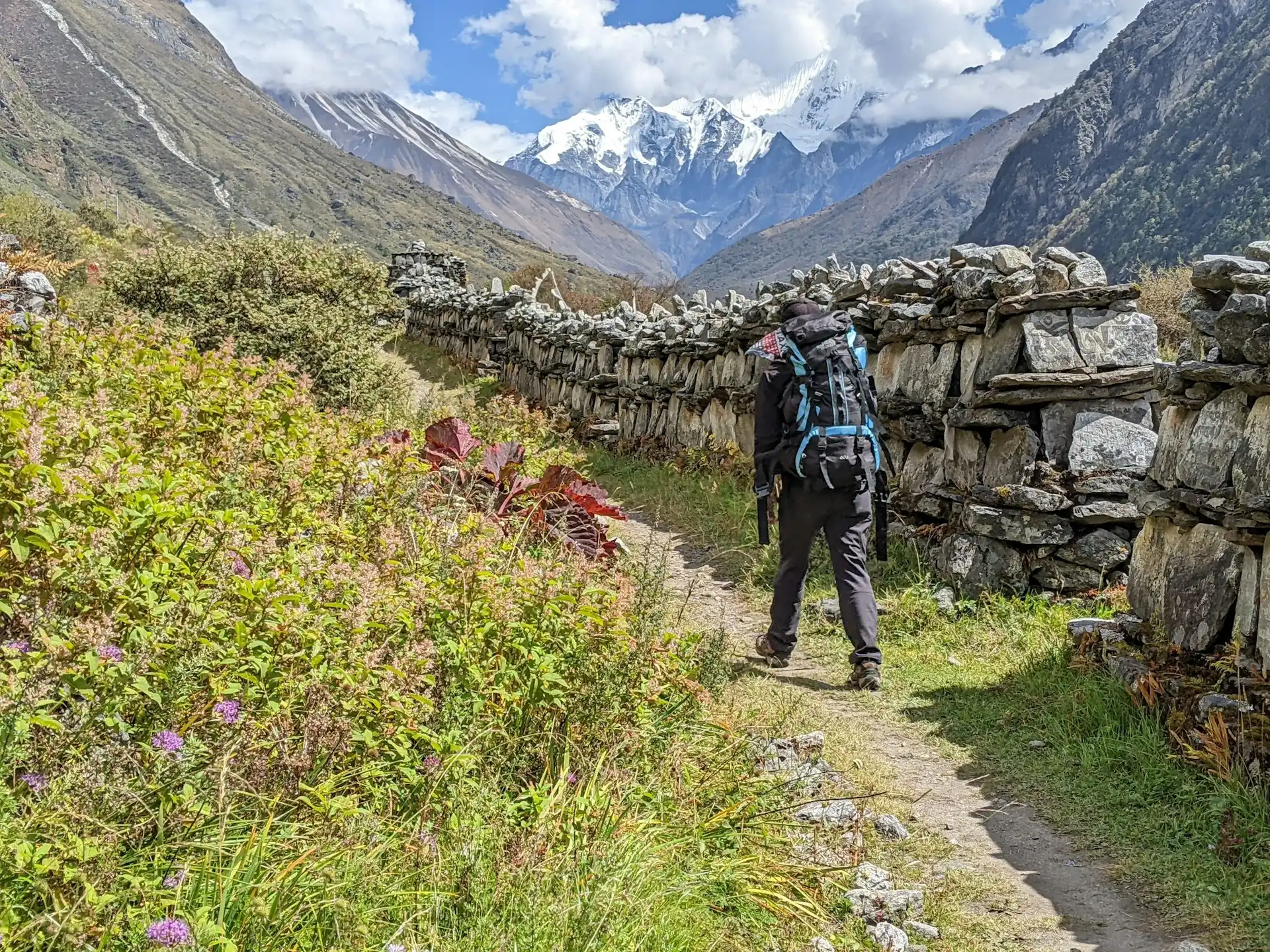
Kyanjin Gompa views are among the most dramatic in Nepal trekking. The settlement sits in a natural amphitheater surrounded by high peaks.
Langtang Lirung (7,234 m): The dominant mountain, visible directly north of Kyanjin Gompa. Its south face rises over 3,000 meters from the valley floor, creating a wall of rock and ice. The mountain’s presence defines the visual character of Kyanjin.
Dorje Lakpa (6,966 m): Visible to the east, this peak’s distinctive shape is recognizable from multiple points around Kyanjin.
Kimshung (6,781 m): Located northwest, this peak is less prominent but visible from higher viewpoints.
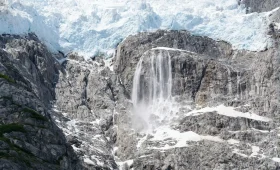
Glacial features: The Langtang Glacier and Lirung Glacier are visible from trails above Kyanjin. The debris-covered glacier surfaces appear as rocky plains — deceptively ordinary-looking terrain that hides crevasses and ice beneath.
Yak pastures: The valley floor around Kyanjin is used as summer grazing for yaks. Visitors often encounter yak herds, sometimes with herders. Yaks are large and generally docile but should be given space.
Mani walls and chortens: Buddhist stone structures are scattered around the settlement. These carry religious significance and should be respected (walk clockwise around them).
Kyanjin Ri vs Tserko Ri
Kyanjin Ri and Tserko Ri are the two main viewpoint peaks accessible from Kyanjin Gompa. Both offer panoramic views of Langtang Lirung and the surrounding range, but they differ significantly in difficulty and altitude.
| Factor | Kyanjin Ri | Tserko Ri |
|---|---|---|
| Elevation | 4,773 m | 4,984 m |
| Distance from Kyanjin Gompa | 3 km one-way | 4 km one-way |
| Elevation gain | 903 m | 1,114 m |
| Typical ascent time | 3-4 hours | 4-5 hours |
| Typical descent time | 2-3 hours | 2-3 hours |
| Difficulty | Moderate-strenuous | Strenuous |
| Altitude exposure | Moderate | High (approaching 5,000 m) |
| Views | Langtang Lirung, Langtang Valley | Wider panorama, more peaks |
| Best for | Most trekkers | Stronger, well-acclimatized trekkers |
Kyanjin Ri is the better choice for most trekkers. It offers excellent views with less altitude risk and less physical strain. The climb is steep but achievable for fit trekkers who have properly acclimatized.
Tserko Ri approaches 5,000 meters — a significant altitude threshold. It should only be attempted by trekkers who feel strong at Kyanjin Gompa, show no altitude symptoms, and have adequate time. The extra elevation provides a wider panorama, but the risk is proportionally higher.
Kyanjin Ri vs Tserko Ri decision framework: If you have one day for a viewpoint climb, choose Kyanjin Ri. If you have two days and feel strong, do Kyanjin Ri first, then decide on Tserko Ri based on how you feel.
Both climbs are non-technical hikes. No climbing equipment is required. Both require good weather, proper acclimatization, and reasonable fitness.
Langtang Lirung and the Mountains Around Kyanjin Gompa
Langtang Lirung is the defining mountain of the Kyanjin Gompa experience. At 7,234 meters, it towers over the settlement, its south face rising directly from the valley floor.
The mountain’s south face is one of the most impressive sights in Nepal trekking. From Kyanjin Gompa, trekkers look up at a continuous wall of rock, ice, and snow that rises over 3,000 meters. The face changes character throughout the day as sunlight moves across it — shadowed in morning, glowing in afternoon, and catching the last light in evening.
Other mountains visible from Kyanjin Gompa:
| Peak | Elevation | Location Relative to Kyanjin |
|---|---|---|
| Langtang Lirung | 7,234 m | North |
| Kimshung | 6,781 m | Northwest |
| Dorje Lakpa | 6,966 m | East |
| Langshisa Ri | 6,427 m | Northeast |
| Gangchenpo | 6,387 m | West |
Langtang Lirung climbing: The peak was first climbed in 1978 by a Japanese expedition. It remains a serious mountaineering objective with significant objective danger. Trekkers do not climb Langtang Lirung — they observe it from below.
The mountain’s proximity to Kyanjin Gompa creates a unique experience. Few trekking destinations allow you to sit in a teahouse and look up at a 7,000-meter peak directly overhead. This intimacy with high mountains is what makes Kyanjin Gompa special.
Kyanjin Gompa Cheese Factory
Kyanjin Gompa cheese factory is a small operation producing yak cheese. Its presence at high altitude is unusual and adds to the settlement’s character.
The factory was established with Swiss assistance, reflecting a collaboration between Nepal and Switzerland in alpine dairy techniques. The Swiss connection makes sense — Switzerland has centuries of experience producing cheese in high mountain environments.
What the factory produces: Yak cheese, made from the milk of yaks grazing in the surrounding pastures. The cheese is a hard, aged variety, suitable for the long periods between production and consumption.
Seasonal operation: The factory operates seasonally, typically during trekking seasons when yak milk is available and staff are present. During winter months, production may pause.
What trekkers can expect: The factory is a small building, not a large industrial facility. Visitors may see cheese-making equipment and possibly observe the process. Some teahouses serve cheese produced here — a nice addition to otherwise standard trekking menus.
Cultural context: The cheese factory represents adaptation to high-altitude life. It provides local employment and produces a product that trekkers can actually purchase and consume, creating a tangible connection between tourism and local economy.
How to Reach Kyanjin Gompa
Kyanjin Gompa trek access begins in Kathmandu. The journey has two stages: road transport to Syabrubesi, then trekking through the Langtang Valley.
Stage 1: Kathmandu to Syabrubesi (road):
| Transport Option | Duration | Cost (per person) | Comfort |
|---|---|---|---|
| Public bus | 8-10 hours | USD 10-14 | Basic |
| Tourist bus | 7-9 hours | USD 18-25 | Moderate |
| Shared jeep | 6-8 hours | USD 20-30 | Moderate |
| Private jeep | 6-7 hours | USD 120-180 (total) | Best |
Stage 2: Syabrubesi to Kyanjin Gompa (trekking):
| Day | Route | Elevation Change | Trekking Time |
|---|---|---|---|
| 1 | Syabrubesi to Lama Hotel | +920 m | 5-6 hours |
| 2 | Lama Hotel to Ghodatabela | +550 m | 4-5 hours |
| 3 | Ghodatabela to Langtang Village | +410 m | 3-4 hours |
| 4 | Langtang Village to Kyanjin Gompa | +440 m | 3-4 hours |
Total trekking distance from Syabrubesi to Kyanjin Gompa is approximately 30 kilometers. Most trekkers take 4-5 days to reach Kyanjin, allowing for gradual acclimatization.
Merriment Treks includes all transportation and trekking logistics in Langtang Valley Trek packages, with guides handling navigation, teahouse bookings, and permit requirements.
How Long Does the Kyanjin Gompa Trek Take?
Kyanjin Gompa trek duration varies based on starting point and itinerary choices.
Standard from Kathmandu: 8-10 days total, including road transport, trekking, acclimatization, and return.
Trekking days from Syabrubesi: 4-5 days to reach Kyanjin Gompa, 2-3 days to return.
Typical 9-day itinerary:
| Day | Activity |
|---|---|
| 1 | Drive Kathmandu to Syabrubesi |
| 2 | Trek Syabrubesi to Lama Hotel |
| 3 | Trek Lama Hotel to Ghodatabela |
| 4 | Trek Ghodatabela to Langtang Village |
| 5 | Trek Langtang Village to Kyanjin Gompa |
| 6 | Acclimatization at Kyanjin (optional Kyanjin Ri) |
| 7 | Trek Kyanjin Gompa to Lama Hotel |
| 8 | Trek Lama Hotel to Syabrubesi |
| 9 | Drive Syabrubesi to Kathmandu |
Why stay longer at Kyanjin: Extra nights allow for Kyanjin Ri, Tserko Ri, glacier viewpoints, and better acclimatization. A single night at Kyanjin Gompa means either skipping viewpoints or attempting them without proper altitude adjustment.
Merriment Treks offers flexible itineraries with options for extended stays at Kyanjin Gompa.
Accommodation and Food at Kyanjin Gompa
Kyanjin Gompa accommodation consists of teahouses — simple mountain guesthouses offering private rooms and communal dining areas.
What to expect:
-
Private rooms with two single beds
-
Shared toilets (some attached bathrooms available)
-
Foam mattresses, pillows, and blankets provided
-
No room heating (dining room has a stove)
-
Hot showers available for USD 2-4
-
Electricity for charging (USD 2-4 per device)
Room costs: USD 3-8 per night, assuming you eat meals at the same teahouse.
Kyanjin Gompa food follows standard Langtang teahouse menus:
| Food Item | Cost (USD) |
|---|---|
| Dal bhat (unlimited refills) | 5-7 |
| Fried rice | 4-5 |
| Noodle soup | 3-4 |
| Momos (10 pieces) | 5-7 |
| Pasta | 5-7 |
| Pancakes | 3-4 |
| Porridge | 2-3 |
| Tea (milk) | 1-1.50 |
| Coffee | 2-4 |
The cheese factory’s yak cheese may be available as a menu item — worth trying.
Altitude and Acclimatization
Kyanjin Gompa altitude of 3,870 meters requires proper acclimatization. The body needs time to adjust to reduced oxygen levels.
Why acclimatization matters: The ascent from Syabrubesi (1,550 m) to Kyanjin Gompa (3,870 m) covers over 2,300 meters in just 4-5 days. This exceeds the recommended ascent rate above 3,000 meters (300-500 meters per day).
How to acclimatize properly:
-
Follow a gradual itinerary (avoid 7-day rush versions)
-
Spend at least one full rest day at Kyanjin Gompa
-
Stay hydrated (3-4 liters daily)
-
Avoid alcohol and sleeping pills
-
Climb high, sleep low (do short hikes, return to sleep at lower elevation)
-
Monitor for symptoms: headache, nausea, dizziness, fatigue
Altitude sickness symptoms: These typically develop 6-24 hours after ascending too quickly. Symptoms include headache, loss of appetite, nausea, dizziness, and disturbed sleep. Any concerning symptoms should be reported to your guide immediately.
Kyanjin Gompa acclimatization strategy: Spend your first night at Kyanjin resting. On your second day, consider a gentle hike toward Kyanjin Ri without committing to the full climb. If you feel strong the following day, attempt the full viewpoint.
Your guide monitors your condition throughout. Descent is the treatment for worsening symptoms.
Best Time to Visit Kyanjin Gompa
Kyanjin Gompa weather varies significantly by season.
March to May (Spring):
-
Daytime temperatures: 10-15°C
-
Nighttime: -5 to 0°C
-
Clear mornings, possible afternoon clouds
-
Rhododendrons blooming at lower elevations
-
Good overall conditions
October to November (Autumn):
-
Daytime temperatures: 10-15°C
-
Nighttime: -5 to 0°C
-
Clearest skies, best visibility
-
Busiest season
-
Optimal for mountain photography
December to February (Winter):
-
Daytime temperatures: 0-5°C
-
Nighttime: -15 to -10°C
-
Clear but cold
-
Snow at higher elevations
-
Few trekkers, peaceful trails
-
Requires proper gear
June to September (Monsoon):
-
Rain, leeches, landslides
-
Limited visibility
-
Road to Syabrubesi prone to disruption
-
Not recommended
Kyanjin Gompa best time: March-May and October-November offer the best balance of weather, visibility, and comfortable temperatures.
Kyanjin Gompa After the 2015 Earthquake
Kyanjin Gompa was affected by the 2015 earthquake, though the damage was less severe than at Langtang Village below.
The magnitude 7.8 earthquake triggered avalanches throughout the Langtang Valley. Langtang Village, located 7 kilometers below Kyanjin Gompa, was destroyed when an avalanche swept through the settlement. The death toll was catastrophic.
Kyanjin Gompa itself experienced structural damage to some buildings, but the settlement was not destroyed. The monastery and most teahouses survived, though repairs were needed.
Recovery since 2015: Teahouses have been repaired and reopened. The monastery continues to function. The trail between Langtang Village and Kyanjin Gompa was restored within two years. By 2026, infrastructure at Kyanjin Gompa is fully operational.
What changed: The 2015 earthquake altered the landscape. Avalanche debris changed the valley floor in places. Langtang Village was rebuilt smaller than before. For trekkers, the journey through Langtang Village to Kyanjin Gompa now passes through a community still recovering — a reminder of the region’s vulnerability and resilience.
Is Kyanjin Gompa Suitable for Beginners?
Kyanjin Gompa for beginners: Yes, with proper preparation.
The trek to Kyanjin Gompa requires no technical skills. The trail is well-established, the pace can be adjusted, and teahouses provide comfort each night. Fit beginners with pre-trek training can complete the journey.
What beginners should know:
-
The first trekking day (Syabrubesi to Lama Hotel) is the most physically demanding
-
Altitude adds strain above 3,000 meters
-
The trek requires consecutive days of 4-6 hours walking
-
Proper acclimatization is essential
-
Weather can change quickly
-
Mental preparation matters as much as physical
What beginners should NOT attempt:
-
Tserko Ri without proper acclimatization
-
Rushing the trek in 7 days or fewer
-
Trekking without a licensed guide (mandatory since 2023)
-
Ignoring altitude sickness symptoms
Merriment Treks offers beginner-friendly itineraries with appropriate pacing, acclimatization days, and experienced guides.
Responsible Tourism at Kyanjin Gompa
Kyanjin Gompa responsible tourism practices protect the cultural and environmental integrity of this high-altitude settlement.
Cultural respect:
-
Walk clockwise around mani walls, chortens, and the monastery
-
Remove shoes before entering the monastery
-
Ask permission before photographing people or religious ceremonies
-
Dress modestly in religious spaces
-
Speak quietly in the monastery
Environmental practices:
-
Carry reusable water bottles and purification systems
-
Pack out all non-biodegradable waste
-
Stay on marked trails
-
Do not disturb wildlife or yak herds
-
Minimize plastic consumption
Economic practices:
-
Eat at local teahouses
-
Consider purchasing local products (including cheese)
-
Tip guides and porters fairly
-
Support ethical trekking companies
Merriment Treks follows responsible tourism principles, ensuring guides receive fair wages and minimizing environmental impact.
Plan Your Kyanjin Gompa Langtang With Merriment Treks
Merriment Treks offers guided Langtang Valley Trek packages that include Kyanjin Gompa as the destination and turnaround point.
What a package includes:
-
Langtang National Park permits and TIMS card
-
Transportation from Kathmandu to Syabrubesi and return
-
Licensed, insured trekking guide
-
Teahouse accommodation throughout the trek
-
Full-board meals (breakfast, lunch, dinner)
-
Porter service (optional)
-
Acclimatization day at Kyanjin Gompa
-
Emergency support
What to discuss when booking:
-
Your fitness level and trekking experience
-
Whether you want to climb Kyanjin Ri, Tserko Ri, or both
-
How many nights you want at Kyanjin Gompa
-
Group vs private trek preference
-
Porter needs
-
Dietary requirements
Merriment Treks provides transparent pricing with clear inclusions and exclusions. Contact the company for a personalized Kyanjin Gompa trek quote based on your dates and preferences.
Frequently Asked Questions about Kyanjin Gompa Langtang
1. What is Kyanjin Gompa?
Kyanjin Gompa is a high-altitude settlement and Buddhist monastery at 3,870 meters in the upper Langtang Valley. It serves as the destination for the Langtang Valley Trek.
2. How high is Kyanjin Gompa?
Kyanjin Gompa sits at 3,870 meters (12,697 feet) above sea level.
3. Is Kyanjin Gompa a monastery or a village?
Both. Kyanjin Gompa refers to both the settlement (teahouses, cheese factory, seasonal residences) and the monastery that gives the place its name.
4. Can I visit the Kyanjin Gompa monastery?
Yes. The monastery is open to visitors who show respect — remove shoes, ask before photographing, and avoid disturbing ceremonies.
5. What is the Kyanjin Gompa cheese factory?
The cheese factory is a small operation producing yak cheese, established with Swiss assistance. It operates seasonally.
6. How long does it take to reach Kyanjin Gompa?
The trek from Syabrubesi takes 4-5 days. From Kathmandu, including road transport, the journey takes 5-6 days to reach Kyanjin Gompa.
7. What is the difference between Kyanjin Ri and Tserko Ri?
Kyanjin Ri is 4,773 meters and takes 3-4 hours to climb. Tserko Ri is 4,984 meters and takes 4-5 hours. Tserko
Ri is 4,984 meters and takes 4-5 hours. Tserko Ri is more demanding and requires better acclimatization.
8. Do I need a guide to trek to Kyanjin Gompa?
Yes. Since April 2023, all foreign trekkers in Langtang National Park must hire a licensed guide.
9. What is the best time to visit Kyanjin Gompa?
March to May and October to November offer the best weather and visibility. Winter is cold but clear. Monsoon (June-September) is not recommended.
10. What accommodation is available at Kyanjin Gompa?
Teahouses offer private rooms with shared toilets. Room costs are USD 3-8 per night. Hot showers and charging are available for additional fees.
11. Can beginners trek to Kyanjin Gompa?
Yes. The trek requires no technical skills. Fit beginners with proper preparation and acclimatization can complete it.
12. What mountains can I see from Kyanjin Gompa?
Langtang Lirung (7,234 m) dominates the view. Dorje Lakpa, Kimshung, Langshisa Ri, and Gangchenpo are also visible.
13. Was Kyanjin Gompa affected by the 2015 earthquake?
Kyanjin Gompa experienced structural damage but was not destroyed. The settlement has been repaired and is fully operational by 2026.
14. Is there WiFi at Kyanjin Gompa?
Some teahouses offer WiFi for USD 3-5 per day, but connections are slow and unreliable. Mobile data is intermittent.
15. How many nights should I stay at Kyanjin Gompa?
At least two nights — one for acclimatization and one for viewpoint climbs. Three nights allows for both Kyanjin Ri and Tserko Ri.