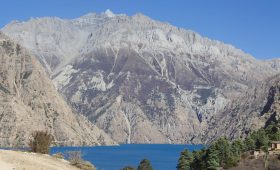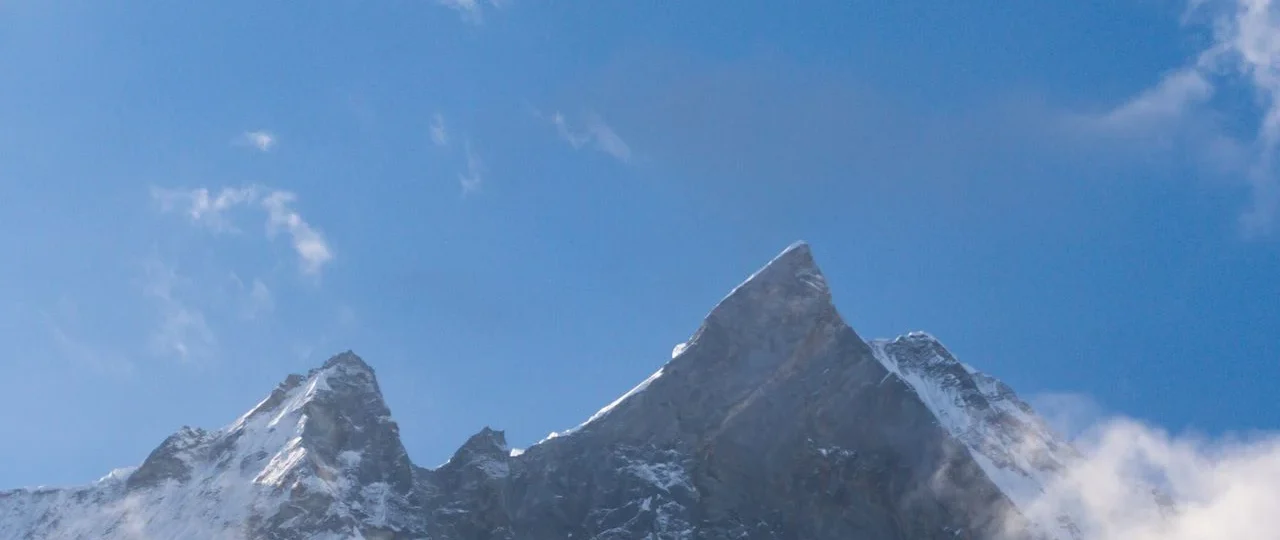
Mardi Himal Base Camp sits at 4,500 meters on a narrow ridge below the summit of Mardi Himal (5,587m), offering some of the most dramatic close-up mountain views in Nepal’s Annapurna region. Unlike the more famous Annapurna Base Camp trek, the Mardi Himal Base Camp route remains comparatively uncrowded while delivering a front-row seat to Machhapuchhre’s iconic fishtail peak, Annapurna South, and Hiunchuli .
This complete Mardi Himal Base Camp trek guide covers everything you need for 2026: altitude, route, difficulty, permits, cost, and practical planning advice. Whether you’re a first-time Himalayan trekker or an experienced hiker looking for a shorter adventure, this guide will help you decide if Mardi Himal Base Camp is right for you.
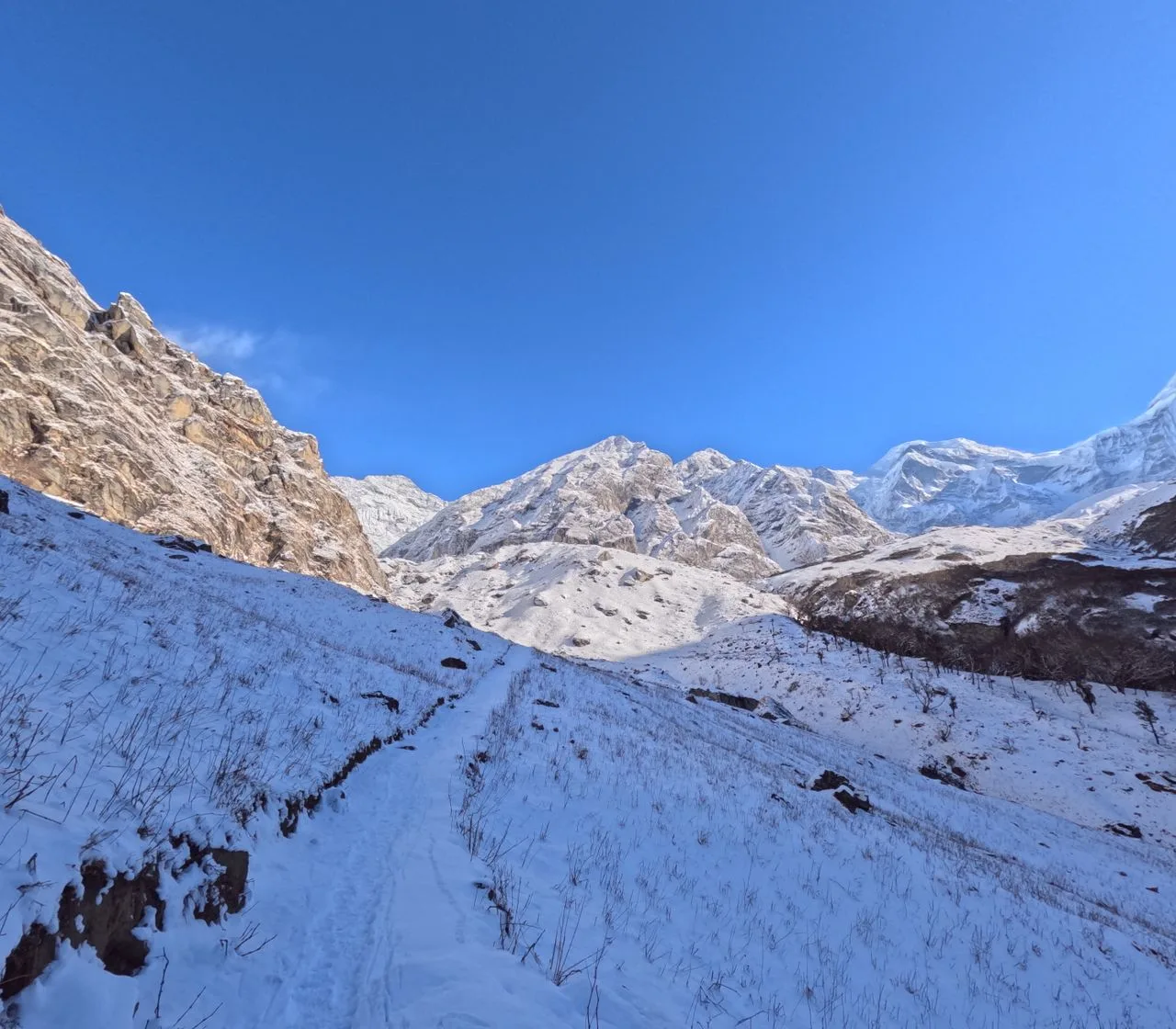
Quick Facts: Mardi Himal Base Camp
| Detail | Information |
|---|---|
| Base Camp altitude | 4,500 meters (14,760 ft) |
| Mardi Himal summit | 5,587 meters |
| High Camp altitude | 3,580–3,700 meters |
| Upper Viewpoint altitude | ~3,580 meters |
| Starting trailhead | Kande (1,770m), 1 hour from Pokhara |
| Trek duration | 4–7 days |
| Difficulty | Moderate |
| Best seasons | March–May, September–November |
| ACAP permit | NPR 3,000 (~$22-23) |
| TIMS card | NPR 1,000-2,000 (~$7-15) |
| Guide required | Yes, by law since 2023 |
What Is Mardi Himal Base Camp?
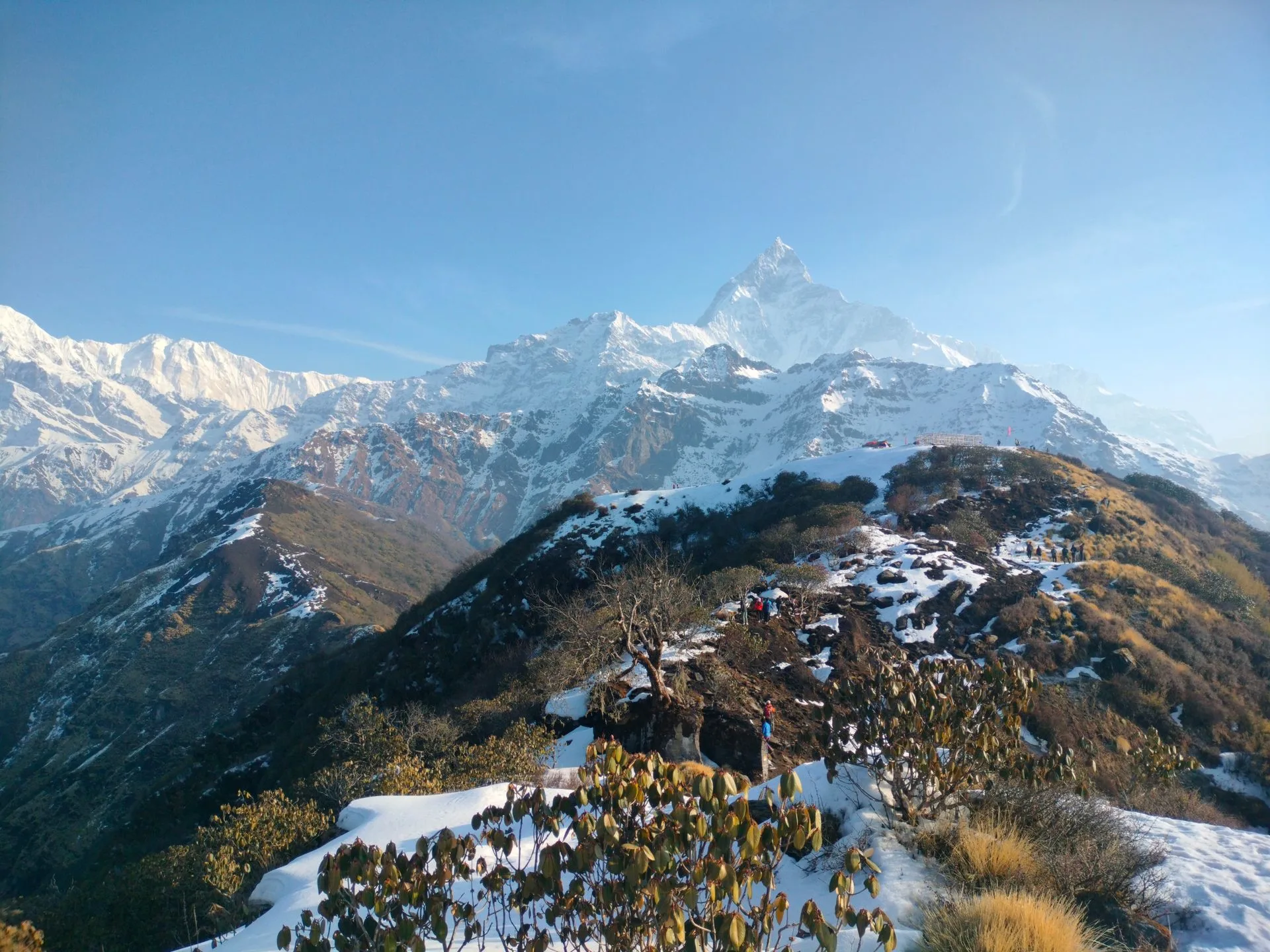
Mardi Himal Base Camp is the high point of one of Nepal’s most rewarding short treks—but the name can be misleading. Unlike Everest Base Camp or Annapurna Base Camp, Mardi Himal Base Camp is not a place where trekkers sleep. It’s a day-return viewpoint reached from High Camp before sunrise, where you stand directly below the south face of Machhapuchhre .
The Mardi Himal Base Camp trek follows a ridge through rhododendron forest, climbing through several named camps before reaching the final viewpoint. The trail is well-marked and teahouses appear at regular intervals, making it accessible even for first-time trekkers .
The Terminology Confusion
One of the biggest sources of confusion about Mardi Himal Base Camp is the terminology. The trek has three distinct destinations, and many operators use them interchangeably:
| Destination | Altitude | Distance from High Camp | What’s There |
|---|---|---|---|
| High Camp | 3,580–3,700m | Starting point | Sleeping lodges, last meals, limited accommodation |
| Upper Viewpoint | ~3,580m | 30–45 minutes | Good views of Annapurna range, accessible to most trekkers |
| Mardi Himal Base Camp | 4,500m | 2–2.5 hours one way | Close-up views of Machhapuchhre’s south face, Mardi Himal summit |
Some operators market the Upper Viewpoint as “Mardi Himal Base Camp” . When booking a Mardi Himal Base Camp trek, always clarify which destination your itinerary actually reaches.
Mardi Himal Base Camp vs Upper Viewpoint: Which Should You Choose?
The Mardi Himal Base Camp and Upper Viewpoint offer very different experiences :
Upper Viewpoint (3,580m)
-
30-45 minutes from High Camp
-
Manageable for fit beginners
-
80% of the views with 60% of the effort
-
Annapurna South, Hiunchuli, and Machhapuchhre visible
Mardi Himal Base Camp (4,500m)
-
2-2.5 hours from High Camp (one way)
-
Steep, rocky terrain requiring careful footing
-
Nearly 900m higher than the Viewpoint
-
Silence, solitude, and Machhapuchhre close enough to touch
-
Microspikes recommended in late autumn or early spring
If you’re short on time or new to trekking, the Upper Viewpoint delivers an excellent experience. If you want the full Mardi Himal Base Camp experience and have the fitness, the extra effort is worth it .
Route to Mardi Himal Base Camp
The standard Mardi Himal Base Camp route begins at Kande (1,770m), a one-hour drive from Pokhara. The trail climbs through forest and open ridge, passing through several named camps:
Day-by-day progression:
| Day | Route | Altitude | Walking Time |
|---|---|---|---|
| 1 | Kande → Deurali | 1,770m → 2,125m | 3–4 hours |
| 2 | Deurali → Forest Camp → Low Camp | 2,125m → 2,550m → 3,050m | 5–6 hours |
| 3 | Low Camp → High Camp | 3,050m → 3,580m | 4–6 hours |
| 4 | High Camp → Mardi Himal Base Camp → Badal Danda | 3,580m → 4,500m → descent | 6–7 hours |
| 5 | Badal Danda → Siding → Pokhara | Descent | 4–5 hours + drive |
[Source: 4-day and 5-day itineraries from established operators]
Alternative Starting Points
Some Mardi Himal Base Camp treks begin from Lwang Ghalel, a traditional Gurung village. This alternative route provides cultural immersion before joining the main ridge trail . The Lwang Ghalel route offers a more authentic village experience but is less commonly used than the Kande approach.
The Final Day: High Camp to Mardi Himal Base Camp
The climb from High Camp to Mardi Himal Base Camp is the highlight and the challenge of the trek:
-
Start time: 4:00–4:30 AM for sunrise at the viewpoint
-
Duration up: 2–2.5 hours
-
Duration down: 1.5–2 hours
-
Total for the day: 6–7 hours including descent to Badal Danda
-
Terrain: Narrow rocky ridge, steepening significantly near the top
At Mardi Himal Base Camp (4,500m), the view is immediate and overwhelming. Machhapuchhre’s razor-sharp south face rises directly ahead, close enough to see individual seracs. Annapurna South (7,219m), Hiunchuli, and Mardi Himal itself complete a 180-degree mountain panorama .
Weather note: Cloud cover can obscure views. October mornings have clear views roughly 3 days out of 7 . Adding a spare day at High Camp allows you to attempt the Mardi Himal Base Camp excursion on a clearer morning.
Do People Sleep at Mardi Himal Base Camp?
No. There is no accommodation at Mardi Himal Base Camp . Trekkers start from High Camp, make the climb, spend 30–60 minutes at the viewpoint, then return to High Camp for breakfast or continue descending to Badal Danda.
Mardi Himal Base Camp Difficulty
The Mardi Himal Base Camp trek is classified as moderate . Here’s what that means in practice:
What Makes It Moderate
-
Daily walking: 4–7 hours with elevation gains of 500–800m per day
-
Steep sections: The climb from Low Camp to High Camp involves a steep ridgeline with grades exceeding 14% on average
-
Altitude: Sleeping at 3,580m (High Camp) and climbing to 4,500m means altitude sickness risk is real
-
Terrain: The final section requires careful footing on rocky, uneven trail
Is It Suitable for Beginners?
Yes, with preparation. The Mardi Himal Base Camp trek is one of the best options for first-time Himalayan trekkers because :
-
It’s shorter than ABC (4–7 days vs 7–12 days)
-
It has regular teahouses and well-marked trails
-
It’s less crowded than Poon Hill and ABC
-
The altitude is manageable with proper acclimatization
However, “beginner-friendly” does not mean “no preparation”:
-
Practice walking 4–6 hours with light weight
-
Do hill walking or stair climbing 3–4 times per week
-
Consider a 6–7 day itinerary for better acclimatization
-
Spend at least a day in Pokhara (1,400m) before starting
Which Itinerary Length Is Best?
| Itinerary | Days | Best For |
|---|---|---|
| 4-day | Fast | Fit trekkers short on time |
| 5-day | Standard | Most trekkers |
| 6-day | Recommended | Better acclimatization, more time at viewpoints |
| 7-day | Best | Acclimatization day, weather flexibility, highest success rate |
The 4-day option exists but is rushed, with limited acclimatization . The 7-day version includes a rest day at High Camp, helping reduce altitude sickness risk and providing a spare sunrise attempt at Mardi Himal Base Camp.
Permits for Mardi Himal Base Camp
Two permits are required for the Mardi Himal Base Camp trek :
ACAP Permit (Annapurna Conservation Area Project)
-
Cost: NPR 3,000 (~$22-23)
-
Purpose: Conservation area entry and funding
-
Managed by: National Trust for Nature Conservation (NTNC)
-
Validity: Single entry into the conservation area
TIMS Card (Trekkers’ Information Management System)
-
Cost: NPR 1,000-2,000 (~$7-15)
-
Purpose: Trekker registration and safety tracking
-
Managed by: Nepal Tourism Board / TAAN
-
Validity: Single trek
Where to Get Permits
Option 1: Apply in Person
Visit the NTNC permit office at :
-
Kathmandu: Pradarshani Marg, Bhrikutimandap (near Nepal Tourism Board in Thamel)
-
Pokhara: Near Tourist Police Station, Lakeside
Documents required:
-
Original passport (minimum 6 months validity)
-
One passport photocopy
-
Two passport-sized photos
-
Cash in Nepali Rupees
Processing takes 15–30 minutes, though peak season queues may be longer .
Option 2: Book Through a Trekking Agency
When you book the Mardi Himal Base Camp trek with a registered Nepali trekking company, they handle permits as part of their service. You send passport copies and photos before arrival, and permits are ready when you arrive in Nepal .
Guide Requirement
Nepal’s 2023 regulation requires a licensed guide for foreign trekkers in conservation areas . Enforcement on the Mardi Himal Base Camp route has some flexibility due to established teahouse infrastructure, but guides add significant value for navigation, altitude monitoring, checkpoint documentation, and emergency coordination .
A licensed Mardi Himal guide provides five core functions :
-
Navigation on unmarked ridge sections
-
Altitude monitoring
-
Checkpoint documentation management
-
Lodge liaison in Gurung and Magar villages
-
Emergency coordination
Guide daily rates in 2026 range from USD 20–35, depending on experience and agency .
Mardi Himal Base Camp Cost 2026
The Mardi Himal Base Camp trek cost varies significantly based on group size, services included, and whether you book through a local agency or international operator.
Package Costs (2026 Estimates)
| Group Size | Cost Per Person (USD) |
|---|---|
| Solo | $500–650 |
| 2–3 people | $400–490 |
| 4–6 people | $330–400 |
| 7+ people | $285–350 |
Budget-conscious trekkers using local Pokhara-based agencies can reach Mardi Himal Base Camp for USD 342–499, while full-service packages through international operators can reach USD 599–999 .
Cost Breakdown by Category
| Cost Category | Budget Range (USD) |
|---|---|
| Permits (ACAP + TIMS) | $30–40 |
| Accommodation (teahouses, per night) | $5–10 |
| Meals (3 per day) | $15–25 (prices rise above 3,000m) |
| Transport (Pokhara ↔ trailhead) | $5–40 each way |
| Guide (per day) | $20–35 |
| Porter (per day, optional) | $18–25 |
What’s Usually Included in Package
-
ACAP permit and TIMS card
-
Licensed English-speaking guide
-
Porter (one per two trekkers)
-
Teahouse accommodation (twin sharing)
-
All meals on trail (breakfast, lunch, dinner)
-
Staff meals, accommodation, and insurance
-
Transport from Pokhara to Kande
-
Return transport from Siding/Lumre to Pokhara
What’s Usually Excluded
-
International flights
-
Travel insurance
-
Hot showers ($3–5, paid at lodge)
-
Wi-Fi ($1–4 per device)
-
Charging electronics ($1–4 per device)
-
Bottled drinks and snacks
-
Tips for guide and porter (~10% of trek cost)
Important: No ATMs exist along the Mardi Himal Base Camp trail. Carry all cash needed for in-trail expenses before departing Pokhara. The nearest ATM is in Pokhara Lakeside, approximately 1 hour from Kande .
Best Time for Mardi Himal Base Camp
Spring (March–May)
-
Rhododendrons in full bloom
-
Stable weather, low precipitation
-
Daytime: 16–22°C, Night: 7–12°C
-
Most popular season
Autumn (September–November)
-
Crisp, clear views
-
Most stable weather
-
Daytime: 17–21°C, Night: 6–11°C
-
Peak season—book accommodation in advance
Winter (December–February)
-
Snow possible above 3,500m
-
Very cold at Base Camp
-
Daytime: 4–19°C, Night: -5°C or lower
-
Fewer trekkers, but challenging
Monsoon (June–August)
-
Not recommended
-
Heavy rainfall, slippery trails
-
Leeches present
-
Views often obscured
Weather at Mardi Himal Base Camp
Mardi Himal Base Camp is significantly colder than lower sections due to altitude. For every 1,000-meter ascent, temperature drops by about 5°C :
| Altitude | Daytime (°C) | Nighttime (°C) |
|---|---|---|
| Pokhara (1,400m) | 20–30 | 10–18 |
| Forest Camp (2,500m) | 15–20 | 5–10 |
| High Camp (3,580m) | 5–10 | 0 to -5 |
| Mardi Himal Base Camp (4,500m) | 0–5 (sunny) | -5 to -10 |
Base Camp mornings are particularly cold—sunrise viewing requires down jackets, gloves, and hats. Layers are essential as temperatures can vary by 20°C from day to night .
Accommodation and Facilities
Teahouses on the Mardi Himal Base Camp route are basic but functional. Facilities vary with altitude :
| Camp | Altitude | Teahouses | Facilities |
|---|---|---|---|
| Forest Camp | 2,550m | Several | Electricity, mobile signal, hot showers (fee) |
| Low Camp | 3,050m | Several | Solar power, limited charging |
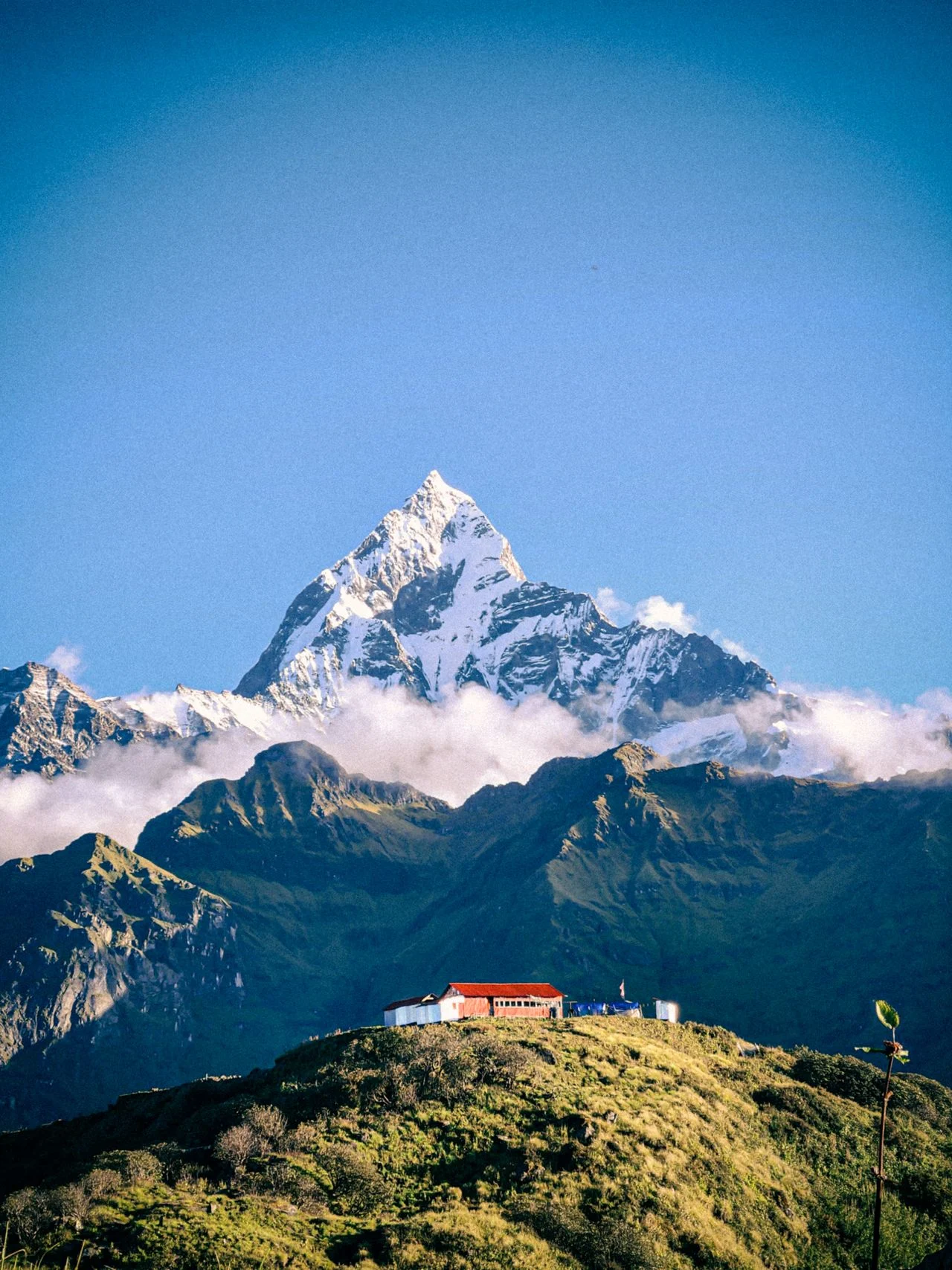
| High Camp | 3,580m | Limited (~16 beds) | Very basic, book in advance for peak season |
Toilet and Shower Facilities
-
Lower altitudes (below 2,500m): Western-style toilets, hot showers available for a fee
-
Mid-range altitudes: Squat-style toilets, hot showers less reliable
-
Higher altitudes: Limited shower facilities—carry wet wipes or dry shampoo
Food and Water on the Mardi Himal Base Camp Trek
Teahouses serve simple but filling meals. Dal bhat (rice with lentil soup, vegetables, and curry) is the standard—it provides sustained energy and is usually unlimited portions . Other options include noodles, fried rice, pasta, and pancakes.
Water
-
Boiled water: $0.50–3 per liter depending on altitude
-
Bottled water: Available at lower elevations, not recommended at higher elevations due to plastic waste
-
Bring a reusable bottle and purification method (tablets, UV pen, filter)
-
Plan for 3 liters per day, more on Mardi Himal Base Camp summit day
Packing List for Mardi Himal Base Camp
The Mardi Himal Base Camp trek requires proper gear due to significant temperature changes and mountain conditions.
Clothing
-
Four-season sleeping bag (rated to -15°C)
-
Down jacket
-
Waterproof/windproof jacket and pants
-
Thermal base layers
-
Fleece jacket or warm mid-layer
-
Trekking trousers (2 pairs)
-
Warm hat and gloves
-
Wool or synthetic socks (4–5 pairs)
Equipment
-
Sturdy waterproof boots (broken in)
-
Trekking poles (essential for steep sections)
-
Headlamp with spare batteries (for sunrise climb)
-
2–3 liter water capacity
-
30–40L backpack
-
Duffel bag for porter (max 15kg)
-
Microspikes (recommended for late autumn/early spring)
Accessories
-
Sunscreen (high SPF)
-
Sunglasses
-
First aid kit including Diamox (altitude medication)
-
Power bank (10,000mAh minimum, 20,000mAh recommended)
-
Offline maps downloaded
-
Cash (Nepalese rupees)
Safety and Altitude Awareness at Mardi Himal Base Camp
Altitude is the primary safety concern on the Mardi Himal Base Camp trek. The final climb from High Camp (3,580m) to Base Camp (4,500m) involves nearly 1,000 meters of ascent in just over 2 hours—a rapid gain that increases altitude sickness risk .
Recognizing Altitude Sickness
-
Mild: Headache, nausea, fatigue, loss of appetite
-
Moderate: Worsening symptoms, difficulty walking, vomiting
-
Severe: Confusion, breathlessness at rest, loss of coordination
What to Do
If symptoms persist above 3,500m, descend at least 500m immediately. Never ascend if you’re experiencing altitude symptoms.
Prevention
-
Ascend slowly (no more than 300–500m per day above 3,000m)
-
Stay hydrated
-
Consider Diamox if recommended by your doctor
-
Add an acclimatization day to your itinerary
-
Trek with a licensed guide who can monitor symptoms
Mardi Himal Base Camp vs Annapurna Base Camp
| Aspect | Mardi Himal Base Camp | Annapurna Base Camp |
|---|---|---|
| Altitude | 4,500m | 4,130m |
| Trek duration | 4–7 days | 7–12 days |
| Difficulty | Moderate | Moderate–challenging |
| Crowds | Less crowded | More crowded |
| Views | Machhapuchhre close-up, Annapurna South | Amphitheater of peaks |
| Accommodation | Basic, limited at High Camp | Better developed |
| Daily elevation gain | Higher (covers similar altitude in fewer days) | Lower |
Verdict: The Mardi Himal Base Camp trek is shorter and less crowded, making it better for travelers with limited time or those wanting a quieter experience. Annapurna Base Camp offers a more dramatic mountain amphitheater experience but requires more time .
Is Mardi Himal Base Camp Worth the Effort?
Yes, for trekkers who want big mountain views without a two-week commitment. The sunrise from Mardi Himal Base Camp rivals any in Nepal’s popular treks .
Mardi Himal Base Camp offers:
-
Machhapuchhre much closer than from ABC
-
Fewer trekkers on the trail
-
Shorter duration, making it affordable for travelers on a budget or tight timeline
-
A “rawer” and more intimate experience than the more developed routes
Who Should Choose Mardi Himal Base Camp
-
First-time Himalayan trekkers with good fitness
-
Travelers with 4–7 days to spare
-
Those seeking a quieter alternative to Poon Hill or ABC
-
Photographers wanting Machhapuchhre close-ups
Who Shouldn’t
-
Trekkers seeking the highest altitude (Everest Base Camp is higher)
-
Those with very limited time (less than 4 days)
-
Complete beginners unwilling to prepare physically
Planning Your Mardi Himal Base Camp Trek with Merriment Treks
Merriment Treks specializes in transparent, safety-conscious trekking in the Annapurna region. Every Mardi Himal Base Camp package includes:
-
ACAP permit and TIMS card (arranged in advance)
-
Licensed English-speaking guide holding current NTB certification
-
Porter services (optional, one porter per two trekkers)
-
Teahouse accommodation and meals on the trail
-
Private transport from Pokhara to Kande and return from Siding/Lumre
-
Clear inclusions and exclusions—no hidden costs
Merriment Treks can help you choose the right itinerary length for your group—4, 5, 6, or 7 days—based on your fitness and schedule. Book in advance for October and November departures.
Contact Merriment Treks for a personalized Mardi Himal Base Camp quote matched to your group size and preferred season.
Frequently Asked Questions
1. What is the altitude of Mardi Himal Base Camp?
Mardi Himal Base Camp sits at 4,500 meters (14,760 feet). The Upper Viewpoint is approximately 3,580 meters—a common source of confusion .
2. What is the difference between High Camp, Upper Viewpoint, and Base Camp?
High Camp (3,580m) is where trekkers sleep. Upper Viewpoint is a 30-minute walk from High Camp for closer mountain views. Mardi Himal Base Camp (4,500m) is a 2–2.5 hour climb from High Camp. Some operators use “Base Camp” to refer to the Upper Viewpoint—clarify before booking .
3. Is Mardi Himal Base Camp the same as Upper Viewpoint?
No. The Upper Viewpoint is at approximately 3,580m, while the true Base Camp is at 4,500m—nearly 900m higher .
4. How difficult is the Mardi Himal Base Camp trek?
Moderate . Daily walking is 4–7 hours, with the final climb to Mardi Himal Base Camp being the steepest section. Altitude is the biggest challenge, not technical difficulty.
5. Is Mardi Himal Base Camp suitable for beginners?
Yes, with proper fitness preparation and a slower (6–7 day) itinerary .
6. How long does it take to reach Mardi Himal Base Camp?
The hike from High Camp to Mardi Himal Base Camp takes 2–2.5 hours up and 1.5–2 hours back. The full trek from Pokhara takes 4–7 days depending on itinerary .
7. Do I need a guide for Mardi Himal?
Yes. Nepal regulations require a licensed guide for foreign trekkers in conservation areas. Guides also provide safety, navigation, and altitude monitoring .
8. What permits are required for Mardi Himal Base Camp?
ACAP Permit: NPR 3,000 (~$22-23). TIMS Card: NPR 1,000-2,000 (~$7-15) . These are typically arranged by your trekking operator.
9. What is the best time to trek Mardi Himal Base Camp?
Spring (March–May) and autumn (September–November). Spring features blooming rhododendrons; autumn has the clearest mountain views .
10. Can I do the Mardi Himal Base Camp trek in winter?
Yes, but conditions are more challenging. Snow above 3,500m, freezing temperatures at Base Camp, and shorter days require more experience and gear .
11. What mountains can I see from Mardi Himal Base Camp?
Machhapuchhre (Fishtail), Annapurna South, Hiunchuli, and Mardi Himal itself .
12. Is there accommodation at Mardi Himal Base Camp?
No. Trekkers stay at High Camp (3,580m) and do a day-return excursion to Mardi Himal Base Camp. High Camp has limited accommodation (approximately 16 beds), so book in advance .
13. Is Mardi Himal Base Camp harder than Annapurna Base Camp?
No. Mardi Himal is shorter and generally easier than ABC. However, altitude is similar, so acclimatization is equally important .
14. How much does the Mardi Himal Base Camp trek cost?
Costs range from around USD 342–499 through local Pokhara agencies to USD 599–999 through international operators . Group size significantly affects per-person cost.
15. Is Mardi Himal Base Camp worth the effort?
For most trekkers, yes. The sunrise over Machhapuchhre from Mardi Himal Base Camp is one of the most memorable viewpoints in Nepal’s shorter treks—quieter than ABC and achievable in less time .