-
Spring and Autumn
-
Guided
-
3,870m
-
BLD
-
Drive/Flight
-
Hotel
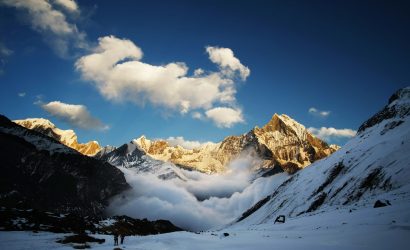
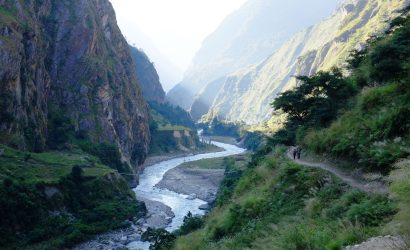
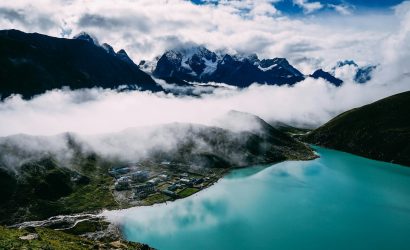
The Langtang Valley Trek is the fastest way to stand among 7,000-meter peaks without the crowds, the cost, or the extended time commitment of treks like Everest Base Camp or Annapurna Circuit. In seven days, you travel from the roadhead at Syabrubesi through dense rhododendron and oak forest, past the site of the 2015 earthquake-rebuilt Langtang Village, and up to Kyanjin Gompa at 3,870m — a glacial valley floor ringed by Langtang Lirung, Kimshung, and Yubra peaks.
This itinerary suits trekkers who want genuine high-altitude scenery and Tamang cultural exposure but have a limited holiday window. Unlike longer circuits, Langtang doesn’t require flights to remote airstrips — you drive to the start and drive back, which removes one of the biggest sources of delay and cost in Nepal trekking.
Langtang Valley Trek at a Glance
| Detail | Information |
|---|---|
| Duration | 7 Days (Kathmandu to Kathmandu) |
| Trek Region | Langtang National Park, Central Nepal |
| Max Altitude | 4,984m (Tserko Ri) or 3,870m if skipping the peak day |
| Difficulty | Moderate |
| Trek Style | Tea house / lodge trek |
| Group Size | Private or small group (2–12) |
| Starting Point | Syabrubesi (via road from Kathmandu) |
| Best Season | March–May, September–November |
| Daily Walking Hours | 4–7 hours |
| Total Distance | Approximately 62 km round trip |
| Accommodation | Local tea houses |
| Meals | Full board on trek (breakfast, lunch, dinner) |
| Permits Required | TIMS Card, Langtang National Park Entry Permit |
| Trek Cost | From USD 330 per person |
Langtang Valley Trek Highlights
- Reach 3,870m at Kyanjin Gompa in just four days of walking
- Walk beneath Langtang Lirung (7,227m), one of the most photographed peaks in Nepal that isn’t in the Everest or Annapurna regions
- Visit a working yak cheese factory established with Swiss dairy assistance in the 1950s
- Optional sunrise climb to Kyanjin Ri or Tserko Ri for a 360-degree view of the Langtang Himal
- Experience Tamang Buddhist culture through mani walls, chortens, and monasteries largely untouched by mass tourism
- No flights required — the entire trek is accessible by road from Kathmandu, removing weather-related flight cancellation risk
- Compact enough for a one-week annual leave allowance
- Rebuilt villages along the route offer a firsthand look at community resilience following the 2015 earthquake and landslide
Why Choose the 7 days Langtang Valley Trek
Most first-time trekkers assume more days automatically mean a better trek. For Langtang, that isn’t necessarily true. The valley is narrow and the trail follows a single river corridor, so a 7-day itinerary already captures the full scenic arc — forest, waterfalls, alpine pasture, and glacial cirque — without the extra rest days built into longer regional treks.
The 7-day version works well if you’re combining trekking with other Nepal activities (Kathmandu sightseeing, Chitwan, Pokhara) inside a two-week trip, or if your leave from work is limited. Trekkers with more flexible schedules can add the Tserko Ri sunrise climb or a Gosaikunda extension, but neither is required to see the valley’s main features.
Compared to Everest Base Camp, Langtang requires no mountain flight, costs roughly a third less, and reaches a comparable sense of scale in half the time. Compared to Annapurna Base Camp, Langtang has notably fewer trekkers on the trail, particularly past Lama Hotel.
Langtang Valley Trek Itinerary
Day 1: Kathmandu to Syabrubesi (1,470m)
Day 2: Syabrubesi to Lama Hotel (2,380m)
Day 3: Lama Hotel to Langtang Village (3,430m)
Day 4: Langtang Village to Kyanjin Gompa (3,870m)
Day 5: Acclimatization Day — Kyanjin Ri or Tserko Ri
Day 6: Kyanjin Gompa to Lama Hotel (2,380m)
Day 7: Lama Hotel to Syabrubesi, drive to Kathmandu
Route Overview
The trek follows a single valley corridor: Syabrubesi → Lama Hotel → Langtang Village → Kyanjin Gompa, then reverses. There are no alternate route options that shorten the trek further, though the Gosaikunda Lakes and Tamang Heritage Trail both branch off from points along this corridor for trekkers planning longer trips.
Distance & Walking Hours
| Day | Route | Distance | Walking Time |
|---|---|---|---|
| 1 | Kathmandu – Syabrubesi | ~122 km (drive) | 7–8 hrs |
| 2 | Syabrubesi – Lama Hotel | ~11 km | 6–7 hrs |
| 3 | Lama Hotel – Langtang Village | ~14 km | 6–7 hrs |
| 4 | Langtang Village – Kyanjin Gompa | ~7 km | 3–4 hrs |
| 5 | Acclimatization (Kyanjin Ri / Tserko Ri) | ~6–9 km | 4–7 hrs |
| 6 | Kyanjin Gompa – Lama Hotel | ~21 km | 6–7 hrs |
| 7 | Lama Hotel – Syabrubesi – Kathmandu | ~9 km + drive | 3–4 hrs + drive |
Map Overview
The Langtang Valley Trek route runs east from Syabrubesi along the Langtang Khola, entirely within Langtang National Park, and terminates at Kyanjin Gompa before retracing the same path back. Suggested infographic: a linear elevation profile chart showing altitude gain per day, paired with a simplified route map marking each overnight stop.
Altitude Table
| Day | Location | Altitude |
|---|---|---|
| 1 | Syabrubesi | 1,470m |
| 2 | Lama Hotel | 2,380m |
| 3 | Langtang Village | 3,430m |
| 4 | Kyanjin Gompa | 3,870m |
| 5 | Kyanjin Ri / Tserko Ri | 4,773m / 4,984m |
| 6 | Lama Hotel | 2,380m |
| 7 | Syabrubesi | 1,470m |
Difficulty Level
Langtang Valley Trek is rated moderate. It doesn’t require technical climbing skills or prior high-altitude experience, but it does involve consecutive days of 6–7 hours walking on uneven terrain, plus one day above 4,700m if you attempt Tserko Ri or Kyanjin Ri. Trekkers who exercise regularly and have completed at least one multi-day hike will find it manageable.
Complete beginners can still do it but should expect the ascent days (Day 2 and 3) to feel demanding.
Fitness Requirements
- Ability to walk 6–7 hours on consecutive days with a light daypack
- No specific gym regimen required, but 4–6 weeks of cardio preparation (hiking, stair climbing, running) improves comfort significantly
- Comfort with basic tea house facilities (shared bathrooms at higher elevations, limited hot water)
- No technical climbing or scrambling skills needed
Altitude Sickness & Acclimatization
Kyanjin Gompa sits at 3,870m, and the optional peak day pushes above 4,700m — both altitudes where Acute Mountain Sickness (AMS) becomes a real possibility regardless of fitness level. The built-in acclimatization day at Kyanjin Gompa exists specifically to let your body adjust before the highest point of the trek.
Practical measures that matter:
- Ascend gradually and follow the itinerary’s built-in pacing rather than trying to rush ahead
- Drink 3–4 liters of water daily
- Avoid alcohol and sleeping pills above 3,000m, both of which suppress breathing rate during sleep
- Recognize early symptoms — headache, nausea, dizziness, loss of appetite — and report them to your guide immediately rather than pushing through
- Descending is the only reliable treatment for worsening AMS; guides carry basic oxygen and are trained to make that call
Diamox (acetazolamide) is commonly used as a preventive measure starting a day before gaining altitude, but this should be discussed with a doctor before departure, not decided on the trail.
Best Time to Visit
Spring (March–May): Rhododendron forests bloom in March and April, days are mild, and visibility is generally good. This is the most popular season.
Autumn (September–November): The clearest skies of the year, stable weather, and comfortable daytime temperatures. Considered the single best window for mountain visibility.
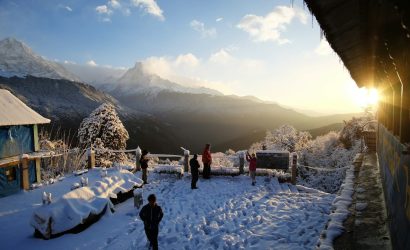
Winter (December–February): Cold, especially above 3,000m, with possible snow blocking the trail near Kyanjin Gompa. Doable for well-prepared trekkers but with a smaller weather margin.
Monsoon (June–August): Heavy rainfall, leech-prone lower trail sections, and frequently obscured mountain views. Not recommended unless you have no other scheduling option.
Weather by Season
| Season | Daytime Temp (Lower Trail) | Daytime Temp (Kyanjin Gompa) | Night Temp (Kyanjin Gompa) | Conditions |
|---|---|---|---|---|
| Spring (Mar–May) | 15–20°C | 8–12°C | -5 to 2°C | Clear mornings, occasional afternoon cloud |
| Autumn (Sep–Nov) | 15–20°C | 8–12°C | -8 to 0°C | Stable, clearest visibility |
| Winter (Dec–Feb) | 8–12°C | 0–5°C | -15 to -8°C | Cold, possible snow at altitude |
| Monsoon (Jun–Aug) | 20–25°C | 12–15°C | 2–5°C | Frequent rain, limited visibility |
Transportation Details
Kathmandu to Syabrubesi is covered by private jeep or shared bus, taking 7–8 hours depending on road conditions on the Trishuli corridor. There is no flight option for this route — the entire journey is overland in both directions, which is one reason Langtang has fewer weather-related trip disruptions compared to fly-in treks like Everest Base Camp or Jomsom.
Private vehicles are more comfortable and slightly faster; shared buses are the budget option but stop frequently.
Accommodation
Tea houses along the route are simple and family-run, with twin-sharing rooms as standard. Below Langtang Village, most rooms have attached bathrooms with intermittent hot water (usually solar-heated or gas geyser, sometimes for an extra fee).
At Kyanjin Gompa, expect shared bathroom facilities and colder rooms, since heating is typically limited to the communal dining area, which is warmed by a central stove in the evening.
| Location | Bathroom | Hot Shower | Heating |
|---|---|---|---|
| Syabrubesi | Attached, most lodges | Yes (often extra cost) | Room heater sometimes available |
| Lama Hotel | Attached, most lodges | Yes (extra cost) | Dining hall stove only |
| Langtang Village | Mixed attached/shared | Limited, extra cost | Dining hall stove only |
| Kyanjin Gompa | Mostly shared | Limited, extra cost | Dining hall stove only |
Meals & Drinking Water
Standard tea house menus offer dal bhat, noodle and pasta dishes, soups, momos, and basic breakfast items (porridge, eggs, toast, pancakes). Dal bhat is generally the best value and most substantial option at altitude, and most lodges offer free refills.
Bottled water is available for purchase throughout, though boiled water or water treated with purification tablets/UV filters is recommended over bottled plastic, both for cost savings and environmental reasons — plastic waste disposal is a real problem in high-altitude villages with no road access for waste removal.
Internet, Mobile Network & Charging
Nepal Telecom (NTC) and Ncell both have partial coverage through Lama Hotel; connectivity becomes patchy or absent from Langtang Village onward. Most tea houses offer paid Wi-Fi of variable speed, and device charging is available almost everywhere for a per-device fee (solar or micro-hydro powered above Lama Hotel). Carrying a power bank is strongly advised, since charging costs add up and outlets are sometimes shared among multiple trekkers.
Permits & Fees
Two permits are mandatory for this route:
| Permit | Cost (Foreigners) | Cost (SAARC) |
|---|---|---|
| TIMS Card (Trekkers’ Information Management System) | USD 20 approx. | Reduced rate available |
| Langtang National Park Entry Permit | NPR 3,000 approx. (USD 23) | Reduced rate available |
Both permits are arranged by your trekking agency in Kathmandu and require a passport copy and passport-sized photos. No separate climbing permit is required for Kyanjin Ri or Tserko Ri, as both fall within standard trekking limits.
Packing List
| Category | Items |
|---|---|
| Clothing | Base layers, fleece/down jacket, waterproof shell, trekking pants, thermal underwear, wool socks |
| Footwear | Broken-in trekking boots, camp shoes/sandals, gaiters (optional) |
| Headwear | Sun hat, warm beanie, buff/neck gaiter |
| Hands | Liner gloves, insulated outer gloves |
| Sleeping | 4-season sleeping bag (rated to at least -10°C) |
| Gear | Trekking poles, headlamp with spare batteries, daypack (30–40L), dry bags |
| Health | Personal first-aid kit, Diamox (if prescribed), blister plasters, water purification tablets |
| Documents | Passport, permits, travel insurance details, printed emergency contacts |
| Extras | Power bank, sunglasses (UV protection), sunscreen, lip balm with SPF, snacks/energy bars |
Cost Breakdown of Langtang Valley Trek
| Item | Cost (USD) |
|---|---|
| Langtang Valley Trek 7 Days Package | 330 |
| International flights | Not included |
| Nepal visa fee | Not included |
| Travel insurance | Not included |
| Personal expenses (snacks, extra showers, charging, Wi-Fi) | Approx. 5–10/day |
| Tips for guide and porter | Approx. 10–15% of package cost (customary, not mandatory) |
Optional Add-ons
- Private vehicle upgrade (instead of shared jeep/bus)
- Extension to Gosaikunda Lakes (adds 3–4 days)
- Extra porter (one porter per trekker instead of shared)
- Additional acclimatization day
- Kathmandu city tour before or after the trek
Travel Tips
- Book your permits and transport at least a few days ahead during peak season (October–November), when Syabrubesi transport fills up quickly
- Carry small denomination Nepali rupees — card payment is not available once you leave Syabrubesi
- Start walking early each day; afternoon cloud buildup is common and mornings offer the clearest mountain views
- Break in your boots before the trip; blisters are the most common reason trekkers struggle on Day 2 and 3
- Pack layers rather than one heavy jacket — temperature swings between morning and night are significant above 3,000m
Photography Spots
- The ridge above Lama Hotel, looking back down the forested valley
- Langtang Village, framed against Langtang Lirung
- The yak pastures approaching Kyanjin Gompa, especially in early morning light
- Kyanjin Ri and Tserko Ri summits, both offering a full panorama of the Langtang Himal
- The glacier moraine near Langshisha Kharka for those extending beyond Kyanjin Gompa
Responsible Trekking
- Carry reusable water bottles and use boiled or filtered water instead of buying bottled water at every stop
- Stay on marked trails to avoid disturbing fragile alpine vegetation
- Support local tea houses and guides directly, particularly in Langtang Village, which is still rebuilding its economy after 2015
- Avoid single-use plastic where possible; pack out what you pack in
- Respect monastery etiquette at Kyanjin Gompa — ask before photographing inside, and remove shoes where indicated
Why Book With Us — Merriment Treks
Merriment Treks operates with licensed local guides who know the Langtang route’s seasonal quirks first-hand, not from a script. Our itinerary builds in a genuine acclimatization day rather than rushing trekkers to Kyanjin Gompa and back, which is where many budget operators cut corners.
Permits, transport, and lodge bookings are handled before you arrive in Nepal, and your guide carries a first-aid kit and is trained to make the call on descent if altitude symptoms appear — a decision some operators leave too late.
Pricing is transparent from the outset: no hidden charges beyond the clearly listed exclusions above.
Cancellation & Refund Policy
- Cancellations made 30+ days before departure: full refund minus processing fees
- Cancellations made 15–29 days before departure: partial refund (50%)
- Cancellations made within 14 days of departure: non-refundable, due to non-recoverable permit and lodge booking costs
- Trips cut short due to weather, illness, or government restriction are assessed case by case; costs already incurred (permits, transport, lodging used) are non-refundable
- Trip date changes are accommodated where possible at no extra charge if requested 15+ days in advance
Ready to see Langtang Lirung up close without committing three weeks of your year?
Book your 7-Day Langtang Valley Trek with us Merriment Treks today and get expert guiding, transparent pricing, and an itinerary built around your safety at altitude — not just your schedule.