Everest North Base Camp
Everest North Base Camp, also known as the Everest Base Camp on the Tibet side, is one of the most misunderstood destinations in the Himalaya.
Here’s what you need to know.
Everest North Base Camp sits on the Tibetan side of Mount Everest at approximately 5,150 metres. It’s accessible by road from Lhasa, passing through Shigatse and Tingri before reaching the Rongbuk Valley. Tourists can visit the Rongbuk Monastery area and the designated tourist Base Camp viewpoint, where the north face of Everest dominates the horizon. The actual climbing camp used by expeditions is a separate, restricted area further up the glacier.
Unlike Nepal’s South Base Camp, no long trek is required. But the altitude is serious, the permits are complex, and access depends on current Chinese and Tibetan travel regulations.
This guide from Merriment Treks explains Everest North Base Camp as it actually works in 2026 — not as outdated travel blogs describe it.
Everest North Base Camp at a Glance
Everest North Base Camp planning starts with basic facts.
| Detail | Information |
|---|---|
| Location | Tibet Autonomous Region, China |
| Elevation | Approximately 5,150 m (tourist area) |
| Mount Everest elevation | 8,849 m |
| Access | Road from Lhasa via Shigatse and Tingri |
| Trekking required | Minimal — vehicle access nearly to viewpoint |
| Key landmark | Rongbuk Monastery |
| Main view | Everest North Face |
| Permit required | Tibet Travel Permit + additional permits |
| Guide required | Yes — organized tour mandatory for foreign travelers |
| Best season | April–May, September–October |
| Typical trip duration | 7–10 days from Lhasa |
| Accommodation | Guesthouses, tent camps, Rongbuk monastery guesthouse |
These details are accurate as of early 2026 but should be reconfirmed before booking, as Tibet access regulations can change.
What Is Everest North Base Camp?
Everest North Base Camp is the base camp on the Tibetan side of Mount Everest, used historically by expeditions attempting the north ridge and northeast ridge routes.
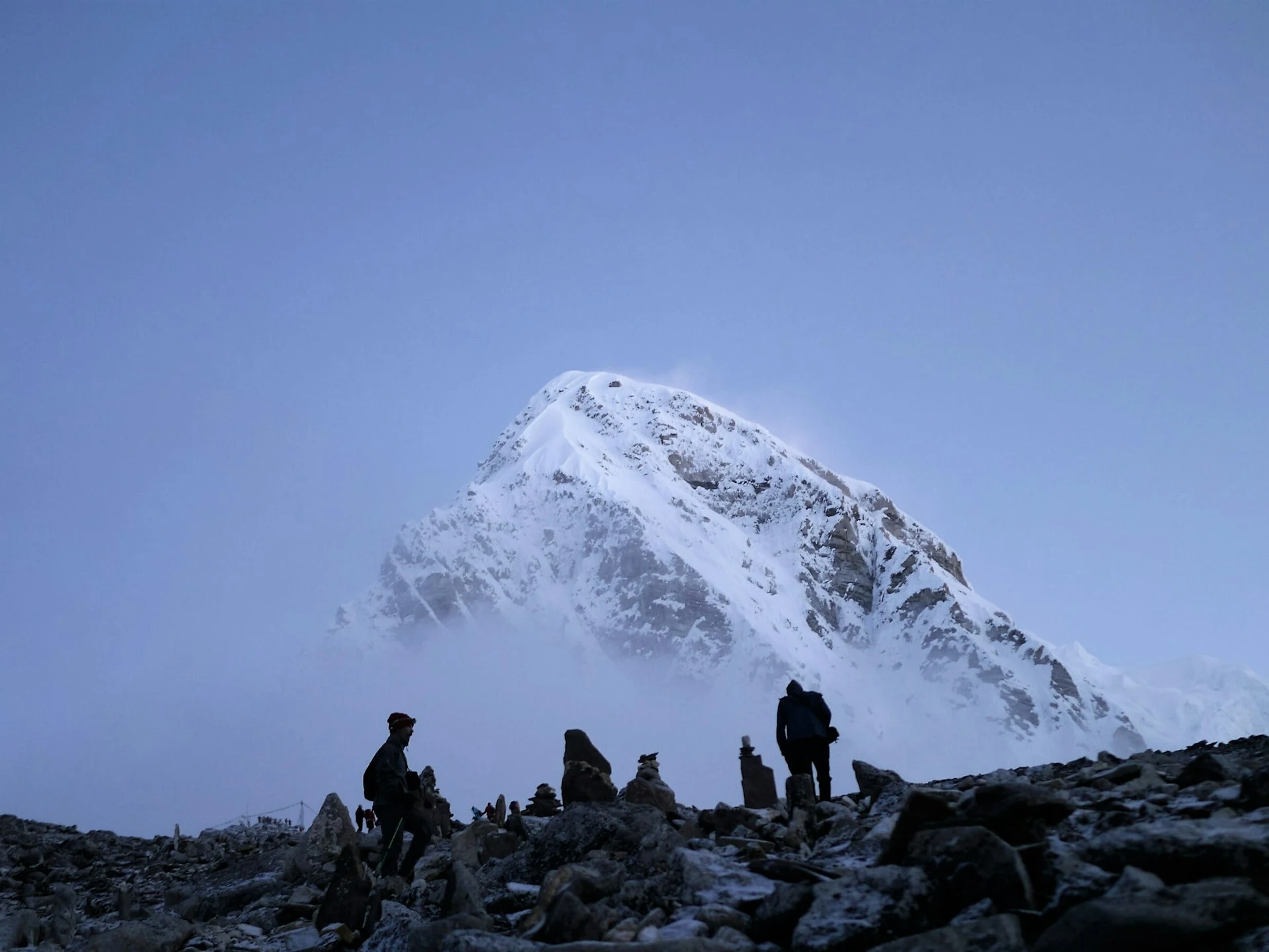
For most travelers, the term refers to the accessible area near Rongbuk Monastery where tourists can view Everest’s north face. This is not the same as the climbing camp, which sits further up the Rongbuk Glacier at a slightly higher elevation.
The tourist area includes:
-
Rongbuk Monastery
-
The tourist Base Camp viewing area
-
Panoramic views of Everest’s north face
-
The dramatic Rongbuk Valley landscape
The actual mountaineering base camp is restricted and used only by permitted climbing expeditions.
Key distinction: When most people say “Everest North Base Camp,” they mean the tourist-accessible viewpoint area, not the technical climbing camp.
Where Is Everest North Base Camp?
Everest North Base Camp is located in the Tibet Autonomous Region of China, on the northern side of Mount Everest.
The approach route follows:
-
Lhasa (3,650 m)
-
Gyantse (3,980 m)
-
Shigatse (3,840 m)
-
Tingri (4,300 m)
-
Rongbuk Valley
-
Everest North Base Camp (approximately 5,150 m)
The distance from Lhasa to Everest North Base Camp is approximately 700–800 kilometres by road, typically covered over several days with acclimatization stops.
The landscape changes dramatically along this route — from the Tibetan Plateau’s vast grasslands to the barren, rocky terrain of the Rongbuk Valley.
Everest North Base Camp Altitude
Everest North Base Camp altitude is one of the most important things to understand.
The tourist viewpoint near Rongbuk Monastery sits at approximately 5,150 metres above sea level. This is slightly lower than Nepal’s South Base Camp at 5,364 metres, but still extremely high.
The mountaineering camp for climbers is located further up the glacier at approximately 5,200–5,300 metres, though this area is restricted.
Altitude Comparison
| Location | Elevation |
|---|---|
| Lhasa | 3,650 m |
| Shigatse | 3,840 m |
| Tingri | 4,300 m |
| Rongbuk Monastery | 5,009 m |
| Everest North Base Camp (tourist area) | Approximately 5,150 m |
| Everest North Base Camp (climbers’ camp) | Approximately 5,200–5,300 m |
| Everest South Base Camp (Nepal) | 5,364 m |
| Mount Everest summit | 8,849 m |
The rapid road access to high altitude means acclimatization is critical. You can drive from Lhasa to the Everest region in just a few days, but your body needs time to adjust.
Tourist Area vs Mountaineering Base Camp
Everest North Base Camp confusion often comes from mixing up two different places.
Tourist Base Camp
This is the area near Rongbuk Monastery where tourists can:
-
View Everest’s north face
-
Photograph the mountain
-
Visit Rongbuk Monastery
-
Stay in basic guesthouses or tent camps
-
Experience the high-altitude Tibetan landscape
This area is accessible by vehicle and requires minimal walking.
Mountaineering Base Camp
This is the operational camp used by climbing expeditions. It sits further up the Rongubk Glacier and is:
-
Restricted to permitted climbing teams
-
Not accessible to regular tourists
-
Used for expedition logistics
-
Home to climbers during the spring climbing season
When you book an “Everest North Base Camp tour,” you’re visiting the tourist area, not the climbing camp.
How to Reach Everest North Base Camp
Everest North Base Camp access is primarily by road, which makes it fundamentally different from Nepal’s South Base Camp.
The Standard Route
-
Fly to Lhasa — international travelers typically enter Tibet via mainland China or Kathmandu
-
Acclimatize in Lhasa — 2–3 days at 3,650 m
-
Drive to Gyantse — visit Gyantse Kumbum and Pelkor Chode Monastery
-
Continue to Shigatse — visit Tashilhunpo Monastery
-
Drive to Tingri — a small town at 4,300 m with first Everest Viewpoint
-
Enter the Rongbuk Valley — pass through the Everest Nature Reserve
-
Reach Rongbuk Monastery — at 5,009 m
-
Continue to the tourist Base Camp area — approximately 5,150 m
The final section from Tingri to Everest North Base Camp takes several hours by vehicle, with the last stretch being a gravel road through dramatic high-altitude terrain.
Minimal Walking Required
Unlike Nepal’s EBC trek, Everest North Base Camp requires almost no trekking. You can reach the viewpoint by vehicle, walk a short distance, and return to accommodation the same day.
This makes it accessible for travelers who cannot or do not want to complete a multi-day trek.
Current 2026 Access Information
Everest North Base Camp access depends on current Chinese and Tibetan regulations.
As of early 2026:
-
Foreign travelers must visit Tibet through a registered Chinese travel agency
-
Independent travel in Tibet is not permitted for foreign nationals
-
A Tibet Travel Permit is required
-
Additional permits are needed for Everest North Base Camp
-
Access can be restricted with little notice
-
Weather conditions can affect road access
-
Winter access is often more restricted
These regulations have been in place for years and are unlikely to change fundamentally, but specific details can shift. Always verify current access conditions with a registered Tibet travel operator before planning.
Tibet Permits and Travel Requirements
Everest North Base Camp permits are more complex than Nepal trekking permits.
Required Documents
| Permit/Document | Purpose | Obtained By |
|---|---|---|
| Chinese Visa | Entry to China | Traveler |
| Tibet Travel Permit | Entry to Tibet | Registered agency |
| Alien Travel Permit | Travel outside Lhasa | Registered agency |
| Military Permit | Restricted border areas | Registered agency |
| Everest Nature Reserve Fee | Entry to reserve | Included in tour |
Important Notes
-
You cannot obtain these permits independently
-
A registered Chinese travel agency must arrange them
-
Your itinerary must be confirmed in advance
-
Permit processing takes time — plan ahead
-
Your passport details must match exactly
-
Journalists and diplomats may face additional restrictions
Traveling From Nepal
Some travelers combine Nepal and Tibet. It’s possible to enter Tibet from Kathmandu by road or air, but this requires:
-
Chinese visa obtained in Kathmandu
-
Tibet permits arranged through an agency
-
Group travel (usually minimum 2–4 people)
-
Current border status confirmation
Border access between Nepal and Tibet has been inconsistent in recent years. Always verify current conditions before planning.
How Difficult Is Everest North Base Camp?
Everest North Base Camp difficulty is different from the Nepal trek.
Physical Difficulty
The physical challenge is minimal compared with Nepal’s EBC trek. You don’t need to walk for days. The main physical demand is:
-
Long hours in a vehicle
-
Short walks at high altitude
-
Dealing with cold and thin air
Altitude Difficulty
The altitude challenge is significant and often underestimated. You’re driven from Lhasa at 3,650 m to over 5,000 m in just a few days. This rapid ascent can trigger altitude sickness if not managed properly.
Overall Difficulty
For most travelers, the difficulty is:
-
Low physical demand
-
Moderate to high altitude risk
-
Moderate logistical complexity
-
Low mental challenge
Everest North Base Camp is not physically difficult, but it is altitude serious.
Acclimatization on the Tibetan Side
Everest North Base Camp acclimatization requires careful planning.
The route from Lhasa to Everest North Base Camp includes several stops that help with altitude adjustment:
| Stop | Elevation | Typical Stay |
|---|---|---|
| Lhasa | 3,650 m | 2–3 nights |
| Gyantse | 3,980 m | 1 night |
| Shigatse | 3,840 m | 1 night |
| Tingri | 4,300 m | 1 night |
| Rongbuk/North Base Camp | 5,009–5,150 m | 1 night |
This gradual ascent is designed to reduce altitude sickness risk. But even with this schedule, some travelers develop symptoms.
Altitude Sickness Warning Signs
-
Headache
-
Nausea
-
Dizziness
-
Loss of appetite
-
Difficulty sleeping
-
Shortness of breath at rest
If symptoms worsen, descend immediately. At Everest North Base Camp, the nearest lower-elevation medical facilities are in Tingri or Shigatse.
Best Time to Visit Everest North Base Camp
Everest North Base Camp visibility and conditions vary significantly by season.
| Season | Months | Conditions | Everest View |
|---|---|---|---|
| Spring | April–May | Cold but clear, climbing season | Good |
| Summer | June–August | Warmer, some cloud/rain | Variable |
| Autumn | September–October | Clear, stable, best visibility | Excellent |
| Winter | November–March | Very cold, possible access issues | Good but harsh |
Best months: April, May, September, October.
Avoid: Deep winter (December–February) when temperatures are extreme and access may be restricted.
Everest Visibility From North Base Camp
Everest North Base Camp offers a different perspective from Nepal.
From the north side, you see:
-
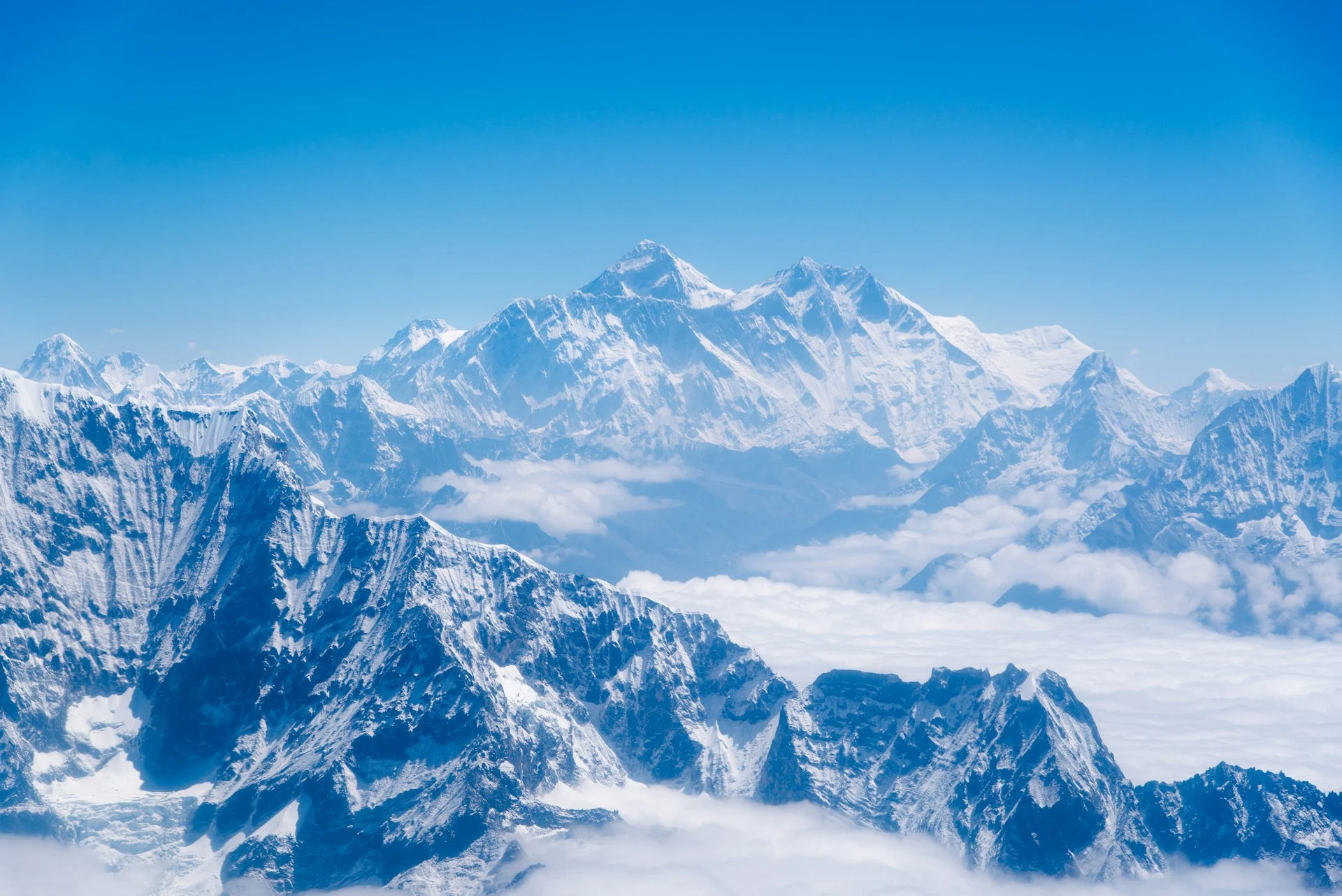
Everest’s north face — the less photographed but equally dramatic side
-
The northeast ridge route used by early expeditions
-
The Rongbuk Glacier
-
Changtse (7,543 m) flanking Everest to the north
-
The vast Tibetan Plateau stretching behind you
The north face view is powerful and stark. Everest appears as a massive wall rising above the Rongbuk Valley.
Visibility is best in autumn (September–October) when skies are clearest. Spring can also be excellent, though afternoon haze sometimes develops.
Rongbuk Monastery: The World’s Highest Monastery
Everest North Base Camp visits typically include Rongbuk Monastery.
Rongbuk Monastery sits at approximately 5,009 metres, making it one of the highest monasteries in the world. It has strong historical connections to early Everest expeditions.
The monastery offers:
-
Traditional Tibetan Buddhist architecture
-
Views directly toward Everest’s north face
-
A guesthouse where travelers can stay
-
Cultural and spiritual significance
George Mallory and other early climbers passed through Rongbuk during their Everest attempts. The monastery remains an important pilgrimage site and a key stop on Everest North Base Camp tours.
Accommodation Near Everest North Base Camp
Everest North Base Camp accommodation is basic but adequate.
Options
| Location | Accommodation Type | Elevation |
|---|---|---|
| Tingri | Guesthouses, small hotels | 4,300 m |
| Rongbuk Monastery | Monastery guesthouse | 5,009 m |
| Tourist Base Camp area | Tent camps | Approximately 5,150 m |
What to Expect
-
Basic beds
-
Shared bathrooms
-
Limited electricity
-
No heating in most places
-
Simple food
-
Cold temperatures, especially at night
Staying overnight near Everest North Base Camp is possible but uncomfortable. Many travelers choose to visit during the day and return to lower elevation for the night.
Food and Facilities
Everest North Base Camp facilities are limited.
Food options include:
-
Simple Tibetan and Chinese dishes
-
Noodles
-
Rice dishes
-
Tea and hot water
-
Limited Western options
There are no restaurants or shops near the Base Camp area. Bring snacks and essentials from Lhasa or Shigatse.
Facilities are basic:
-
Squat toilets
-
No running water in some areas
-
Limited phone signal
-
No Wi-Fi at the Base Camp
-
Cash may be required for small purchases
Prepare for very basic conditions.
Sample Everest North Base Camp Itinerary
Everest North Base Camp tours typically follow this structure.
8-Day Standard Itinerary
| Day | Route | Sleeping Elevation |
|---|---|---|
| 1 | Arrive in Lhasa | 3,650 m |
| 2 | Lhasa sightseeing and acclimatization | 3,650 m |
| 3 | Lhasa to Gyantse | 3,980 m |
| 4 | Gyantse to Shigatse | 3,840 m |
| 5 | Shigatse to Tingri | 4,300 m |
| 6 | Tingri to Rongbuk/North Base Camp | 5,009–5,150 m |
| 7 | Sunrise at North Base Camp, return to Shigatse | 3,840 m |
| 8 | Shigatse to Lhasa | 3,650 m |
This itinerary includes multiple acclimatization stops and allows for proper altitude adjustment.
Longer 10–12 day itineraries add more time in Lhasa, additional monasteries, or visits to Yamdrok Lake.
Estimated Cost
Everest North Base Camp costs vary significantly.
Cost Factors
| Factor | Impact |
|---|---|
| Group size | Small groups cost more per person |
| Season | Peak seasons cost more |
| Accommodation level | Basic vs comfort |
| Duration | Longer trips cost more |
| Inclusions | Permits, transport, guides, meals |
Rough Budget Range
A typical group tour from Lhasa to Everest North Base Camp might cost between US$800–1,500 per person for an 8-day itinerary, excluding international flights and Chinese visa fees. Private tours cost more.
These are approximate figures. Get current quotes from a registered Tibet tour operator for accurate pricing.
What to Pack
Everest North Base Camp packing requires cold-weather preparation.
Essential Items
-
Warm layers
-
Insulated jacket
-
Thermal base layers
-
Warm hat and gloves
-
Sun hat and sunglasses
-
Sunscreen (essential at high altitude)
-
Lip balm
-
Water bottle
-
Snacks
-
Basic toiletries
-
Medications
-
Passport and permit copies
-
Camera
-
Power bank
-
Cash
Temperatures at Everest North Base Camp can drop well below freezing at night, even in spring and autumn.
Everest North Base Camp vs South Base Camp
Everest North Base Camp and Nepal’s South Base Camp offer fundamentally different experiences.
| Factor | North Base Camp (Tibet) | South Base Camp (Nepal) |
|---|---|---|
| Country | China/Tibet | Nepal |
| Elevation | Approximately 5,150 m (tourist area) | 5,364 m |
| Access | By road, minimal walking | Multi-day trek required |
| Physical difficulty | Low | High |
| Altitude challenge | Moderate to high | Moderate to high |
| Trekking required | No | Yes, 12–14 days |
| Everest view | North face | South face via Kala Patthar |
| Permits | Complex Chinese/Tibet permits | Nepal permits, simpler |
| Accommodation | Guesthouses, tent camps | Teahouses |
| Independence | Must travel with organized tour | Guide required but more flexible |
| Time required | 7–10 days from Lhasa | 12–16 days from Kathmandu |
| Cost | Lower to moderate | Moderate to high |
| Best for | Limited time, road access, north face view | Trekking experience, classic route |
Which Is Better?
-
Choose North Base Camp if: you want to see Everest without trekking, have limited time, or are already traveling in Tibet.
-
Choose South Base Camp if: you want the classic trekking experience, prefer Nepal’s teahouse culture, or want the most famous Everest viewpoint from Kala Patthar.
Neither is objectively better. They’re different experiences.
Who Should Visit Everest North Base Camp?
Everest North Base Camp suits specific traveler types.
Good Fit For
-
Travelers with limited time
-
Those who don’t want to trek
-
Photographers interested in Everest’s north face
-
Travelers already planning a Tibet trip
-
Those curious about Tibetan Buddhism and culture
-
People who struggle with Nepal’s trekking logistics
Poor Fit For
-
Trekkers wanting the classic EBC experience
-
Travelers who prefer independence over organized tours
-
Those uncomfortable with high altitude without trekking preparation
-
People sensitive to cold or basic accommodation
Common Mistakes to Avoid
Everest North Base Camp planning errors include:
-
Assuming it’s like Nepal’s EBC — it’s a completely different experience
-
Underestimating altitude — road access doesn’t mean altitude risk disappears
-
Booking too short an itinerary — acclimatization takes time
-
Expecting luxury — facilities near Base Camp are very basic
-
Ignoring permit requirements — you cannot travel independently
-
Visiting in the wrong season — winter is brutally cold
-
Not carrying cash — ATMs are rare in Tibet
-
Forgetting sun protection — UV exposure at altitude is intense
-
Not checking current access conditions — regulations can change
-
Assuming the north face view is inferior — it’s different, not worse
Everest North Base Camp With Merriment Treks
At Merriment Treks, we understand that Everest North Base Camp requires different planning from Nepal’s trekking routes.
We can help with:
-
Current access information
-
Tibet permit arrangements through registered partners
-
Itinerary planning from Lhasa or Kathmandu
-
Acclimatization planning
-
Accommodation booking
-
Guide and driver arrangements
-
Combination trips including both Tibet and Nepal
We don’t pretend that Tibet access is simple. We help you navigate the complexity with clear, current information.
If you’re considering Everest North Base Camp in 2026, contact us. We’ll help you understand what’s possible, what permits you need, and how to build a trip that works.
Everest North Base Camp Planning Checklist
Before booking:
- □ Chinese visa arranged
- □ Tibet Travel Permit arranged through agency
- □ Itinerary confirmed with registered operator
- □ Altitude medication discussed with doctor
- □ Travel insurance with high-altitude coverage
- □ Warm layers packed
- □ Sun protection packed
- □ Cash in Chinese yuan
- □ Passport copies carried
- □ Buffer days included for acclimatization
- □ Current access conditions verified
- □ Emergency contact information saved
Frequently Asked Questions About Everest North Base Camp
1. Where is Everest North Base Camp?
Everest North Base Camp is located in Tibet, China, on the northern side of Mount Everest. It’s accessible by road from Lhasa via Shigatse and Tingri.
2. How high is Everest North Base Camp?
The tourist area near Rongbuk Monastery sits at approximately 5,150 metres. The climbers’ camp is slightly higher at around 5,200–5,300 metres.
3. Can tourists visit Everest North Base Camp?
Yes, tourists can visit the designated viewing area near Rongbuk Monastery. The actual climbing camp is restricted to permitted expeditions.
4. Can you drive to Everest North Base Camp?
Yes. The road reaches close to the tourist viewpoint area, requiring only minimal walking. This is very different from Nepal’s South Base Camp.
5. Do you need to trek to Everest North Base Camp?
No. There is no required trekking. You can reach the viewpoint by vehicle.
6. What permits are needed for Everest North Base Camp?
You need a Chinese visa, Tibet Travel Permit, Alien Travel Permit, and possibly a military permit. These must be arranged through a registered Chinese travel agency.
7. Is Everest North Base Camp open in 2026?
Current information indicates that organized tours are operating. However, access can change with little notice. Always verify with a registered operator before planning.
8. What is the best time to visit Everest North Base Camp?
April, May, September and October offer the best conditions. Autumn typically has the clearest skies.
9. Can you see Mount Everest from North Base Camp?
Yes. You can see Everest’s north face directly from the tourist viewing area near Rongbuk Monastery.
10. How difficult is Everest North Base Camp?
Physically, it’s not difficult because no trekking is required. The main challenge is altitude, which is significant at over 5,000 metres.
11. Where do you stay at Everest North Base Camp?
Accommodation options include guesthouses at Rongbuk Monastery and tent camps near the tourist Base Camp area. Facilities are basic.
12. How much does an Everest North Base Camp tour cost?
A typical group tour from Lhasa costs US$800–1,500 per person for an 8-day itinerary, excluding international flights and visa fees.
13. How many days do you need for Everest North Base Camp?
Most itineraries require 7–10 days from Lhasa, including acclimatization stops. Rushing the trip increases altitude risk.
14. North vs South Base Camp: which is better?
Neither is objectively better. North Base Camp offers road access and the north face view without trekking. South Base Camp offers the classic trekking experience and the Kala Patthar viewpoint.
15. Can you visit Everest North Base Camp from Nepal?
Yes, it’s possible to enter Tibet from Kathmandu, but this requires additional permits, group travel arrangements and current border access verification.
Final Thoughts: Everest North Base Camp Is a Different Kind of Everest Experience
Everest North Base Camp offers something Nepal’s South Base Camp cannot: the ability to stand before Everest’s north face without days of trekking.
The road access makes it accessible. The altitude makes it serious. The permits make it complex. And the landscape makes it unforgettable.
But it’s not the classic Everest trek. If you want the teahouse experience, the gradual ascent through Sherpa villages, and the famous Kala Patthar viewpoint, Nepal’s South Base Camp is the better choice.
If you want to see Everest from Tibet, experience the high Tibetan Plateau, and reach a true high-altitude destination with minimal walking, Everest North Base Camp is worth serious consideration.
At Merriment Treks, we help travelers understand both options and choose the one that actually matches their goals. If you’re exploring Everest North Base Camp for 2026, contact us. We’ll help you navigate permits, plan a sensible itinerary, and prepare for the altitude properly.
The north face of Everest is waiting. Make sure you see it with your eyes open.