Everest Base Camp Trek Guide
Everest base camp trekking guide content often fails because it gives inspiration instead of information. You don’t need another article telling you Everest is tall. You need to know how long the trek takes, what it costs, how hard it actually is, what permits you need, how Lukla flights work, and whether you can realistically do it.
Here’s the honest answer.
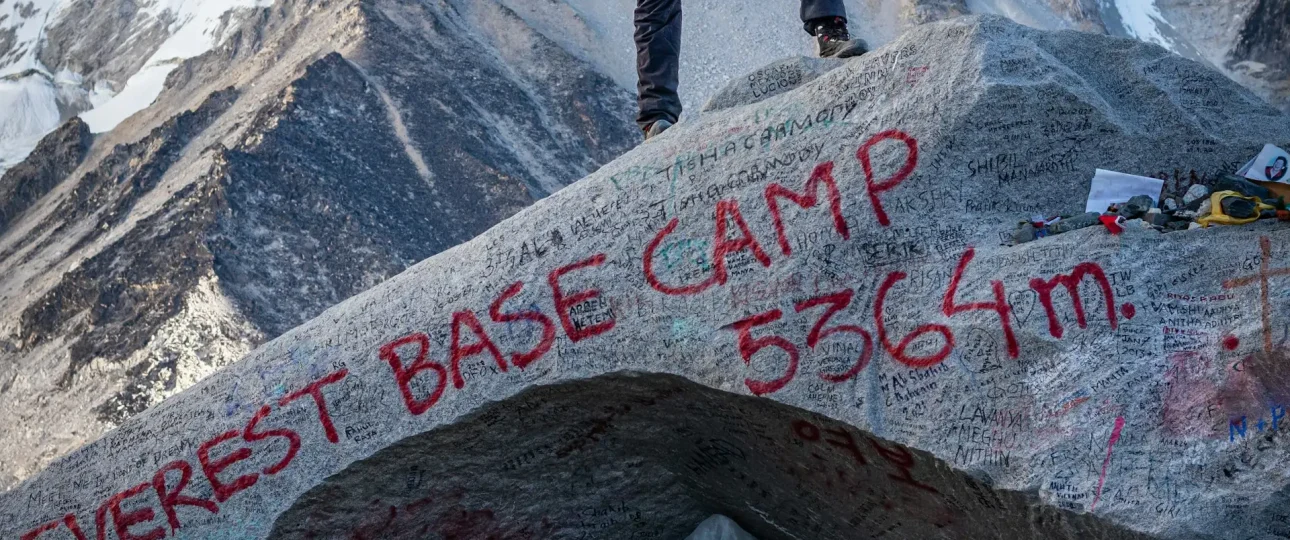
The Everest Base Camp trek is a 12–14 day teahouse trek in Nepal’s Khumbu region. You fly to Lukla, then walk through Namche Bazaar, Tengboche, Dingboche and Lobuche to Everest Base Camp at 5,364 metres. The highest viewpoint is Kala Patthar at 5,545 metres. It’s strenuous but non-technical. The main challenges are altitude, weather-dependent flights and cumulative fatigue. Beginners can do it with proper preparation. The typical cost ranges from US$1,200 to $2,500 per person, excluding international flights.
This Everest base camp trekking guide from Merriment Treks focuses on what you actually need to know before booking.
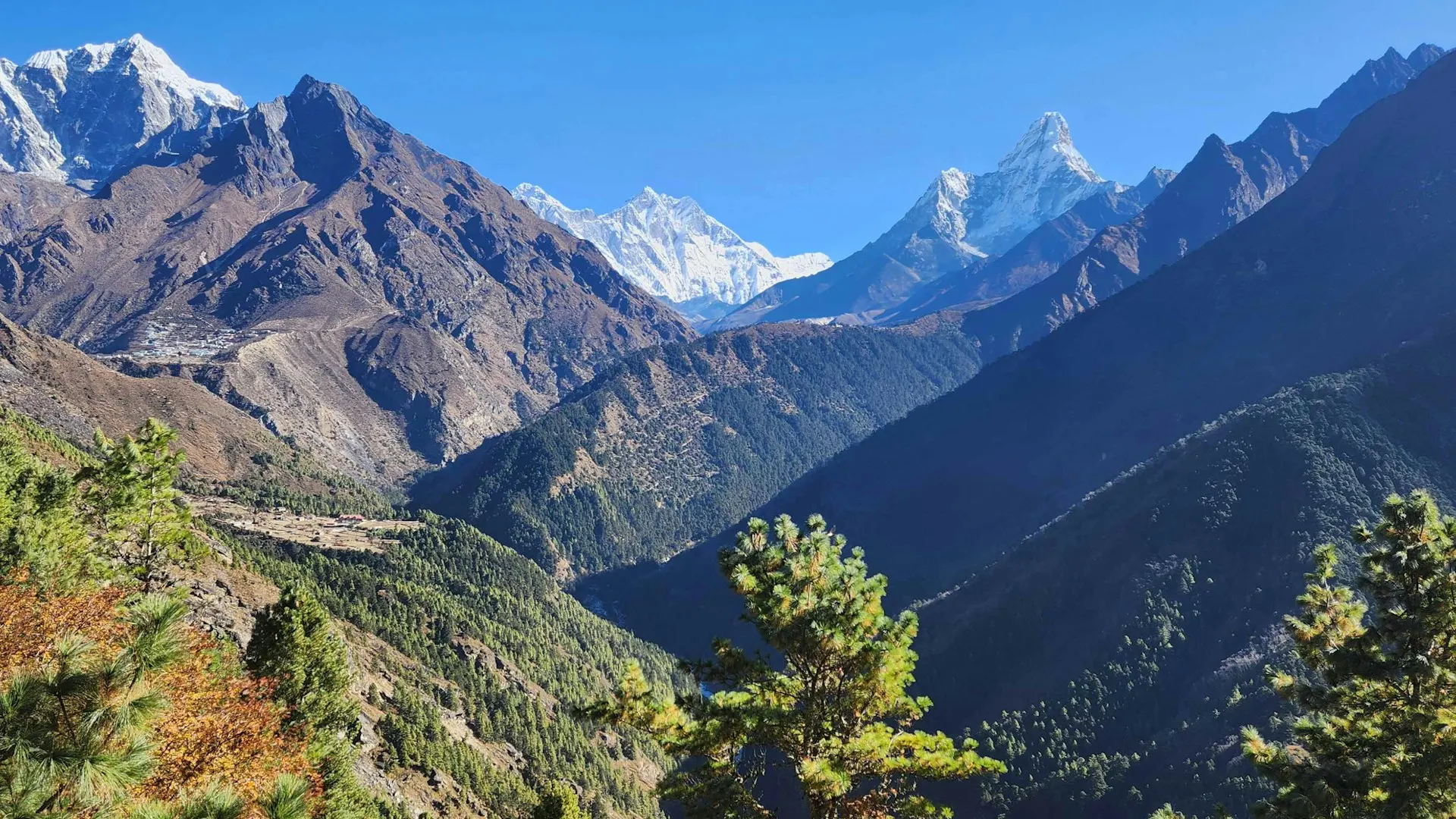
Everest Base Camp Trek at a Glance
Everest base camp trekking guide planning starts with understanding basic parameters.
| Detail | Information |
|---|---|
| Region | Khumbu, Nepal |
| Starting point | Lukla (flown from Kathmandu or Ramechhap) |
| Duration | 12–14 days standard |
| Everest Base Camp elevation | 5,364 m |
| Kala Patthar elevation | 5,545 m |
| Highest sleeping point | Gorak Shep (5,164 m) |
| Difficulty | Strenuous, non-technical |
| Accommodation | Teahouses/lodges |
| Guide requirement | Mandatory for foreign trekkers |
| Permits | Sagarmatha National Park, Khumbu Trek-Card |
| Best seasons | March–May, September–November |
| Main risk | Lukla flight delays, altitude sickness |
| Typical cost | US$1,200–2,500 per person |
These details are accurate as of early 2026. Always confirm current requirements with your trekking company before departure.
What Is the Everest Base Camp Trek Actually Like?
Everest Base Camp trek reality differs from social media images.
You won’t be alone in pristine wilderness. The Khumbu is a developed trekking region with established trails, teahouses and regular traffic during peak seasons. You’ll walk through Sherpa villages, cross suspension bridges, pass Buddhist monasteries and share the trail with other trekkers.
Each day follows a similar rhythm: wake early, eat breakfast, walk 5–7 hours, arrive at the next village, eat dinner, sleep. Repeat.
The terrain varies from forested valleys to rocky, barren high-altitude landscapes. The walking is steady rather than technical. The challenge comes from altitude, not mountaineering difficulty.
Teahouses offer basic rooms, simple meals and occasional hot showers. Above 4,000 metres, services become more limited. This is normal and expected.
The experience is physically demanding but deeply rewarding — if you understand what you’re signing up for.
Where Is Everest Base Camp Located?
Everest Base Camp sits on the Khumbu Glacier in Sagarmatha National Park, northeastern Nepal.
The trek begins in Lukla, a small mountain town at 2,860 metres. From there, you follow the Dudh Koshi River valley north through the Khumbu region.
The route passes through:
-
Phakding
-
Namche Bazaar
-
Tengboche
-
Dingboche
-
Lobuche
-
Gorak Shep
-
Everest Base Camp
One important note: you cannot see Mount Everest’s summit from Base Camp itself. The view is blocked by surrounding peaks. For the classic Everest panorama, you climb Kala Patthar above Gorak Shep.
This is why the trek is called “Everest Base Camp” and not “Everest viewpoint.” The destination is the base of the mountain, not a summit overlook.
Everest Base Camp Trek Route: Day-by-Day Breakdown
Everest Base Camp route follows a well-established path through the Khumbu Valley.
Lukla to Phakding
The first day is gentle. You descend through farmland and small villages, crossing suspension bridges over the Dudh Koshi. Walking time is 3–4 hours, giving your body time to adjust.
Phakding to Namche Bazaar
This is one of the hardest early days. The trail climbs steeply through pine forests, crosses high suspension bridges and finishes with a sustained ascent into Namche Bazaar. Expect 5–6 hours of walking with significant elevation gain.
Namche Bazaar Acclimatization Day
At 3,440 metres, Namche is the first critical acclimatization stop. You spend an extra day here, taking short walks to higher viewpoints like the Everest View Hotel and returning to sleep lower.
Namche to Tengboche
The trail contours high above the river before descending and climbing to Tengboche Monastery, one of the most important Buddhist sites in the region. Walking time is 5–6 hours.
Tengboche to Dingboche
The landscape becomes more barren as you pass above the tree line. Dingboche sits in a high valley surrounded by peaks, making it the second acclimatization point.
Dingboche Acclimatization Day
Another rest day, usually spent walking to Nagarjun Hill for views and returning to sleep.
Dingboche to Lobuche
The trail climbs past the memorials at Thukla Pass, honoring climbers who have died on Everest. This is a sobering but important part of the trek.
Lobuche to Gorak Shep to Everest Base Camp
You reach Gorak Shep, drop your bags, and continue to Everest Base Camp on the Khumbu Glacier. This is the emotional high point for most trekkers.
Gorak Shep to Kala Patthar
The next morning, you climb Kala Patthar in the dark to watch sunrise on Everest. This is the best viewpoint of the trek and the highest point most trekkers reach.
Everest Base Camp Trek Itinerary: Standard Plan
Everest Base Camp itinerary should include proper acclimatization.
| Day | Route | Sleeping Altitude | Walking Time | Notes |
|---|---|---|---|---|
| 1 | Fly to Lukla, trek to Phakding | 2,610 m | 3–4 hrs | Gentle start |
| 2 | Phakding to Namche Bazaar | 3,440 m | 5–6 hrs | Steep final climb |
| 3 | Acclimatization in Namche | 3,440 m | 2–3 hrs | Short hike |
| 4 | Namche to Tengboche | 3,860 m | 5–6 hrs | Monastery visit |
| 5 | Tengboche to Dingboche | 4,410 m | 5–6 hrs | Above tree line |
| 6 | Acclimatization in Dingboche | 4,410 m | 2–3 hrs | Nagarjun Hill |
| 7 | Dingboche to Lobuche | 4,940 m | 5–6 hrs | Thukla Pass |
| 8 | Lobuche to Gorak Shep to EBC | 5,164 m | 6–7 hrs | Base Camp visit |
| 9 | Kala Patthar sunrise, descend | 4,240 m | 6–7 hrs | Best Everest view |
| 10 | Descend to Namche | 3,440 m | 6–7 hrs | Long descent |
| 11 | Namche to Lukla | 2,860 m | 6–7 hrs | Final trek day |
| 12 | Fly to Kathmandu | 1,400 m | 30–35 min | Buffer recommended |
This itinerary includes two acclimatization days. Many travelers add one or two buffer days for weather-related delays.
Why Acclimatization Is Critical
Everest Base Camp altitude progression is the most important safety consideration.
The trek climbs from 2,860 metres at Lukla to 5,364 metres at Base Camp in about eight days. This is rapid by mountaineering standards.
Your body needs time to adjust to reduced oxygen. The itinerary includes rest days at Namche and Dingboche for this reason.
The principle is simple:
Climb high, sleep low.
You walk to a higher elevation during the day, then descend to sleep at a lower elevation. This stimulates acclimatization while reducing the risk of serious altitude illness.
Skipping acclimatization days increases your risk of Acute Mountain Sickness. A good Everest base camp trekking guide will never rush this process.
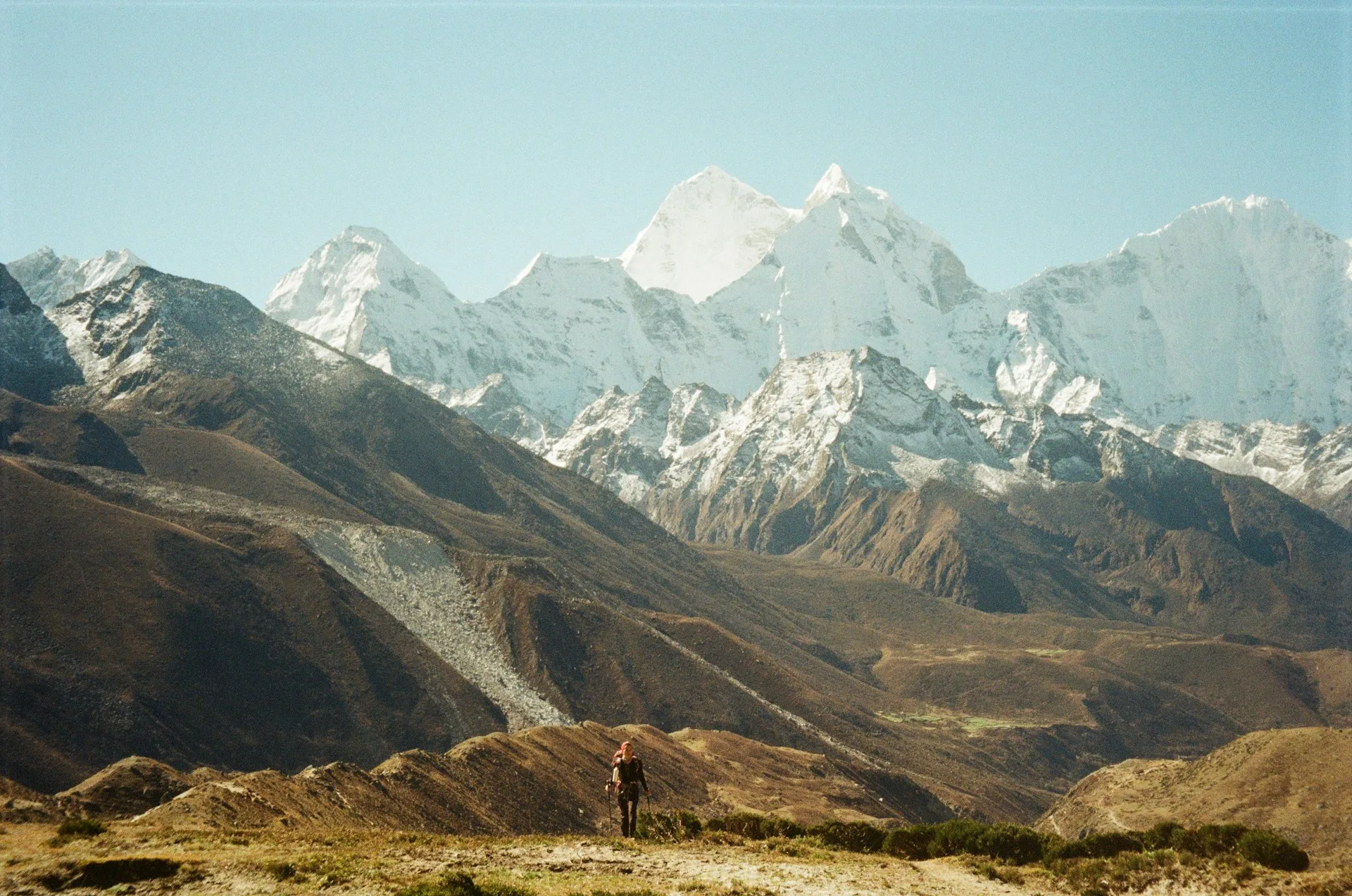
Everest Base Camp Trek Difficulty
Everest Base Camp difficulty is moderate to strenuous.
You don’t need technical mountaineering skills. No ropes, no ice axes, no climbing experience.
But the trek is demanding in other ways:
Physical Challenge
-
5–7 hours of walking daily
-
Steep climbs and descents
-
Rocky, uneven terrain
-
Cumulative fatigue over 10+ days
-
Cold nights and basic accommodation
Altitude Challenge
-
Reduced oxygen above 3,500 m
-
Sleep disruption
-
Reduced appetite
-
Breathlessness on climbs
-
Risk of altitude sickness
Mental Challenge
-
Repetitive daily routine
-
Discomfort from cold and fatigue
-
Weather uncertainty
-
Long days with limited privacy
The trek is achievable for fit beginners who prepare properly. It’s not easy.
Can Beginners Do Everest Base Camp?
Everest Base Camp for beginners is possible with preparation.
You don’t need trekking experience. You do need:
-
Good cardiovascular fitness
-
Ability to walk 5–7 hours daily for multiple days
-
Mental resilience
-
Realistic expectations about discomfort
-
Willingness to train before the trek
If you’re sedentary, you’ll struggle. If you can comfortably hike uphill for several hours with a daypack, you’re likely ready with proper training.
Altitude affects everyone differently. Fitness doesn’t guarantee immunity from altitude sickness. Even fit trekkers can develop symptoms.
A reputable trekking company will help you prepare and adjust the itinerary if needed.
Everest Base Camp Altitude and Altitude Sickness
Everest Base Camp altitude poses real risks that every trekker must understand.
Key Elevations
| Location | Elevation |
|---|---|
| Lukla | 2,860 m |
| Phakding | 2,610 m |
| Namche Bazaar | 3,440 m |
| Tengboche | 3,860 m |
| Dingboche | 4,410 m |
| Lobuche | 4,940 m |
| Gorak Shep | 5,164 m |
| Everest Base Camp | 5,364 m |
| Kala Patthar | 5,545 m |
Common AMS Symptoms
-
Headache
-
Nausea
-
Loss of appetite
-
Dizziness
-
Fatigue
-
Difficulty sleeping
Warning Signs Requiring Descent
-
Severe headache not relieved by medication
-
Vomiting
-
Confusion
-
Loss of coordination
-
Breathlessness at rest
-
Persistent cough
If symptoms worsen, descend immediately. No destination is worth risking serious altitude illness.
This is not medical advice. Consult a travel medicine professional before your trek.
Everest Base Camp Trek Permits in 2026
Everest Base Camp permits are essential. Here’s what you need.
Sagarmatha National Park Entry Permit
-
Required for all trekkers entering the national park
-
Fee: approximately NPR 3,000 for foreign adults
-
Lower fees for SAARC nationals
-
Obtained in Kathmandu or at Monjo
Khumbu Pasang Lhamu Rural Municipality Trek-Card
-
Local entry document for the Khumbu region
-
Fee: approximately NPR 2,000 per person
-
Obtained in Lukla or pre-arranged by your trekking company
TIMS Card
TIMS is no longer required for the standard Everest Base Camp route. The Khumbu Trek-Card has replaced it in this region. Many outdated websites still mention TIMS, causing confusion.
Guide Requirement
Foreign trekkers are required to trek with a licensed guide or through a registered trekking agency. This regulation remains in effect for 2026.
At Merriment Treks, we handle all permits for our clients and explain exactly what’s included before you book.
Everest Base Camp Trek Cost: Realistic Breakdown
Everest Base Camp cost varies widely depending on package type, season and services.
Typical Cost Components
| Expense Category | Estimated Cost (USD) |
|---|---|
| Lukla flights (return) | $350–450 |
| Guide (per day) | $25–35 |
| Porter (per day) | $20–25 |
| Permits | $40–60 |
| Accommodation (per night) | $5–15 |
| Food (per day) | $25–40 |
| Travel insurance | $100–200 |
| Equipment | $100–500 |
| Tips | $100–200 |
| Contingency | $200–500 |
Why Package Prices Vary
-
Budget packages may not include flights, permits or food
-
Standard packages include core services
-
Premium packages include better accommodation and support
Always ask what’s included. A cheap trek can become expensive when essential costs are added later.
How to Get to Lukla
Everest Base Camp trek begins with the flight to Lukla.
Kathmandu to Lukla
Flights operate from Tribhuvan International Airport to Tenzing-Hillary Airport in Lukla. The flight takes 25–35 minutes.
Ramechhap to Lukla
During peak seasons, Lukla flights may operate from Manthali Airport in Ramechhap. This requires a 3–5 hour road transfer from Kathmandu, usually starting in the very early morning.
Why This Matters
You cannot assume your flight departs from Kathmandu. Always confirm the departure airport with your trekking company.
Flight Delays and Cancellations
Lukla flights are weather-dependent. Cloud, rain and wind frequently cause delays or cancellations. Always add at least 1–2 buffer days.
Best Time for Everest Base Camp Trek
Everest Base Camp weather varies dramatically by season.
| Season | Months | Conditions | Crowds |
|---|---|---|---|
| Spring | March–May | Stable weather, rhododendrons, good visibility | High |
| Summer/Monsoon | June–August | Rain, cloud, poor visibility, leeches | Low |
| Autumn | September–November | Clear skies, stable weather, excellent visibility | High |
| Winter | December–February | Cold, snow possible, quiet trails | Low |
Best months: October, November, March, April.
Shoulder months: May, September.
Avoid unless flexible: June, July, August.
Everest Base Camp Trek Packing List
Everest Base Camp packing should prioritize function over fashion.
Essential Clothing
-
Insulated jacket
-
Fleece or warm mid-layer
-
Thermal base layers
-
Trekking trousers
-
Quick-dry shirts
-
Waterproof jacket and trousers
-
Warm hat, gloves, sun hat
-
Trekking socks
Footwear
-
Waterproof trekking boots (broken in)
-
Gaiters
-
Camp shoes
Equipment
-
Daypack (30–40 litres)
-
Sleeping bag rated to at least -10°C
-
Trekking poles
-
Headlamp
-
Water bottles
-
Water purification tablets
Personal Items
-
Sunscreen
-
Lip balm
-
Toiletries
-
Medications
-
First aid kit
-
Power bank
-
Passport and permits
-
Travel insurance documents
Keep your daypack light. Your porter carries the rest.
Food and Water on the Trek
Everest Base Camp trek food is simple but adequate.
Meals
Teahouses serve Nepali, Tibetan and Western dishes. Dal bhat (rice, lentil soup, vegetables) is the staple. It’s filling, nutritious and often comes with refills.
Other options include noodles, rice dishes, potatoes, eggs, porridge and hot drinks.
Above 4,000 metres, menus become limited and prices increase.
Water
Never drink untreated water. Use purification tablets, a water filter or boiled water from teahouses.
Hydration is critical for altitude acclimatization. Drink 3–4 litres daily.
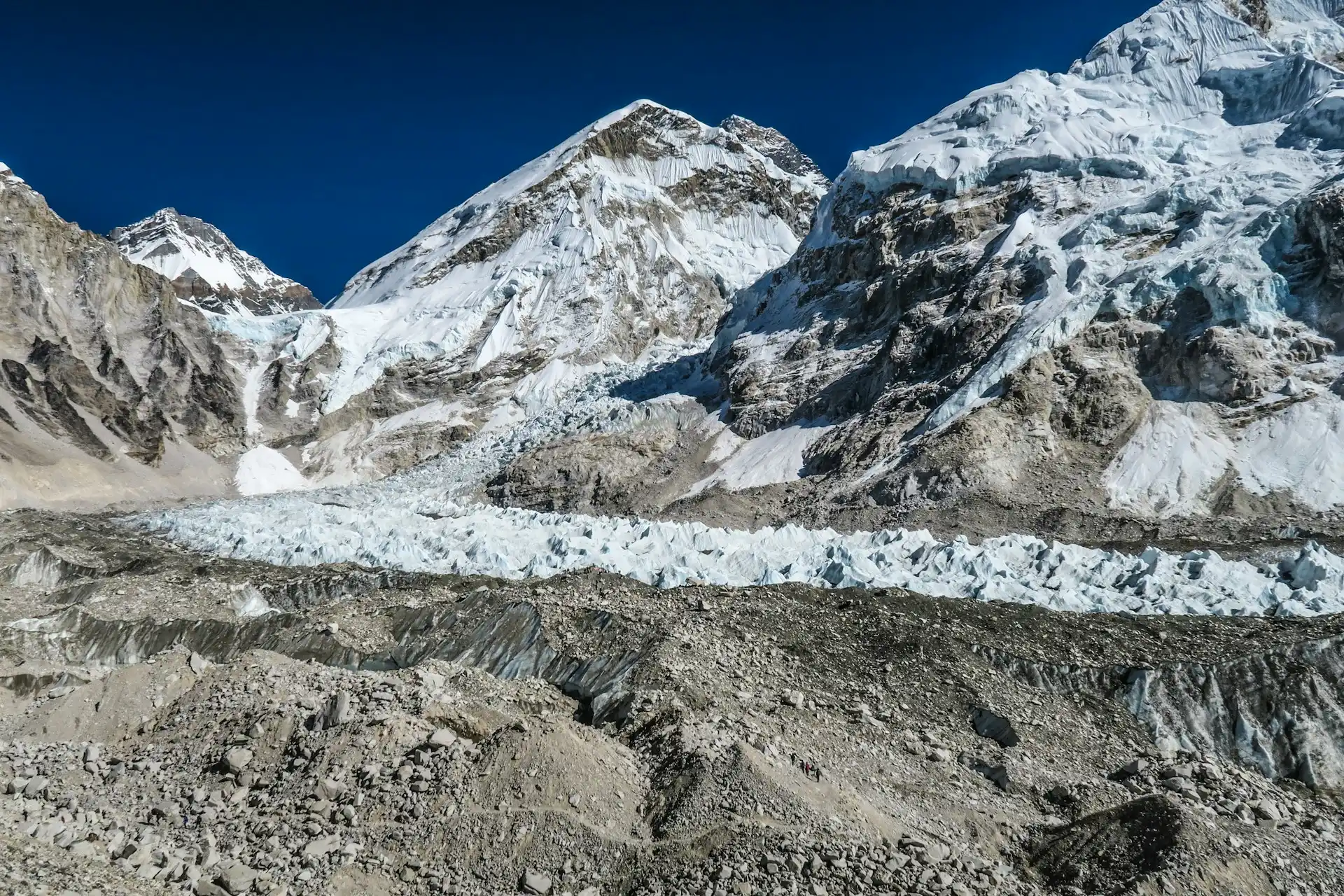 Everest Base Camp trekking guide 2026
Accommodation on the Trek
Everest Base Camp accommodation is basic but functional.
Teahouses
Most nights are spent in teahouses with:
-
Twin rooms with basic beds
-
Shared bathrooms
-
Limited hot showers (paid)
-
Communal dining area
-
Limited electricity
-
Wi-Fi at lower elevations
Higher Altitudes
Above Dingboche, conditions become more basic. Heating is minimal. Bathrooms are often outside. Hot showers may not be available.
Bring a good sleeping bag. Teahouse blankets exist but may not be clean or warm enough.
Guide and Porter: Do You Need Them?
Everest Base Camp trek requires a guide for foreign trekkers under current Nepal regulations.
Guide
A licensed guide handles navigation, permits, accommodation, emergencies and cultural context.
Porter
A porter carries your main bag, allowing you to trek with only a daypack. Porters typically carry up to 20–25 kg.
Porters are not mandatory but most trekkers use them. It reduces physical strain at altitude and supports local employment.
What Happens If Your Lukla Flight Is Cancelled?
Everest Base Camp trek logistics depend heavily on Lukla flights.
Cancellations happen regularly, especially during monsoon and winter.
What to Do
-
Stay in contact with your trekking company
-
Ask about rebooking options
-
Consider helicopter options if available
-
Adjust your itinerary
-
Don’t panic — this is normal
Why Buffer Days Matter
If you have buffer days, a cancelled flight is an inconvenience. Without buffer days, it can ruin your trip.
Always plan at least one extra day at the start and end of your trek.
Common Everest Base Camp Trek Mistakes
Avoid these errors:
-
Skipping acclimatization days — increases altitude sickness risk
-
Packing too much — extra weight creates problems
-
Ignoring hydration — dehydration worsens altitude symptoms
-
Booking international flights too tight — Lukla delays happen
-
Choosing the cheapest package — hidden costs appear later
-
Not training properly — you’ll suffer on climbs
-
Expecting luxury — teahouses are basic
-
Ignoring weather — mountain weather changes fast
-
Not carrying cash — ATMs are rare above Namche
-
Underestimating the mental challenge — trekking is repetitive
How to Prepare Physically
Everest Base Camp trek preparation should start 3–6 months before departure.
Training Focus
-
Long walks (build up to 5–6 hours)
-
Uphill hiking with a loaded daypack
-
Stair climbing
-
Leg strength exercises
-
Cardiovascular fitness
What Fitness Helps
You’ll recover faster, enjoy the trek more and reduce injury risk. Fitness doesn’t prevent altitude sickness.
Final Month
Maintain fitness, break in boots, test gear, rest before departure.
How to Choose an Everest Base Camp Trekking Company
Everest Base Camp trek company choice affects safety, comfort and experience.
What to Check
-
Is the company registered?
-
Are guides licensed and experienced?
-
Are permits included?
-
Are Lukla flights included?
-
What’s the cancellation policy?
-
How are emergencies handled?
-
What’s the guide-to-client ratio?
-
Are porters treated fairly?
-
Are acclimatization days included?
-
Are costs transparent?
Red Flags
-
Prices significantly lower than competitors
-
Vague answers about inclusions
-
No emergency plan
-
Itineraries without acclimatization days
-
Pressure to book immediately
Is Everest Base Camp Worth It?
Everest Base Camp trek is worth it for the right person.
If you want comfort and guaranteed views, this trek isn’t for you.
If you want to test yourself physically and mentally, experience Sherpa culture, walk through dramatic landscapes and earn the view from Kala Patthar, it’s absolutely worth it.
The trek is hard. The altitude is real. The weather can frustrate you. But the difficulty is part of what makes it meaningful.
Why Choose Merriment Treks for Everest Base Camp?
At Merriment Treks, we plan Everest Base Camp treks with realistic expectations and proper support.
We handle:
-
All permits and paperwork
-
Lukla flight arrangements
-
Licensed, experienced guides
-
Porter coordination
-
Accommodation booking
-
Acclimatization planning
-
Emergency contingency planning
-
Transparent pricing
We don’t promise perfect weather or guaranteed views. We promise honest guidance, practical planning and a team that knows the Khumbu.
If you’re planning Everest Base Camp in 2026, contact us. We’ll help you choose the right itinerary, prepare properly and trek with confidence.
Everest Base Camp Trek Planning Checklist
Before departure:
- □ Passport valid for 6+ months
- □ Nepal visa arranged
- □ Travel insurance with high-altitude coverage
- □ Permits confirmed
- □ Lukla flights booked
- □ Guide and porter arranged
- □ Physical training completed
- □ Trekking boots broken in
- □ Packing list complete
- □ Medications packed
- □ Cash in Nepali rupees
- □ Buffer days planned
- □ International flights not too tight
- □ Emergency contacts saved
Frequently Asked Questions About Everest Base Camp Trek Guide
1. How long does the Everest Base Camp trek take?
The standard trek takes 12–14 days, including acclimatization days and flights to and from Lukla.
2. How difficult is Everest Base Camp?
It’s strenuous but non-technical. You need good fitness and mental resilience, but no mountaineering skills.
3. Can beginners trek to Everest Base Camp?
Yes, fit beginners can complete the trek with proper training and realistic expectations.
4. How much does Everest Base Camp cost?
Expect to spend US$1,200–2,500 per person for a standard package, excluding international flights.
5. Do I need a guide for Everest Base Camp?
Yes. Foreign trekkers are required to trek with a licensed guide or through a registered agency.
6. What permits do I need for Everest Base Camp?
You need the Sagarmatha National Park Entry Permit and the Khumbu Pasang Lhamu Rural Municipality Trek-Card.
7. What is the highest altitude on the Everest Base Camp trek?
The highest point is Kala Patthar at 5,545 metres. Base Camp is at 5,364 metres.
8. What is the best month for Everest Base Camp?
October and November offer the best combination of stable weather and clear visibility. March and April are also excellent.
9. How do I get to Lukla?
Fly from Kathmandu or Ramechhap to Tenzing-Hillary Airport in Lukla.
10. What happens if my Lukla flight is cancelled?
You wait for the next available flight or consider helicopter options. Buffer days are essential.
11. What should I pack for Everest Base Camp?
Pack warm layers, waterproof gear, broken-in boots, a good sleeping bag and trekking poles.
12. Is Everest Base Camp dangerous?
The main risks are altitude sickness and weather-related flight disruptions. With proper planning, the trek is achievable for most fit travelers.
13. How do you prevent altitude sickness?
Ascend slowly, include acclimatization days, stay hydrated, avoid alcohol and descend if symptoms worsen.
14. What is accommodation like on the trek?
Teahouses offer basic twin rooms, shared bathrooms and simple meals. Conditions become more basic at higher elevations.
15. Is Everest Base Camp worth it?
For most trekkers, yes. The physical challenge, cultural experience and mountain landscapes make it one of the world’s great treks.
Final Thoughts: Plan Everest Base Camp With Realistic Expectations
Everest base camp trekking guide research is the first step in a journey that requires physical preparation, logistical planning and mental readiness.
The trek itself is demanding but achievable. The altitude is serious but manageable with proper acclimatization. The logistics are complex but solvable with the right support.
The key is choosing a trekking company that tells you the truth, prepares you properly and supports you when conditions change.
At Merriment Treks, we’ve built our Everest Base Camp programs around realistic itineraries, experienced guides and transparent communication. We want you to reach Base Camp — and enjoy the journey.
If you’re ready to start planning, contact us. We’ll help you understand the route, prepare your body, sort out permits and flights, and build an itinerary that gives you the best possible chance of success.
The mountain will be there. Make sure you’re ready for it.