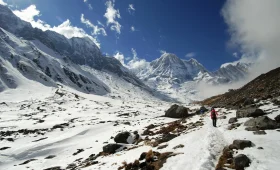
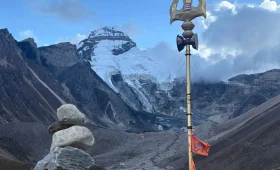
Mount Everest in summer
This is a subject surrounded by misunderstanding. Some travelers assume summer means warm, pleasant trekking weather. Others think the mountain is completely inaccessible during monsoon months. Both assumptions are wrong.
Here’s the truth: Mount Everest in summer is accessible for trekking, but it’s not the season for summit climbing. From June through August, the South Asian monsoon brings moisture, cloud cover, rain at lower elevations, snow at higher elevations, and frequent Lukla flight disruptions. The trails are quieter, the landscape turns green, and the mountain often hides behind clouds. You can trek to Everest Base Camp in summer — but you need flexibility, proper gear, and realistic expectations about visibility.
This guide from Merriment Treks explains what Mount Everest in summer 2026 actually looks like. We cover June, July and August separately, explain how the monsoon works at different elevations, compare Nepal and Tibet, and help you decide whether summer is the right time for your Everest trip.
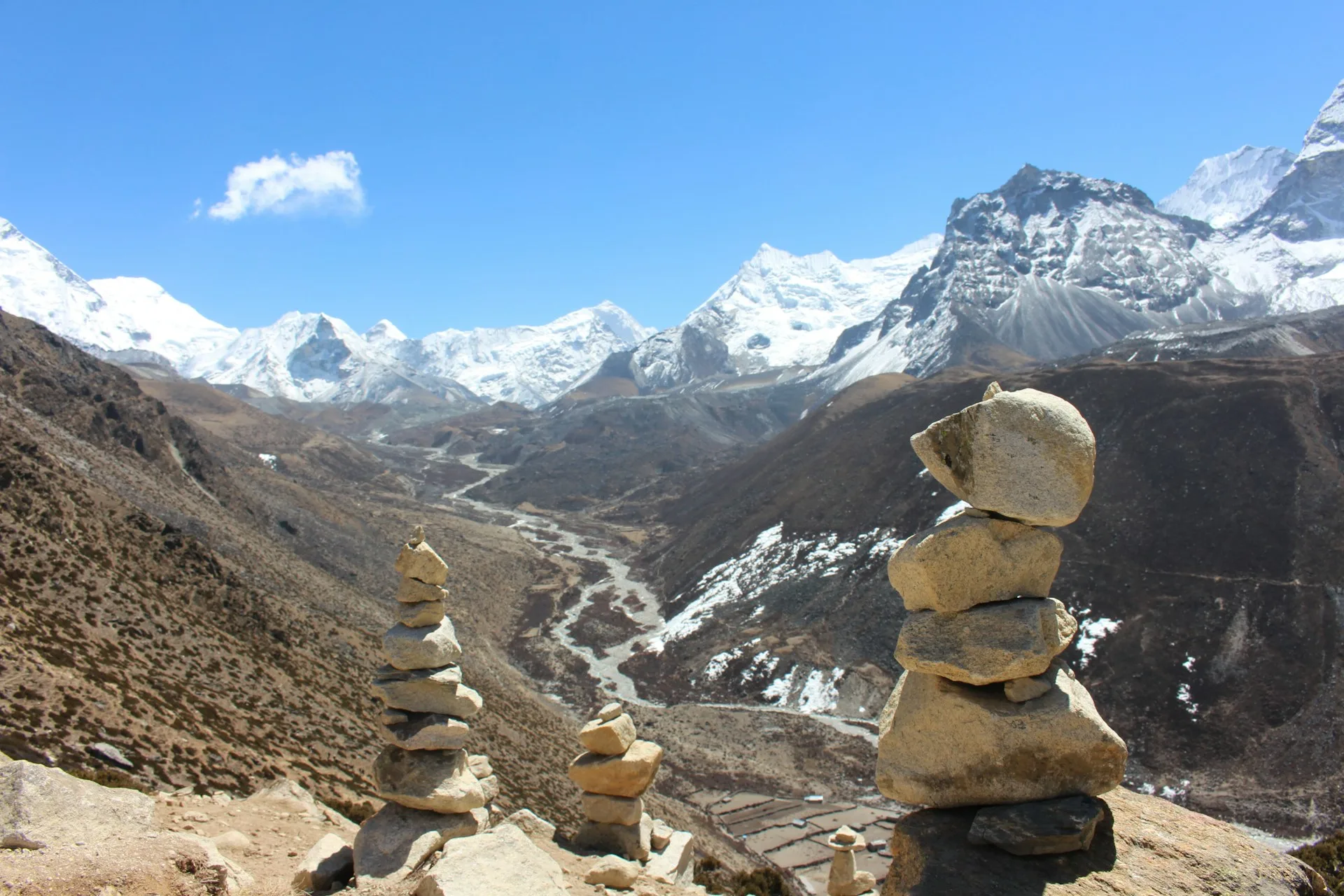
Mount Everest in Summer: What You Need to Know First
Mount Everest in summer means the monsoon. This is the single most important concept.
The monsoon is not constant rain. It’s a seasonal weather pattern where moisture-laden air moves from the Bay of Bengal toward the Himalayas. When this air hits the mountains, it rises, cools, and produces cloud, rain, and unstable conditions.
The effect on Mount Everest depends on elevation:
| Elevation Zone | Location | Summer Conditions |
|---|---|---|
| 1,400 m | Kathmandu | Hot, humid, heavy rain |
| 2,860 m | Lukla | Mild, frequent rain, cloudy |
| 3,440 m | Namche Bazaar | Cool, wet, misty |
| 3,860 m | Tengboche | Cool, cloudy, rain possible |
| 4,410 m | Dingboche | Cold nights, rain/snow mix |
| 4,940 m | Lobuche | Cold, snow possible |
| 5,164 m | Gorak Shep | Cold, snowfall possible |
| 5,364 m | Everest Base Camp | Cold, often obscured |
| 8,849 m | Everest summit | Extreme, not climbable |
The key takeaway: you cannot describe Mount Everest in summer with one temperature or one weather pattern. Conditions change dramatically as you gain elevation.
Is Mount Everest Open in Summer?
Mount Everest in summer remains open for trekking. Sagarmatha National Park does not close. The trekking route to Everest Base Camp does not shut down. Teahouses continue operating, though some may have reduced staff.
But “open” does not mean “ideal.”
The main climbing season for Mount Everest runs from late April through May. During this window, the jet stream moves away from the summit, creating stable conditions for summit attempts. By June, the monsoon arrives and the climbing season ends. Summer climbing attempts are extremely rare and generally considered unsafe.
For trekkers, the situation is different:
-
Everest Base Camp trekking: Possible, with weather-related challenges
-
Everest summit climbing: Not advisable in summer
-
Viewing Everest: Possible, but visibility is often poor
Mount Everest in summer is a trekking season, not a climbing season.
Mount Everest Summer Weather: Understanding the Monsoon
Mount Everest in summer weather is dominated by the monsoon. This affects every aspect of your trek.
What the Monsoon Means
The monsoon brings:
-
Moisture-laden air from the Bay of Bengal
-
Cloud buildup, especially after midday
-
Rain at lower elevations (Lukla, Phakding, Namche)
-
Snow at higher elevations (above 4,500 m)
-
Reduced mountain visibility
-
Rapid weather changes
-
Flight disruptions
Daily Weather Pattern
A typical summer day in the Khumbu follows this pattern:
-
Early morning: Clearer skies, better visibility, possible mountain views
-
Mid-morning: Clouds begin building
-
Afternoon: Rain or snow likely, visibility drops significantly
-
Evening: Cloud may clear or remain
-
Night: Conditions can stabilize or deteriorate
This is why summer trekking schedules start early and aim to finish the day’s walking before afternoon weather arrives.
Mount Everest Temperature in Summer
Mount Everest in summer temperature varies by elevation. This is critical for packing and preparation.
| Location | Elevation | Daytime Temperature | Nighttime Temperature |
|---|---|---|---|
| Lukla | 2,860 m | 15–20°C | 8–12°C |
| Namche Bazaar | 3,440 m | 12–18°C | 5–10°C |
| Tengboche | 3,860 m | 8–14°C | 2–6°C |
| Dingboche | 4,410 m | 5–12°C | -2 to 4°C |
| Lobuche | 4,940 m | 2–8°C | -5 to 0°C |
| Gorak Shep | 5,164 m | 0–6°C | -8 to -2°C |
| Everest Base Camp | 5,364 m | -2 to 5°C | -10 to -5°C |
These are approximate ranges based on typical conditions. The important lesson is that lower elevations feel warm and humid during summer, while higher elevations remain cold regardless of season.
Never pack only for warm weather. Even in summer, you need full cold-weather gear for high altitudes.
Mount Everest in June: The Transition Month
Mount Everest in June marks the transition from spring to monsoon.
Early June
Early June can feel like an extension of spring. The monsoon is building but may not have fully arrived. Visibility may still be reasonable, especially in the mornings. Lukla flights operate more reliably than later in summer.
Late June
By late June, the monsoon pattern establishes itself. Cloud cover increases. Rain becomes more frequent at lower elevations. Mountain views become less reliable. Flight cancellations become more common.
What This Means for Trekkers
If you want to trek Mount Everest in June, aim for early to mid-June. This offers the best balance between fewer crowds and acceptable weather. Late June is still possible but requires more flexibility.
Mount Everest in July: Peak Monsoon
Mount Everest in July means the monsoon at its strongest.
July is typically the wettest month in Nepal, including the Khumbu region. Conditions include:
-
Heavy rain at lower elevations
-
Persistent cloud cover
-
Poor mountain visibility
-
Muddy trails
-
Leeches below Namche
-
Snow at higher elevations
-
Frequent Lukla flight cancellations
-
Very few trekkers on the trail
July is the most challenging month for Everest trekking. It’s not impossible, but you need maximum patience, proper rain gear, and the ability to accept that Mount Everest may remain hidden behind clouds for days.
Mount Everest in August: Continued Monsoon, Slight Improvement
Mount Everest in August continues the monsoon pattern, though late August can show improvement.
What to Expect
-
Rain remains frequent, especially early in the month
-
Cloud cover persists
-
Trails stay wet and muddy
-
Leeches remain active below Namche
-
Lukla flights still weather-dependent
-
Late August may bring slightly better conditions
-
Crowds remain minimal
August is slightly less wet than July in many parts of Nepal, but the difference is not dramatic. The weather remains unpredictable, and mountain visibility stays limited.
Can You Climb Mount Everest in Summer?
Can you climb Mount Everest in summer is a common question with a clear answer.
No, not realistically.
The main climbing season for Mount Everest is spring, from late April through May. During this window, the jet stream shifts northward, creating calmer winds near the summit. Expeditions use this period to attempt the summit.
By June, the monsoon arrives. Summer conditions on the upper mountain include:
-
Heavy snowfall
-
High avalanche risk
-
Unstable weather
-
Poor visibility
-
No reliable summit window
-
Dangerous route conditions
Autumn offers a shorter, less reliable climbing window in October and November, but spring remains the primary season.
If your goal is climbing Mount Everest, summer is the wrong time.
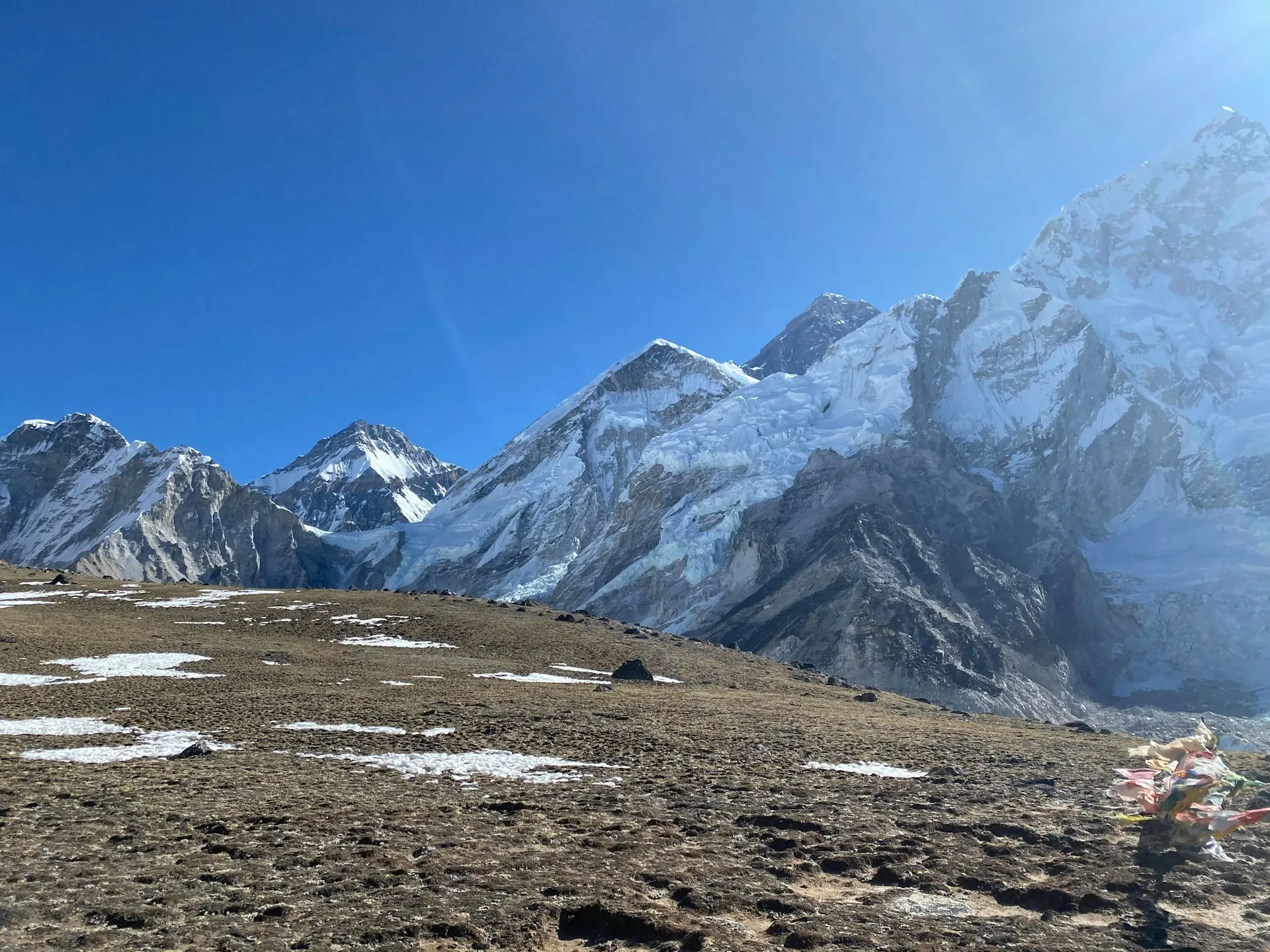
Can You Trek to Everest Base Camp in Summer?
Can you trek to Everest Base Camp in summer is the more relevant question for most travelers.
The answer is yes, with significant caveats.
What Works in Summer
-
Teahouses are open, though some operate with reduced capacity
-
Trails are walkable
-
Permits are available
-
Guides and porters are available
-
The route is much quieter than peak season
-
Lower elevations are green and lush
-
Costs may be lower
What’s Difficult in Summer
-
Lukla flights frequently delayed or cancelled
-
Rain makes trails muddy and slippery
-
Leeches appear below Namche
-
Mountain views often obscured
-
Higher elevations remain cold with snow possible
-
Extra contingency days are essential
Who Should Trek in Summer
Travelers who:
-
Have flexible schedules
-
Don’t mind rain and wet conditions
-
Prefer solitude over clear views
-
Want to experience the monsoon landscape
-
Can add buffer days for flight disruptions
-
Accept that Everest may remain hidden
Who Should Avoid Summer
Travelers who:
-
Want the best chance of clear mountain views
-
Have tight schedules
-
Dislike rain, mud and leeches
-
Want the classic spring/autumn experience
-
Are anxious about flight cancellations
Can You See Mount Everest in Summer?
Mount Everest in summer visibility is limited. This is one of the most important expectations to set.
During the monsoon, cloud cover frequently obscures the high peaks. Mount Everest may be visible during early mornings, but views often disappear by midday.
| Month | Visibility Outlook |
|---|---|
| June (early) | Better than July/August, especially mornings |
| June (late) | Declining visibility |
| July | Poor visibility most days |
| August | Poor, with possible late-month improvement |
If seeing Mount Everest clearly is your primary goal, summer is not the best season. Spring and autumn offer much better visibility. If you accept that the mountain may stay hidden, summer can still offer a rewarding trek.
Everest Base Camp in Summer: The Real Experience
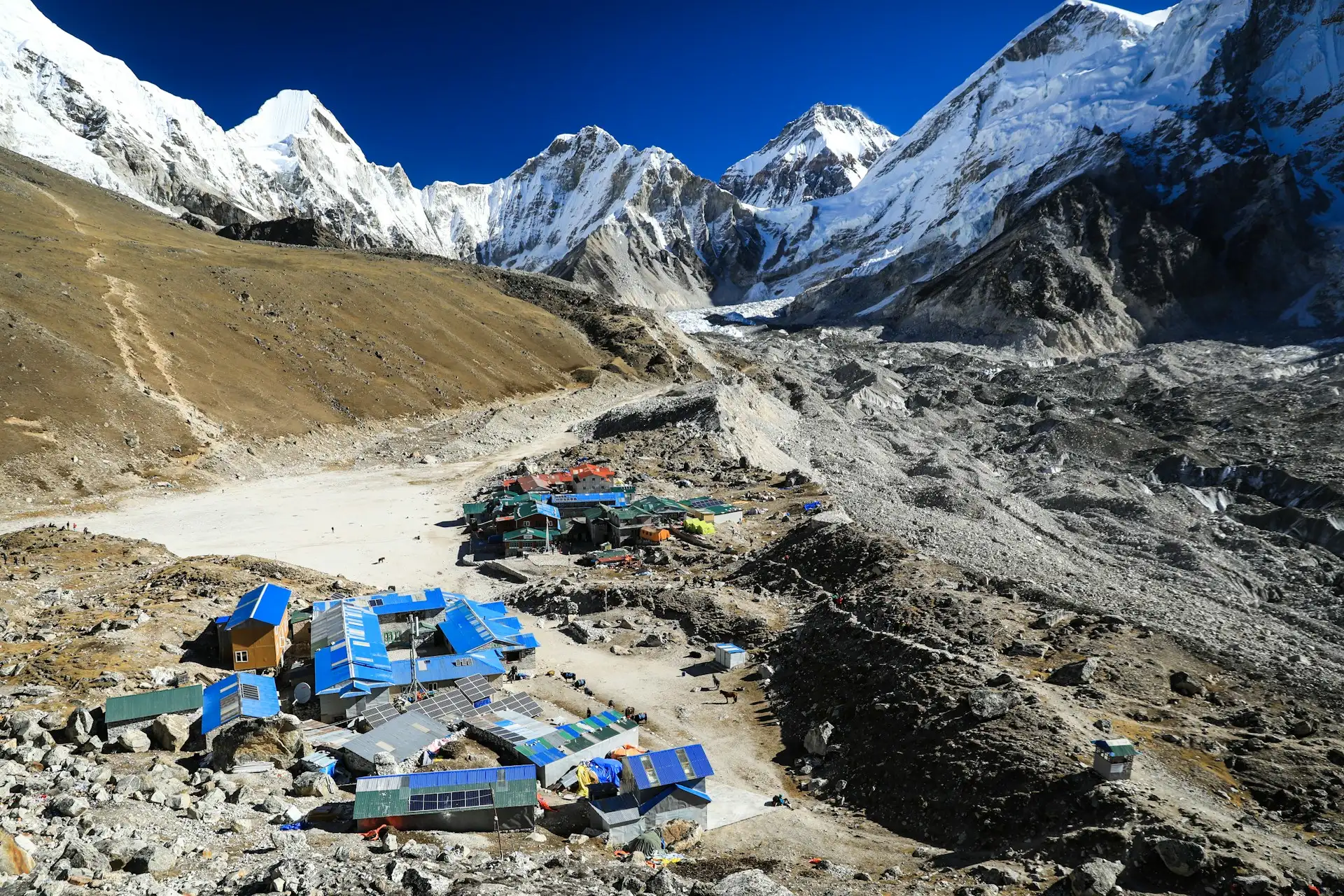
Everest Base Camp in summer looks different from the classic postcard images.
The Landscape
Lower elevations become lush, green and alive. Waterfalls appear along the trail. The monsoon transforms the Khumbu into a vibrant, living landscape. Above Namche, the terrain becomes more barren, but cloud and mist create a different kind of atmosphere.
The Trails
Expect mud, puddles and wet rocks. Leeches appear in the forests below Namche, especially after rain. The trails are quieter, with far fewer trekkers than peak season.
The Teahouses
Most teahouses remain open, but some may have limited staff or reduced menus. Finding accommodation is rarely a problem in summer because fewer trekkers are on the trail.
The Atmosphere
Summer feels more local. With fewer international trekkers, you’ll encounter more Nepali visitors and local residents. The pace feels slower and less commercial.
Flying to Lukla in Summer: The Biggest Challenge
Lukla flights in summer are the most significant logistical challenge for Everest trekkers.
The monsoon affects Lukla operations significantly. Cloud, rain and reduced visibility frequently delay or cancel flights. This applies to both Kathmandu-Lukla and Ramechhap-Lukla services.
What to Expect
-
Morning flights more likely than afternoon flights
-
Cancellations common during heavy rain
-
Backlogs can develop after multiple cancelled flights
-
Helicopter options may be limited by weather
-
Road transfer to Ramechhap may still end in a cancelled flight
How to Plan
-
Add at least 2–3 buffer days for summer trekking
-
Don’t book international flights immediately after your trek
-
Work with a trekking company that handles rebooking
-
Consider helicopter options as backup where available
-
Stay flexible with your itinerary
At Merriment Treks, we plan summer treks with extra contingency days because we know how disruptive Lukla weather can be during monsoon.
Nepal vs Tibet: Mount Everest in Summer
Mount Everest in summer offers different experiences on the Nepal and Tibet sides.
| Factor | Nepal Side | Tibet Side |
|---|---|---|
| Access | Fly to Lukla, then trek | Drive from Lhasa to Base Camp |
| Elevation approach | Gradual trekking ascent | Rapid road access to high altitude |
| Summer weather | Monsoon rain, cloud | Drier, but still cloudy |
| Base Camp | Trekking-only in summer | North Base Camp, less trekking required |
| Permit process | National park + local permits | Tibet permit + group requirement |
| Crowds | Fewer in summer | Generally low in summer |
| Visibility | Poor due to monsoon | Better than Nepal side, but variable |
| Practicality | More weather-dependent | More accessible but less trekking experience |
The Tibet side is typically drier during summer because the Himalayas block some monsoon moisture from reaching the Tibetan Plateau. However, Tibet access requires permits through a registered Chinese operator, and independent travel is not permitted.
For most trekkers asking about Mount Everest in summer, the Nepal side remains the primary option.
Advantages of Mount Everest in Summer
Mount Everest in summer has real benefits that many travelers overlook.
1. Fewer Crowds
Spring and autumn attract the largest numbers of trekkers. Summer sees a dramatic drop in visitors. Trails are quieter. Teahouses are less busy.
2. Greener Landscapes
The monsoon transforms lower elevations into lush, green terrain. Waterfalls, wildflowers and vivid vegetation create a completely different visual experience.
3. Lower Costs
Some teahouses and operators offer reduced rates during summer. Flights may be easier to book at lower fares.
4. More Local Atmosphere
With fewer international trekkers, you’ll experience a more authentic Khumbu. Locals have more time to talk. The pace feels slower.
5. Different Kind of Trek
If you’ve already seen the classic postcard views of Everest, summer offers a different perspective. The monsoon landscape, dramatic clouds and moody atmosphere can be compelling.
Disadvantages of Mount Everest in Summer
Mount Everest in summer also has clear disadvantages.
1. Poor Visibility
The biggest drawback. Mount Everest may remain hidden behind cloud for days.
2. Rain and Wet Conditions
Rain at lower elevations means muddy trails, wet gear and leeches.
3. Flight Disruptions
Lukla flights are frequently cancelled or delayed during summer.
4. Leeches
Below Namche, leeches are a real nuisance during the monsoon.
5. Cold at Higher Elevations
Despite warm lower-elevation temperatures, higher elevations remain cold.
6. No Climbing
Summer is not the climbing season.
June vs July vs August: What’s the Difference?
Mount Everest in summer changes throughout the season.
| Factor | June | July | August |
|---|---|---|---|
| Monsoon stage | Early/arriving | Peak | Continuing/easing |
| Rain at low elevation | Moderate | Heavy | Heavy to moderate |
| Cloud cover | Increasing | Persistent | Persistent |
| Visibility | Better early June | Poor | Poor, slight late improvement |
| Temperature | Warm | Warm/humid | Warm/humid |
| Trails | Muddy by late June | Wet, leeches | Wet, leeches |
| Lukla flights | More reliable early June | Often disrupted | Still disrupted |
| Crowds | Low | Lowest | Low |
| Best for | Early summer trekking | Flexible travelers only | Late-month improvement possible |
If you must trek in summer, early June is generally the most favorable. For July or August, build in maximum flexibility.
Summer vs Spring/Autumn: Comparison
Mount Everest in summer compares differently with the main trekking seasons.
| Factor | Summer (June–August) | Spring (March–May) | Autumn (September–November) |
|---|---|---|---|
| Visibility | Poor | Good | Excellent |
| Crowds | Low | High (April–May) | High (October–November) |
| Rain | Heavy | Low | Low |
| Temperature | Warm at low elevation | Moderate | Cool but clear |
| Trails | Wet, muddy | Dry | Dry |
| Lukla flights | Unreliable | Reliable | Mostly reliable |
| Landscape | Green, lush | Rhododendrons blooming | Clear, dry |
| Overall experience | Challenging, atmospheric | Classic, busy | Classic, clear |
For most first-time trekkers, autumn or spring offers a more predictable and visually rewarding experience. Summer is best for repeat visitors or flexible travelers.
What to Pack for Mount Everest in Summer
Mount Everest in summer packing requires balancing rain protection with cold-weather gear.
Essential Packing Categories
| Category | Items |
|---|---|
| Rain protection | Waterproof jacket, waterproof trousers, pack cover, dry bags |
| Warm layers | Insulated jacket, fleece, thermal base layers |
| Trekking clothing | Quick-dry shirts, trekking trousers, socks, underwear |
| Footwear | Waterproof trekking boots, gaiters, camp shoes |
| Sleeping | Sleeping bag rated for cold temperatures |
| Accessories | Gloves, warm hat, sun hat, sunglasses, trekking poles |
| Leech protection | Salt, insect repellent, long socks |
| Electronics | Waterproof phone case, power bank |
| Documents | Passport, permits, travel insurance |
Key principle: you need full rain gear for lower elevations AND full cold-weather gear for higher elevations. Summer does not eliminate the cold.
Who Should Visit Mount Everest in Summer?
Mount Everest in summer suits specific types of travelers.
Good fit for:
-
Experienced trekkers looking for a different experience
-
Travelers with flexible schedules
-
Photographers interested in monsoon landscapes
-
Budget-conscious travelers
-
People who prefer solitude
-
Those who accept limited mountain visibility
-
Repeat Everest visitors
Poor fit for:
-
First-time trekkers wanting classic views
-
Travelers with tight schedules
-
People who dislike rain and wet conditions
-
Anyone anxious about flight cancellations
-
Those whose primary goal is clear Everest photographs
Decision Framework: Is Summer Right for Your Everest Trip?
Ask yourself these questions:
-
Is seeing Mount Everest clearly essential? If yes, choose spring or autumn.
-
Can I add buffer days? If no, summer’s flight disruptions will create problems.
-
Do I mind rain and mud? If yes, summer will feel miserable.
-
Do I prefer solitude over perfect weather? If yes, summer may work.
-
Have I trekked in Nepal before? If no, consider spring or autumn first.
-
Am I flexible enough to adapt? Summer requires constant itinerary adjustments.
If you answer “yes” to most flexibility questions and accept visibility limitations, summer can offer a rewarding and different Everest experience.
How Merriment Treks Plans Summer Everest Trips
At Merriment Treks, we treat summer Everest planning differently from spring or autumn planning.
We recommend:
-
Extra contingency days — at least 2–3 buffer days for weather
-
Flexible itineraries — adjusted based on actual conditions
-
Early morning trekking — maximizing clearer morning weather
-
Flight monitoring — constant awareness of Lukla conditions
-
Accommodation flexibility — ability to adjust stops based on weather
-
Realistic expectations — honest communication about visibility
-
Backup options — including helicopter options where appropriate
We don’t promise clear views. We don’t promise perfect weather. We prepare you for the reality of Mount Everest in summer and help you make the most of it.
Frequently Asked Questions About Mount Everest in Summer
1. Can you visit Mount Everest in summer?
Yes, you can visit the Everest region during summer. Trekking to Everest Base Camp is possible, though weather conditions make it more challenging than spring or autumn.
2. Is Mount Everest cold in summer?
At lower elevations, summer is warm. At higher elevations, it remains cold. Everest Base Camp stays below freezing at night even during summer.
3. Can you climb Mount Everest in summer?
No. The main climbing season is spring, from late April through May. Summer conditions make summit attempts extremely dangerous and impractical.
4. Does it rain on Mount Everest in summer?
Yes, especially at lower elevations. At higher elevations, precipitation often falls as snow rather than rain.
5. Can you see Mount Everest in summer?
Visibility is limited during summer due to monsoon cloud cover. Early mornings offer the best chance, but clear views are not guaranteed.
6. Is June better than July for Everest?
Yes. Early June is generally better than July because the monsoon is still building. July brings peak monsoon conditions with heavier rain and more cloud.
7. Is August better than July for Everest?
Slightly. Late August can show improvement as the monsoon begins to weaken, but the difference is not dramatic.
8. Are Lukla flights affected during summer?
Yes. Lukla flights are frequently delayed or cancelled during summer due to cloud, rain and poor visibility. Always add buffer days.
9. Is Everest Base Camp crowded during summer?
No. Summer sees far fewer trekkers than spring or autumn. Trails and teahouses are quieter.
10. Is summer a good time for Everest Base Camp trekking?
It depends on your priorities. Summer offers solitude and green landscapes but poor visibility and wet conditions. For most first-time trekkers, spring or autumn is better.
11. What should I pack for Everest in summer?
Pack full rain gear for lower elevations and full cold-weather gear for higher elevations. Include waterproof boots, gaiters, warm layers and leech protection.
12. Is Nepal or Tibet better for Everest in summer?
The Tibet side is generally drier because the Himalayas block some monsoon moisture. However, Tibet requires special permits and offers a different experience.
13. Are there leeches on the Everest trail during summer?
Yes, leeches appear below Namche Bazaar during the monsoon. They are not dangerous but can be unpleasant.
14. Is summer cheaper for Everest trekking?
Often yes. Some teahouses and operators offer lower rates during summer, and flights may be easier to book at lower fares.
15. Is Mount Everest worth visiting in summer?
If you accept limited visibility, wet conditions and potential flight disruptions, summer can offer a unique and rewarding trekking experience. If clear mountain views are essential, choose spring or autumn.
Final Thoughts: Mount Everest in Summer Requires Honest Expectations
Mount Everest in summer is not the classic Everest experience. The mountain hides behind monsoon clouds. Rain soaks lower trails. Lukla flights become unreliable. And the summit climbing season is closed.
But summer also offers something the peak seasons don’t: solitude, green landscapes, lower costs and a different kind of beauty.
The question is not whether Everest is “open” during summer. It’s whether summer matches what you want from the trip.
If you want clear mountain views, predictable weather and the classic trekking experience, choose spring or autumn. If you’re flexible, experienced, and curious about the monsoon season, summer can work — with proper planning.
At Merriment Treks, we help travelers make informed decisions about when to trek. If you’re considering Everest during summer, contact us. We’ll give you an honest assessment of conditions, help you plan with appropriate buffer days, and support you through any weather-related changes.
Don’t choose summer because it’s cheaper or because you didn’t realize the monsoon would affect your trip. Choose it because you understand the trade-offs and want the experience it offers.
For that, you need a trekking company that tells you the truth. That’s what we do.