Langtang Valley Trek guide information for 2026 starts with one essential fact: this is a 7 to 12-day teahouse trek through Langtang National Park, reaching the high alpine settlement of Kyanjin Gompa at 3,870 meters. It is one of the most accessible major treks in Nepal because road access from Kathmandu eliminates the need for expensive domestic flights. The trek suits fit beginners and experienced trekkers seeking substantial Himalayan views, rich Tamang culture, and fewer crowds than Everest or Annapurna.
Langtang trek guide research should begin with understanding the route structure. This is an out-and-back valley trek, not a circuit. You walk up one main valley along the Langtang Khola river, spend time at Kyanjin Gompa, then return by the same trail. The journey passes through terraced fields, dense rhododendron forests, Tamang villages, and eventually opens into high alpine yak pastures beneath 6,000–7,000 meter peaks.
Langtang Valley trekking guide planning requires knowing the mandatory guide rule. Since April 2023, all foreign trekkers in Langtang National Park must hire a licensed guide. This requirement remains in effect for 2026 and is enforced at trailhead checkpoints. Your guide handles permits, navigation, teahouse bookings, health monitoring, and emergency response.
Merriment Treks provides guided Langtang Valley Trek packages with licensed guides, transparent pricing, and customizable itineraries. The company handles all permits, transportation, accommodation, and meals as part of complete trekking packages.
Langtang Valley Trek at a Glance
| Detail | Information |
|---|---|
| Location | Langtang National Park, Rasuwa District, Nepal |
| Trek Start/End | Syabrubesi (road access from Kathmandu) |
| Maximum Elevation | 4,984 m (Tserko Ri) or 4,773 m (Kyanjin Ri) |
| Standard Duration | 7–12 days |
| Difficulty | Moderate — suitable for fit beginners |
| Accommodation | Teahouses (guesthouses) throughout |
| Permits Required | Langtang National Park Entry + TIMS Card |
| Guide | Mandatory for foreign trekkers since April 2023 |
| Best Seasons | March–May and October–November |
| Estimated Cost | USD 850–1,800 for the trek itself |
| Agency Package | USD 950–1,400 (group departure through Merriment Treks) |
What the Langtang Trek Is Actually Like
Langtang trek guide experience begins on the road from Kathmandu. The drive to Syabrubesi takes 6–10 hours through terraced hillsides and along river valleys. This is not a scenic mountain flight — it’s a winding road journey that gives you a realistic introduction to rural Nepal.
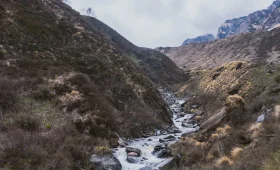
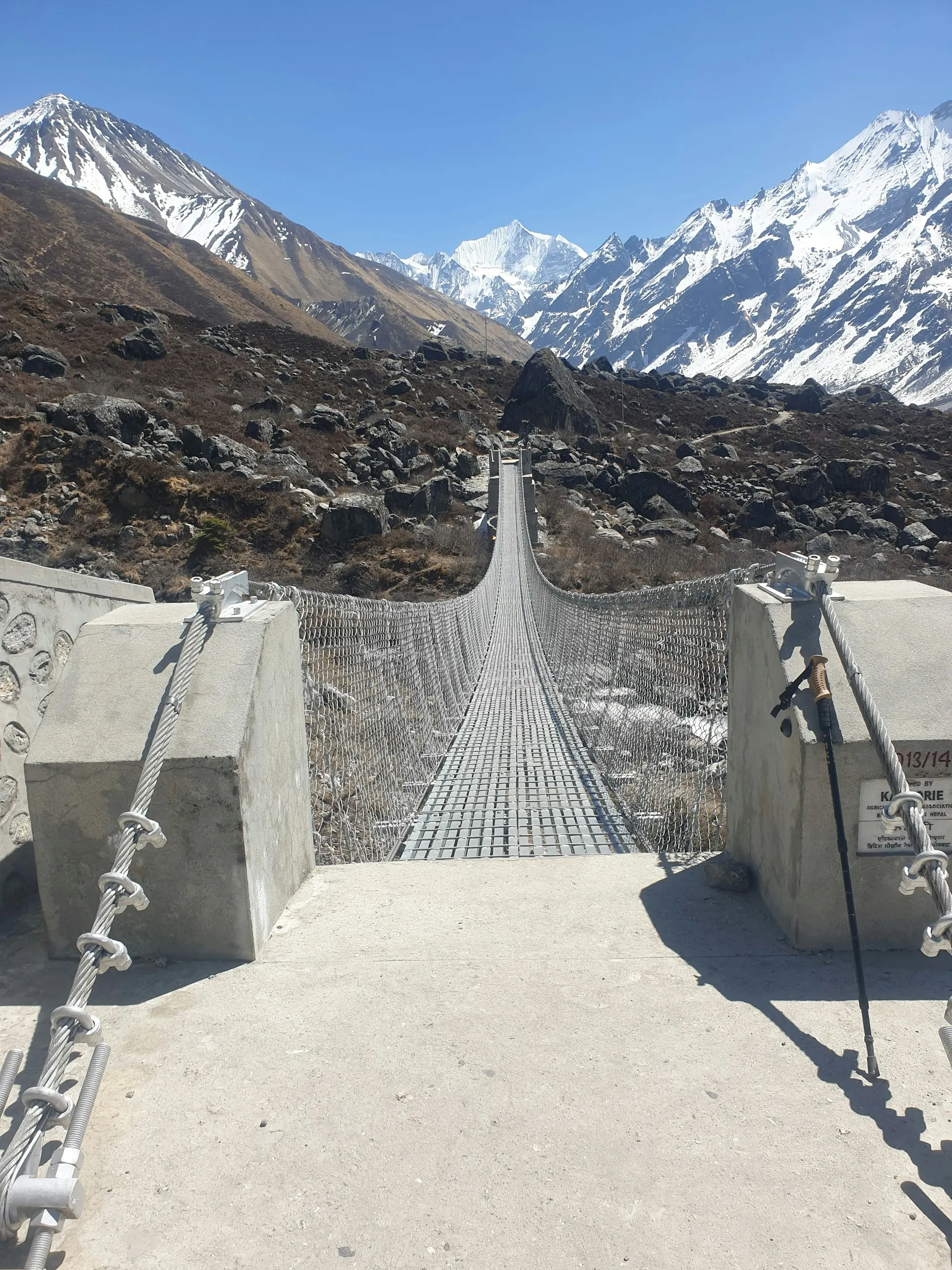
The trek itself begins in Syabrubesi, a small town at 1,550 meters. The first day involves sustained uphill walking through forest, gaining 920 meters to reach Lama Hotel. This is physically demanding and sets the tone for the trek. The trail follows the Langtang Khola river, crossing suspension bridges and passing through dense bamboo and rhododendron forest.
Above Lama Hotel, the valley opens up. The forest thins, the terrain becomes more gradual, and you begin to see snow-capped peaks ahead. You’ll pass through Ghodatabela and the rebuilt village of Langtang, which was devastated by the 2015 earthquake when an avalanche swept through the settlement. The current village is smaller but welcoming, with teahouses operating to serve trekkers.
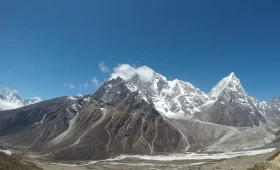
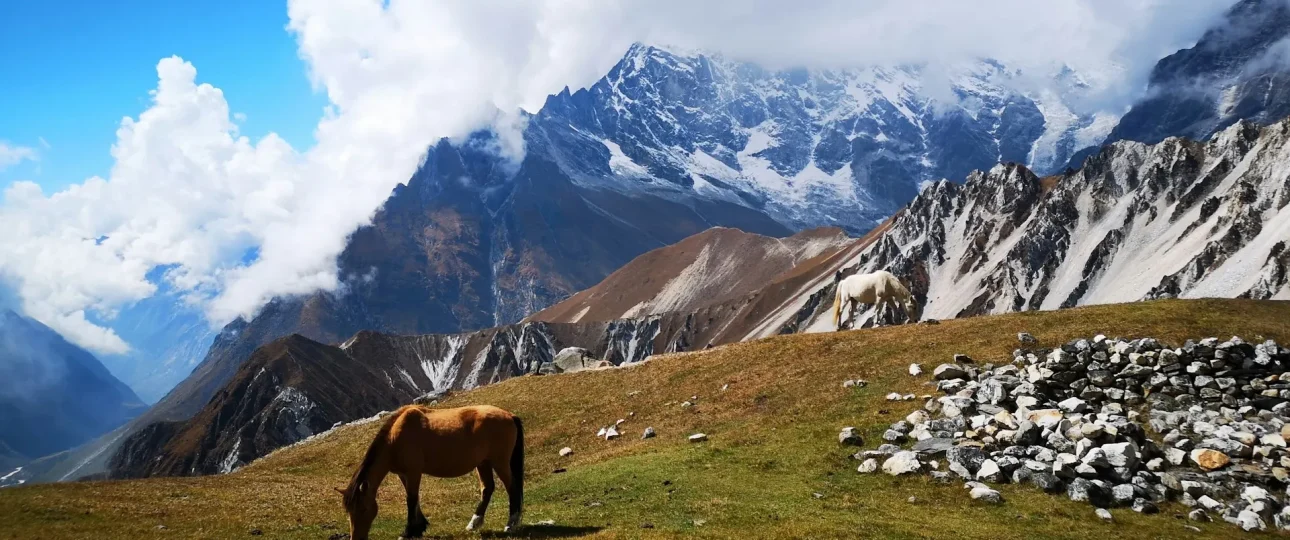
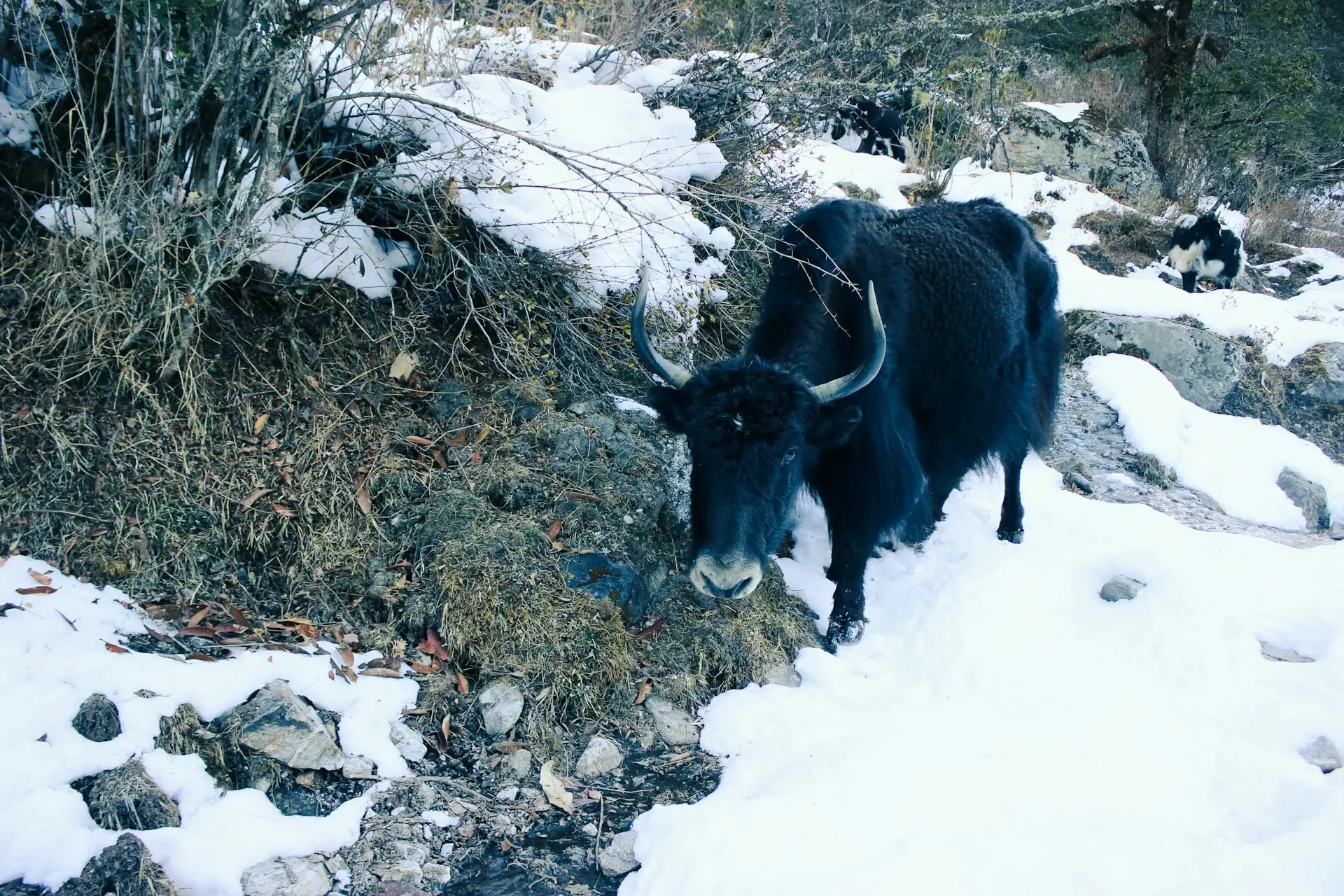
The final stretch to Kyanjin Gompa follows a wide glacial valley with yak pastures, mani walls, and prayer flags. This is the most scenic section of the trek, with the Langtang Lirung massif dominating the view ahead.
Langtang Valley Trek guide advice: understand that this trek is not about reaching a dramatic final destination like Everest Base Camp. It’s about the journey through changing landscapes, the Tamang villages, and the experience of living in teahouses for a week. The destination — Kyanjin Gompa — is beautiful, but the valley itself is the real reward.
Where Is Langtang Valley?
Langtang trek guide geographic context: Langtang Valley lies approximately 60 kilometers north of Kathmandu within Langtang National Park in Rasuwa District. The trailhead at Syabrubesi is reached by road — a journey of 6 to 10 hours depending on vehicle type and road conditions.
The valley runs east-west along the Langtang Khola river, bounded by the Langtang Himal to the north and the Ganesh Himal to the south. Kyanjin Gompa, the traditional destination, sits at the valley’s upper end beneath Langtang Lirung (7,234 meters).
The national park covers 1,710 square kilometers and includes diverse ecosystems from subtropical forest to alpine tundra. It borders Tibet to the north and is home to red pandas, Himalayan black bears, and numerous bird species.
Langtang Valley Trek Route and Itinerary
Langtang trek guide itinerary planning requires understanding that the route follows a well-established trail with teahouses at regular intervals. The trek can be completed in as few as 7 days from Kathmandu, but 9–10 days is more comfortable and allows proper acclimatization.
Day-by-Day Itinerary
| Day | Route | Distance | Elevation Change | Walking Time |
|---|---|---|---|---|
| 1 | Kathmandu to Syabrubesi (drive) | 120 km | — | 6–10 hours |
| 2 | Syabrubesi (1,550 m) to Lama Hotel (2,470 m) | 11 km | +920 m | 5–6 hours |
| 3 | Lama Hotel (2,470 m) to Ghodatabela (3,020 m) | 7 km | +550 m | 4–5 hours |
| 4 | Ghodatabela (3,020 m) to Langtang Village (3,430 m) | 5 km | +410 m | 3–4 hours |
| 5 | Langtang Village (3,430 m) to Kyanjin Gompa (3,870 m) | 7 km | +440 m | 3–4 hours |
| 6 | Kyanjin Gompa acclimatization day | — | — | Optional hikes |
| 7 | Kyanjin Gompa to Lama Hotel (2,470 m) | 19 km | -1,400 m | 6–7 hours |
| 8 | Lama Hotel to Syabrubesi (1,550 m) | 11 km | -920 m | 4–5 hours |
| 9 | Syabrubesi to Kathmandu (drive) | 120 km | — | 6–10 hours |
Langtang trek guide notes on this itinerary: The walking times assume a moderate pace with rest stops. Days 2 and 7 are the longest and most demanding. The descent from Kyanjin Gompa to Lama Hotel is hard on the knees — trekking poles help considerably.
Some itineraries add an extra day at Kyanjin Gompa to climb both Kyanjin Ri and Tserko Ri. Others compress the upper valley into fewer days for a shorter 7-day trip. The 7-day version rushes acclimatization and is not recommended for first-time trekkers.
How Difficult Is Langtang Valley Trek?
Langtang trek guide difficulty assessment: Langtang is a moderate trek, but difficulty varies significantly by day. The first trekking day from Syabrubesi to Lama Hotel involves sustained uphill — many trekkers find it the hardest day despite being at lower elevation. The altitude above 3,000 meters adds cardiovascular strain on subsequent days.
Day-by-day difficulty:
-
Day 2 (Syabrubesi to Lama Hotel): Physically demanding due to 920 meters of ascent
-
Day 3 (Lama Hotel to Ghodatabela): Moderate, shorter duration
-
Day 4 (Ghodatabela to Langtang Village): Moderate, terrain opens up
-
Day 5 (Langtang Village to Kyanjin Gompa): Moderate, altitude noticeable
-
Day 6 (Acclimatization hikes): Optional, can be strenuous
-
Day 7 (Descent to Lama Hotel): Long day, hard on joints
Langtang Valley trek guide honest assessment: The trek is suitable for fit beginners with pre-trek preparation. You do not need technical skills or previous high-altitude experience. You do need cardiovascular fitness for consecutive days of 4–6 hours walking with a loaded daypack.
Altitude and Acclimatization
Langtang trek guide altitude safety is the primary concern on this trek. The trail climbs from 1,550 meters at Syabrubesi to 3,870 meters at Kyanjin Gompa in just four trekking days. This rate of ascent exceeds the recommended 300–500 meters per day above 3,000 meters.
Key elevation points:
| Location | Elevation |
|---|---|
| Syabrubesi | 1,550 m |
| Lama Hotel | 2,470 m |
| Ghodatabela | 3,020 m |
| Langtang Village | 3,430 m |
| Kyanjin Gompa | 3,870 m |
| Kyanjin Ri | 4,773 m |
| Tserko Ri | 4,984 m |
Langtang Valley Trek guide acclimatization strategy: The extra day at Kyanjin Gompa is not optional for most trekkers. Spending a day at 3,870 meters before attempting Kyanjin Ri or Tserko Ri significantly reduces altitude sickness risk. Symptoms to monitor include headache, nausea, dizziness, and unusual fatigue.
Your guide is trained to recognize altitude sickness and will monitor you throughout the trek. If symptoms develop, the guide’s instructions override itinerary preferences.
Kyanjin Gompa: The High Point of the Trek
Langtang trek guide destination information: Kyanjin Gompa is a small settlement at 3,870 meters, dominated by a Buddhist monastery and surrounded by 6,000–7,000 meter peaks including Langtang Lirung, Dorje Lakpa, and Kimshung. It serves as the trek’s destination and base for optional viewpoint climbs.
The settlement has several teahouses, a small cheese factory (operating seasonally), and a monastery that welcomes visitors. You’ll spend at least two nights here on a standard itinerary — one for acclimatization, one after viewpoint hikes.
The surrounding alpine landscape is dramatic: yak pastures, glacial moraines, and prayer flags against a backdrop of high peaks. Sunrise views from Kyanjin Gompa are particularly good.
Kyanjin Ri vs Tserko Ri
Langtang Valley trek guide viewpoint comparison: Both Kyanjin Ri and Tserko Ri offer exceptional Himalayan panoramas. The choice between them depends on time, energy, and altitude tolerance.
| Factor | Kyanjin Ri | Tserko Ri |
|---|---|---|
| Elevation | 4,773 m | 4,984 m |
| Distance from Kyanjin Gompa | 3 km one-way | 4 km one-way |
| Elevation gain | 900 m | 1,114 m |
| Typical time up | 3–4 hours | 4–5 hours |
| Typical time down | 2–3 hours | 2–3 hours |
| Difficulty | Moderate-strenuous | Strenuous |
| Views | Langtang Lirung, valley view | Wider panorama, more peaks |
Langtang trek guide recommendation: Kyanjin Ri is the better choice for most trekkers. It offers excellent views with less altitude exposure and less physical strain. Tserko Ri reaches nearly 5,000 meters and should only be attempted by trekkers who feel strong at Kyanjin Gompa and show no altitude symptoms.
Best Time to Trek Langtang Valley
Langtang trek guide seasonal planning:
March to May (Spring): Stable weather, clear mornings, blooming rhododendrons at lower elevations. Daytime temperatures at Kyanjin Gompa reach 10–15°C. Nights remain cold, sometimes below freezing. Excellent season.
October to November (Autumn): The most popular season. Crisp, clear weather with excellent mountain visibility. Busier than spring but less crowded than Everest Base Camp. Daytime temperatures similar to spring.
December to February (Winter): Cold but often clear. Teahouses remain open, though some high-elevation lodges may close. Nights at Kyanjin Gompa can drop below -15°C. Requires better gear and tolerance for cold. Few trekkers, peaceful trails.
June to September (Monsoon): Not recommended. Heavy rain, leeches, landslides, and limited visibility. The road to Syabrubesi is prone to disruption. Avoid this season.
Langtang Trek Permits and Guide Requirements
Langtang trek guide permit information:
Langtang National Park Entry Permit: NPR 3,000 per person (approximately USD 23). Checked at the park entrance near Syabrubesi and at checkpoints along the route.
TIMS Card: NPR 2,000 per person (approximately USD 15). The Trekkers’ Information Management System card is processed through your trekking agency.
Guide Requirement: Since April 2023, all foreign trekkers in Langtang National Park must hire a licensed guide. This is verified at trailhead checkpoints.
Merriment Treks handles all permit processing and guide arrangements as part of package bookings. Guide licenses, insurance, and emergency contact information are verified before departure.
Transportation to Syabrubesi
Langtang Valley trek guide transportation: The road from Kathmandu to Syabrubesi covers approximately 120 km and takes 6–10 hours depending on vehicle and road conditions.
| Transport Option | Cost (per person) | Duration | Comfort |
|---|---|---|---|
| Public bus | USD 10–14 | 8–10 hours | Basic, crowded |
| Tourist bus | USD 18–25 | 7–9 hours | Moderate |
| Shared jeep | USD 20–30 | 6–8 hours | Moderate, faster |
| Private jeep (per vehicle) | USD 120–180 | 6–7 hours | Best, split among group |
The road passes through Trishuli Bazaar and Dhunche before reaching Syabrubesi. Road conditions vary seasonally; monsoon landslides can cause delays.
Accommodation and Teahouses
Langtang trek guide accommodation expectations: Langtang teahouses are simple mountain guesthouses offering private rooms with shared toilets. Rooms have two single beds with foam mattresses, pillows, and blankets. Bring a sleeping bag rated to at least -10°C for warmth.
Room costs: USD 3–8 per night, assuming you eat meals at the same lodge. Attached bathrooms are rare and cost more where available.
Heating: Rooms are unheated. The dining room has a wood stove lit in the evening. This is where trekkers gather, eat, and socialize.
Hot showers: Available at most teahouses for USD 2–4. Solar-heated water may be limited in the morning or during cloudy weather.
Food and Drinking Water
Langtang trek guide food information: Teahouse menus are similar throughout the trek. Dal bhat (rice, lentil soup, vegetables) costs USD 5–7 and includes unlimited refills. Western items like pasta, fried rice, noodles, and momos cost USD 4–8. Breakfast options include porridge, eggs, toast, and pancakes.
Daily food budget: USD 20–28 for three meals and hot drinks on a dal bhat-based plan.
Drinking water: Do not drink tap water. Options include bottled water (USD 1–4 per liter), purification tablets, SteriPEN or filtered bottle, or boiled water from teahouses.
Langtang Valley Trek Cost
Langtang trek guide cost transparency: The total trek cost ranges from USD 850 to USD 1,800 per person for the trek itself, excluding international flights and travel insurance.
| Cost Component | Budget Range (USD) | Notes |
|---|---|---|
| Permits | 45–55 | Fixed government fees |
| Transportation | 28–250 | Public bus to private jeep |
| Guide (your share) | 70–350 | Depends on group size |
| Porter (optional, your share) | 0–110 | Shared between two trekkers |
| Accommodation (8 nights) | 30–80 | Teahouse rooms |
| Food (8 days) | 160–280 | Dal bhat budget vs Western menu |
| Personal expenses | 60–150 | Showers, charging, drinks |
| Tips | 30–70 | Guide and porter |
| Total | 850–1,800 |
Merriment Treks group packages typically range from USD 950–1,400 per person, including permits, transportation, guide, accommodation, and full-board meals. Solo trekkers pay more because guide costs cannot be shared.
What to Pack for Langtang
Langtang Valley trek guide packing advice: Pack light — your daypack should weigh no more than 8–10 kg if you’re not hiring a porter.
Essential gear: Sleeping bag (rated to -10°C), trekking boots (broken in), trekking poles, down jacket, fleece or mid-layer, base layers, trekking pants, waterproof jacket and pants, hat, gloves, sunglasses, sunscreen, headlamp, water bottle, water purification method, personal first aid kit, toiletries, quick-dry towel, power bank, cash (Nepali rupees).
Fitness and Training
Langtang trek guide training recommendations: Langtang is achievable for people with moderate fitness, but preparation improves the experience significantly.
Recommended training: 8–12 weeks before departure, focus on cardiovascular endurance (3–4 sessions weekly of 45–60 minutes), stair climbing or uphill walking, long walks with a loaded daypack, and strength training for legs, core, and lower back.
The key fitness requirement is the ability to walk 5–7 hours per day on consecutive days with a pack.
Safety, Altitude Sickness and Emergencies
Langtang Valley trek guide safety information: Altitude sickness is the primary safety concern. It occurs when the body cannot adapt quickly enough to reduced oxygen at altitude.
Acute Mountain Sickness (AMS) symptoms: Headache, nausea, dizziness, loss of appetite, unusual fatigue. These typically develop 6–24 hours after ascending too quickly.
Prevention: Ascend slowly, stay hydrated (3–4 liters daily), avoid alcohol and sleeping pills, communicate symptoms to your guide immediately.
Emergency response: Your guide is trained in first aid and altitude sickness management. In serious cases, descent is the most effective treatment. Helicopter evacuation is available for severe emergencies.
Travel insurance: Mandatory for this trek. Your policy must cover trekking up to 5,000 meters and include helicopter evacuation.
Internet, Mobile Network and Charging
Langtang trek guide connectivity: Ncell and Nepal Telecom have coverage at lower elevations. Signal becomes unreliable above Lama Hotel. At Kyanjin Gompa, mobile service exists but is intermittent.
WiFi: Some teahouses offer WiFi for USD 3–5 per day. Speeds are slow and connections unreliable. Many trekkers skip WiFi entirely.
Charging: Available at teahouses for USD 2–4 per device. Bring a large power bank to minimize charging fees.
Who Should and Shouldn’t Choose Langtang
Langtang trek guide honest assessment:
Langtang is ideal for: First-time trekkers in Nepal, travelers with limited time, those wanting to avoid domestic flights, budget-conscious trekkers, people interested in Tamang culture, trekkers seeking quieter trails.
Langtang may not be right for: Trekkers with significant knee problems, those seeking the most dramatic high-mountain scenery, trekkers wanting circuit routes rather than out-and-back, people with limited fitness.
Langtang vs Everest Base Camp
| Factor | Langtang Valley Trek | Everest Base Camp Trek |
|---|---|---|
| Duration | 7–12 days | 12–16 days |
| Cost (trek only) | USD 850–1,800 | USD 1,200–2,500 |
| Domestic flight | Not required | Required (USD 180–250) |
| Maximum elevation | 4,984 m (Tserko Ri) | 5,545 m (Kala Patthar) |
| Crowds | Moderate | Heavy |
| Cultural experience | Tamang villages | Sherpa villages |
| Mountain views | Excellent | Spectacular |
| Difficulty | Moderate | Challenging |
Langtang offers better value for budget-conscious trekkers and those with less time.
How to Choose a Langtang Trekking Company
Langtang Valley trek guide agency selection: The agency you choose determines guide quality, safety protocols, and overall experience.
Questions to ask: Are your guides licensed by the Nepal Tourism Board? What is your guide-to-trekker ratio? Are your guides and porters insured? What is your emergency response plan? What exactly is included? What is excluded? Can you provide a detailed itinerary? What is your cancellation policy?
Merriment Treks provides transparent package breakdowns, licensed guides with proper insurance, and clear emergency protocols. The company offers both group and private trekking options with customizable itineraries.
Responsible Trekking in Langtang
Langtang trek guide responsible tourism: Langtang’s ecosystem is fragile and its communities are still recovering from the 2015 earthquake.
Responsible practices: Carry reusable water bottles and purification systems, pack out all non-biodegradable trash, stay on marked trails, respect religious sites, ask permission before photographing people, support local businesses, treat your guide and porter with respect.
Your visit contributes to the local economy and the valley’s continued recovery.
Frequently Asked Questions
1. Do I need a guide for Langtang Valley Trek in 2026?
Yes. Since April 2023, all foreign trekkers in Langtang National Park must hire a licensed guide. This requirement is enforced at trailhead checkpoints.
2. How difficult is Langtang Valley Trek?
The trek is moderate. The first trekking day involves 920 meters of ascent, and altitude adds strain above 3,000 meters. Fit beginners with preparation can complete it.
3. How long does Langtang Valley Trek take?
The standard trek takes 9–10 days from Kathmandu, including transportation and an acclimatization day. Shorter 7-day versions exist but rush acclimatization.
4. What is the highest point of Langtang Valley Trek?
Tserko Ri at 4,984 meters is the highest accessible point. Kyanjin Ri at 4,773 meters is the more commonly climbed viewpoint.
5. Do I need permits for Langtang Valley Trek?
Yes. You need a Langtang National Park Entry Permit (NPR 3,000) and a TIMS Card (NPR 2,000). Your trekking agency processes both.
6. What is the best time to trek Langtang Valley?
March to May and October to November offer the best weather. Winter is cold but clear. Monsoon (June–September) is not recommended.
7. How much does Langtang Valley Trek cost?
The trek costs USD 850–1,800 per person. Group packages through agencies like Merriment Treks typically cost USD 950–1,400.
8. Is Langtang cheaper than Everest Base Camp?
Yes. Langtang costs 40–50% less than Everest Base Camp, primarily because no domestic flight is required.
9. What is the accommodation like in Langtang?
Teahouses offer private rooms with shared toilets. Rooms are basic but adequate. Bring a sleeping bag for warmth.
10. Can I drink tap water in Langtang?
No. Use bottled water, purification tablets, a filtered bottle, or properly boiled water from teahouses.
11. Is Langtang suitable for beginners?
Yes, with preparation. The trek is moderate, and fit beginners can complete it with proper acclimatization.
12. What happened to Langtang Village in the 2015 earthquake?
Langtang Village was destroyed by an avalanche triggered by the earthquake. Reconstruction is ongoing, and teahouses are operating.
13. Is WiFi available on the Langtang Trek?
Some teahouses offer WiFi for USD 3–5 per day, but connections are slow and unreliable. Mobile data is intermittent.
14. How much cash should I carry?
Carry USD 200–300 in Nepali rupees for a 10-day trek if your package includes meals and accommodation.
15. Can I trek Langtang in winter?
Yes. Winter is cold but clear. Nights at Kyanjin Gompa can drop below -15°C. You’ll need proper gear and tolerance for cold.