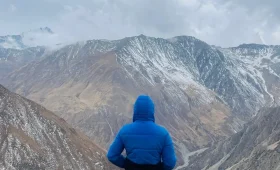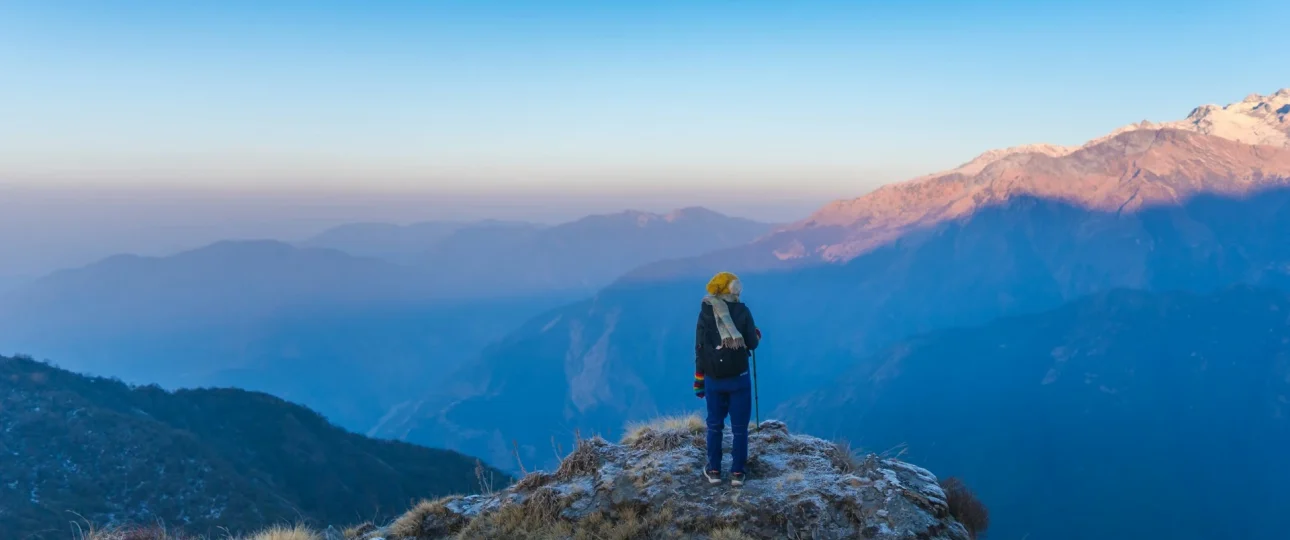
The Mardi Himal Trek is safe when undertaken with proper preparation, a licensed guide, appropriate acclimatization, and reasonable weather conditions, but it is not without risks. The trek reaches High Camp at 3,580 meters and Upper Viewpoint at 4,200 meters, where altitude sickness becomes a genuine concern, and the steep descent to Siding presents real physical challenges. Merriment Treks assesses this trek as appropriate for reasonably fit beginners who follow safety protocols, respect the altitude, and choose an itinerary that allows proper acclimatization.
Is Mardi Himal Trek safe? This is the most important question you can ask before booking, and it deserves an honest answer rather than marketing reassurance. The truth is that most trekkers complete this route without incident, but those who encounter problems are almost always those who underestimated the altitude, chose an itinerary that was too compressed, ignored early warning symptoms, or trekked in inappropriate conditions.
Merriment Treks has prepared this safety guide to give you the complete picture—the actual risks, how they change across seasons and itinerary choices, what regulations apply in 2026, and how to prepare properly. We will not tell you the trek is perfectly safe because no mountain trek is. We will tell you how to trek it responsibly so that your experience is memorable for the right reasons.
What Safety Actually Means on the Mardi Himal Trek
Safety on the Mardi Himal Trek means managing known risks through preparation, pacing, altitude awareness, and professional guidance. It does not mean the absence of risk.
Every Himalayan trek involves some level of risk. The Mardi Himal Trek is no exception. What makes this trek “safe” for most people is that the risks are identifiable, manageable, and reducible through proper planning. The question is not whether risks exist—they do—but whether you understand them and are prepared to manage them.
Merriment Treks defines a safe Mardi Himal Trek as one where:
You understand altitude and respect its effects. High Camp at 3,580 meters and Upper Viewpoint at 4,200 meters are high enough to cause altitude sickness in susceptible individuals. Understanding how altitude affects your body and knowing when to communicate symptoms to your guide is essential for safety.
You choose an itinerary that allows proper acclimatization. The 5-day itinerary provides appropriate altitude progression for most trekkers. The 6-day itinerary offers even more gradual acclimatization. The 4-day itinerary increases risk through rapid ascent and should only be attempted by experienced trekkers with excellent fitness.
You trek in appropriate seasonal conditions. Autumn and spring offer the most favorable weather. Winter adds cold and potential snow. Monsoon brings rain, mud, and poor visibility. Choosing the right season significantly affects safety.
You follow basic mountain safety practices. Walking at a sustainable pace, staying hydrated, eating regularly, wearing appropriate footwear, using trekking poles, and communicating with your guide all contribute to safety.
You have proper insurance coverage. Emergency evacuation from remote areas can be expensive. Adequate travel insurance with helicopter evacuation coverage is not optional—it is essential.
The Real Risks of the Mardi Himal Trek
The Mardi Himal Trek carries four primary risks: altitude sickness, slips and falls on uneven terrain, weather-related hazards, and the challenges of remote mountain environments. Understanding each risk helps you prepare appropriately.
Altitude Sickness
Altitude sickness is the most significant medical risk on the Mardi Himal Trek. The highest sleeping elevation is High Camp at 3,580 meters, and the maximum daytime elevation is Upper Viewpoint at 4,200 meters or Base Camp at 4,500 meters. At these elevations, reduced oxygen levels can cause altitude sickness in susceptible individuals.
The critical thing to understand is that altitude sickness affects people unpredictably. Physical fitness does not prevent it. Previous altitude experience does not guarantee immunity. The only reliable prevention is gradual ascent and proper acclimatization.
The 5-day and 6-day itineraries provide appropriate acclimatization. The 4-day itinerary increases risk through rapid ascent. If you are concerned about altitude, choose the longer itinerary and communicate any symptoms to your guide immediately.
Slips and Falls on Uneven Terrain
The Mardi Himal trail features rocks, roots, stone steps, and uneven surfaces throughout. Slips and falls are the most common physical injuries on the trek. The descent from High Camp to Siding is particularly demanding, with steep sections that require careful foot placement and sustained concentration.
The pre-dawn climb from High Camp to Upper Viewpoint occurs in darkness, adding additional risk. Proper footwear, trekking poles, headlamps, and attention to foot placement significantly reduce fall risk. Walking too fast, especially on descents, increases risk.
Weather-Related Hazards
Mountain weather changes rapidly and can affect safety significantly. Rain creates slippery trails. Cold at High Camp can cause hypothermia if proper layers are not worn. Wind on exposed ridges adds physical strain and can affect balance. Snow in winter changes trail conditions entirely.
Weather also affects visibility. Poor visibility makes navigation more difficult and increases the risk of slips and falls. The exposed section from Badal Danda to High Camp is particularly affected by wind and weather.
Remote Mountain Environment
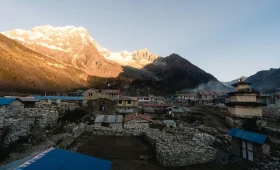
The Mardi Himal Trek takes place in a remote mountain environment where medical facilities are limited. The teahouses along the route provide basic accommodation and food but no medical care. In case of serious illness or injury, evacuation to Pokhara or Kathmandu may be necessary.
Helicopter evacuation is possible but depends on weather conditions, location, and availability. This is why adequate travel insurance with evacuation coverage is essential.
Risk-by-Risk Analysis for the Mardi Himal Trek
This table breaks down the major risks of the Mardi Himal Trek, explains when each risk increases, and provides practical reduction strategies.
| Risk | Why It Matters | Risk Increases When | How to Reduce It |
|---|---|---|---|
| Altitude sickness | Reduced oxygen at High Camp (3,580m) and Upper Viewpoint (4,200m) can cause symptoms | Rapid ascent, inadequate acclimatization, ignoring symptoms, dehydration | Choose 5-day or 6-day itinerary, walk slowly, stay hydrated, report symptoms immediately |
| Slips and falls | Uneven terrain, stone steps, steep sections throughout the trail | Wet conditions, darkness, fatigue, inappropriate footwear, rushing | Wear proper trekking boots, use trekking poles, walk slowly, use headlamp for pre-dawn climb |
| Weather exposure | Cold, wind, rain, snow can cause hypothermia or make trails dangerous | Winter months, monsoon season, inadequate clothing, exposed ridge sections | Trek in appropriate season, bring layered clothing, check weather forecasts, follow guide advice |
| Getting lost | Trail is generally clear but visibility can drop in fog or snow | Poor visibility, walking alone, leaving marked trail, no guide | Always trek with licensed guide, stay on marked trail, maintain visual contact with group |
| Fatigue | Exhaustion affects balance, decision-making, and increases injury risk | Long itinerary days, inadequate fitness, carrying too much weight, poor sleep | Choose appropriate itinerary, train before trek, hire porter, pace yourself, rest when needed |
| Food and water illness | Contaminated water or food can cause gastrointestinal illness | Drinking untreated water, eating from unhygienic sources | Drink purified water, eat at established teahouses, carry water purification |
| Cold-related illness | High Camp is cold, especially pre-dawn | Winter months, inadequate layers, wet clothing | Bring warm layers, change out of wet clothes, bring sleeping bag rated for cold |
| Emergency access | Remote location means medical help is not immediate | Serious illness or injury far from road access | Have travel insurance with evacuation coverage, carry first aid kit, know emergency procedures |
Day-by-Day Safety Analysis for the Mardi Himal Trek
Understanding the safety considerations for each trekking stage helps you prepare appropriately. This analysis covers the standard 5-day itinerary.
Day 1: Kande to Forest Camp (1,770m to 2,520m)
Walking Demand: 5-6 hours
Terrain: Uphill trail, stone steps, forest path
Main Safety Consideration: First-day adjustment and fatigue
The first day is physically demanding because you are adjusting to trekking while climbing steadily. The trail is well-defined but consistently uphill. The main safety considerations are pacing yourself appropriately and staying hydrated. Many trekkers walk too fast on the first day, leading to early fatigue that affects subsequent days.
The altitude at Forest Camp (2,520m) is below the level where most people experience significant altitude symptoms, but you should still be aware of how your body feels. Pay attention to any unusual symptoms and communicate them to your guide.
Day 2: Forest Camp to Low Camp (2,520m to 3,050m)
Walking Demand: 3-4 hours
Terrain: Forest trail, steady climb
Main Safety Consideration: First night above 3,000 meters
This is the shortest walking day and provides important acclimatization. The main safety consideration is that Low Camp is your first night above 3,000 meters, where altitude symptoms become possible.
Monitor how you feel. Mild headache or fatigue is common. Persistent or worsening symptoms should be reported to your guide immediately. Do not dismiss symptoms as “just tiredness” if they persist.
Day 3: Low Camp to High Camp (3,050m to 3,580m)
Walking Demand: 3-5 hours
Terrain: Mixed terrain, exposed ridge after Badal Danda
Main Safety Consideration: Altitude exposure and weather exposure
This day involves the highest sleeping elevation of the trek. The section from Badal Danda to High Camp is exposed to wind and weather. If conditions are poor, this section can be uncomfortable and potentially dangerous.
At High Camp (3,580m), altitude symptoms are more likely. The cold is also significant, especially at night and pre-dawn. Proper layers and a warm sleeping bag are essential. Pay attention to how you feel throughout the afternoon and evening.
Day 4: High Camp to Upper Viewpoint to Siding (3,580m to 4,200m to 1,750m)
Walking Demand: 6-8 hours total
Terrain: Steep uphill to viewpoint, steep downhill to Siding
Main Safety Consideration: Pre-dawn climbing and long descent
This is the most demanding day and carries the highest safety considerations. The pre-dawn climb to Upper Viewpoint occurs in darkness and cold. The trail is steep and rocky. Use your headlamp and walk carefully. The cold at 4,200 meters before dawn can be extreme, especially in winter.
After the sunrise, the descent to Siding is long and steep. This is where slips and falls are most common. Trekking poles are essential. Walk slowly and carefully, especially on stone steps and loose sections. Do not rush the descent, even if you are tired and eager to reach Siding.
Day 5: Siding to Pokhara (1,750m to 820m)
Walking Demand: 2 hours by vehicle
Terrain: Vehicle transfer
Main Safety Consideration: Road conditions
The road from Siding to Pokhara is winding and less developed than the Pokhara-Kande road. During monsoon or after heavy rain, road conditions can deteriorate. Merriment Treks monitors conditions and adjusts transport as needed.
Altitude Sickness on the Mardi Himal Trek: Essential Knowledge
Altitude sickness is the most significant medical risk on the Mardi Himal Trek, and understanding it is essential for safe trekking. The highest sleeping elevation is High Camp at 3,580 meters, and the maximum daytime elevation is Upper Viewpoint at 4,200 meters or Base Camp at 4,500 meters.
What Altitude Does to Your Body
At sea level, the air pressure allows your lungs to efficiently transfer oxygen to your blood. At 3,580 meters (High Camp), the air pressure is significantly lower, meaning fewer oxygen molecules are available in each breath. Your body receives approximately 65% of the oxygen it would at sea level. At 4,200 meters (Upper Viewpoint), this drops to approximately 60%.
Your body responds to reduced oxygen by increasing breathing rate, increasing heart rate, producing more red blood cells over days, and shifting blood flow to vital organs. These adaptations take time, which is why gradual ascent and proper acclimatization are critical.
Types of Altitude Illness
Acute Mountain Sickness (AMS): The most common form of altitude illness. Symptoms include headache, fatigue, loss of appetite, nausea, and difficulty sleeping. AMS symptoms typically appear 6-12 hours after reaching altitude.
High Altitude Cerebral Edema (HACE): A severe, potentially fatal form of altitude illness involving brain swelling. Symptoms include confusion, loss of coordination, severe headache, and altered consciousness. HACE requires immediate descent.
High Altitude Pulmonary Edema (HAPE): A severe, potentially fatal form of altitude illness involving fluid in the lungs. Symptoms include extreme shortness of breath, cough (possibly with pink frothy sputum), and chest tightness. HAPE requires immediate descent.
HACE and HAPE are rare at the altitudes reached on the Mardi Himal Trek but are possible in susceptible individuals.
Why Fitness Does Not Prevent Altitude Sickness
Physical fitness does not prevent altitude sickness. The body’s ability to adapt to altitude is largely individual and cannot be predicted by fitness level. Elite athletes can experience altitude sickness while less fit individuals sometimes acclimatize well.
This is one of the most important things to understand about altitude safety. Being fit does not mean you are immune. Being unfit does not mean you will definitely get sick. The only reliable prevention is gradual ascent.
Warning Symptoms to Report Immediately
Report these symptoms to your guide immediately:
-
Persistent headache not relieved by rest or medication
-
Vomiting
-
Confusion or disorientation
-
Loss of coordination or difficulty walking
-
Shortness of breath at rest
-
Cough producing pink or frothy sputum
-
Visual disturbances
-
Severe fatigue or weakness
Why Worsening Symptoms Should Never Be Ignored
Ignoring worsening altitude symptoms can lead to serious illness or death. If symptoms progress from mild to severe, immediate descent is necessary. Delaying descent allows the condition to worsen dangerously.
The general rule is: if symptoms are worsening despite rest and medication, descend. Do not wait to see if things improve. Do not continue upward. Descent is the definitive treatment.
How Acclimatization Works
Acclimatization is the process by which your body adapts to reduced oxygen levels. This process takes time—typically 1-3 days at a given altitude. The 5-day and 6-day Mardi Himal itineraries are designed to provide appropriate acclimatization:
-
Night 1: Forest Camp (2,520m) — below significant altitude threshold
-
Night 2: Low Camp (3,050m) — first night above 3,000m
-
Night 3: High Camp (3,580m) — gain of 530m from Low Camp
-
Upper Viewpoint (4,200m) — visited but not slept at
The 4-day itinerary violates recommended altitude progression by combining Forest Camp to High Camp (gain of 1,060m) in a single day.
Weather and Seasonal Safety on the Mardi Himal Trek
Weather conditions significantly affect safety on the Mardi Himal Trek. Understanding seasonal variations helps you choose the right time and prepare appropriately.
Spring (March-May)
Typical Conditions: Moderate daytime temperatures, cold mornings at High Camp, possible rain in late spring, rhododendron blooms.
Trail Considerations: Generally good, some mud after rain.
Safety Considerations: Afternoon clouds may reduce visibility. Cold mornings at High Camp require proper layers. Late spring rain can make trails slippery.
Overall Safety: Generally favorable conditions with moderate risks.
Summer/Monsoon (June-August)
Typical Conditions: Heavy rain possible, high humidity, poor visibility, leeches in lower forest sections.
Trail Considerations: Muddy, slippery, challenging.
Safety Considerations: Slippery trails increase fall risk. Poor visibility makes navigation harder. Leeches are unpleasant but not dangerous. Landslide risk increases in some areas.
Overall Safety: Higher risk due to trail conditions and visibility.
Merriment Treks Note: We do not recommend monsoon season for the Mardi Himal Trek.
Autumn (September-November)
Typical Conditions: Stable weather, clear skies, moderate temperatures, cold nights at High Camp.
Trail Considerations: Dry, well-maintained.
Safety Considerations: Cold nights require proper gear. Popular season means more trekkers on the trail.
Overall Safety: Most favorable conditions with moderate risks.
Winter (December-February)
Typical Conditions: Very cold temperatures, snow possible above 3,000m, icy sections near High Camp, shorter daylight hours, clear skies.
Trail Considerations: Cold, possibly snowy/icy above 3,000m.
Safety Considerations: Extreme cold increases hypothermia risk. Icy trails increase fall risk. Snow can obscure trail markings. Shorter days reduce margin for error.
Overall Safety: Higher risk due to cold and potential snow/ice.
Merriment Treks Note: Winter trekking is possible with proper gear and experience but requires more careful planning.
Current Trekking Regulations for Mardi Himal in 2026
Understanding current regulations is essential for safe and legal trekking. The regulations for the Mardi Himal Trek have changed in recent years, and it is important to understand what is legally required.
Licensed Trekking Guide
Since April 2023, the Nepal Tourism Board has required all foreign trekkers to use a licensed trekking guide in designated trekking areas, including Mardi Himal. Independent trekking without a guide is no longer permitted for foreign nationals.
A licensed guide provides:
-
Route navigation and local knowledge
-
Altitude symptom monitoring
-
Emergency response coordination
-
Teahouse and logistics management
-
Cultural and geographical information
-
Communication with trekking agencies and emergency services
TIMS Card
The Trekkers’ Information Management System (TIMS) card is required for all foreign trekkers. This card registers your trek with the Nepal Tourism Board and provides basic information for safety and management purposes.
Cost (2026): NPR 3,000 for foreign nationals, NPR 2,000 for SAARC nationals.
Annapurna Conservation Area Permit (ACAP)
The Annapurna Conservation Area Project (ACAP) permit is required for entering the Annapurna Conservation Area. This permit supports conservation efforts and provides access to the trekking area.
Cost (2026): NPR 3,000 for foreign nationals, NPR 1,000 for SAARC nationals.
What Is Legally Required vs Recommended
Legally Required:
-
Licensed trekking guide
-
TIMS card
-
ACAP permit
Strongly Recommended:
-
Travel insurance with helicopter evacuation coverage
-
Trekking poles
-
Proper layered clothing
-
Water purification
-
First aid kit
-
Headlamp
-
Warm sleeping bag
Optional:
-
Porter services
-
Private trek rather than group trek
-
Additional acclimatization days
-
Diamox (consult your doctor)
Can Beginners Safely Do the Mardi Himal Trek?
Yes, beginners with reasonable fitness and proper preparation can safely complete the Mardi Himal Trek, especially on the 6-day itinerary with a licensed guide. However, safety for beginners depends on several factors that must be honestly assessed.
What Makes the Trek Appropriate for Beginners
The Mardi Himal Trek is suitable for beginners because:
-
The trail is well-defined and well-traveled
-
No technical climbing or glacier crossing is required
-
Teahouse accommodation eliminates camping complexity
-
The 6-day itinerary provides gradual altitude progression
-
Licensed guides manage navigation and logistics
-
The altitude, while significant, is not extreme
What Beginners Must Understand
Being a beginner does not mean being unprepared. Beginners must:
-
Train appropriately before the trek
-
Choose the right itinerary (6-day recommended)
-
Walk slowly and pace themselves
-
Communicate any symptoms to their guide
-
Bring proper gear
-
Understand that altitude affects everyone differently
The Critical Distinction
Physical fitness does not make someone immune to altitude sickness. A very fit beginner can experience altitude symptoms while a less fit beginner acclimatizes well. The only reliable strategy is gradual ascent and honest communication with your guide.
When Beginners Should Reconsider
If you are completely sedentary, have significant health issues, or are unwilling to train, reconsider whether the Mardi Himal Trek is appropriate. Consider starting with shorter, lower-altitude treks first.
Solo and Female Trekker Safety on the Mardi Himal Trek
The Mardi Himal Trek can be safely undertaken by solo travelers and female trekkers, especially with proper planning and professional support. The key is understanding the practical considerations.
Solo Trekking
Solo trekking without a guide is not permitted for foreign nationals in designated trekking areas, including Mardi Himal. Solo travelers must trek with a licensed guide. This requirement actually enhances safety by ensuring professional support throughout the trek.
For solo travelers, Merriment Treks recommends:
-
Booking through a reputable trekking agency
-
Choosing a private trek rather than joining an unknown group
-
Communicating your itinerary with family or friends
-
Carrying a fully charged phone with emergency contacts
-
Ensuring your guide knows your experience level
Female Trekker Safety
The Mardi Himal Trek is generally safe for female trekkers, but practical precautions should be taken. The teahouses along the route are family-run and accustomed to international trekkers. However, standard travel safety practices apply.
For female trekkers, Merriment Treks recommends:
-
Trekking with a licensed guide from a reputable agency
-
Choosing teahouses recommended by your agency
-
Keeping your room locked at night
-
Dressing modestly in villages and teahouses
-
Communicating any concerns to your guide immediately
-
Considering a private trek if you prefer personalized pacing
First-Time Trekkers
First-time trekkers should choose the 6-day itinerary, start training early, and communicate openly with their guide about their experience level. The guide can adjust pacing and provide additional support as needed.
Insurance and Emergency Preparation for the Mardi Himal Trek
Adequate travel insurance and emergency preparation are essential for safe trekking. This is not optional—it is a fundamental safety requirement.
What Your Insurance Must Cover
Before departing for the Mardi Himal Trek, verify that your travel insurance includes:
Medical Coverage:
-
Emergency medical treatment
-
Hospital costs
-
Doctor fees
-
Medication
Emergency Evacuation:
-
Helicopter evacuation from remote areas
-
Ground ambulance transport
-
Repatriation to your home country if needed
Trip Interruption:
-
Cancellation due to illness or injury
-
Early return costs
-
Accommodation changes due to medical needs
Policy Exclusions to Check:
-
Trekking altitude limits (ensure coverage up to at least 4,500m)
-
Adventure activity exclusions
-
Pre-existing condition exclusions
-
Coverage for Nepal specifically
Emergency Communication
Communication on the Mardi Himal Trek is limited but available. Most teahouses have some form of communication, and your guide will have a phone. However, signal strength varies significantly along the route.
At High Camp and Upper Viewpoint, phone signal may be weak or unavailable. Your guide will know the locations where signal is available and can communicate with your trekking agency in case of emergency.
What Happens During an Emergency
In case of emergency, your guide will contact the trekking agency, which will coordinate the appropriate response. This may involve:
-
Minor issues: First aid, rest, adjusted pacing
-
Moderate issues: Descent to lower altitude, medical consultation
-
Serious issues: Helicopter evacuation to Pokhara or Kathmandu
Important reality: Helicopter evacuation depends on weather conditions, helicopter availability, and location. It is not always immediately available. This is why prevention and early response to symptoms are critical.
Emergency Contact Information
Before your trek, Merriment Treks provides emergency contact information including:
-
Your trekking agency’s emergency number
-
Your guide’s phone number
-
Insurance company contact and policy number
-
Your country’s embassy or consulate in Nepal
Practical Safety Checklist for the Mardi Himal Trek
Use this checklist to prepare for a safe Mardi Himal Trek. Review it before departure and again before starting the trek.
Before You Book
- □
Research the trek and understand the physical demands
- □
Assess your fitness honestly
- □
Choose an appropriate itinerary (5-day or 6-day for most trekkers)
- □
Book with a reputable trekking agency that provides licensed guides
- □
Purchase travel insurance with helicopter evacuation coverage
- □
Verify insurance covers trekking up to 4,500m
- □
Consult your doctor about altitude medication (if considering Diamox)
Before You Depart
- □
Complete at least 8 weeks of training
- □
Break in your trekking boots
- □
Pack appropriate layers for cold conditions
- □
Bring trekking poles
- □
Bring a headlamp with spare batteries
- □
Bring water purification tablets or filter
- □
Bring personal first aid kit
- □
Bring any personal medications
- □
Copy important documents (passport, insurance, permits)
- □
Share your itinerary with family or friends
During the Trek
- □
Walk slowly and maintain a conversational pace
- □
Drink 3-4 liters of water daily
- □
Eat regular meals even if appetite is reduced
- □
Report any symptoms to your guide immediately
- □
Use trekking poles, especially on descents
- □
Stay with your group or guide
- □
Follow your guide’s advice about pacing and rest
- □
Keep your headlamp accessible for pre-dawn starts
- □
Layer clothing to manage temperature changes
- □
Protect yourself from sun (hat, sunscreen, sunglasses)
In Case of Symptoms
- □
Tell your guide immediately
- □
Rest and hydrate
- □
Do not continue upward if symptoms are worsening
- □
Accept descent if recommended by your guide
- □
Follow your guide’s emergency protocol
Frequently Asked Questions About Mardi Himal Trek Safety
1. Is Mardi Himal Trek safe?
The Mardi Himal Trek is generally safe when undertaken with a licensed guide, proper preparation, appropriate acclimatization, and reasonable weather conditions. The route follows well-established trails without technical climbing sections. However, like any Himalayan trek, it carries real risks including altitude sickness, changing weather, and challenging terrain.
2. Is Mardi Himal safe for beginners?
Yes, the Mardi Himal Trek is safe for beginners with reasonable fitness and proper preparation, especially on the 6-day itinerary. The trail is well-defined, there is no technical climbing, and licensed guides manage navigation and logistics. Beginners should train appropriately and choose the right itinerary.
3. Is Mardi Himal dangerous?
The Mardi Himal Trek is not inherently dangerous, but it does carry risks that must be taken seriously. The primary risks are altitude sickness, slips and falls on uneven terrain, and weather-related issues. These risks are manageable with proper preparation and professional guidance.
4. Is altitude sickness common on Mardi Himal?
Altitude sickness can occur on the Mardi Himal Trek, particularly at High Camp (3,580m) and above. Mild symptoms like headache and fatigue are relatively common. Serious altitude illness is rare but possible. The 5-day and 6-day itineraries provide appropriate acclimatization to reduce risk.
5. What is the highest point of the Mardi Himal trek?
The highest sleeping elevation is High Camp at 3,580 meters. The maximum daytime elevation is Upper Viewpoint at 4,200 meters or Mardi Himal Base Camp at 4,500 meters if you choose to extend.
6. Do I need a guide for Mardi Himal?
Yes, since April 2023, the Nepal Tourism Board requires all foreign trekkers to use a licensed trekking guide in designated trekking areas, including Mardi Himal. Independent trekking without a guide is no longer permitted for foreign nationals.
7. Is solo trekking allowed on Mardi Himal?
Solo trekking without a guide is not permitted for foreign nationals. However, solo travelers can trek with a licensed guide, which is actually safer and provides professional support throughout the trek.
8. Is Mardi Himal safe for women?
The Mardi Himal Trek is generally safe for female trekkers, but standard travel safety practices should be followed. Trekking with a licensed guide from a reputable agency, choosing recommended teahouses, and communicating any concerns to your guide are important precautions.
9. Is Mardi Himal safe in winter?
Winter trekking is possible but carries higher risk due to cold temperatures, potential snow, and icy trails above 3,000 meters. Winter requires proper gear, experience with cold conditions, and careful planning. Merriment Treks can advise on winter trekking feasibility.
10. Is Mardi Himal safe during monsoon?
Monsoon season (June-August) presents higher risk due to muddy trails, slippery conditions, poor visibility, and leeches. Merriment Treks does not recommend monsoon season for the Mardi Himal Trek.
11. What happens during an emergency on Mardi Himal?
In case of emergency, your guide will contact the trekking agency, which will coordinate the appropriate response. This may involve first aid, descent to lower altitude, or helicopter evacuation depending on severity. Helicopter evacuation depends on weather and availability.
12. Do I need travel insurance for Mardi Himal?
Yes, travel insurance with helicopter evacuation coverage is essential for the Mardi Himal Trek. Your insurance should cover medical treatment, emergency evacuation, and trekking up to at least 4,500 meters.
13. What are the biggest risks on Mardi Himal?
The biggest risks are altitude sickness, slips and falls on uneven terrain, weather-related issues, and the challenges of remote mountain environments. These risks are manageable with proper preparation and professional guidance.
14. How should I prepare for Mardi Himal?
Prepare by training for at least 8 weeks, breaking in proper trekking boots, bringing appropriate layers for cold conditions, and understanding altitude sickness prevention. Choose the right itinerary and book with a reputable trekking agency.
15. What should I do if I feel sick on Mardi Himal?
Tell your guide immediately if you feel sick. Rest, hydrate, and do not continue upward if symptoms are worsening. Your guide will assess the situation and recommend appropriate action, which may include descent.