Everest Base Camp Trek Cost
If you’re searching for “Everest base camp trek cost,” you’re probably not just looking for a single number. You want to know: How much will I really spend? What’s included? What’s not? And what hidden costs are waiting to surprise me?
Let’s cut through the confusion.
A typical Everest Base Camp trek costs between $1,200 and $2,500 for the package itself, with an additional $700–$1,000 for unavoidable extras like permits, insurance, tips, and personal expenses. Your total trip budget should realistically be $2,000–$3,500, not including international flights.
Here’s the problem with most cost guides you’ll find online: they blur the line between the “package price” you see on a company’s website and the actual amount you’ll spend from arrival to departure. This article is different. We’re going to show you exactly what you’ll pay, what you’ll be quoted, and what you need to plan for.
Quick Answer: What’s the Real Cost of an Everest Base Camp Trek in 2026?
| Cost Category | Approximate Amount |
|---|---|
| Trek Package (14 days) | $1,200 – $2,500 |
| Permits | ~$50 |
| Travel Insurance | $150 – $250 |
| Tipping (Guide + Porter) | $200 – $300 |
| Personal Expenses (food/drinks not included, hot showers, WiFi, charging, snacks) | $200 – $400 |
| Emergency Buffer | $100 – $200 |
| TOTAL (excluding international flights) | $2,000 – $3,500 |
Why does the package price vary so much? Because different companies include different things. A $1,200 package might exclude meals, permits, and domestic flights. A $2,500 package probably includes everything except tips and personal expenses. You need to compare on a like-for-like basis.
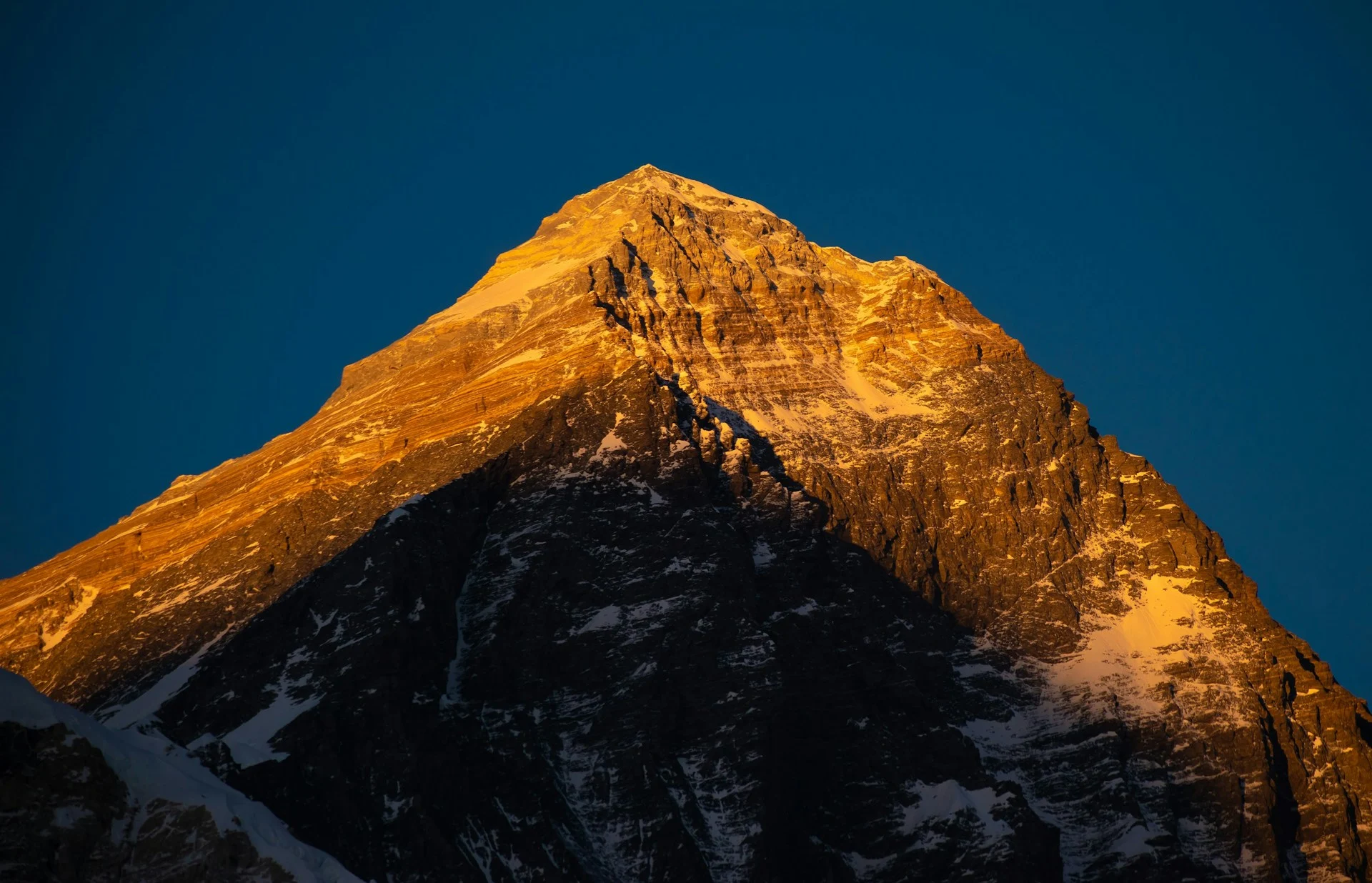
Everest Base Camp Trek Permits: What You Need to Pay in 2026
Permits are mandatory and often overlooked in initial cost estimates. In 2026, you need two permits to trek to Everest Base Camp:
1. Sagarmatha National Park Entry Permit
-
Cost: NPR 3,000 (~USD 23) per person plus 13% VAT, totaling approximately USD 26
-
Available: Nepal Tourism Board office in Kathmandu, or at the Monjo park entrance gate
-
Why it matters: You cannot enter the park without this. Rangers check at Monjo and Namche.
2. Khumbu Pasang Lhamu Rural Municipality Entry Permit
-
Cost: NPR 2,000 (~USD 15) per person for foreign nationals
-
Available: Lukla permit counter or Monjo checkpoint only — not available in Kathmandu
-
Why it matters: This local fee supports trail maintenance, community projects, and rescue coordination in the Khumbu region. It replaced the older TIMS system for the Everest route in 2018
Total permit cost: Approximately USD 40–50. Some sources quote slightly different totals depending on exact exchange rates and whether VAT is included .
Important distinction: The TIMS card is no longer required for the Everest Base Camp route. If you see a website mentioning TIMS for EBC, that information is outdated .
Where to Get Your Permits
Sagarmatha National Park Permit: Available at the Nepal Tourism Board office in Kathmandu or at the Monjo checkpoint. Getting it in Kathmandu saves a stop on your first day .
Khumbu Municipality Permit: Only issued at Lukla or Monjo. There is no Kathmandu office for this one. Most trekkers collect it immediately after landing in Lukla .
Payment: Permits must be paid for in cash in Nepalese Rupees (NPR) . US dollars are not accepted .
Guided trekkers: If you book with an agency, they typically handle all permits before you arrive. You walk straight through the checkpoints without standing in queues .
Kathmandu to Lukla: Understanding Your Biggest Flight Cost
Getting to the start of your trek is one of your largest single costs. Here’s what you need to know:
Lukla Flights
-
One-way cost: $200–$240 depending on season and demand
-
Round trip: $400–$480
The Ramechhap Catch
Here’s something many guides don’t explain clearly: during the main trekking seasons (March–May and October–November), flights to Lukla often operate from Ramechhap, not Kathmandu .
Ramechhap is a 4-5 hour drive from Kathmandu. You’ll need to leave Kathmandu around midnight to catch an early morning flight. The shared transfer costs about $40–$50 per person.
-
Flights from Kathmandu: ~$215 each way
-
Flights from Ramechhap: ~$186 each way
Flight Delays and Cancellations
Lukla flights are frequently delayed or canceled due to weather. Budget an extra 2-3 days in Kathmandu as a buffer. Extra nights in Kathmandu cost $25–$60 per night, depending on your hotel.
Worst-case scenario: If weather prevents your return flight, you might need a helicopter from Lukla to Kathmandu, costing $400–$600 per person.
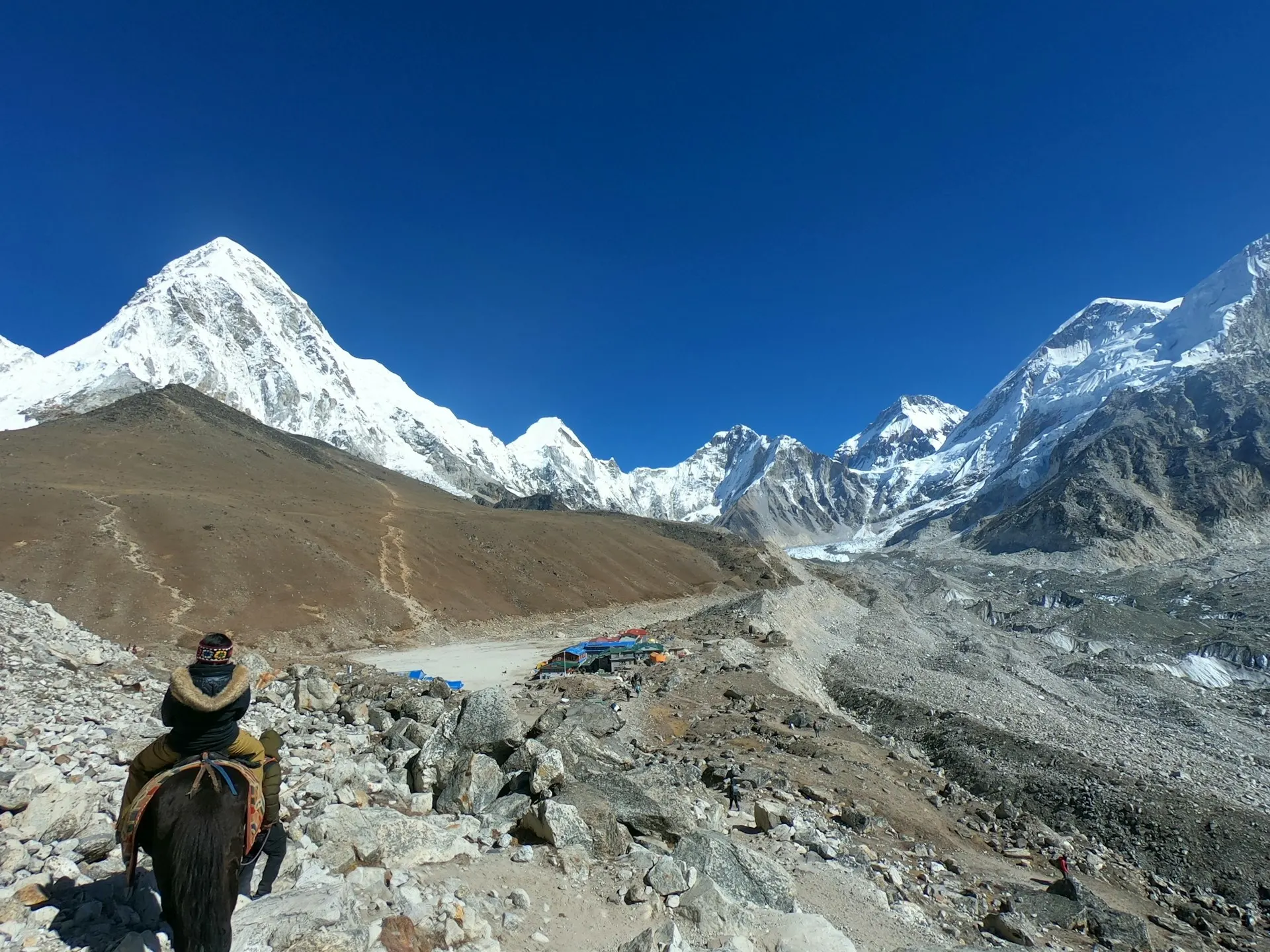
What’s Included in a Standard EBC Trek Package?
A standard 14-day EBC package from a reputable Nepali agency typically includes:
-
Airport transfers in Kathmandu
-
2-3 nights hotel in Kathmandu (twin share, with breakfast)
-
Round-trip flights Kathmandu–Lukla–Kathmandu (or Ramechhap–Lukla–Ramechhap)
-
All necessary permits (Sagarmatha National Park + Khumbu Municipality)
-
Teahouse accommodation during the trek (twin sharing, basic rooms)
-
Three meals a day (breakfast, lunch, dinner) during the trek
-
English-speaking, licensed trekking guide
-
Porter (usually 1 porter per 2 trekkers, carrying about 15kg total)
-
Insurance and salary for guide and porter
-
Basic first aid kit
-
Sleeping bag and company duffel bag (may be provided or rented)
Cost range: $1,200–$1,900 for a standard package with a local Nepali agency.
What’s NOT Included? Hidden Costs to Plan For
The fine print matters. Here are the expenses that are almost never included in the package price — and they add up quickly.
Daily On-Trail Costs
| Expense | Cost |
|---|---|
| Hot shower (higher altitudes) | $3 – $10 per shower |
| WiFi | $3 – $7 per day |
| Device charging (phone, power bank) | $2 – $5 per device |
| Bottled water (higher altitudes) | $3 – $6 per liter |
| Snacks, desserts, extra drinks | $3 – $10+ per item |
Pre- and Post-Trek Costs
| Expense | Cost |
|---|---|
| Nepal visa (30 days) | $50 |
| Meals in Kathmandu (if not included) | $20 – $35 per day |
| Extra nights in Kathmandu (flight delays) | $25 – $100 per night |
| Trekking gear rental (if not provided) | $60 – $100 total |
Major Hidden Costs
| Expense | Cost |
|---|---|
| Travel insurance with high-altitude coverage | $150 – $250 |
| Tipping guide and porter | $200 – $300 combined |
| Emergency helicopter evacuation (without insurance) | $3,000 – $6,000+ |
| Equipment rental or purchase | $300 – $700 (buy) or $60 – $100 (rent) |
Guide and Porter Costs: What Should You Pay?
If your package doesn’t include a guide or porter, or you’re trekking independently, here are typical daily rates:
-
Guide: $30–$40 per day
-
Porter: $15–$20 per day
-
Porter-cum-guide: ~$25–$30 per day
Most trekkers hire through a local agency rather than independently. This typically provides better reliability and insurance coverage for the staff.
Important: A porter typically carries 10-15kg for two trekkers .
Teahouse Accommodation: How Much Per Night?
Teahouse rooms are basic but functional. Prices vary by altitude:
| Location | Cost per night |
|---|---|
| Lower villages (Lukla, Phakding) | $5 – $10 |
| Mid-altitude (Namche Bazaar) | $5 – $10 |
| Higher villages (Dingboche, Lobuche, Gorak Shep) | $10 – $15 |
Important note: Teahouses expect you to eat your meals there, especially dinner and breakfast. If you eat elsewhere, you might be charged a room-only rate or asked to leave.
Food and Drink Costs on the Trail
Food gets more expensive as you go higher — porters and yaks carry everything uphill.
| Item | Lower altitudes | Higher altitudes |
|---|---|---|
| Main meal (dal bhat, noodles, fried rice) | $5 – $7 | $8 – $12 |
| Tea, coffee, hot chocolate | $2 – $3 | $3 – $5 |
| Bottled water (1L) | $1 – $2 | $3 – $6 |
Money-saving tip: Eat dal bhat — it’s filling, nutritious, and most teahouses offer unlimited refills. At ~$7–$12 per plate, it’s better value than a $14 pasta that leaves you hungry .
Water tip: Carry water purification tablets or a Steripen. Bottled water costs $60–$80 over the entire trek. A $5 pack of tablets or a $10 Steripen pays for itself .
Daily food budget if not included: $25–40 per day .
Travel Insurance for EBC: The Cost You Can’t Skip
This is not optional. Here’s why:
A helicopter evacuation from above 4,000 meters without insurance costs $3,000–$6,000 or more out of pocket . Altitude sickness can hit anyone, regardless of fitness. Helicopter rescues happen every season on the EBC route.
You need a policy that explicitly covers:
-
Trekking up to 6,000 meters (not 4,000m — many standard policies cap lower)
-
Emergency helicopter evacuation to Kathmandu
-
Medical treatment costs at altitude and in Kathmandu
-
Trip cancellation or curtailment due to medical emergency
Budget: $100–$250 for solid coverage that meets these requirements .
Read the altitude exclusions carefully before buying. Standard travel insurance almost always excludes high-altitude trekking.
Tipping Your Guide and Porter: What’s Fair?
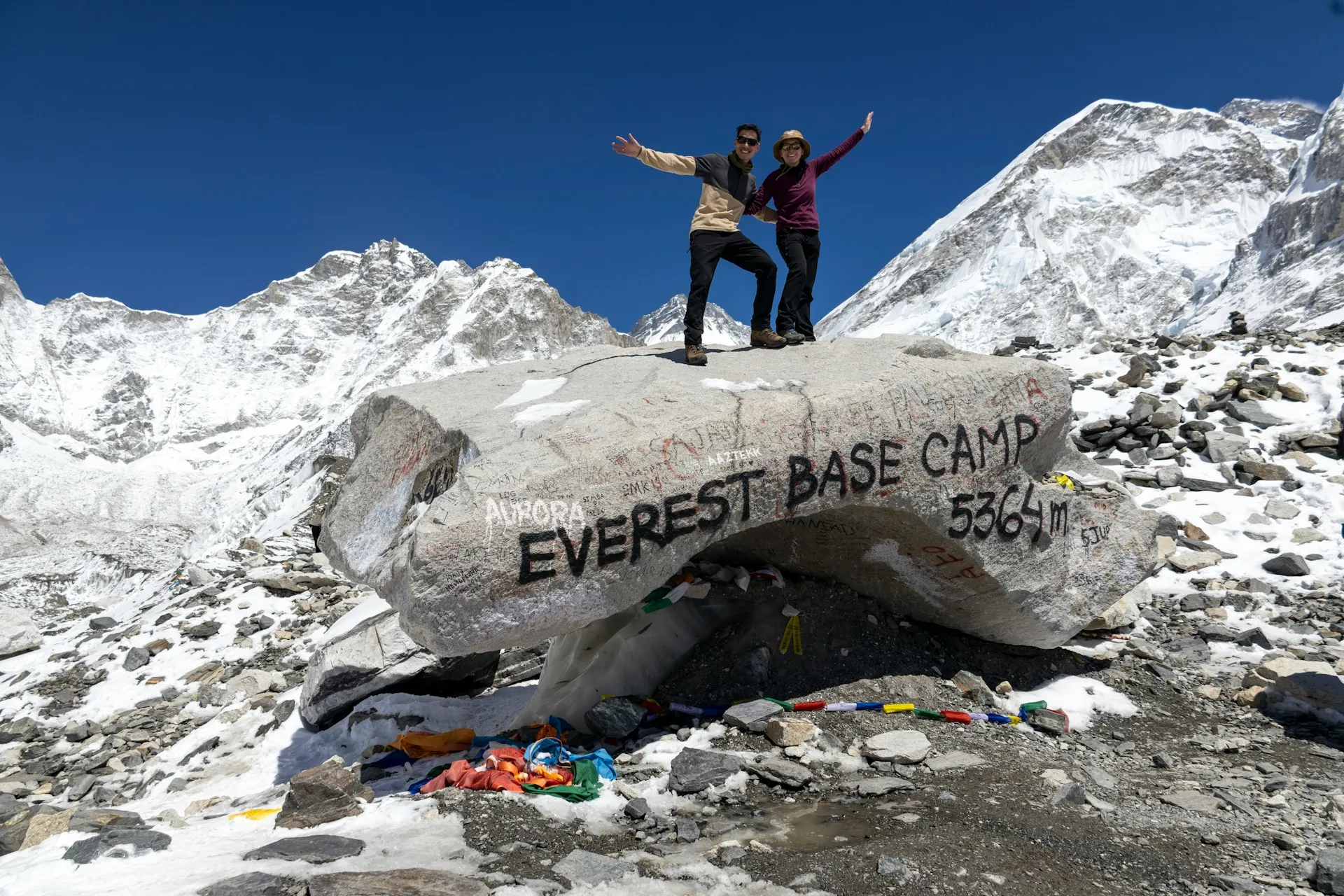
Tipping is not mandatory, but it’s an important part of Nepal’s trekking culture. Guides and porters budget with the expectation that tips form a meaningful part of their compensation.
Recommended tipping for a 14-day EBC trek:
-
Guide: $15–$20 per day ($150–$200 total)
-
Porter: $8–$12 per day ($80–$120 total)
-
Combined total: $200–$300
Some agencies recommend slightly different ranges: $4-5 USD per person per day for guides and $4-7 USD per day for porters .
When to tip: Pay porters in Lukla before the flight back to Kathmandu — they typically don’t travel further. Tip your guide at the farewell dinner in Kathmandu .
Rough guide: 10–15% of your total package price covers both guide and porter tips at a standard group size .
How Season Affects Your Trek Cost
Seasonality affects prices more than most trekkers realize — not just availability, but actual costs across almost every category.
Peak Season (March–May and October–November)
-
Best weather and views
-
Highest prices — 20–30% higher on flights, accommodation, and some package costs
-
Lukla flights book out weeks in advance
-
Expect flights from Ramechhap instead of Kathmandu
-
Expect the upper end of every cost range
Shoulder Season (February, early June, September, December)
-
Best value balance — 10–20% lower than peak
-
Fewer crowds, good conditions
-
Midweek departures can save $30–$60 on Lukla flights
Off-Season (July–August and January)
-
Lowest prices — 30–40% below peak
-
Monsoon (July–August) brings heavy rain and mud
-
January brings deep cold, some tea houses closed above Dingboche
-
Only for experienced trekkers who understand the conditions
Budget vs Standard vs Luxury EBC Trek: Which One?
| Category | Budget Trek | Standard Trek | Luxury Trek |
|---|---|---|---|
| Cost | $1,000 – $1,200 | $1,200 – $1,900 | $2,500 – $5,000+ |
| Accommodation | Basic teahouse, shared rooms | Teahouse, private rooms where possible | Best available lodges, Everest View Hotel |
| Meals | Pay as you go | All meals included | Premium dining included |
| Guide | May or may not include | Licensed guide included | Dedicated guide |
| Flights | Usually not included | Round-trip included | Round-trip + helicopter options |
| Group Size | Large groups | Small groups (3-6) | Private trek |
| Who it’s for | Experienced trekkers, budget travelers | Most first-timers and average trekkers | Those prioritizing comfort, limited time |
Standard package from a local agency: $1,099–$1,399 depending on group size .
Practical Money-Saving Tips Without Sacrificing Safety
1. Book directly with a Nepali agency
International booking platforms and Western outfitters add 30–60% commission to the same on-the-ground product .
2. Travel in shoulder season
You get good conditions at lower prices — 10–20% less than peak.
3. Share a porter
Two trekkers sharing one porter reduces porter costs by 50% .
4. Eat dal bhat
It’s filling, nutritious, and most teahouses offer free refills. Over 12 days, this saves $100–$150 .
5. Use water purification
A $10 Steripen or $5 iodine tablets replace $60–$80 in bottled water purchases .
6. Rent gear in Thamel
Don’t buy new gear unless you’ll use it again. Rent down jackets, sleeping bags, and trekking poles in Kathmandu. Renting for a 14-day trip costs roughly $60–$100 total .
7. Avoid peak departure dates
Midweek departures are often cheaper than weekends or season-start dates.
8. Have a buffer
Budget 2-3 extra days in Kathmandu for flight delays. This reduces stress and prevents unexpected expense panics.
9. What NOT to cut:
-
Travel insurance with helicopter evacuation cover above 5,000 meters
-
A licensed guide
-
Your emergency cash buffer
These exist to protect you when something goes wrong at altitude .
15 Things to Ask Your Trekking Company Before Booking
Before you hand over any money, ask these questions:
-
What permits are included in the price? (Sagarmatha and Khumbu permits both?)
-
Are flights to/from Lukla included? Are they from Kathmandu or Ramechhap?
-
What happens if flights are canceled or delayed? Who covers extra nights?
-
Are meals included? Three meals a day or just breakfast?
-
What’s the accommodation like? Private room or shared?
-
Is there a guide? Licensed and insured?
-
Is there a porter? What’s the porter-to-trekker ratio?
-
Are tips expected? What’s the recommended amount?
-
Is there a first aid kit? Emergency oxygen?
-
What trekking gear is provided? Sleeping bag? Duffel bag?
-
Is travel insurance required? Does the company offer any?
-
What’s the cancellation policy?
-
Are there any fees not mentioned? Hot shower? WiFi? Charging?
-
What happens if I need to stop the trek early?
-
Can I see a clear inclusion/exclusion list in writing?
Example: Realistic Budget for a 14-Day EBC Trek
Here’s a realistic budget for one person on a standard 14-day guided EBC trek in 2026:
| Item | Cost |
|---|---|
| Trek package (standard, local agency) | $1,500 |
| Permits (Sagarmatha + Khumbu) | $50 |
| Travel insurance (30 days, 6,000m coverage) | $180 |
| Tips (guide + porter) | $250 |
| Personal expenses (drinks, showers, WiFi, charging, snacks) | $250 |
| Extra Kathmandu nights (flight buffer) | $100 |
| Emergency buffer | $150 |
| Total (excluding international flights) | ~$2,480 |
Add international flights ($700–$1,200 from most countries) and your total trip budget is approximately $3,200–$3,600.
Final Thoughts on Everest Base Camp Trek Cost
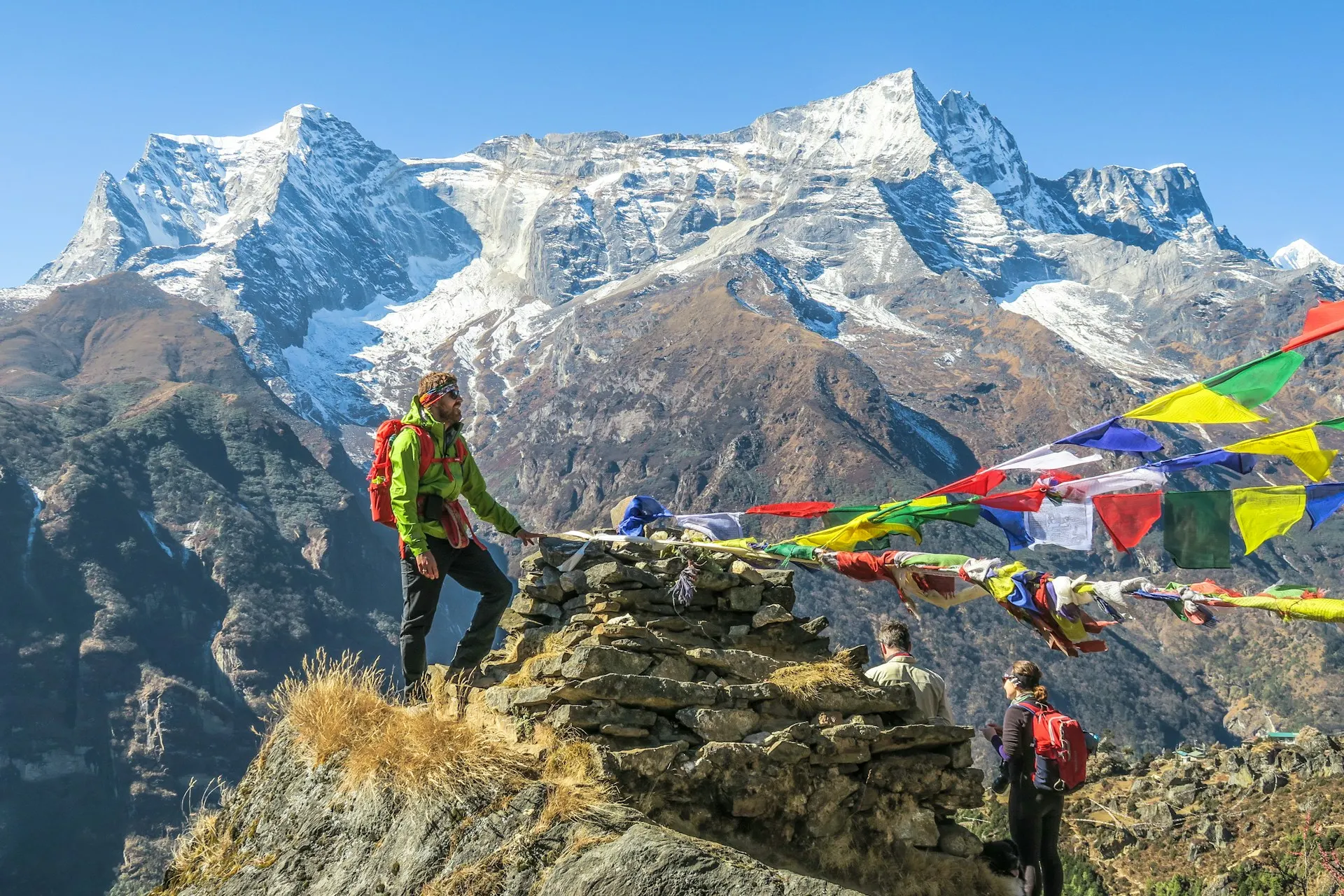
The Everest Base Camp trek is a significant financial commitment, but it doesn’t have to be a financial surprise. The key is understanding the difference between the quoted package price and your actual total cost.
The most common mistake is booking a cheap package without checking what’s excluded. A $1,200 package that doesn’t include meals, permits, or flights can end up costing more than a $1,700 all-inclusive package.
The second most common mistake is forgetting to budget for tips, insurance, and personal expenses on the trail. These aren’t optional — they’re part of the experience and the local economy.
When comparing quotes, ask each company for a complete inclusion and exclusion list. Compare like-for-like: if Company A includes meals and Company B doesn’t, the “cheaper” price isn’t necessarily better.
With proper planning and a realistic budget, you’ll focus on the trek itself — not worrying about money at 5,000 meters.
FAQ about Everest Base Camp Trek Cost
1. How much does the Everest Base Camp trek cost in 2026?
A standard 14-day package costs $1,200–$2,500. With permits (~$50), insurance ($100–250), tips ($200–300), and personal expenses ($200–400), your total budget should be $2,000–$3,500 excluding international flights .
2. How much are Everest Base Camp trek permits in 2026?
Sagarmatha National Park permit: ~USD 26 (NPR 3,000 + 13% VAT). Khumbu Municipality permit: ~USD 15 (NPR 2,000). Total: approximately $40–50. TIMS card is no longer required for EBC .
3. Where do I get EBC permits?
Sagarmatha permit: Kathmandu NTB office or Monjo checkpoint. Khumbu permit: Lukla or Monjo only — not available in Kathmandu. Pay in NPR cash only .
4. Are flights to Lukla included in the trek package?
Most standard packages include round-trip flights Kathmandu–Lukla–Kathmandu (or Ramechhap–Lukla–Ramechhap). Always confirm which airport is used — during peak season, flights operate from Ramechhap .
5. What hidden costs should I budget for?
Hot showers ($3–10), WiFi ($3–7/day), charging devices ($2–5), bottled water ($3–6/liter), snacks and extra drinks, tips ($200–300 combined), and insurance ($100–250) .
6. How much should I tip my guide and porter?
Total approximately $200–300 for a 14-day trek: guide $150–200, porter $80–120. A rough guide: 10–15% of your package price .
7. Do I need travel insurance for Everest Base Camp?
Yes. You need high-altitude coverage up to 6,000 meters with helicopter evacuation. Evacuation without insurance costs $3,000–$6,000+ out of pocket .
8. Why is one trekking company cheaper than another?
Cheaper packages may exclude meals, permits, domestic flights, or porter services. Compare what’s actually included, not just the price .
9. How much is a hot shower on the EBC trek?
$3–10 per shower at higher altitudes. Prices vary by teahouse .
10. When is the cheapest time to do the EBC trek?
Off-season (July–August and January) offers 30–40% lower costs, but conditions are challenging (monsoon rain or extreme cold). Shoulder season offers better value.
11. Do I need to buy or rent equipment?
You can rent down jackets, sleeping bags, and trekking poles in Kathmandu (Thamel area) for $60–100 total . Buying new costs $300–700 .
12. How much does a porter cost per day?
A porter costs $15–20 per day. Porter-cum-guide costs ~$25–30 per day .
13. What happens if my Lukla flight is canceled?
You’ll need to wait for the next available flight. Budget 2-3 extra days in Kathmandu as a buffer. Some take helicopters ($400–600) as an alternative.
14. How much should I budget for food on the EBC trek?
If meals aren’t included, budget $25–40 per day for three meals and drinks . Dal bhat at $7–12 is the best value — filling with unlimited refills.
15. Is it cheaper to trek independently or with a company?
Independent trekking costs roughly $1,065–1,365 , but you manage all logistics yourself. A guided package costs $1,200–2,500 but includes permits, flights, accommodation, and support. Most first-timers choose a guided package for safety and convenience.