Best Time to Trek Everest Base Camp
If you want the shortest possible answer: mid-October through mid-November offers the most reliable combination of clear mountain views, stable weather, and full trail infrastructure for most first-time trekkers heading to Everest Base Camp.
But the genuinely useful answer requires understanding what you are willing to trade off. Every month offers something different. Some months deliver perfect visibility but crowded trails. Others offer solitude but demand serious cold tolerance. A photographer, a first-time trekker, and a solitude-seeker would all choose different dates for the same trek.
This guide explains what actually changes month by month across the Khumbu region, not just vague seasonal labels. By the end, you will know exactly when you should personally trek to Everest Base Camp and why.
What Is the Best Time to Trek Everest Base Camp?
The Short Answer
For most trekkers, mid-October through mid-November is the strongest window. Post-monsoon atmospheric cleansing delivers the clearest mountain visibility of the year, weather patterns are relatively stable, temperatures are manageable, and every teahouse along the route is open. If you want the highest probability of seeing Everest in brilliant blue skies, this is your window.
April is the second choice, offering warmer temperatures and spectacular rhododendron blooms, though visibility is typically softer than autumn.
November is the underrated alternative. You keep most of October’s clarity but trade warmth for significantly fewer people.
Why “Best” Depends on Your Priorities
The word “best” suggests a single correct answer. The reality is more nuanced. A trekker who hates cold should not choose November, even though the views are stunning. A photographer seeking dramatic light might prefer November’s low sun angle over October’s reliable blue skies. A budget-conscious trekker might find March or September more appealing despite the increased weather risk.
The right question is not “What is the best month?” but “What is the best month for me?”
| If You Want | Choose | Why |
|---|---|---|
| Best overall conditions | Mid-October to mid-November | Clearest skies, stable weather, full infrastructure |
| Warmest temperatures | May | Warmest before monsoon, longest days |
| Spring flowers | April | Peak rhododendron bloom |
| Fewest crowds | December to February | Quietest trails of the year |
| Best value | March or September | Lower prices, acceptable conditions |
| Best photography | November | Crystal clarity, dramatic light, fewer people |
Everest Base Camp Trek Seasons at a Glance
The Everest Base Camp trekking year divides into four distinct periods: spring (March through May), monsoon (June through August), autumn (September through November), and winter (December through February). Each season brings a fundamentally different experience.
Spring offers warming temperatures, blooming rhododendrons, and the second-busiest trekking period of the year. Visibility starts strong in March but gradually softens as pre-monsoon haze builds through April and May.
Monsoon brings daily rain, heavy cloud cover, and leeches on lower trails. Most trekking companies suspend operations during July and August, though the landscape becomes remarkably lush and green.
Autumn delivers the premium trekking experience. Post-monsoon air is clean and clear, weather patterns stabilize, and temperatures remain comfortable through October before dropping in November.
Winter is cold, quiet, and surprisingly clear. Few trekkers attempt the route between December and February, but those who do often describe the solitude and crystal-clear air as transformative.
Season Comparison Table
| Season | Months | Visibility | Temperature | Crowds | Flight Reliability | Overall Experience |
|---|---|---|---|---|---|---|
| Spring | March-May | Good, decreasing | Cool to warm | Moderate to high | Moderate | Very good |
| Monsoon | June-August | Poor | Warm, wet | Very low | Low | Challenging |
| Autumn | September-November | Excellent | Moderate to cold | High to low | Good | Outstanding |
| Winter | December-February | Clear but cold | Very cold | Very low | Moderate | Rewarding for prepared |
Everest Base Camp Trek in Spring (March to May)
Spring is the second peak trekking season, and for good reason. The bitter cold of winter gives way to warming temperatures, rhododendron forests burst into bloom, and the trails come alive again after the quiet months. However, spring is not a single uniform season. Conditions evolve significantly from early March to late May.
The key mechanism to understand is pre-monsoon haze. As the season progresses toward summer, rising temperatures create atmospheric instability. Heat rises from the lowlands, carrying dust and moisture upward. This creates a gradual softening of visibility that becomes noticeable in late April and more pronounced in May. March offers the clearest spring skies, while May offers the warmest temperatures but the haziest views.
March: The Transition Month
March is the bridge between winter and spring. Early March can still feel like winter at higher elevations, with freezing nighttime temperatures and occasional snowfall. By late March, daytime temperatures become genuinely pleasant in the lower valleys, though nights above 4,000 meters remain well below freezing.
The trails are quiet. Most trekkers wait for April, meaning you will often have long stretches of trail entirely to yourself. Teahouse owners are welcoming and unhurried. Rhododendrons begin blooming at lower elevations, particularly around Phakding and Monjo.
The trade-off is weather variability. March can deliver brilliant blue skies or unexpected snow. Lukla flights occasionally face winter-related disruptions, though the frequency is lower than December or January.
Best for: Budget-conscious trekkers who do not mind cold mornings, and anyone seeking spring scenery without April crowds.
April: Peak Spring
April is the second-busiest month of the year after October, and the reasons are evident. Temperatures are moderate, rhododendron forests are at their spectacular peak, and the weather is generally settled. Daytime trekking temperatures in the lower valleys often reach 15 to 20°C, while nighttime temperatures at higher elevations remain manageable with proper gear.
The rhododendron bloom is the defining feature of April. The forests between Lukla and Namche transform into a riot of red, pink, and white blossoms. This is the most colorful time to trek, and photographers who prioritize flora over mountain clarity often prefer April to October.
The drawback is visibility. April skies are typically clear in the mornings, but afternoon haze begins to build as the month progresses. By late April, the crisp mountain views of March have softened. You will still see Everest, but the crystalline clarity of autumn will be missing.
Best for: Trekkers who want spring flowers with good weather, and anyone who finds October crowds overwhelming but still wants reliable conditions.
May: Warmest Spring Month
May offers the warmest temperatures before the monsoon arrives. Days are long, with sunlight lasting well into the evening. Trekking in a light fleece or even a t-shirt becomes possible at lower elevations during midday. The warmth makes May appealing for trekkers who struggle with cold.
The trade-off is visibility. Pre-monsoon haze is at its spring peak, and afternoon clouds often obscure high peaks. Everest remains visible on clear mornings, but the dramatic long-range views of March and April are diminished.
By late May, pre-monsoon rain showers become increasingly common, particularly in the afternoons. These are usually brief but signal the approaching monsoon. Crowds are moderate, lower than April but higher than March.
Best for: Trekkers who prefer warmth over perfect visibility and do not mind some haze.
Everest Base Camp Trek in Autumn (September to November)
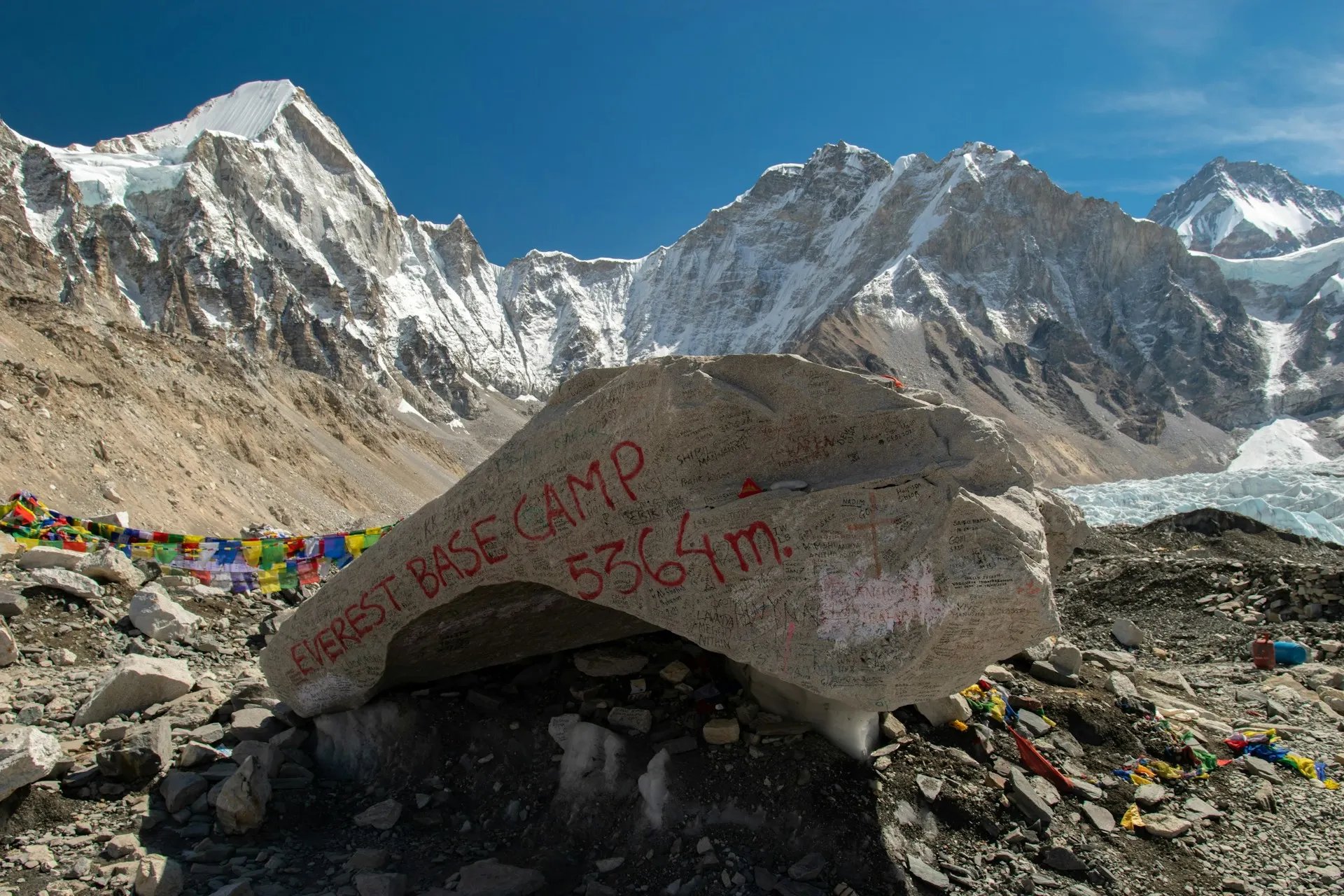
Autumn is the premium trekking season, and the reasons are rooted in atmospheric science. During the monsoon months, heavy rainfall washes particulate matter from the air. When the rains stop in September, the atmosphere is exceptionally clean. This post-monsoon cleansing creates the famous crystal-clear skies that make autumn the preferred season for most trekkers and photographers.
Autumn also brings stable weather patterns. The chaotic energy of the monsoon dissipates, replaced by settled high-pressure systems that can hold for days or weeks. This stability reduces flight disruption risk and increases the probability of completing your trek exactly as planned.
September: Post-Monsoon Transition
September is the bridge month. Early September can still experience monsoon tail rain, particularly in the afternoons. Trails are muddy in places, and leeches may still be present at lower elevations. By mid-to-late September, conditions improve rapidly. The rain stops, visibility clears, and the landscape remains incredibly lush and green from months of monsoon moisture.
Crowds are minimal in September. Most trekkers wait for October, meaning you can have trails and teahouses nearly to yourself while enjoying rapidly improving conditions. Prices are lower than October as well.
The trade-off is uncertainty. September weather is less predictable than October. You might experience brilliant clear skies or lingering rain. Trail damage from monsoon erosion is possible, though usually minor on the main route. Flight disruptions are less common than during monsoon but more frequent than October.
Best for: Flexible trekkers seeking value, solitude, and lush green scenery, and who do not mind some weather uncertainty.
October: Peak Visibility
October is the month everyone recommends, and for good reason. The atmosphere is at its cleanest, weather patterns are at their most stable, and temperatures are comfortable without being hot or extremely cold. Daytime trekking temperatures in the lower valleys are typically 10 to 15°C, while nighttime temperatures at higher elevations are cold but manageable with proper gear.
The defining feature of October is visibility. The air is so clean that distant peaks appear sharp and immediate. Everest, Lhotse, Nuptse, Ama Dablam, and the entire Khumbu panorama are visible in stunning clarity. Morning views from Kala Patthar are often absolutely perfect.
The trade-off is crowds. October is the busiest month of the year, with mid-to-late October being particularly congested. Trails are busy, teahouses fill quickly, and dining halls become crowded social spaces. You will share the trail with hundreds of other trekkers daily. The experience is less wilderness solitude and more shared pilgrimage.
Prices are at their peak. Flights to Lukla, teahouse accommodation, and guided packages all carry premium pricing in October. Booking well in advance is essential.
Best for: First-time trekkers who prioritize reliable weather, clear views, and full infrastructure over solitude and cost.
November: Late Autumn Clarity
November is the photographer’s month. The crystal-clear skies of October continue, but the crowds thin dramatically after the first week. By mid-November, you can have stretches of trail entirely to yourself while enjoying visibility that rivals October.
The trade-off is cold. November nights are genuinely cold, especially above 4,000 meters. Teahouse dining rooms are heated, but bedrooms are not. You will need a high-quality sleeping bag rated for well below freezing. Daytime temperatures remain pleasant in the sun, but shade and wind bring a sharp chill.
Some higher-elevation teahouses begin closing in late November. This is usually not an issue on the standard route, but options become more limited. The low sun angle creates dramatic, golden light that photographers prize.
Best for: Photographers seeking clear views and dramatic light without October crowds, and trekkers willing to trade warmth for solitude.
Everest Base Camp Trek in Winter (December to February)
Winter trekking to Everest Base Camp is possible, but it demands serious preparation, cold tolerance, and flexibility. The Khumbu region is drier than many people expect, meaning snowfall is typically light rather than heavy. The challenge is not snow but temperature.
At Gorak Shep and Everest Base Camp, nighttime temperatures regularly drop to -20°C or below. Teahouse bedrooms are unheated, and even dining rooms can be chilly. Water bottles freeze overnight. The cold is relentless and exhausting.
The reward is solitude. December through February sees very few trekkers. You may go entire days without seeing another trekker on the trail. Teahouse owners are welcoming and have time to talk. The experience feels more like expedition trekking than tourist trekking.
December: Early Winter
December is cold but usually clear. The skies are often brilliant, and the low sun angle creates dramatic light throughout the day. Crowds are minimal, and most lower-elevation teahouses remain open.
The challenge is managing cold. You will need a sleeping bag rated to at least -20°C, high-quality down insulation, and a willingness to spend evenings huddled around the teahouse stove. Short daylight hours mean you finish trekking early and spend long evenings in the dining room.
Flight disruptions become more common as winter weather systems move through the region. Buffer days are essential.
Best for: Experienced trekkers seeking solitude and clear winter skies, and anyone with serious cold-weather gear.
January: Deep Winter
January is the coldest month and the quietest. Trails are empty, teahouses at higher elevations are often closed, and the cold is genuinely challenging. Daytime temperatures may not rise above freezing at higher elevations, and nighttime temperatures plunge well below -20°C.
The advantage is total solitude. You may have Everest Base Camp entirely to yourself. The sky, when clear, is a shade of blue so deep it seems unreal.
The trade-off is infrastructure. With fewer trekkers, some teahouses close for the season. Food options become more limited. If something goes wrong, help is farther away. This is not a month for inexperienced trekkers.
Best for: Very experienced trekkers with winter expedition experience, seeking maximum solitude and accepting significant challenge.
February: Late Winter
February remains cold, but the trend is toward warming. Days lengthen, and the sun gains strength. Snow-covered trails create a stark, beautiful landscape. Crowds remain minimal, though a few early spring trekkers begin appearing late in the month.
Teahouse availability is still limited at higher elevations, but lower villages are open. Flight disruptions remain possible due to winter weather.
Best for: Experienced trekkers wanting quiet trails with slightly less extreme cold than January.
Everest Base Camp Trek During the Monsoon (June to August)
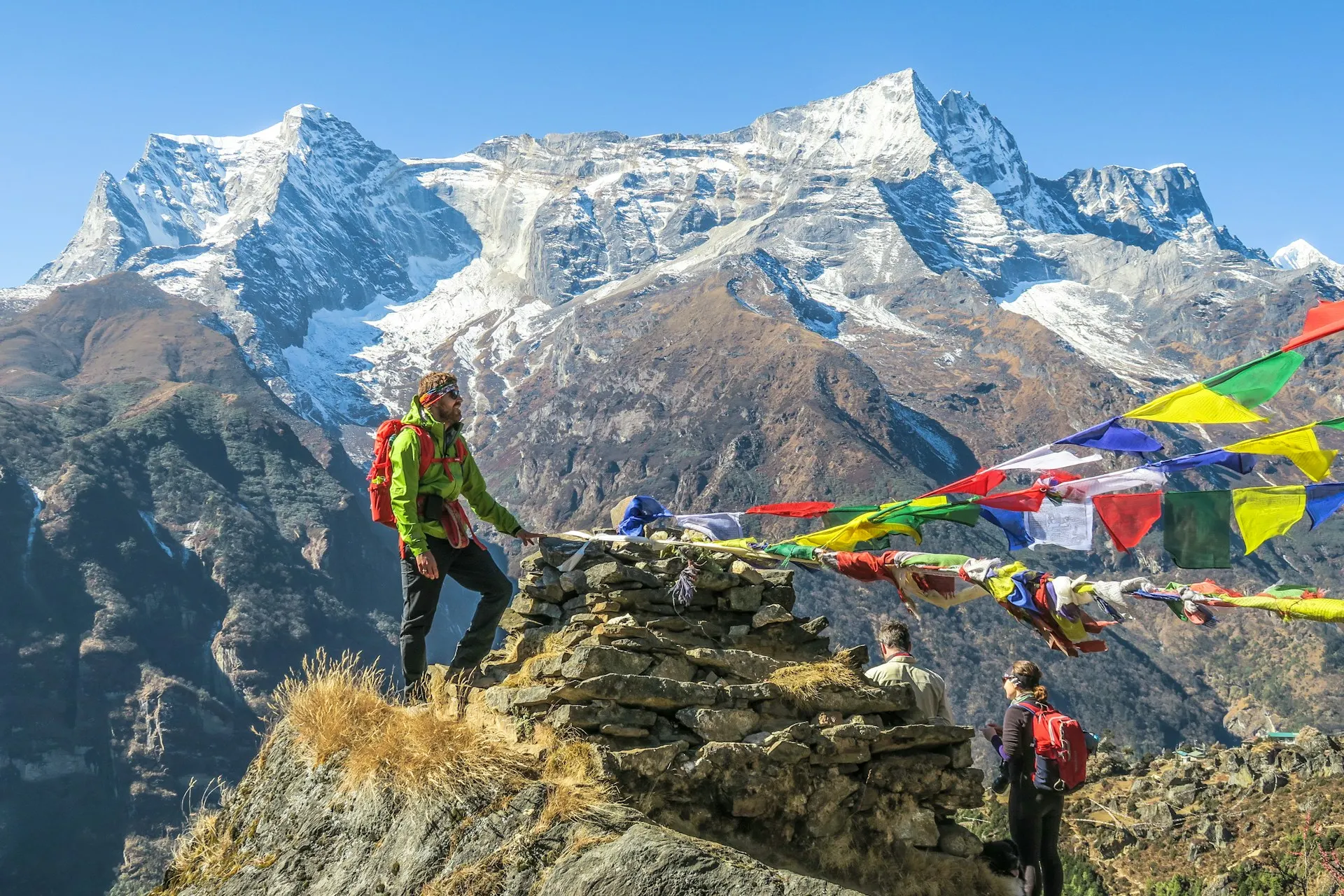
Monsoon trekking is possible, but it requires realistic expectations. This is not the rainy season of gentle drizzles. The monsoon brings heavy rain, persistent cloud cover, and leeches on lower trails. Visibility is often poor, with high peaks hidden for days at a time.
The reward is a landscape transformed. The monsoon turns the Khumbu a deep, vibrant green. Waterfalls cascade down valley walls. The air is warm and humid. And you will have the trails almost entirely to yourself.
The key challenge is logistics. Lukla flights are frequently disrupted during monsoon. Cloud cover can ground flights for days. This makes buffer days essential and flexibility mandatory. Trail conditions are muddy and slippery. Leeches are abundant below Namche.
Most trekking companies do not operate during July and August. Those that do typically offer significant discounts.
June: Monsoon Onset
June marks the beginning of the monsoon. Rain typically arrives in the afternoons, with mornings offering some clear periods. Clouds build through the day, and visibility decreases. Leeches appear on lower trails.
Despite the challenges, June can offer surprisingly good trekking days, particularly early in the month. The landscape is lush, waterfalls are flowing, and the trails are quiet.
Best for: Solitude-seekers who do not mind rain and have significant schedule flexibility.
July: Peak Monsoon
July is the wettest month. Heavy rain falls daily, often for hours. Clouds are persistent, and visibility is poor. Trails are muddy and slippery, and leeches are abundant. Flight disruptions are common.
This is the least popular month for trekking, and for good reason. The experience is more about enduring conditions than enjoying mountain views. However, for trekkers seeking maximum solitude and a raw, unfiltered experience of the Khumbu, July offers a unique perspective.
Best for: Only the most dedicated solitude-seekers with high tolerance for rain and poor visibility.
August: Monsoon Tapering
August sees the monsoon gradually lose strength. Rain remains frequent but becomes less intense as the month progresses. The landscape is at its greenest. Visibility remains poor but shows signs of improvement late in the month.
Crowds remain minimal. Prices remain low. For trekkers who can tolerate rain and poor visibility, August offers a unique experience of the Khumbu at its most vibrant.
Best for: Flexible trekkers seeking value and green scenery, and who understand the visibility trade-off.
Everest Base Camp Month-by-Month Breakdown
January
Typical weather: Extreme cold, generally dry
Visibility: Excellent when clear, but winter storms possible
Precipitation: Light snowfall possible, generally dry
Trail experience: Snow-covered sections, icy patches
Crowds: Minimal
Temperature: Daytime -5 to 5°C, nighttime -15 to -25°C at altitude
Advantages: Total solitude, crystal-clear skies, stark beauty
Disadvantages: Extreme cold, limited teahouse availability, short days
Who it suits: Experienced winter trekkers only
Recommendation: Only attempt with winter expedition experience and serious gear
February
Typical weather: Very cold, gradually warming
Visibility: Good, generally clear
Precipitation: Light snowfall possible
Trail experience: Snow-covered, icy in places
Crowds: Minimal
Temperature: Daytime 0 to 10°C, nighttime -10 to -20°C at altitude
Advantages: Quiet trails, improving daylight, snow-covered landscape
Disadvantages: Still very cold, some teahouses closed
Who it suits: Experienced trekkers seeking solitude
Recommendation: Good winter option for prepared trekkers
March
Typical weather: Cold mornings, warming afternoons, variable
Visibility: Good early, some afternoon clouds
Precipitation: Occasional snow showers
Trail experience: Some snow at higher elevations, generally good
Crowds: Low but increasing
Temperature: Daytime 5 to 15°C, nighttime -5 to -15°C at altitude
Advantages: Quiet trails, rhododendrons blooming, lower prices
Disadvantages: Variable weather, cold nights
Who it suits: Budget-conscious trekkers, spring scenery seekers
Recommendation: Good choice for value and solitude with acceptable conditions
April
Typical weather: Moderate, settled
Visibility: Good mornings, some afternoon haze
Precipitation: Low, occasional showers
Trail experience: Dry and well-maintained
Crowds: High
Temperature: Daytime 10 to 20°C, nighttime -5 to -10°C at altitude
Advantages: Best rhododendrons, moderate temperatures, full infrastructure
Disadvantages: Crowded, haze builds late month
Who it suits: Spring scenery enthusiasts, those avoiding October crowds
Recommendation: Excellent choice for flowers and good weather
May
Typical weather: Warmest, pre-monsoon
Visibility: Decreasing haze, afternoon clouds
Precipitation: Pre-monsoon showers possible
Trail experience: Dry, dusty in places
Crowds: Moderate
Temperature: Daytime 15 to 25°C, nighttime 0 to -5°C at altitude
Advantages: Warmest month, long days, moderate crowds
Disadvantages: Haze reduces visibility, pre-monsoon rain
Who it suits: Warmth-preferring trekkers
Recommendation: Choose if you prefer warmth over perfect views
June
Typical weather: Monsoon onset, warm and humid
Visibility: Decreasing, clouds build
Precipitation: Afternoon rain becomes frequent
Trail experience: Muddy in places, leeches appear
Crowds: Very low
Temperature: Daytime 15 to 25°C, nighttime 5 to 10°C at altitude
Advantages: Quiet trails, lush landscape, lower prices
Disadvantages: Rain, clouds, leeches, flight disruptions
Who it suits: Solitude-seekers with rain tolerance
Recommendation: Only for flexible trekkers who do not mind rain
July
Typical weather: Peak monsoon, heavy rain
Visibility: Poor
Precipitation: Heavy daily rain
Trail experience: Muddy, slippery, leeches abundant
Crowds: Minimal
Temperature: Daytime 15 to 25°C, nighttime 5 to 10°C at altitude
Advantages: Maximum solitude, greenest landscape
Disadvantages: Heavy rain, poor visibility, flight disruptions
Who it suits: Only dedicated solitude-seekers
Recommendation: Generally not recommended for most trekkers
August
Typical weather: Monsoon tapering, still wet
Visibility: Poor but improving
Precipitation: Frequent rain, decreasing
Trail experience: Muddy, leeches present
Crowds: Minimal
Temperature: Daytime 15 to 25°C, nighttime 5 to 10°C at altitude
Advantages: Lush landscape, low crowds, improving conditions
Disadvantages: Rain, mud, poor visibility
Who it suits: Flexible trekkers seeking value
Recommendation: Late August can be acceptable for flexible trekkers
September
Typical weather: Post-monsoon transition, improving
Visibility: Rapidly improving
Precipitation: Lingering rain early, clearing late
Trail experience: Some mud early, drying late
Crowds: Low
Temperature: Daytime 10 to 20°C, nighttime 0 to 5°C at altitude
Advantages: Lush scenery, low crowds, lower prices
Disadvantages: Lingering rain, some trail damage
Who it suits: Value-seekers with schedule flexibility
Recommendation: Good choice for value and solitude with acceptable weather risk
October
Typical weather: Stable, clear, moderate
Visibility: Excellent
Precipitation: Low
Trail experience: Dry, well-maintained
Crowds: Highest of year
Temperature: Daytime 10 to 20°C, nighttime -5 to -10°C at altitude
Advantages: Best visibility, stable weather, full infrastructure
Disadvantages: Crowded, expensive, requires advance booking
Who it suits: First-time trekkers prioritizing reliability
Recommendation: The default choice for most trekkers despite crowds
November
Typical weather: Clear, cold, dry
Visibility: Excellent
Precipitation: Very low
Trail experience: Dry, some snow at higher elevations
Crowds: Moderate, decreasing
Temperature: Daytime 5 to 15°C, nighttime -10 to -20°C at altitude
Advantages: Crystal clarity, fewer crowds, dramatic light
Disadvantages: Cold nights, some teahouses closing
Who it suits: Photographers, cold-tolerant trekkers
Recommendation: Excellent choice for those willing to trade warmth for solitude
December
Typical weather: Cold, clear, dry
Visibility: Good
Precipitation: Light snow possible
Trail experience: Some snow and ice
Crowds: Low
Temperature: Daytime 0 to 10°C, nighttime -15 to -25°C at altitude
Advantages: Quiet trails, clear skies
Disadvantages: Very cold, limited services
Who it suits: Experienced winter trekkers
Recommendation: Only for prepared trekkers with winter experience
Which Month Is Best for Everest Base Camp?
October vs April: The Two Peak Seasons Compared
October and April are the two most popular months, but they offer different experiences. October delivers superior visibility. The post-monsoon atmosphere is exceptionally clean, and mountain views are crisp and clear. April offers warmer temperatures and spectacular rhododendron blooms, but visibility is typically softer due to pre-monsoon haze.
October crowds are larger than April crowds. If you want the best possible views, choose October. If you want spring flowers and slightly smaller crowds, choose April.
October vs November: Crowds vs Cold
November offers most of October’s visibility with a fraction of the crowds. The trade-off is temperature. November nights are significantly colder, and some higher-elevation teahouses begin closing. If you can tolerate cold nights and want clear views without crowds, November is the better choice.
The Verdict: Our Honest Recommendation
For first-time trekkers who want the highest probability of success, mid-October to mid-November is the strongest window. You get excellent visibility, stable weather, full infrastructure, and manageable temperatures.
However, if you hate crowds or are budget-conscious, March or September may serve you better. If you are a photographer, November is exceptional. If you are an experienced trekker seeking solitude, December through February offers a unique and rewarding experience.
The “best” month is the one that matches your priorities.
Best Time for Everest Base Camp Based on Your Priorities
Best for First-Time Trekkers
October offers the most forgiving conditions for first-timers. Stable weather reduces flight disruption risk. Full teahouse availability means more comfortable accommodation. The large number of fellow trekkers creates a supportive, social atmosphere. If something goes wrong, help is nearby.
Best for Mountain Views
October and November deliver the clearest mountain views of the year. Post-monsoon atmospheric cleansing removes particulate matter, and stable weather systems keep skies clear for days. Early morning views from Kala Patthar are often absolutely perfect.
Best for Fewer Crowds
December through February offer the fewest crowds, but demand serious cold tolerance. March and September offer quieter trails with milder conditions, though weather is more variable. November offers a balance of clear views and reduced crowds.
Best for Warmer Conditions
May is the warmest month before the monsoon. Daytime temperatures are comfortable, and long daylight hours make for pleasant trekking. April offers moderate warmth with better visibility and spectacular rhododendrons.
Best for Spring Scenery
April is peak rhododendron season. The forests between Lukla and Namche transform into a riot of red, pink, and white blossoms. March offers early blooms with fewer crowds.
Best for Photography
November offers the best combination of clear skies, dramatic low-angle light, and fewer crowds. October provides reliable visibility but requires working around crowds. March and April offer softer, warmer light and seasonal color.
Best for Experienced Trekkers
December through February offer the greatest challenge and the most solitude. Experienced trekkers who can manage extreme cold will find empty trails and a raw, expedition-like experience. Shoulder seasons offer balance for experienced trekkers who prefer moderate conditions.
Best for Budget-Conscious Trekkers
March and September offer lower prices with acceptable conditions. December through February offers the lowest prices but demands serious cold-weather gear, which adds cost. The savings on peak-season pricing can be substantial, but the trade-offs are real.
Weather vs. Crowds: The Trade-Off Most Trekking Guides Ignore
Most trekking guides will tell you October is the best month because the weather is best. They are correct about the weather. They are less forthcoming about what those perfect conditions mean for crowds.
October’s reliable weather attracts the largest number of trekkers. Mid-to-late October sees hundreds of trekkers on the trail daily. Teahouses fill to capacity. Dining halls become crowded social spaces. You will share the trail with large groups, and you will wait in line for meals.
This crowding affects more than just photographs. It affects sleep quality when teahouses are noisy. It affects meal quality when kitchens are overwhelmed. It affects your ability to acclimatize when you are resting poorly. It affects the sense of wilderness solitude that many trekkers imagine.
The shoulder seasons of March and November offer a different calculus. Weather is slightly less reliable, but crowds are dramatically smaller. You might have a cloudy day or two, but you will also have long stretches of trail entirely to yourself.
There is no right answer. Some trekkers thrive in the social atmosphere of peak season. Others find crowds diminish the experience they sought. The key is to understand the trade-off and choose accordingly.
If you do choose October, start your trek early in the morning to avoid the busiest trail hours. Consider adding buffer days so you can adjust if weather disrupts your schedule. And understand that the crowded teahouses are part of the peak-season experience, not a failure of it.
How the Season Changes the Everest Base Camp Experience
The same trail feels fundamentally different in different seasons. In October, the path from Lukla to Namche is a busy thoroughfare. You will pass trekkers constantly, share bridges with yak trains, and hear conversations in a dozen languages. The energy is vibrant and social.
In December, the same trail is silent. You might walk for hours without seeing another trekker. The villages feel different too. Teahouse owners have time to talk. You are not one of hundreds of customers; you are a guest.
Light quality shifts dramatically. Spring light is soft and warm, filtered through haze and blooming rhododendrons. Autumn light is crisp and clear, with brilliant blue skies and sharp shadows. Winter light is stark and dramatic, with a low sun angle that creates long shadows and golden tones.
Photography conditions vary accordingly. October offers reliable blue skies but requires patience to capture crowd-free shots. November offers dramatic light and fewer people. March offers soft spring light and blooming flowers. Winter offers stark, minimalist landscapes.
The physical experience changes too. Warm temperatures require hydration management. Cold temperatures demand more calories and better insulation. Monsoon conditions require rain gear and leech protection.
Understanding these experiential differences is as important as understanding temperature statistics. The same trek can feel like a social adventure in October, a solitary pilgrimage in December, or a botanical journey in April.
What About Lukla Flights?
Lukla flights are the single most significant logistical risk for any Everest Base Camp trek. The airport sits at 2,860 meters, surrounded by mountains, and is subject to rapidly changing weather conditions. Flights operate only in daylight, and only when visibility and wind conditions permit.
Morning flights are generally more reliable. The diurnal wind pattern in the Khumbu means conditions are often calmest early in the day. Afternoon winds frequently ground flights. This is why most Lukla flights depart between 6:00 AM and 10:00 AM.
Seasonal flight reliability varies. October and November typically offer the most stable conditions, though disruptions can occur in any month. December through February see occasional winter weather disruptions. March and April are generally reliable, though spring storms can cause delays. Monsoon months see the highest cancellation rates.
When flights are cancelled, you have limited options. Helicopter flights are sometimes available but are expensive and weather-dependent as well. You may need to wait in Kathmandu or Ramechhap for the next available flight. This is why buffer days are essential.
For any EBC trek, plan at least one buffer day before your trek begins. For monsoon or winter treks, two buffer days are wiser. This buffer protects your trek start date from being consumed by flight delays.
Is Everest Base Camp Trekking Possible Outside the Peak Seasons?
Yes, with important caveats. Every month offers a viable trekking experience for someone, but the shoulder and off-seasons demand different preparation, expectations, and flexibility.
Shoulder seasons (March, May, November) offer excellent value. Conditions are generally good, with some weather variability. Crowds are smaller than peak months. Prices are lower. The trade-off is uncertainty. You might experience brilliant conditions or challenging weather.
Winter (December through February) is possible for prepared trekkers. The cold is genuine and demanding. Teahouse availability is reduced. But the solitude and clarity are unmatched. This is not a season for first-time trekkers.
Monsoon (June through August) is the most challenging period. Rain, clouds, leeches, and flight disruptions make this a difficult time to trek. However, some trekkers specifically seek the lush, green landscape and total solitude of the monsoon Khumbu.
Who should trek off-season?
-
Experienced trekkers comfortable with variable conditions
-
Budget-conscious trekkers willing to accept trade-offs
-
Photographers seeking unique conditions
-
Solitude-seekers willing to trade comfort for quiet
Who should not trek off-season?
-
First-time trekkers with rigid schedules
-
Trekkers with low cold tolerance
-
Anyone with time constraints that prevent buffer days
-
Trekkers seeking the social atmosphere of peak season
How to Choose Your EBC Trek Dates
Choosing your dates is a process of honest self-assessment followed by practical planning. Follow these steps to identify the right window for your trek.
Step 1: Identify Your Primary Priority
What matters most to you? Clear mountain views? Solitude? Warm temperatures? Budget? Be honest. If you say “everything,” you are setting yourself up for disappointment because no month offers everything.
Step 2: Assess Your Cold Tolerance
How do you handle cold? If you are comfortable in freezing temperatures with proper gear, November through March opens up. If you hate cold, May through October is your window.
Step 3: Consider Your Schedule Flexibility
Can you add buffer days? Are your dates rigid or flexible? If your schedule is tight, choose a more reliable month like October. If you have flexibility, shoulder seasons become more viable.
Step 4: Evaluate Your Budget
Peak season costs more for flights, teahouses, and packages. Shoulder and off-seasons offer savings. But remember that cold-weather gear for winter trekking adds cost.
Step 5: Check Current Logistics
Before booking, verify current conditions with your trekking company. Teahouse availability, flight schedules, and trail conditions can change. Do not rely on outdated information.
Step 6: Build in Buffer Days
Whatever month you choose, include at least one buffer day. This protects against flight delays and gives you flexibility if conditions change.
What to Prepare for Your Chosen Season
Season-specific preparation goes beyond generic packing lists. Your gear needs change significantly depending on when you trek.
Spring Season Preparation (March to May)
Spring requires a layering system that handles cold mornings and warm afternoons. A good fleece or lightweight insulated jacket works for daytime. A heavier down jacket is essential for evenings and early mornings. March requires warmer gear than May. Waterproof gear is less critical but should still be packed.
Autumn Season Preparation (September to November)
Autumn requires reliable cold-weather gear for nighttime. A high-quality down jacket and a sleeping bag rated to at least -10°C are essential, especially in November. Daytime layers should be flexible. October is drier, but September requires rain gear.
Winter Season Preparation (December to February)
Winter demands serious cold-weather equipment. Your sleeping bag should be rated to at least -20°C. You need high-quality down insulation, thermal base layers, insulated boots, and reliable gloves and hat. Chemical hand warmers are useful. Your water bottles will freeze unless insulated.
Monsoon Season Preparation (June to August)
Monsoon requires excellent rain gear, including waterproof jacket, pants, and pack cover. Quick-dry clothing is essential. Leeches are a concern below Namche, so leech socks or salt are useful. Your sleeping bag should be lightweight since temperatures are warmer.
Season-Specific Gear Checklist
| Item | Spring | Autumn | Winter | Monsoon |
|---|---|---|---|---|
| Down jacket | Medium weight | Medium weight | Expedition weight | Light weight |
| Sleeping bag | -10°C rating | -10 to -15°C rating | -20°C or lower | 0°C rating |
| Rain gear | Basic | Good (September) | Not needed | Essential |
| Insulated boots | Not needed | Not needed | Essential | Not needed |
| Thermal layers | Light | Medium | Heavy | Light |
| Sun protection | Essential | Essential | Essential | Moderate |
When Should You Book an Everest Base Camp Trek?
Booking timelines vary significantly by season. Understanding lead times helps you secure your preferred dates and avoid disappointment.
Booking Timeline for Peak Season (October and April)
October is the most competitive month. Popular trekking companies fill their October departures six to eight months in advance. If you want to trek in October, book by February or March. Lukla flights also sell out for peak dates. April is slightly less competitive but still requires three to six months of lead time.
Booking Timeline for Shoulder Season (March, May, November)
Shoulder seasons require two to three months of lead time. You will have more flexibility and better availability than peak season. Prices are often negotiable.
Booking Timeline for Off-Season (December to February, June to August)
Off-season treks can often be booked with weeks of notice. However, this does not mean you should delay planning. Teahouse closures and flight schedules require verification. If you are trekking in winter, you need time to acquire proper gear.
Why Last-Minute Booking Is Risky
Last-minute booking limits your options. You may not get your preferred trekking company, guide, or departure date. Lukla flights may be fully booked. Teahouses may be full. For peak season, last-minute booking is genuinely risky. For off-season, it is more feasible but still requires careful planning.
Final Recommendation on Best Time to Trek Everest Base Camp
Choosing the best time to trek Everest Base Camp is not about finding the perfect month. It is about finding the right month for you.
For most first-time trekkers, mid-October through mid-November offers the strongest combination of clear views, stable weather, and full infrastructure. The crowds are real, but the experience of seeing Everest in crystal-clear autumn air is worth it.
If you value solitude over perfect weather, choose March or November. If you want spring flowers, choose April. If you are an experienced trekker seeking challenge, consider winter.
Whatever you choose, plan buffer days, prepare for your season’s specific challenges, and book with appropriate lead time.
Merriment Treks has been helping trekkers plan their Everest Base Camp journeys across every season. We understand that the right timing depends on your individual priorities, and we work with you to choose dates that match your goals. Whether you are planning your first EBC trek in October or seeking solitude in December, we are here to help you all the way!